
Compare models
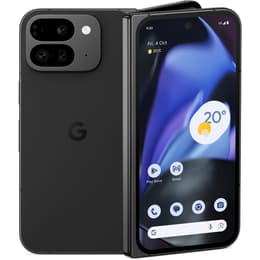
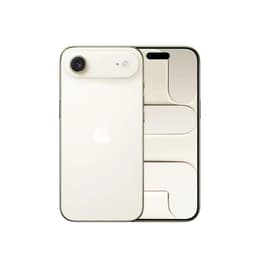
Google Pixel 9 Pro Fold vs iPhone Air
- 1-year warranty
- Free standard shipping
- Free 30-day returns
Differences at a glance
The Google Pixel 9 Pro Fold (2024) and the iPhone Air (2025) represent two distinct approaches to modern mobile engineering, contrasting a multitasking-focused folding tablet design with an ultra-thin candybar smartphone. While both devices occupy distinct hardware categories, they deliver high-end portable computing experiences tailored to vastly different daily workflows. Operating on Android and iOS respectively, these models highlight how physical form factor choices dictate everyday usability.
Available Models
Colour
Storage
Scores
Durability
Long-term hardware durability and software longevity vary significantly between these two models due to their differing release years and complex mechanical structures.
- Release timeline and software support: The Google Pixel 9 Pro Fold arrives with a multi-year software commitment extending across seven years of operating system updates, while the iPhone Air benefits from a 2025 launch window backed by Apple's traditional long-term support cycle.
- Physical durability and mechanics: The iPhone Air utilizes a rigid, single-piece titanium frame with reinforced glass, offering high resistance to everyday wear. In contrast, the Pixel 9 Pro Fold incorporates a dual-screen folding mechanism that requires more careful handling over years of extensive use.
- Repairability expectations: Traditional slab smartphones like the iPhone Air generally present simpler pathways for component replacement, whereas folding devices involve intricate hinge assemblies and flexible internal displays that influence long-term maintenance.
Release year
2024
2025
Compatible with latest Update
Yes
Yes
Operating system
Android
iOS
Foldable
Yes
No
Performance
Underneath their distinct exteriors, both handsets handle demanding software environments smoothly through advanced internal processing hardware and generous memory allocations.
- Multitasking and system memory: The Pixel 9 Pro Fold features ample system memory designed to drive split-screen applications and on-device artificial intelligence features, while the iPhone Air pairs its current-generation processor with high-bandwidth memory to maintain fluidity during intensive tasks.
- Battery behavior and daily usage: The iPhone Air manages power efficiency within an extremely slim chassis, suited for moderate daily routines. Meanwhile, the Pixel 9 Pro Fold distributes power across dual displays, meaning heavy utilization of the large inner screen results in more frequent charging cycles.
- Everyday responsiveness: Both devices load complex applications instantaneously, handle mobile gaming without stuttering, and transition between background tasks seamlessly.
Screen quality
Display architecture is the defining differentiator between these devices, offering a choice between expansive folding workspace and streamlined single-panel viewing.
- Display technology: The iPhone Air features a single, vibrant OLED screen equipped with an adaptive high refresh rate for fluid scrolling and deep contrast. The Pixel 9 Pro Fold provides an outer cover display alongside an expansive 8-inch inner folding screen that transforms the device into a compact tablet.
- Outdoor visibility: Both models incorporate high peak brightness panels that remain legible under direct sunlight, ensuring clear visibility outdoors.
- Viewing experience: Users who consume media on a traditional widescreen format will find the iPhone Air well-suited to standard video ratios, whereas the Pixel 9 Pro Fold excels at multitasking with multiple apps open side by side.
Resolution
2076 x 2152
2736x1260
Screen type
Foldable LTPO OLED
Super Retina XDR
Audiovisual
Optics and media playback capabilities reflect contrasting hardware layouts, balancing versatile multi-lens versatility against streamlined single-lens efficiency.
- Camera system configuration: The Pixel 9 Pro Fold equips a versatile triple-lens array featuring wide, ultra-wide, and telephoto options for varied framing. The iPhone Air utilizes a streamlined single high-resolution rear lens backed by advanced computational photography to capture detailed everyday imagery.
- Video and low-light performance: Both handsets deliver stable, high-definition video recording and reliable low-light processing, though the multi-lens setup on the folding model offers greater optical zoom flexibility.
- Audio output: Media consumption on the iPhone Air relies on a simplified speaker setup, whereas the Pixel 9 Pro Fold delivers balanced stereo sound projection well-suited for watching videos across its larger unfolded screen.
Main camera
48 megapixels
48 megapixels
Front camera
10 megapixels
18 megapixels
Miscellaneous
Practical daily usability is shaped by physical dimensions, connection standards, and security integration across both models.
- Build and handling: The iPhone Air focuses on a featherlight, ultra-slim profile that minimizes pocket bulk, while the Pixel 9 Pro Fold is heavier due to its dual-screen and hinge architecture, though it remains remarkably thin for a foldable device.
- Connectivity and ports: Both models support rapid 5G cellular networks, modern Wi-Fi standards, and universal USB-C connectivity for charging and data transfer.
- Security and authentication: Biometric authentication relies on facial recognition technology on the iPhone Air, whereas the Pixel 9 Pro Fold integrates a fingerprint sensor into the power button for alternative unlocking convenience. Choosing a quality-assured refurbished option through Back Market provides a sustainable path to acquiring either of these advanced devices while minimizing environmental impact.
Weight
257 oz
165 oz
Screen size (in)
8.0
6.5
Network
5G
5G
SIM card
Physical SIM + eSIM
eSIM
Carrier compatibility
Unlocked
Unlocked
What the community thinks
User discussions and community feedback indicate that satisfaction with either device heavily depends on individual form-factor preferences. Owners of the Google Pixel 9 Pro Fold frequently praise its expansive inner screen for productivity and multitasking, though some note the heavier weight and mechanical nature of a foldable require extra care. Conversely, admirers of the iPhone Air highlight its breakthrough lightweight design and comfortable daily handling, while noting that its single-lens camera and battery capacity represent compromises compared to bulkier flagship alternatives.
Users prioritizing maximum screen estate for multitasking and split-screen workflows will find the Google Pixel 9 Pro Fold well-suited to their needs, while users prioritizing an exceptionally thin, lightweight pocket profile will lean toward the iPhone Air. Choosing a quality-assured refurbished option through Back Market offers a sustainable, eco-friendly alternative for acquiring either model without compromising on performance standards.