
Compare models
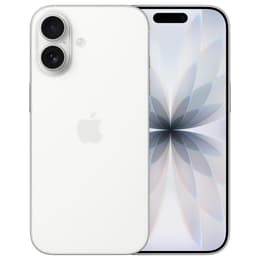
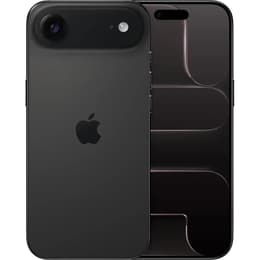
iPhone 17 vs iPhone Air
- 1-year warranty
- Free standard shipping
- Free 30-day returns
Differences at a glance
The iPhone 17 and the iPhone Air represent distinct approaches to modern smartphone design within Apple's lineup, both launching in September 2025. While the standard model focuses on versatile, everyday usability in a traditional form factor, the iPhone Air prioritizes an ultra-slim profile and lightweight handling. Both devices run on iOS and share core software features, but their hardware configurations target different user preferences. This comparison explores how their physical traits and capabilities support daily use.
Available Models
Colour
Storage
Scores
Durability
When evaluating long-term viability, both smartphones benefit from Apple's extended software support cycle, though physical design and battery wear characteristics introduce distinct differences in longevity.
- Software Support: Both models run current iOS versions natively and receive multi-year security and system updates, ensuring equal software longevity.
- Repairability and Build: The iPhone 17 features a standard structural thickness that accommodates traditional internal component replacement, whereas the ultra-thin chassis of the iPhone Air requires specialized handling for internal repairs.
- Expected Lifespan: Both devices offer strong durability through scratch-resistant glass and water resistance ratings, though the standard model's slightly larger battery capacity may experience lower cycle stress over years of heavy daily use.
Release year
2025
2025
Compatible with latest Update
Yes
Yes
Operating system
iOS
iOS
Foldable
No
No
Performance
Underneath their exteriors, the two devices handle demanding workloads differently based on their internal hardware allocation and thermal capacity within their respective chassis sizes.
- Multitasking and Responsiveness: Both models switch between demanding applications smoothly and handle resource-intensive mobile games without noticeable stutter, though the iPhone Air includes a higher RAM allocation for sustained multi-app workflows.
- Storage Configurations: Both smartphones offer generous baseline storage tiers that accommodate large photo libraries, offline media, and substantial application files without immediate management.
- Battery Behavior: The standard model accommodates a larger physical battery that easily sustains a full day of mixed usage, while the exceptionally thin profile of the iPhone Air houses a smaller power cell that may require a midday top-up during heavy travel days.
Screen quality
Display technology is a strong suit for both devices, offering vibrant visual output and smooth interaction suited for media consumption and text reading.
- Display Technology and Size: The iPhone 17 features a 6.3-inch OLED screen, while the iPhone Air provides a slightly larger 6.5-inch OLED panel, both delivering sharp text and rich contrast.
- Refresh Rate and Motion: Both displays incorporate adaptive refresh rates scaling up to 120Hz for fluid scrolling through web pages and animations.
- Outdoor Visibility: High peak brightness levels on both screens ensure clear readability under direct sunlight, supported by automatic ambient light adjustments.
Audiovisual
Camera capabilities diverge significantly between the two models, reflecting their respective design priorities regarding physical depth and lens versatility.
- Lens Configuration: The iPhone 17 utilizes a dual-lens rear camera system featuring both main and ultra-wide options, whereas the iPhone Air employs a single-lens 48-megapixel primary camera to maintain its ultra-thin profile.
- Photography Performance: Both devices capture detailed daylight photos with accurate color representation, but the standard model provides greater framing flexibility via its ultra-wide lens.
- Video and Audio Output: Both models record stable high-resolution video with clear audio capture, though the standard model features stereo speakers while the iPhone Air relies on a single speaker setup for media playback.
Front camera
18 megapixels
18 megapixels
Miscellaneous
Practical daily usability elements such as physical dimensions, connectivity standards, and biometric security shape the overall user experience of each device.
- Dimensions and Handling: The iPhone 17 has a traditional thickness of roughly 8 mm and weighs 177 grams, while the iPhone Air measures an ultra-thin 5.6 mm and weighs 165 grams, offering a remarkably featherlight feel in hand.
- Ports and Connectivity: Both devices feature universal USB-C ports and support modern 5G networks, Wi-Fi 7, and dual eSIM capabilities.
- Biometrics and Security: Both models utilize advanced facial recognition sensors housed within the display cutout for secure unlocking and authentication.
Weight
177 oz
165 oz
Screen size (in)
6.3
6.5
Network
5G
5G
SIM card
Physical SIM + eSIM
eSIM
Carrier compatibility
Unlocked
Unlocked
Connector
USB-C
USB-C
What the community thinks
User discussions and community feedback indicate that buyer satisfaction often depends on personal preferences regarding physical form factor and feature priorities. Owners of the iPhone 17 frequently praise its dependable battery longevity, versatile dual-camera system, and comfortable, balanced weight. Conversely, users drawn to the iPhone Air highlight its exceptionally slim profile and featherlight construction as major advantages for pocketability and one-handed handling, though some note the trade-off of a single rear camera and shorter battery endurance under heavy workloads.
Users prioritizing maximum battery endurance and photographic versatility will find the iPhone 17 well-suited to their daily routines. Meanwhile, travelers and minimalists prioritizing an ultra-lightweight, slim device for messaging, browsing, and media consumption may prefer the iPhone Air. For those seeking sustainable choices, exploring quality-assured refurbished options on Back Market provides an eco-friendly alternative to purchasing brand-new hardware. Both devices offer robust everyday performance, allowing consumers to choose the physical design that best complements their lifestyle.