
Google Pixel 9 Pro Fold vs iPhone 16

Google Pixel 9 Pro Fold
See options
iPhone 16
iPhone 16
Starting at

Refurbished price:A$952.00

Versus A$1,399.00 new

See options

Ratings

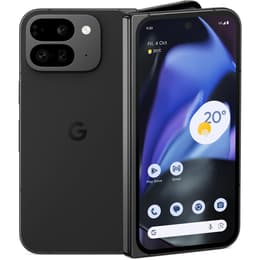
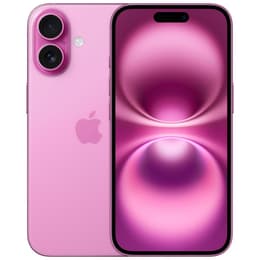
The Google Pixel 9 Pro Fold and the iPhone 16 represent distinct approaches to modern smartphone design and functionality. The Pixel 9 Pro Fold, an anticipated foldable device, offers a versatile form factor that transforms from a compact smartphone into a larger tablet-like display, running on the Android operating system. In contrast, the iPhone 16, released in late 2024, maintains the traditional slab smartphone design, powered by Apple's iOS. This comparison will explore the practical differences between these two devices, focusing on how their unique designs and underlying technologies influence daily usage.

Scores

Durability

The expected lifespan of a smartphone is influenced by its release timeline, software support, and physical resilience. The iPhone 16, launched in September 2024, benefits from Apple's established long-term software support, typically receiving major iOS updates for five to seven years and security updates for even longer. The Pixel 9 Pro Fold, as a newer generation foldable, is expected to build upon Google's improving software support for its Pixel line, though foldables generally present unique durability considerations.

  • Software Longevity: The iPhone 16 is expected to receive major iOS updates until approximately 2036, offering an extended period of access to new features and security enhancements. While Google has increased its software support commitments, the exact duration for the Pixel 9 Pro Fold will depend on its specific release and Google's policy at that time, but typically Android devices receive fewer years of major OS updates compared to iPhones.
  • Physical Durability: The iPhone 16 features a robust design with a Ceramic Shield front cover and IP68 water and dust resistance, contributing to its resilience against everyday wear and tear. Foldable devices like the Pixel 9 Pro Fold, while featuring advanced hinge mechanisms and flexible displays, inherently introduce more moving parts and a flexible screen surface that can be more susceptible to damage from impacts or debris, though Google has made strides in hinge durability.
  • Repairability: Traditional smartphone designs like the iPhone 16 generally offer more straightforward repair processes for common components. Foldable phones, due to their complex hinge mechanisms and dual-screen setup, can present greater challenges and potentially higher costs for repairs, particularly concerning the internal folding display.

Release year

2024

2024

Compatible with latest Update

Yes

Yes

Foldable

Yes

No

Performance

Performance in both devices is driven by their respective processors, influencing how smoothly applications run and how efficiently tasks are handled. The iPhone 16 and Pixel 9 Pro Fold are designed to deliver responsive experiences, but their architectural differences cater to varying user demands.

  • Processing Power: The iPhone 16 is equipped with a current-generation A-series Bionic chip, which provides efficient performance for a wide range of applications, from daily tasks to graphically intensive games. The Pixel 9 Pro Fold is anticipated to feature Google's latest Tensor G-series processor, optimized for on-device artificial intelligence and machine learning tasks, enhancing features like computational photography and voice recognition.
  • Multitasking and Responsiveness: The iPhone 16, with its optimized iOS and ample RAM (expected to be 8GB across models), handles app switching and background processes smoothly. The Pixel 9 Pro Fold, especially with its larger internal display, is designed for enhanced multitasking, potentially offering more RAM (rumored 16GB) to manage multiple applications simultaneously across its screens, making it suitable for productivity-focused users.
  • Battery Behavior: The iPhone 16 models feature battery capacities designed to provide a full day of typical use, with optimizations from the A-series chip contributing to power efficiency. The Pixel 9 Pro Fold, with its larger and dual display setup, is expected to house a substantial battery to power its expansive screen real estate, though the energy demands of a foldable display can vary significantly based on usage patterns.

Memory (GB)

16 GB

8 GB

Screen quality

The visual experience on these devices differs significantly due to their fundamental form factors, with the Pixel 9 Pro Fold offering a unique dual-screen setup compared to the iPhone 16's single, traditional display.

  • Display Technology and Clarity: The iPhone 16 features a Super Retina XDR OLED display, known for its deep blacks, vibrant colors, and high contrast, offering a sharp and clear viewing experience. The Pixel 9 Pro Fold utilizes OLED technology for both its external cover screen and its larger internal folding display, providing similar benefits in color reproduction and contrast.
  • Size and Viewing Experience: The iPhone 16 comes with a 6.1-inch display (or 6.7-inch for the Plus model), offering a familiar and comfortable viewing area for most users. The Pixel 9 Pro Fold provides a dual-screen experience: a more compact external display (rumored 6.29-inch) for quick interactions and a much larger internal folding display (rumored 8.02-inch) that offers an expansive canvas for media consumption, reading, and productivity.
  • Brightness and Smoothness: Both devices offer high brightness levels suitable for outdoor visibility, with the iPhone 16 capable of reaching high peak brightness for HDR content and outdoor use. The Pixel 9 Pro Fold's displays are expected to feature high refresh rates (typically 120Hz), ensuring smooth scrolling and fluid animations, a feature also present in the iPhone 16, particularly in its Pro models, with standard models potentially seeing an upgrade.

Resolution

2076 x 2152

1179 x 2556

Screen type

Foldable LTPO OLED

Super Retina XDR OLED

Audiovisual

Both the iPhone 16 and the Pixel 9 Pro Fold are designed to deliver high-quality photographic and videographic capabilities, leveraging advanced hardware and computational imaging techniques.

  • Camera System Configuration: The iPhone 16 features an advanced dual-camera system, typically comprising a 48-megapixel main sensor and a 12-megapixel ultrawide lens, arranged vertically. The Pixel 9 Pro Fold is expected to continue Google's tradition of strong camera performance, likely featuring a multi-lens setup that includes a high-resolution main sensor, an ultrawide lens, and a telephoto lens with optical zoom capabilities.
  • Photography Performance: The iPhone 16 excels in capturing detailed images with accurate color reproduction and strong low-light performance, benefiting from Apple's Photonic Engine and Deep Fusion technologies. The Pixel 9 Pro Fold, building on the Pixel line's reputation, is expected to offer exceptional computational photography, producing images with excellent dynamic range and detail, particularly in challenging lighting conditions, and often praised for its realistic color science.
  • Video Recording and Audio: Both devices support high-resolution video recording, typically up to 4K at 60 frames per second, with features like optical image stabilization for smooth footage. The iPhone 16 also supports spatial video capture for immersive viewing on compatible devices. Both phones are expected to provide clear audio recording and a rich media consumption experience through their speaker systems.

Main camera

48 megapixels

48 megapixels

Front camera

10 megapixels

12 megapixels

Miscellaneous

Beyond core features, several practical elements contribute to the overall user experience, from connectivity to physical design and security.

  • Connectivity and Ports: Both the iPhone 16 and the Pixel 9 Pro Fold support modern connectivity standards, including 5G for fast cellular data and advanced Wi-Fi standards (potentially Wi-Fi 7 for the iPhone 16 Pro models, and likely similar for the Pixel 9 Pro Fold). The iPhone 16 has transitioned to a USB-C port for charging and data transfer. The Pixel 9 Pro Fold also features a USB-C port.
  • Biometric Security: The iPhone 16 relies on Face ID for secure facial recognition and authentication. The Pixel 9 Pro Fold is expected to incorporate a fingerprint sensor, likely integrated into the power button, alongside facial recognition capabilities.
  • Physical Design and Handling: The iPhone 16 maintains a sleek, unibody design, with dimensions and weight optimized for single-handed use (iPhone 16: 170g, 147.6 x 71.6 x 7.8mm). The Pixel 9 Pro Fold, while offering a larger screen when unfolded, is significantly heavier (original Pixel Fold: 283g) and thicker when folded, impacting pocketability and one-handed comfort, though the Pixel Fold 2 was rumored to be slimmer.

Weight

257 oz

170 oz

Screen size (in)

8.0

6.1

Network

5G

5G

SIM card

Physical SIM + eSIM

Physical SIM + eSIM

Carrier compatibility

Unlocked

Unlocked

The choice between the Google Pixel 9 Pro Fold and the iPhone 16 ultimately depends on individual priorities and how a user intends to interact with their device. User sentiment often praises the iPhone series for its consistent performance, robust ecosystem, and long-term software support, making it a reliable choice for those seeking a straightforward and enduring smartphone experience. Criticisms sometimes point to its less customizable nature compared to Android devices.

The Pixel Fold line, on the other hand, is frequently lauded for its innovative foldable form factor, offering a unique blend of smartphone portability and tablet-like screen real estate for enhanced productivity and media consumption. Its camera system, powered by Google's computational photography, also receives consistent praise. However, concerns about the durability of foldable screens and the overall thickness and weight compared to traditional smartphones have been noted by users.

Users prioritizing a traditional, highly refined smartphone experience with extensive software longevity and a strong, established ecosystem will find the iPhone 16 well-suited to their needs. Its consistent performance and reliable camera system make it a solid choice for everyday use. Conversely, users who value a larger, more versatile display for multitasking, content creation, or immersive media consumption, and are open to the unique characteristics of a foldable device, may lean towards the Google Pixel 9 Pro Fold. Its innovative design and advanced AI features offer a distinct mobile experience.

For those considering either of these devices, exploring quality-assured refurbished options can provide an eco-friendly alternative, offering access to advanced technology while supporting sustainable consumption.

See all articles

Our recent comparisons