
Compare models

iPhone 15 Pro vs iPhone Air

  • 1-year warranty
  • Free standard shipping
  • Free 30-day returns
iPhone 15 Pro
Starting at

Refurbished price:A$863.00

Versus A$1,849.00 new

See options
iPhone Air
Starting at

Refurbished price:A$1,061.00

Versus A$1,899.00 new

See options

Differences at a glance

The iPhone 15 Pro (2023) and the iPhone Air (2025) represent two distinct approaches to smartphone design within Apple's ecosystem. While the iPhone 15 Pro focuses on a compact, feature-rich professional layout, the iPhone Air prioritizes an ultra-slim profile and modern hardware updates. Both run on iOS and deliver smooth everyday operation, though their physical dimensions and hardware capabilities cater to different user preferences.

Available Models

Colour

Storage (GB)

Scores

Durability

When evaluating longevity, both models offer solid software support frameworks, though their release dates and hardware baselines create distinct timelines for long-term usage.

    Release timeline and age: The iPhone 15 Pro launched in late 2023, while the iPhone Air arrived in late 2025, giving the newer model an advantage in remaining software support duration.
    Software longevity expectations: Both devices receive multi-year operating system updates, but the iPhone Air will extend its support window further into the future simply due to its newer release year.
    Repairability and practical lifespan: Both smartphones feature durable titanium frames and reinforced glass surfaces, maintaining high build quality that supports reliable multi-year daily use when properly maintained.

Release year

2023

2025

Compatible with latest Update

Yes

Yes

Operating system

iOS

iOS

Foldable

No

No

Performance

Under everyday conditions, both devices handle demanding apps, multitasking, and system navigation smoothly, though they differ in thermal dynamics and configuration options.

    Storage and memory configurations: The iPhone 15 Pro starts with lower base storage options, whereas the iPhone Air provides higher baseline storage capacities alongside a generous amount of memory for heavy multitasking.
    Battery behavior in typical use: The iPhone 15 Pro manages a full day of mixed use reliably, while the ultra-thin design of the iPhone Air houses a smaller battery capacity that requires more frequent charging for power users.
    System responsiveness: Both models load applications instantly and execute background tasks efficiently, ensuring fluid operation whether browsing, streaming, or switching between productivity tools.

Screen quality

Both smartphones feature high-resolution organic light-emitting diode displays with adaptive refresh rates, delivering sharp text, deep blacks, and fluid scrolling.

    Display technology and size: The iPhone 15 Pro utilizes a compact 6.1-inch screen suited for single-handed use, while the iPhone Air offers a larger 6.5-inch viewing area for enhanced media consumption.
    Brightness and outdoor visibility: The iPhone Air reaches a higher peak outdoor brightness level compared to the iPhone 15 Pro, making on-screen content easier to read under direct sunlight.
    Refresh rate and smoothness: Both displays scale their refresh rates dynamically up to 120Hz, ensuring smooth animations during scrolling and responsive feedback during touch interactions.

Resolution

1179 x 2556

2736x1260

Screen type

LTPO Super Retina XDR OLED

Super Retina XDR

Audiovisual

Camera capabilities differ significantly between the two models based on lens versatility and physical configuration.

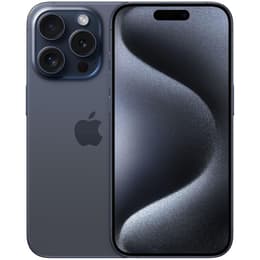
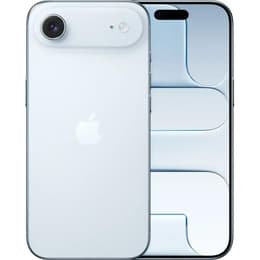
    Camera system capabilities: The iPhone 15 Pro features a versatile triple-lens array including a telephoto lens for optical zoom, whereas the iPhone Air streamlines photography with a single high-resolution main lens.
    Everyday and low-light photography: Both devices capture crisp details and vibrant colors in standard lighting, and process low-light scenes effectively using advanced computational photography features.
    Media and audio recording: Both models record high-resolution video with stabilization and clear audio capture, though users looking for specialized optical zoom lengths will find the multi-lens setup of the iPhone 15 Pro more adaptable.

Main camera

48 megapixels

48 megapixels

Front camera

12 megapixels

18 megapixels

Miscellaneous

Physical dimensions and connectivity standards define the practical handling characteristics of each device.

    Dimensions and handling: The iPhone Air emphasizes a remarkably thin and lightweight profile at 5.6 millimeters thick, whereas the iPhone 15 Pro adopts a thicker, more traditional footprint with a contoured titanium build.
    Port types and connectivity: Both devices utilize a USB-C port for charging and data transfer, support modern Wi-Fi networks, and rely entirely on digital eSIM technology for cellular connectivity.
    Biometric security: Both smartphones use advanced facial recognition sensors securely housed within the display area for authentication and secure payments.

Weight

187 oz

165 oz

Screen size (in)

6.1

6.5

Network

5G

5G

SIM card

Physical SIM + eSIM

eSIM

Carrier compatibility

Unlocked

Unlocked

Connector

USB-C (USB 3)

USB-C

What the community thinks

User feedback from online communities highlights distinct viewpoints on both devices. Owners of the iPhone 15 Pro frequently praise its compact ergonomics and versatile multi-lens camera system, while noting that its battery capacity shows wear over extended years of heavy use. Conversely, users of the iPhone Air highlight its striking lightweight feel and vibrant display as standout daily qualities, though some express reservations regarding the single-lens camera limitation and shorter battery endurance.

Users who prioritize a lightweight, ultra-thin device with a larger viewing area will find the iPhone Air well-suited to their needs, while users who value optical zoom flexibility and a compact form factor may lean toward the iPhone 15 Pro. For those seeking an eco-friendly alternative, choosing a quality-assured refurbished option provides a sustainable way to access these advanced features without purchasing brand-new hardware. Ultimately, the choice depends on whether physical slimness or camera versatility takes precedence in everyday use.