
Compare models
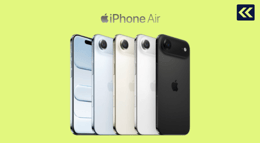
iPhone 16 Pro vs iPhone Air
- 1-year warranty
- Free standard shipping
- Free 30-day returns
Differences at a glance
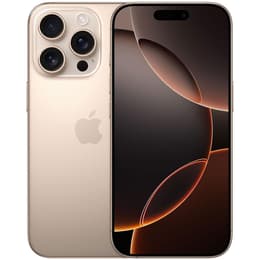
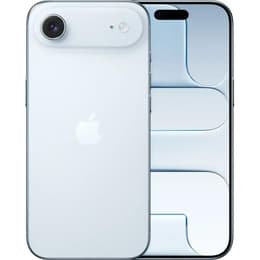
The iPhone 16 Pro (2024) and the iPhone Air (2025) represent two distinct approaches to modern smartphone engineering from Apple. While the iPhone 16 Pro focuses on a comprehensive multi-lens camera system and robust thermal capabilities, the iPhone Air prioritizes an ultra-slim profile and reduced weight. Both smartphones run on iOS and offer modern software integration, yet they target different user priorities through their physical build and hardware layouts.
Available Models
Colour
Storage (GB)
Scores
Durability
Both devices benefit from Apple's long-term software support cycles, ensuring years of regular operating system updates and security patches. However, their physical designs and release years introduce different practical considerations for long-term usage.
- Release timeline: The iPhone 16 Pro launched in late 2024, whereas the iPhone Air arrived in late 2025, giving the Air a one-year advantage in its overall hardware lifecycle.
- Repairability and durability: Both models utilize titanium frames and durable front glass protection, though the exceptionally thin chassis of the iPhone Air requires careful handling compared to the slightly thicker frame of the Pro model.
- Software longevity: Both phones receive regular iOS updates simultaneously, meaning their functional software lifespan remains comparable despite their staggered release dates.
Release year
2024
2025
Compatible with latest Update
Yes
Yes
Foldable
No
No
Performance
Handling everyday applications, demanding games, and multitasking is smooth on both devices, though they manage internal resources differently based on their physical dimensions.
- Multitasking and system responsiveness: Both devices switch between intensive background tasks and demanding applications without noticeable lag, supported by ample memory configurations.
- Storage options: Both models offer spacious internal storage tiers starting at generous capacities, accommodating large photo libraries and offline media collections.
- Battery behavior: The iPhone 16 Pro accommodates a larger battery capacity that reliably sustains heavy daily use, while the streamlined profile of the iPhone Air results in a smaller power reservoir that may require more frequent recharging during heavy workloads.
Screen quality
Visual output is sharp and vibrant on both models, utilizing advanced organic light-emitting diode technology to deliver deep contrast levels and rich color reproduction.
- Display size and immersion: The iPhone 16 Pro features a compact 6.3-inch screen suited for single-handed use, while the iPhone Air offers a larger 6.5-inch viewing area for enhanced media consumption.
- Outdoor visibility: Both screens reach high peak brightness levels in direct sunlight, ensuring content remains legible outdoors.
- Smooth motion handling: High refresh rate technology is integrated into both displays, providing fluid scrolling through web pages and responsive touch tracking during navigation.
Resolution
1206 x 2622
2736x1260
Screen type
LTPO Super Retina XDR OLED
Super Retina XDR
Audiovisual
Camera capabilities represent one of the primary distinctions between these two devices, catering to different photography preferences.
- Rear camera versatility: The iPhone 16 Pro features a triple-lens system including dedicated ultra-wide and telephoto options for flexible framing, whereas the iPhone Air utilizes a streamlined single main camera setup.
- Video and low-light performance: The Pro model excels in challenging lighting conditions and specialized video recording formats, while the iPhone Air captures clear everyday snapshots and high-definition video suitable for general sharing.
- Audio and media output: Both models include balanced stereo speaker systems and clear microphone arrays that deliver crisp call quality and immersive sound during video playback.
Main camera
48 megapixels
48 megapixels
Front camera
12 megapixels
18 megapixels
Miscellaneous
Practical daily usability is shaped by physical dimensions, connection standards, and security features built into each chassis.
- Handling and ergonomics: The iPhone Air stands out for its remarkably thin and lightweight profile, making it comfortable to carry, whereas the iPhone 16 Pro has a slightly heavier build that accommodates extra internal hardware.
- Connectivity and ports: Both smartphones support fast wireless standards and utilize standard universal charging ports for reliable wired data transfer and power delivery.
- Authentication: Secure facial recognition sensors are housed within the display cutout on both models for quick unlocking and authorized payments.
Weight
199 oz
165 oz
Screen size (in)
6.3
6.5
Network
5G
5G
SIM card
eSIM
eSIM
Carrier compatibility
Unlocked
Unlocked
Connector
USB-C (USB 3)
USB-C
What the community thinks
Choosing between these two smartphones depends heavily on personal preferences regarding physical form and hardware capabilities. Users prioritizing multi-lens photography, advanced zoom flexibility, and extended battery endurance often lean toward the iPhone 16 Pro. Conversely, users who value a featherlight feel, a thinner pocket profile, and a larger viewing area frequently find the iPhone Air better suited to their daily routine. For consumers seeking a sustainable choice, a quality-assured refurbished option provides a reliable way to acquire these devices while minimizing environmental impact.