'%3e%3cpath%20fill='%2310338c'%20d='M0%200h40v26.67H0V0'/%3e%3cpath%20fill='%23fff'%20d='m9.899%2016.971.856%201.828%201.922-.455-.856%201.82%201.549%201.261-1.93.447.008%202.028-1.55-1.27-1.54%201.27.008-2.028-1.93-.447%201.548-1.26-.863-1.82%201.93.454.848-1.828m20.226%203.552.404.87.919-.215-.413.87.74.599-.919.207v.974l-.732-.607-.739.607.008-.974-.918-.207.739-.599-.412-.87.918.215.405-.87M25.097%209.986l.405.87.918-.215-.412.87.74.599-.92.215v.966l-.73-.607-.74.607.008-.966-.926-.215.739-.599-.412-.87.918.215.412-.87m5.028-7.2.404.87.919-.215-.413.87.74.598-.919.216V6.09l-.732-.607-.739.607.008-.966-.918-.216.739-.598-.412-.87.918.215.405-.87m4.552%205.245.405.87L36%208.685l-.413.87.74.599-.918.207v.974l-.732-.606-.74.606v-.974l-.918-.207.74-.599-.413-.87.919.216.412-.87m-2.91%205.26.319%201.014h1.035l-.84.623.326%201.013-.84-.63-.84.63.318-1.014-.833-.622h1.036l.319-1.014M19.922%200v2.443l-3.51%202.003h3.51V9.18h-4.599l4.6%202.618v1.828h-2.079l-5.72-3.264v3.264H7.799v-3.88l-6.802%203.88H0v-2.442L3.518%209.18H0V4.446h4.6L0%201.82V0h2.078l5.72%203.257V0h4.326v3.88L18.935%200h.988'/%3e%3cpath%20fill='%23d80027'%20d='M11.206%200h-2.49v5.532H0v2.554h8.716v5.54h2.49v-5.54h8.716V5.532h-8.716V0'/%3e%3cpath%20fill='%230052b4'%20d='m12.125%209.18%207.797%204.446v-1.26L14.335%209.18h-2.21'/%3e%3cpath%20fill='%23fff'%20d='m12.125%209.18%207.797%204.446v-1.26L14.335%209.18h-2.21'/%3e%3cpath%20fill='%23d80027'%20d='m12.125%209.18%207.797%204.446v-1.26L14.335%209.18h-2.21m-6.53%200L0%2012.365v1.261L7.798%209.18H5.595'/%3e%3cpath%20fill='%230052b4'%20d='M7.798%204.446%200%200v1.253l5.595%203.193h2.203'/%3e%3cpath%20fill='%23fff'%20d='M7.798%204.446%200%200v1.253l5.595%203.193h2.203'/%3e%3cpath%20fill='%23d80027'%20d='M7.798%204.446%200%200v1.253l5.595%203.193h2.203m6.537%200%205.587-3.193V0l-7.798%204.446h2.21'/%3e%3c/g%3e%3cdefs%3e%3cclipPath%20id='country-flag-au-a'%3e%3cpath%20fill='%23fff'%20d='M0%200h40v26.67H0z'/%3e%3c/clipPath%3e%3c/defs%3e%3c/svg%3e)
'%3e%3cpath%20fill='%23f0f0f0'%20d='M40%200H0v26.666h40V0'/%3e%3cpath%20fill='%23d80027'%20d='M40%200H0v8.889h40V0m0%2017.778H0v8.888h40v-8.888'/%3e%3c/g%3e%3cdefs%3e%3cclipPath%20id='country-flag-at-a'%3e%3cpath%20fill='%23fff'%20d='M0%200h40v26.67H0z'/%3e%3c/clipPath%3e%3c/defs%3e%3c/svg%3e)
'%3e%3cpath%20fill='%23ffda44'%20d='M40%200H0v26.67h40V0'/%3e%3cpath%20fill='%23000'%20d='M13.333%200H0v26.67h13.333V0'/%3e%3cpath%20fill='%23d80027'%20d='M40%200H26.667v26.67H40V0'/%3e%3c/g%3e%3cdefs%3e%3cclipPath%20id='country-flag-be-a'%3e%3cpath%20fill='%23fff'%20d='M0%200h40v26.67H0z'/%3e%3c/clipPath%3e%3c/defs%3e%3c/svg%3e)
'%3e%3cpath%20fill='%23000'%20d='M40%200H0v8.89h40V0'/%3e%3cpath%20fill='%23d80027'%20d='M40%208.89H0v8.89h40V8.89'/%3e%3cpath%20fill='%23ffda44'%20d='M40%2017.78H0v8.89h40v-8.89'/%3e%3c/g%3e%3cdefs%3e%3cclipPath%20id='country-flag-de-a'%3e%3cpath%20fill='%23fff'%20d='M0%200h40v26.67H0z'/%3e%3c/clipPath%3e%3c/defs%3e%3c/svg%3e)
'%3e%3cpath%20fill='%23ffda44'%20d='M40%200H0v26.667h40V0'/%3e%3cpath%20fill='%23d80027'%20d='M40%200H0v8.889h40V0m0%2017.777H0v8.89h40v-8.89'/%3e%3c/g%3e%3cdefs%3e%3cclipPath%20id='country-flag-es-a'%3e%3cpath%20fill='%23fff'%20d='M0%200h40v26.67H0z'/%3e%3c/clipPath%3e%3c/defs%3e%3c/svg%3e)
'%3e%3cpath%20fill='%23f0f0f0'%20d='M40%200H0v26.667h40V0'/%3e%3cpath%20fill='%232e52b2'%20d='M40%2011.667V15H14.348v11.667h-3.334V15H0v-3.333h11.014V0h3.334v11.667H40'/%3e%3c/g%3e%3cdefs%3e%3cclipPath%20id='country-flag-fi-a'%3e%3cpath%20fill='%23fff'%20d='M0%200h40v26.67H0z'/%3e%3c/clipPath%3e%3c/defs%3e%3c/svg%3e)
'%3e%3cpath%20fill='%23f0f0f0'%20d='M40%200H0v26.667h40V0'/%3e%3cpath%20fill='%230052b4'%20d='M13.333%200H0v26.667h13.333V0'/%3e%3cpath%20fill='%23d80027'%20d='M40%200H26.667v26.667H40V0'/%3e%3c/g%3e%3cdefs%3e%3cclipPath%20id='country-flag-fr-a'%3e%3cpath%20fill='%23fff'%20d='M0%200h40v26.67H0z'/%3e%3c/clipPath%3e%3c/defs%3e%3c/svg%3e)
'%3e%3cpath%20fill='%23f0f0f0'%20d='M40%200H0v26.667h40V0'/%3e%3cpath%20fill='%23d80027'%20d='M22.5%200h-5v10.833H0v5h17.5v10.833h5V15.833H40v-5H22.5V0'/%3e%3cpath%20fill='%230052b4'%20d='M30.765%2017.97%2040%2023.102v-5.13h-9.235m-6.417-.002L40%2026.667v-2.459l-11.226-6.236h-4.426m11.482%208.694-11.482-6.38v6.38H35.83'/%3e%3cpath%20fill='%23f0f0f0'%20d='M24.348%2017.97%2040%2026.667v-2.459l-11.226-6.236h-4.426'/%3e%3cpath%20fill='%23d80027'%20d='M24.348%2017.97%2040%2026.667v-2.459l-11.226-6.236h-4.426'/%3e%3cpath%20fill='%230052b4'%20d='M7.058%2017.97%200%2021.891v-3.92h7.058m8.594%201.105v7.59H1.992l13.66-7.59'/%3e%3cpath%20fill='%23d80027'%20d='M11.226%2017.97%200%2024.208v2.46l15.652-8.696h-4.426'/%3e%3cpath%20fill='%230052b4'%20d='M9.235%208.696%200%203.565v5.13h9.235m6.417.001L0%200v2.459l11.226%206.237h4.426M4.17%200l11.482%206.38V0H4.17'/%3e%3cpath%20fill='%23f0f0f0'%20d='M15.652%208.696%200%200v2.459l11.226%206.237h4.426'/%3e%3cpath%20fill='%23d80027'%20d='M15.652%208.696%200%200v2.459l11.226%206.237h4.426'/%3e%3cpath%20fill='%230052b4'%20d='M32.942%208.696%2040%204.774v3.922h-7.058M24.348%207.59V0h13.66l-13.66%207.59'/%3e%3cpath%20fill='%23d80027'%20d='M28.774%208.696%2040%202.459V0L24.348%208.696h4.426'/%3e%3c/g%3e%3cdefs%3e%3cclipPath%20id='country-flag-gb-a'%3e%3cpath%20fill='%23fff'%20d='M0%200h40v26.67H0z'/%3e%3c/clipPath%3e%3c/defs%3e%3c/svg%3e)
'%3e%3cpath%20fill='%23f0f0f0'%20d='M40%200H0v26.666h40V0'/%3e%3cpath%20fill='%23338af3'%20d='M40%200H0v3.333h40V0m0%206.667H0V10h40V6.667m0%206.667H0v3.333h40v-3.334M40%2020H0v3.333h40V20'/%3e%3cpath%20fill='%23338af3'%20d='M14.782%200H0v13.334h14.782V0'/%3e%3cpath%20fill='%23f0f0f0'%20d='M14.782%205.186H0v2.962h14.782V5.186'/%3e%3cpath%20fill='%23f0f0f0'%20d='M8.872%200H5.91v13.334h2.962V0'/%3e%3c/g%3e%3cdefs%3e%3cclipPath%20id='country-flag-gr-a'%3e%3cpath%20fill='%23fff'%20d='M0%200h40v26.67H0z'/%3e%3c/clipPath%3e%3c/defs%3e%3c/svg%3e)
'%3e%3cpath%20fill='%23f0f0f0'%20d='M40%200H0v26.666h40V0'/%3e%3cpath%20fill='%236da544'%20d='M13.333%200H0v26.667h13.333V0'/%3e%3cpath%20fill='%23ff9811'%20d='M40%200H26.667v26.667H40V0'/%3e%3c/g%3e%3cdefs%3e%3cclipPath%20id='country-flag-ie-a'%3e%3cpath%20fill='%23fff'%20d='M0%200h40v26.67H0z'/%3e%3c/clipPath%3e%3c/defs%3e%3c/svg%3e)
'%3e%3cpath%20fill='%23f0f0f0'%20d='M26.667%200H0v26.667h40V0H26.667'/%3e%3cpath%20fill='%236da544'%20d='M13.333%200H0v26.667h13.333V0'/%3e%3cpath%20fill='%23d80027'%20d='M40%200H26.667v26.667H40V0'/%3e%3c/g%3e%3cdefs%3e%3cclipPath%20id='country-flag-it-a'%3e%3cpath%20fill='%23fff'%20d='M0%200h40v26.67H0z'/%3e%3c/clipPath%3e%3c/defs%3e%3c/svg%3e)
'%3e%3cpath%20fill='%23f0f0f0'%20fill-rule='evenodd'%20d='M0%20.86h40v26.67H0V.86'%20clip-rule='evenodd'/%3e%3cpath%20fill='%23d80027'%20d='M20%2021.835a8.5%208.5%200%201%200%200-17%208.5%208.5%200%200%200%200%2017'/%3e%3c/g%3e%3cdefs%3e%3cclipPath%20id='country-flag-jp-a'%3e%3cpath%20fill='%23fff'%20d='M0%200h40v26.67H0z'/%3e%3c/clipPath%3e%3c/defs%3e%3c/svg%3e)
'%3e%3cpath%20fill='%23a2001d'%20d='M40%200H0v8.89h40V0'/%3e%3cpath%20fill='%23f0f0f0'%20d='M40%208.89H0v8.89h40V8.89'/%3e%3cpath%20fill='%230052b4'%20d='M40%2017.78H0v8.89h40v-8.89'/%3e%3c/g%3e%3cdefs%3e%3cclipPath%20id='country-flag-nl-a'%3e%3cpath%20fill='%23fff'%20d='M0%200h40v26.67H0z'/%3e%3c/clipPath%3e%3c/defs%3e%3c/svg%3e)
'%3e%3cpath%20fill='%23d80027'%20d='M40%200H0v26.666h40V0'/%3e%3cpath%20fill='%236da544'%20d='M15.363%200v26.666H0V0h15.363'/%3e%3cpath%20fill='%23ffda44'%20d='M15.363%2018.335a5%205%200%201%200%200-10%205%205%200%200%200%200%2010'/%3e%3cpath%20fill='%23d80027'%20d='M12.55%2010.835v3.125a2.813%202.813%200%200%200%205.625%200v-3.125H12.55'/%3e%3cpath%20fill='%23f0f0f0'%20d='M15.362%2014.898a.94.94%200%200%201-.937-.938v-1.25H16.3v1.25a.94.94%200%200%201-.938.938'/%3e%3c/g%3e%3cdefs%3e%3cclipPath%20id='country-flag-pt-a'%3e%3cpath%20fill='%23fff'%20d='M0%200h40v26.67H0z'/%3e%3c/clipPath%3e%3c/defs%3e%3c/svg%3e)
'%3e%3cpath%20fill='%230052b4'%20d='M40%200H0v26.667h40V0'/%3e%3cpath%20fill='%23ffda44'%20d='M15%200h-5v10.833H0v5h10v10.834h5V15.833h25v-5H15V0'/%3e%3c/g%3e%3cdefs%3e%3cclipPath%20id='country-flag-se-a'%3e%3cpath%20fill='%23fff'%20d='M0%200h40v26.67H0z'/%3e%3c/clipPath%3e%3c/defs%3e%3c/svg%3e)
'%3e%3cpath%20fill='%23f0f0f0'%20d='M40%200H0v26.666h40V0'/%3e%3cpath%20fill='%230052b4'%20d='M40%208.696H0v9.275h40V8.696'/%3e%3cpath%20fill='%23d80027'%20d='M40%2017.97H0v8.696h40v-8.695'/%3e%3cpath%20fill='%23f0f0f0'%20d='M10.115%207.538v6.651c0%203.784%204.942%204.943%204.942%204.943S20%2017.972%2020%2014.189V7.538h-9.885'/%3e%3cpath%20fill='%23d80027'%20d='M11.416%207.733v6.402a2.7%202.7%200%200%200%20.283%201.21h6.717a2.7%202.7%200%200%200%20.283-1.21V7.733h-7.283'/%3e%3cpath%20fill='%23f0f0f0'%20d='M17.29%2012.196h-1.675v-1.115h1.116V9.965h-1.116V8.849H14.5v1.116h-1.115v1.116H14.5v1.115h-1.673v1.116H14.5v1.116h1.116v-1.116h1.674v-1.116'/%3e%3cpath%20fill='%230052b4'%20d='M13.221%2016.902a8%208%200%200%200%201.836.83%208%208%200%200%200%201.836-.83q1.09-.685%201.523-1.558a1.94%201.94%200%200%200-1.57-.306%201.953%201.953%200%200%200-3.576%200%201.96%201.96%200%200%200-1.57.306q.433.872%201.521%201.558'/%3e%3c/g%3e%3cdefs%3e%3cclipPath%20id='country-flag-sk-a'%3e%3cpath%20fill='%23fff'%20d='M0%200h40v26.67H0z'/%3e%3c/clipPath%3e%3c/defs%3e%3c/svg%3e)
'%3e%3cpath%20fill='%23f0f0f0'%20d='M40%200H0v26.667h40V0'/%3e%3cpath%20fill='%23d80027'%20d='M40%2024.5v2.1H0v-2.1h40m0-2.15H0v-2.1h40v2.1m0-4H0v-2.1h40v2.1m0-4H0v-2.1h40v2.1m0-4.25H0V8h40v2.1m0-4H0V4h40v2.1m0-4H0V0h40v2.1'/%3e%3cpath%20fill='%232e52b2'%20d='M20%200H0v14.36h20V0'/%3e%3cpath%20fill='%23f0f0f0'%20d='M1.927%2012.964H2.5l-.464.337.178.545L1.75%2013.51l-.464.336.178-.545L1%2012.964h.573L1.75%2012.42l.177.545m3.172%200h.573l-.464.337.177.545-.463-.336-.464.336.178-.545-.464-.337h.573l.177-.545.177.545m3.172%200h.573L8.38%2013.301l.177.545-.463-.336-.464.336.177-.545-.463-.337h.572l.178-.545.177.545m3.171%200h.574l-.464.337.177.545-.463-.336-.464.336.177-.545-.463-.337h.572l.178-.545.176.545m3.485%200H15.5l-.464.337.178.545-.464-.336-.464.336.178-.545L14%2012.964h.573l.177-.545.177.545m3.5%200H19l-.464.337.178.545-.464-.336-.464.336.178-.545-.464-.337h.573l.177-.545.177.545m-15-1.406H4l-.464.337.178.545-.464-.337-.464.337.178-.545L2.5%2011.558h.573l.177-.545.177.545m3.172%200h.573l-.464.337.177.545-.463-.337-.464.337.178-.545-.464-.337h.573l.177-.545.177.545m3.172%200h.573L9.88%2011.895l.177.545-.463-.337L9.13%2012.44l.177-.545-.463-.337h.572l.178-.545.177.545m3.171%200h.574l-.464.337.177.545-.463-.337-.464.337.177-.545-.463-.337h.572l.178-.545.176.545m3.485%200H17l-.464.337.178.545-.464-.337-.464.337.178-.545-.464-.337h.573l.177-.545.177.545m-14.5-1.57H2.5l-.464.337.178.545-.464-.337-.464.337.178-.545L1%209.988h.573L1.75%209.443l.177.545m3.172%200h.573l-.464.337.177.545-.463-.337-.464.337.178-.545-.464-.337h.573l.177-.545.177.545m3.172%200h.573L8.38%2010.325l.177.545-.463-.337L7.63%2010.87l.177-.545-.463-.337h.572l.178-.545.177.545m3.171%200h.574l-.464.337.177.545-.463-.337-.464.337.177-.545-.463-.337h.572l.178-.545.176.545m3.485%200H15.5l-.464.337.178.545-.464-.337-.464.337.178-.545L14%209.988h.573l.177-.545.177.545m3.5%200H19l-.464.337.178.545-.464-.337-.464.337.178-.545L17.5%209.988h.573l.177-.545.177.545m-15-1.43H4L3.536%208.895%203.714%209.44%203.25%209.103%202.786%209.44l.178-.545L2.5%208.558h.573L3.25%208.013l.177.545m3.172%200h.573L6.708%208.895%206.885%209.44%206.422%209.103%205.958%209.44l.178-.545-.464-.337h.573l.177-.545.177.545m3.172%200h.573L9.88%208.895l.177.545-.463-.337L9.13%209.44l.177-.545-.463-.337h.572l.178-.545.177.545m3.171%200h.574l-.464.337.177.545-.463-.337-.464.337.177-.545-.463-.337h.572l.178-.545.176.545m3.485%200H17l-.464.337.178.545-.464-.337-.464.337.178-.545L15.5%208.558h.573l.177-.545.177.545m-14.5-1.547H2.5L2.036%207.348l.178.545L1.75%207.556%201.286%207.893l.178-.545L1%207.011h.573L1.75%206.466l.177.545m3.172%200h.573L5.208%207.348l.177.545-.463-.337-.464.337.178-.545-.464-.337h.573l.177-.545.177.545m3.172%200h.573L8.38%207.348l.177.545-.463-.337L7.63%207.893l.177-.545-.463-.337h.572l.178-.545.177.545m3.171%200h.574l-.464.337.177.545-.463-.337-.464.337.177-.545-.463-.337h.572l.178-.545.176.545m3.485%200H15.5l-.464.337.178.545-.464-.337-.464.337.178-.545L14%207.011h.573l.177-.545.177.545m3.5%200H19l-.464.337.178.545-.464-.337-.464.337.178-.545L17.5%207.011h.573l.177-.545.177.545m-15-1.453H4L3.536%205.895%203.714%206.44%203.25%206.103%202.786%206.44l.178-.545L2.5%205.558h.573L3.25%205.013l.177.545m3.172%200h.573L6.708%205.895%206.885%206.44%206.422%206.103%205.958%206.44l.178-.545-.464-.337h.573l.177-.545.177.545m3.172%200h.573L9.88%205.895l.177.545-.463-.337L9.13%206.44l.177-.545-.463-.337h.572l.178-.545.177.545m3.171%200h.574l-.464.337.177.545-.463-.337-.464.337.177-.545-.463-.337h.572l.178-.545.176.545m3.485%200H17l-.464.337.178.545-.464-.337-.464.337.178-.545L15.5%205.558h.573l.177-.545.177.545m-14.5-1.523H2.5L2.036%204.37l.178.545L1.75%204.58%201.286%204.916l.178-.545L1%204.035h.573L1.75%203.49l.177.545m3.172%200h.573L5.208%204.37l.177.545L4.922%204.58%204.458%204.916l.178-.545-.464-.336h.573L4.922%203.49l.177.545m3.172%200h.573L8.38%204.37l.177.545L8.094%204.58%207.63%204.916l.177-.545-.463-.336h.572L8.094%203.49%208.27%204.035m3.171%200h.574L11.552%204.37l.177.545-.463-.337-.464.337.177-.545-.463-.336h.572l.178-.545.176.545m3.485%200H15.5L15.036%204.37l.178.545L14.75%204.58l-.464.337.178-.545L14%204.035h.573L14.75%203.49l.177.545m3.5%200H19L18.536%204.37l.178.545L18.25%204.58l-.464.337.178-.545L17.5%204.035h.573L18.25%203.49l.177.545m-15-1.477H4L3.536%202.895%203.714%203.44%203.25%203.103%202.786%203.44l.178-.545L2.5%202.558h.573L3.25%202.013l.177.545m3.172%200h.573L6.708%202.895%206.885%203.44%206.422%203.103%205.958%203.44l.178-.545-.464-.337h.573l.177-.545.177.545m3.172%200h.573L9.88%202.895l.177.545-.463-.337L9.13%203.44l.177-.545-.463-.337h.572l.178-.545.177.545m3.171%200h.574l-.464.337.177.545-.463-.337-.464.337.177-.545-.463-.337h.572l.178-.545.176.545m3.485%200H17l-.464.337.178.545-.464-.337-.464.337.178-.545L15.5%202.558h.573l.177-.545.177.545m-14.5-1.5H2.5L2.036%201.395%202.214%201.94%201.75%201.603%201.286%201.94l.178-.545L1%201.058h.573L1.75.513l.177.545m3.172%200h.573L5.208%201.395%205.385%201.94%204.922%201.603%204.458%201.94l.178-.545-.464-.337h.573l.177-.545.177.545m3.172%200h.573L8.38%201.395%208.557%201.94%208.094%201.603%207.63%201.94l.177-.545-.463-.337h.572l.178-.545.177.545m3.171%200h.574l-.464.337.177.545-.463-.337-.464.337.177-.545-.463-.337h.572l.178-.545.176.545m3.485%200H15.5l-.464.337.178.545-.464-.337-.464.337.178-.545L14%201.058h.573l.177-.545.177.545m3.5%200H19l-.464.337.178.545-.464-.337-.464.337.178-.545L17.5%201.058h.573l.177-.545.177.545'/%3e%3c/g%3e%3cdefs%3e%3cclipPath%20id='country-flag-us-a'%3e%3cpath%20fill='%23fff'%20d='M0%200h40v26.67H0z'/%3e%3c/clipPath%3e%3c/defs%3e%3c/svg%3e)


The iPhone Air is the newest addition to the 2025 iPhone 17 series. Compared to previous iPhone models, it's significantly thinner, and despite its large 6.5-inch display, it weighs just 165 grams. If you're after a big-screen iPhone that's genuinely easy to hold and carry, the Air is hard to beat. That said, it does make some trade-offs: it uses a single rear camera, and there are limitations in speaker performance and battery capacity that are worth understanding before you buy. Here's an honest breakdown.
Refurbished price:A$1,089.00
Versus A$1,499.00 new
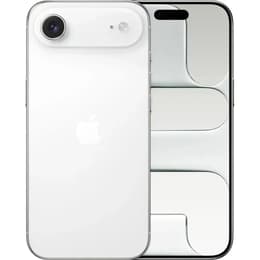
The iPhone Air replaces the Plus model in the iPhone 17 series
Since the iPhone 14 series, the larger affordable model has been the 6.7-inch Plus. With the iPhone 17 series, Apple retired the Plus and introduced the iPhone Air in its place. The Plus was always seen as a middle-ground model that lacked a clear identity compared to the standard and Pro models, which contributed to its lukewarm reception and ultimately its replacement.
Note: Apple officially markets this model as "iPhone Air," not "iPhone 17 Air," and we use the same naming throughout this article.
iPhone Air release dates
The iPhone Air followed Apple's usual annual release schedule, with the announcement coming in early September as expected.
Announcement date: 10 September 2025 at 2:00 AM AEST
Pre-order date: 12 September 2025
Release date: 19 September 2025
At the same event, Apple also unveiled several other new products, including AirPods Pro (3rd generation), Apple Watch Series 11, Apple Watch Ultra 3, and Apple Watch SE 3.
What changed from the iPhone 16 Plus to the iPhone Air?
The iPhone Air is genuinely unlike any previous iPhone. It prioritises an incredibly thin and light build in a large-screen form factor. While it effectively fills the same position as the iPhone 16 Plus in the line-up, the two models are quite different in design and specs, as the table below shows.
iPhone 16 Plus | iPhone Air | |
Screen size | 6.7 inches | 6.5 inches |
Processor | A18 | A19 Pro |
Weight | 199g | 165g |
Thickness | 7.8mm | 5.64mm |
Battery (video playback) | Up to 27 hours | Up to 27 hours |
Apple Store price | From A$1,549 (launch price) | From A$1,799 |
Pros | High-performance dual camera, strong battery life, stereo speakers | Lightweight and easy to use, powerful A19 Pro chip, up to 120Hz refresh rate |
Cons | Up to 60Hz refresh rate, heavier build | Smaller physical battery, no ultra-wide camera, mono speaker, more expensive than iPhone 16 Plus |
The iPhone Air earns genuine praise for its handling and design. Despite the larger display, it's remarkably comfortable to hold and carry thanks to the slim profile and weight reduction. It also packs the A19 Pro chip, the same processor found in the iPhone 17 Pro, which is a significant upgrade over the A18 in the iPhone 16 Plus. And unlike the standard and Plus models of previous generations, the Air supports ProMotion with up to 120Hz adaptive refresh rate.
If looks and feel matter more to you than camera versatility or battery size, the iPhone Air is genuinely compelling. And if you'd rather not pay the full retail price, refurbished iPhone Air models are available on Back Market at a lower price than new, with the same quality guarantee.
While Apple Store and major retailers occasionally run limited-time sales or promotions, Back Market's refurbished pricing means you can save any time. Students and educators can also take advantage of Back Market's A$20 discount on any purchase, which is a handy extra saving on an already competitive price.
Refurbished price:A$1,089.00
Versus A$1,499.00 new
Is the iPhone Air unpopular? An honest look at the drawbacks
Compared to the iPhone 17, iPhone 17 Pro, and iPhone 17 Pro Max, the iPhone Air has received a noticeably cooler reception from consumers. Honest reviews from buyers point to genuine disappointment, with some users reporting regret after purchasing.
iPhone Air production orders were cut almost immediately after launch
According to reports from international media, demand for the iPhone Air has been remarkably low. Apple has been directing production capacity toward other iPhone 17 models instead. Production orders for the iPhone Air were reportedly cut very shortly after its release, pointing to sluggish sales.
Source: Apple slashes iPhone Air production after survey shows virtually no demand
This echoes what happened with the iPhone mini series (released 2020 to 2021), which also struggled globally and was quietly discontinued after the iPhone 13 mini. Models that sit outside the standard and Pro/Pro Max line-up have historically found it harder to justify their place in the range, and with a higher price than the standard model, it can be difficult for many buyers to find a compelling reason to choose them.
Foldable phones like the Samsung Galaxy Z series offer a stronger pitch for "slim and light"
The thin smartphone category is increasingly crowded, with foldable devices from Samsung, OPPO, Motorola, and other brands gaining ground. The Samsung Galaxy Z series in particular has become a benchmark in this space, and many buyers find it a more compelling option than the iPhone Air for a few reasons:
Flip-style foldables are compact and lightweight when folded, offering a genuinely pocketable form factor
Fold-style devices open into a near-tablet screen that's excellent for streaming and gaming
Both styles can be used easily even when closed
Foldables cater to a growing set of use cases including selfies and gaming, and the novelty and practicality of the form factor is drawing users who might otherwise have considered a thin slab like the iPhone Air.
Compared to the rest of the iPhone 17 series, the specs fall short
When you look at the iPhone Air alongside the other iPhone 17 models, the spec trade-offs stand out. Here's an honest breakdown:
Pros | Cons | |
Battery | Compatible with the dedicated MagSafe Battery (extends to up to 40 hours) | Smaller physical battery, more limited fast charging |
Camera | Single camera still delivers capable everyday performance | No telephoto or ultra-wide lens |
Display | Large screen with Always-On display support | Higher refresh rates increase battery drain more quickly |
Speaker | For casual everyday use, the difference from stereo isn't obvious | Mono speaker means some users notice reduced audio quality and single-direction sound |
Price | More affordable than the Pro and Pro Max | More expensive than the previous Plus model |
The iPhone Air trades on thinness and lightness, but in doing so it gives up the dual-camera system and stereo speakers that the iPhone 16 Plus offered, while also costing more. These are real trade-offs that have affected how buyers perceive its value.
Most people don't prioritise thinness: battery and camera matter more
Becoming thinner meant the iPhone Air could only fit a single wide-angle camera and a 3,149mAh battery. While Apple's official specs show video playback life on par with the iPhone 16 Plus, real-world battery performance could feel different depending on how you use the phone. If you frequently run the display at 120Hz or use demanding apps, the smaller battery capacity will show.
The honest truth is that most iPhone buyers prioritise battery life and camera performance over how thin the phone is. Many long-time iPhone users are vocal about this.
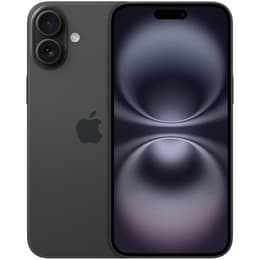
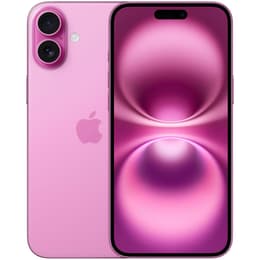
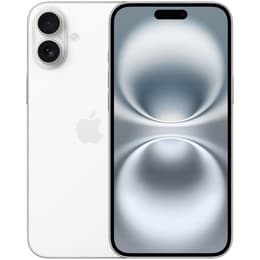
If thinness and lightness aren't high on your list, a refurbished iPhone 16 Plus from Back Market is worth a look. The iPhone 16 Plus is available on Back Market at a lower price than new, with the same quality guarantee.
- (3)
Refurbished price:A$989.00
Versus A$1,599.00 new

- (12)
Refurbished price:A$1,021.00
Versus A$1,599.00 new
- (20)
Refurbished price:A$1,029.00
Versus A$1,599.00 new

- (17)
Refurbished price:A$1,029.00
Versus A$1,599.00 new

- (6)
Refurbished price:A$1,029.00
Versus A$1,599.00 new

Refurbished price:A$1,119.00
Versus A$1,799.00 new
- (3)
Refurbished price:A$1,119.00
Versus A$1,799.00 new

- (19)
Refurbished price:A$1,254.00
Versus A$1,799.00 new
iPhone Air specs overview
Here's a full summary of the iPhone Air's core specs. As covered in our iPhone 17 review, the Air has a larger display than the standard iPhone 17 and a different colour line-up.
iPhone Air specifications | Details |
Body size | 6.5 inches (156.2mm x 74.7mm x 5.64mm, 165g) |
Display | Super Retina XDR OLED (up to 120Hz adaptive refresh rate) |
Processor | A19 Pro chip (12GB RAM) |
Storage | 256GB / 512GB / 1TB |
Camera | Rear (wide): 48MP / Front: 18MP |
Battery | 3,149mAh (up to 27 hours video playback) |
Biometrics | Face ID |
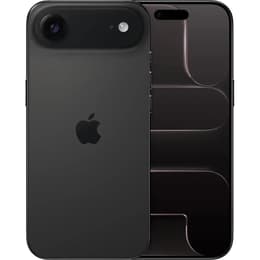
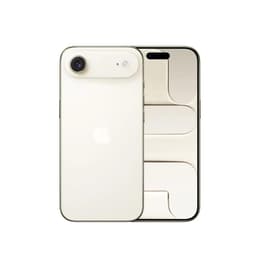
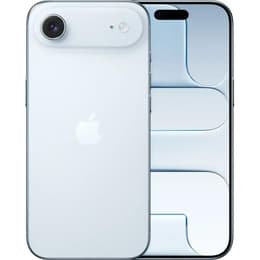
Colours | Cloud White, Space Black, Sky Blue, Light Gold |
Connector | USB-C (USB 2.0) |
SIM | eSIM only (no physical SIM slot) |
One important thing to note: the iPhone Air is eSIM-only, meaning it does not have a physical SIM card slot. This applies worldwide, including in Australia. Migrating from a physical SIM to an eSIM is straightforward with most Australian carriers, but if your current carrier doesn't support eSIM, this is worth checking before you buy.
iPhone Air pricing and storage
Before the iPhone Air launched, leaks predicted a US$50 to US$100 price increase over the iPhone 16 Plus, and those predictions were accurate. The Air costs more than its Plus predecessor at every comparable storage tier.
iPhone Air release pricing and storage options
Below are the Apple Store AU recommended retail prices for the iPhone Air. Unlike the iPhone 16 Plus, the 128GB option has been dropped, and a 1TB option has been added instead.
256 GB | 512 GB | 1 TB | |
iPhone Air (Apple Store AU) | A$1,799 | A$2,199 | A$2,599 |
Prices are Apple Store AU RRP and are subject to change.
Compared to the standard iPhone 17 (from A$1,399), the iPhone Air is A$400 more at the same storage tier, while still sitting below the iPhone 17 Pro and Pro Max in price. At over A$1,799 for the entry model, it's a significant spend, and for many buyers considering an upgrade it may feel difficult to justify.
Want to save more? Refurbished models on Back Market are a great option
If the iPhone Air's price or specs don't appeal to you, a refurbished iPhone 15 or iPhone 16 series device is well worth considering. Back Market offers refurbished iPhones from a range of generations, all tested and verified to work like new.
As of 28 July 2026, here are approximate starting prices for Back Market AU:
Prices are subject to change. Check Back Market AU for the latest listings.
128 GB | 256 GB | 512 GB | |
from A$729 | from A$769 | - | |
from A$759 | from A$981 | - | |
from A$856 | from A$899 | from A$1,359 | |
- | from A$1,001 | from A$1,139 | |
from A$950 | from A$1,141 | - | |
from A$1,041 | from A$1,069 | - | |
from A$1,057 | from A$1,397 | from A$1,649 | |
- | from A$1,350 | from A$1,560 | |
from A$719 | from A$819 | from A$899 |
You can find quality refurbished iPhones on Back Market well under A$1,000, giving you excellent value without sacrificing on performance. Refurbished iPhones differ from second-hand phones in that they go through professional inspection, cleaning, and any necessary repairs or parts replacement before sale. You can explore the full iPhone 15 series model guide for more on that generation.
Every Back Market refurbished iPhone comes with a 1-year warranty and 30-day money-back guarantee. A new battery option is also available as a paid add-on at checkout if you want guaranteed 100% battery health.
- (68)
Refurbished price:A$695.00
Versus A$1,399.00 new
- (63)
Refurbished price:A$695.00
Versus A$1,399.00 new
- (53)
Refurbished price:A$695.00
Versus A$1,399.00 new

- (53)
Refurbished price:A$695.00
Versus A$1,399.00 new
- (67)
Refurbished price:A$744.00
Versus A$1,399.00 new
- (62)
Refurbished price:A$859.00
Versus A$1,599.00 new

- (66)
Refurbished price:A$859.00
Versus A$1,599.00 new
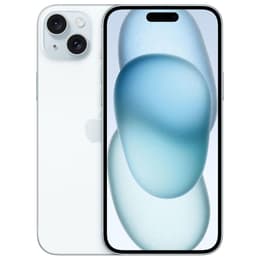
- (61)
Refurbished price:A$859.00
Versus A$1,599.00 new
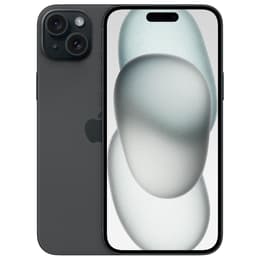
- (22)
Refurbished price:A$859.00
Versus A$1,599.00 new
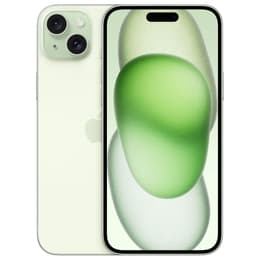
- (65)
Refurbished price:A$859.00
Versus A$1,599.00 new
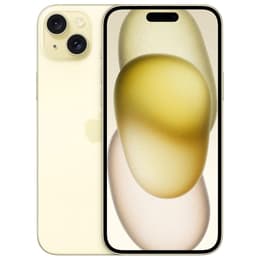
- (29)
Refurbished price:A$1,049.00
Versus A$1,949.00 new

iPhone Air design review

When choosing a new iPhone, size and weight often matter just as much as specs. The iPhone Air makes a bold statement in this department, with its remarkable thinness and light build at the heart of its identity. The titanium frame plays a key role in keeping the weight down while maintaining structural strength.
Thickness of 5.64mm (about 30% thinner than the iPhone 16 Plus)
The iPhone Air is the thinnest iPhone ever made at 5.64mm. Compared to the iPhone 16 and iPhone 16 Plus, which are 7.8mm thick, the Air is roughly 30% slimmer.
The slim profile also contributes to the weight saving. At 165 grams, the Air is about 34 grams lighter than the iPhone 16 Plus. That said, pre-launch leaks had estimated around 145 grams, so the actual weight is closer to the standard iPhone 17 (177g) than many expected. Some reviewers have noted that the improvement in feel isn't as dramatic as anticipated.
For context, the iPhone 12 mini weighed 133 grams and the iPhone 13 mini 140 grams, so the Air is still noticeably heavier than the mini series, despite being a much larger phone.
iPhone Air uses titanium: how it compares to aluminium
In the iPhone 15 and 16 series, the standard and Plus models used aluminium frames, while the Pro and Pro Max used lightweight, high-strength titanium. The iPhone 17 series has reversed that convention: the standard iPhone 17, Pro, and Pro Max models all use aluminium, while the iPhone Air alone uses a titanium frame.
Titanium is lighter and stronger than aluminium, and its polished finish gives the Air a premium, high-end aesthetic. Design-wise, this has been one of the more positively received aspects of the Air.
Comparing iPhone size and weight across all generations
For reference, here's how the iPhone Air stacks up against every iPhone model released to date. Previously, the iPhone 6 (6.9mm) held the record for the thinnest iPhone, but the Air comfortably beats it.
stock — confirma antes de publicar.
Model | Screen size | Dimensions | Weight |
4.7 inches | 67.0 × 138.1 × 6.9mm | 129g | |
5.5 inches | 77.9 × 158.2 × 7.3mm | 172g | |
4.7 inches | 67.1 × 138.3 × 7.1mm | 143g | |
5.5 inches | 77.9 × 158.2 × 7.3mm | 192g | |
4 inches | 58.6 × 123.8 × 7.6mm | 113g | |
4.7 inches | 67.1 × 138.3 × 7.1mm | 138g | |
5.5 inches | 77.9 × 158.2 × 7.3mm | 188g | |
4.7 inches | 67.3 × 138.4 × 7.3mm | 148g | |
5.5 inches | 78.1 × 158.4 × 7.5mm | 202g | |
5.8 inches | 70.9 × 143.6 × 7.7mm | 174g | |
5.8 inches | 70.9 × 143.6 × 7.7mm | 177g | |
6.5 inches | 77.4 × 157.5 × 7.7mm | 208g | |
6.1 inches | 75.7 × 150.9 × 8.3mm | 194g | |
6.1 inches | 75.7 × 150.9 × 8.3mm | 194g | |
5.8 inches | 71.4 × 144.0 × 8.1mm | 188g | |
6.5 inches | 77.8 × 158.0 × 8.1mm | 226g | |
4.7 inches | 67.3 × 138.4 × 7.3mm | 148g | |
5.4 inches | 64.2 × 131.5 × 7.4mm | 133g | |
6.1 inches | 71.5 × 146.7 × 7.4mm | 162g | |
6.1 inches | 71.5 × 146.7 × 7.4mm | 187g | |
6.7 inches | 78.1 × 160.8 × 7.4mm | 226g | |
5.4 inches | 64.2 × 131.5 × 7.65mm | 140g | |
6.1 inches | 71.5 × 146.7 × 7.65mm | 173g | |
6.1 inches | 71.5 × 146.7 × 7.65mm | 203g | |
6.7 inches | 78.1 × 160.8 × 7.65mm | 238g | |
4.7 inches | 67.3 × 138.4 × 7.3mm | 144g | |
6.1 inches | 71.5 × 146.7 × 7.80mm | 172g | |
6.7 inches | 78.1 × 160.8 × 7.80mm | 201g | |
6.1 inches | 71.5 × 147.5 × 7.85mm | 206g | |
6.7 inches | 77.8 × 160.7 × 7.85mm | 240g | |
6.1 inches | 71.6 × 147.6 × 7.80mm | 171g | |
6.7 inches | 77.8 × 160.9 × 7.80mm | 201g | |
6.1 inches | 70.6 × 146.6 × 8.25mm | 187g | |
6.7 inches | 76.7 × 159.9 × 8.25mm | 221g | |
6.1 inches | 71.6 × 147.6 × 7.80mm | 170g | |
6.7 inches | 77.8 × 160.9 × 7.80mm | 199g | |
6.3 inches | 71.5 × 149.6 × 8.25mm | 199g | |
6.9 inches | 77.6 × 163.0 × 8.25mm | 227g | |
6.1 inches | 71.5 × 146.7 × 7.80mm | 167g |
Smartphones as a whole have trended toward larger screens, and since the iPhone 12 series most models have had 6.1-inch or larger displays. Larger screens generally mean heavier phones, and among standard models (excluding mini and SE), the iPhone 12 at 162 grams is the lightest non-mini iPhone released to date.
For context, the thinnest iPads are also worth noting. The latest iPad Pro models come in at 5.1mm (13-inch) and 5.3mm (11-inch), putting them close to the iPhone Air's 5.64mm. Standard iPad models like the iPad (A16) sit around 7mm. If you'd like to compare iPad sizes across generations, the iPad size comparison guide is a useful reference.
The back design: the camera bar
Despite having only a single camera, the iPhone Air features a new camera bar running across the back of the device. The bar itself is about 4mm thick, which means the total depth including the phone body reaches approximately 9.5mm at the camera.
The camera bar design has split opinion. Some appreciate the fresh, modern look, which draws comparisons to the Google Pixel range. Others question whether Apple needed to adopt a design language associated with Android phones, and some find that the bar creates a visual and physical imbalance across the back of the device.
iPhone Air colour options: different from the standard iPhone 17
The iPhone Air and iPhone 17 have distinct colour line-ups, which is a break from Apple's tradition of using the same colours across the standard range. The Air also features updated takes on Black and White (now called Space Black and Cloud White), plus two exclusive new shades. You can see the full comparison in our iPhone 17 series colour guide.
Colours | White, Black, Lavender (new), Sage (new), Mist Blue (new) | Cloud White, Space Black, Sky Blue (new), Light Gold (new) |
iPhone Air display review
The iPhone Air has a different screen size from previous standard and Plus models, and it also addresses one of the long-standing limitations of the non-Pro iPhone range. The improved refresh rate makes it a solid choice for streaming and gaming.
6.5-inch display
Across the iPhone 17 series, every model has a different screen size: the standard iPhone 17 comes in at 6.1 inches, the iPhone 17 Pro at 6.3 inches, and the iPhone 17 Pro Max at a large 6.9 inches. The iPhone Air sits at 6.5 inches.
That puts it close to the previous 6.7-inch Plus models in terms of screen real estate, making it well suited for streaming, gaming, and most other everyday tasks. For a detailed look at the higher-end models in the range, our iPhone 17 Pro review covers everything you need to know.
All iPhone 17 series models now support up to 120Hz
For the first time, 120Hz ProMotion is available across the entire iPhone 17 series, not just the Pro and Pro Max. This is a meaningful upgrade for the standard iPhone 17 and the Air, and one of the most positively received changes in the 2025 line-up.
A higher refresh rate means smoother scrolling, more fluid animations, and a noticeably better experience when gaming or watching video. It's a spec that makes a genuine real-world difference. That said, running the display at 120Hz will use more battery, so it's worth adjusting the setting if battery life is a priority for you.
Always-On display now available on all iPhone 17 models
Previously limited to the Pro and Pro Max, Always-On display is now included across the entire iPhone 17 series, including the standard model and the Air.
Always-On display lets you keep key information, such as the time, your calendar, and widgets, visible at a glance without waking the screen. It does use slightly more battery when active, but for those who work at a desk or from home it can be a genuinely useful feature to have running throughout the day.
iPhone Air processor performance review
Despite its slim design, the iPhone Air packs serious processing power. When compared to Android flagships from the same generation, including Samsung Galaxy and Google Pixel, Apple's chip performance remains a clear differentiator.
The A19 Pro chip and 12GB of RAM
In the iPhone 16 series, the standard and Plus models used the A18 chip, while the Pro and Pro Max featured the A18 Pro. The iPhone Air bucks that trend entirely, running on the A19 Pro, the same chip found in the iPhone 17 Pro and Pro Max. The standard iPhone 17 uses the A19 (without the Pro designation), making the Air a notable step up in chip performance compared to what you'd expect from a non-Pro model.
RAM also varies across the range. The standard iPhone 17 comes with 8GB, while the iPhone Air, Pro, and Pro Max all have 12GB. This is a first for a non-Pro model, and it gives the Air a meaningful edge in multitasking and performance headroom.
Thermal management is a concern worth watching
The thin 5.64mm profile does raise a legitimate question about heat dissipation. With less internal space to manage thermals, the iPhone Air may be more susceptible to heat under sustained load. Prolonged 4K video recording or intensive gaming can push the chip hard, and if the device gets too hot, it may throttle performance, force-close apps, or restart unexpectedly.
Heat management and battery are the two most practical considerations for everyday use, and real-world user reviews post-launch will be worth monitoring. If you regularly shoot 4K video, do video editing, or use demanding apps for extended periods, the iPhone 17 Pro or Pro Max, with their dedicated cooling systems, are the better choice.
- (976)
Refurbished price:A$487.00
Versus A$1,049.00 new
- (968)
Refurbished price:A$487.00
Versus A$1,049.00 new
- (1,399)
Refurbished price:A$291.00
Versus A$1,049.00 new
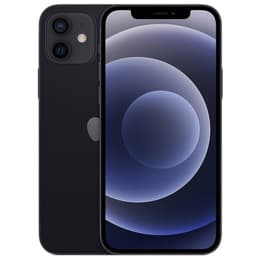
- (1,526)
Refurbished price:A$409.00
Versus A$1,099.00 new
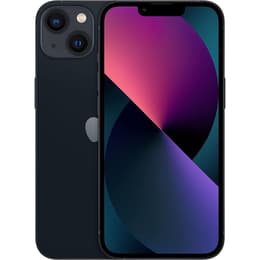
- (394)
Refurbished price:A$552.00
Versus A$1,119.00 new
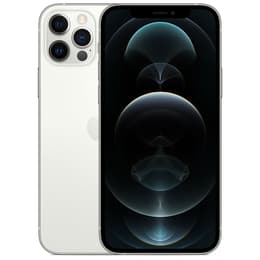
- (973)
Refurbished price:A$487.00
Versus A$1,049.00 new
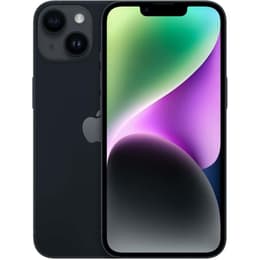
- (404)
Refurbished price:A$664.00
Versus A$1,249.00 new
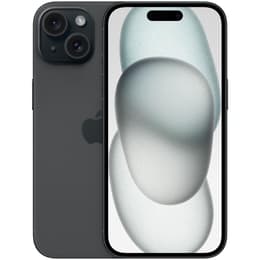
- (2,330)
Refurbished price:A$187.00
Versus A$719.00 new
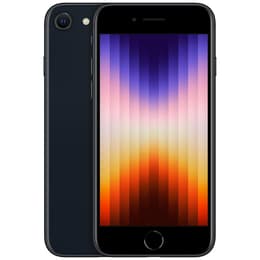
- (1,267)
Refurbished price:A$396.00
Versus A$1,049.00 new
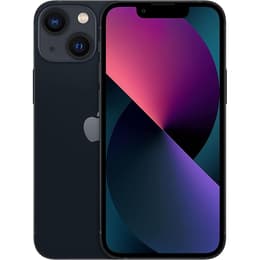
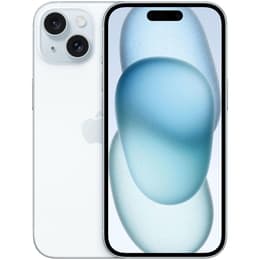
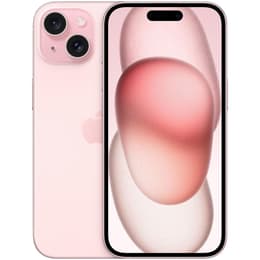
- (68)
Refurbished price:A$695.00
Versus A$1,399.00 new
- (39)
Refurbished price:A$132.65
Versus A$279.00 new
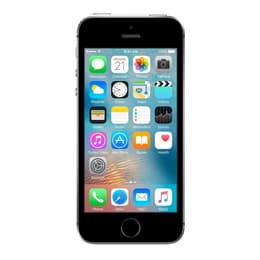
- (1,461)
Refurbished price:A$155.00
Versus A$529.00 new
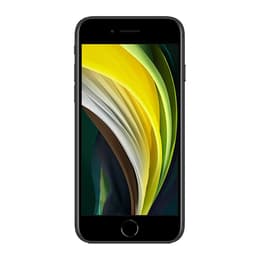
- (1,459)
Refurbished price:A$158.00
Versus A$589.00 new
iPhone Air camera review
The iPhone 17 series brings some genuine camera upgrades across the range, but when compared to the iPhone 16 Plus, the iPhone Air does fall short in a few areas.
Camera improvements in the iPhone Air over the iPhone 16 Plus
One of the biggest camera upgrades across the entire iPhone 17 series is the front camera, which has jumped from 12 megapixels to 18 megapixels. If you regularly use your iPhone for video calls or online meetings, you'll notice the difference.
Other front camera improvements include:
18MP front camera
Centre Stage and advanced video stabilisation
Dual Capture (simultaneous video recording from front and rear cameras)
Beyond the resolution bump, the improved stabilisation makes handheld selfie video noticeably smoother, and Dual Capture, which records from both cameras at the same time, opens up some creative possibilities for content creators.
What are the camera limitations on the iPhone Air?
The main trade-off is the single rear camera. Like the more affordable iPhone 16e, the iPhone Air doesn't have an ultra-wide lens, which rules out several features and use cases.
Limitations include:
No ultra-wide camera (only the 48MP main wide camera)
Narrower Camera Control button compared to other models
No macro photography or spatial video/spatial photos
If you're coming from an older iPhone with a single camera and you've been happy with it, the Air's camera will likely feel like an upgrade. But if you're currently using a Pro or Pro Max with a telephoto lens and ultra-wide camera, switching to the Air could feel like a step backwards, particularly for creative work or content creation. For social media or professional photography and video, the Air's camera limitations may become frustrating over time.
iPhone Air battery review
Battery performance is one of the most important factors when choosing a phone. If you spend a lot of time on your phone away from home, or you're already charging your current iPhone multiple times a day, it's worth looking closely at what the iPhone Air offers.
The small battery capacity is a real concern
The iPhone Air uses the power-efficient A19 Pro chip, and Apple Intelligence's battery management features also contribute to efficiency gains. In practice, video playback life is on par with the iPhone 16 Plus at up to 27 hours.
However, the Air's physical battery is only 3,149mAh. Compared to the iPhone 16 Plus at 4,674mAh, that's a significant gap. Even with the chip and software efficiency improvements, real-world battery performance in demanding scenarios may not hold up as well as the video playback figure suggests.
Charging speed is slower than the other iPhone 17 models
The iPhone 17, iPhone 17 Pro, and iPhone 17 Pro Max all support faster charging, reaching up to 50% in just 20 minutes with a 40W adapter. The iPhone Air, like the iPhone 16 series, takes up to 30 minutes to reach 50% with a compatible adapter, making it noticeably slower by comparison.
While fast charging is convenient, charging more frequently does wear down the battery over time, so it's worth being mindful of how often you're topping up.
Is the dedicated MagSafe Battery worth it?
Apple released an iPhone Air-specific MagSafe Battery to address the Air's smaller capacity. Attaching it extends the estimated video playback time from 27 hours to up to 40 hours, and it charges wirelessly via MagSafe so you can continue using your phone while it tops up.
That said, adding it defeats one of the iPhone Air's main selling points: its slim, lightweight design. The Air MagSafe Battery is also priced at A$159, which is a significant extra cost on top of an already expensive device.
Battery comparison across iPhone models (iPhone 13 series onwards)
For reference, here's how battery capacity and estimated video playback time compare across recent iPhone generations. Plus models consistently deliver 26 to 27 hours, while Pro models have also improved considerably. The iPhone 15 Pro Max and iPhone 16 Pro Max stand out for their combination of battery size and endurance.
Model | Battery capacity | Video playback |
3,561mAh | Up to 22 hours | |
4,674mAh | Up to 27 hours | |
3,582mAh | Up to 27 hours | |
4,685mAh | Up to 33 hours | |
4,005mAh | Up to 26 hours | |
3,349mAh | Up to 20 hours | |
4,325mAh | Up to 26 hours | |
3,274mAh | Up to 23 hours | |
4,441mAh | Up to 29 hours | |
3,279mAh | Up to 20 hours | |
4,325mAh | Up to 26 hours | |
3,200mAh | Up to 23 hours | |
4,323mAh | Up to 29 hours | |
2,500mAh | Up to 17 hours | |
2,265mAh | Up to 19 hours | |
3,150mAh | Up to 22 hours | |
4,400mAh | Up to 28 hours |
Figures based on Apple's published estimates. Actual battery life varies with usage.
iPhone Air speaker and audio review
The iPhone Air comes with a notable change to its speaker setup, and if audio quality matters to you, it's something to consider carefully before buying.
Mono speaker, not stereo
Individual experiences with sound quality will vary, but the most common feedback from iPhone Air users about the speaker includes:
For everyday use, the audio quality isn't noticeably bad and works fine for casual listening
Music can feel lacking in bass and overall punch compared to stereo
Sound comes from one direction rather than surrounding you
The iPhone Air has a single mono speaker located at the top of the device. When you rotate the phone to landscape mode to watch video, all the sound comes from one side, which can feel noticeably unbalanced. Compared to stereo, the audio is flatter and less immersive. If you often play music through your phone speaker as background audio, this limitation will likely stand out.
If you regularly use wireless earphones, it won't bother you
That said, wireless earphones like AirPods have become the default for many iPhone users, and if you rarely or never play audio out loud through your phone, the mono speaker simply won't be an issue.
AirPods are the natural companion for iPhones and iPads, and the AirPods Pro (3rd generation), released alongside the iPhone Air, brings enhanced noise cancellation and real-time translation features that make it a genuinely impressive upgrade for everyday use.
iPhone Air review summary
After looking at everything the iPhone Air has to offer, it's clear this is a device with a genuinely distinctive identity, but one that comes with real trade-offs on both sides. If a slim, light iPhone doesn't excite you, a refurbished Plus or Pro Max model from a previous generation remains a strong alternative.
Who the iPhone Air is actually right for
The iPhone Air occupies a unique spot in the range: a large-screen iPhone that's lightweight and thin in a way no previous model has managed. If you've found smaller iPhones like the mini series easy to handle but frustrating for gaming or streaming, the Air addresses exactly that problem.
The Air makes sense if you:
Want an iPhone that's easy to slip into a pocket and light to carry all day
Are happy with a large, high-quality display and a solid processor
Don't prioritise camera versatility or maximum battery life
It's noticeably heavier than compact models like the iPhone SE (3rd gen), but the combination of a large, bright ProMotion display and a genuinely slim form factor is something no other iPhone offers.
Looking further ahead, the iPhone 18 series is expected to launch in late 2026. The iPhone Air's successor isn't anticipated until around early 2027, so if you can't wait for the next generation, a refurbished iPhone Air is a great way to experience the design now at a lower price.
You can find out more about what's coming in our iPhone 18 review.
Refurbished price:A$1,089.00
Versus A$1,499.00 new
For the best value in the latest range: the standard iPhone 17 is hard to beat
The iPhone Air's key upgrades, including the A19 Pro chip, front camera improvements with Centre Stage, and up to 120Hz refresh rate, sound impressive. But the standard iPhone 17 offers the same display and front camera improvements at a lower price point.
The iPhone 17 is the only model in the iPhone 17 series to have actually dropped in price compared to its predecessor. The entry price has gone up because 128GB is no longer an option, but at A$1,399 it's still relatively accessible, and it's A$400 cheaper than the iPhone Air at the same 256GB storage tier. If you want the latest iPhone without compromising on value, the standard iPhone 17 is the straightforward choice.
Who might be better off skipping the iPhone 17 series altogether
The iPhone 17 Pro and Pro Max are worth considering if you want a telephoto camera with up to 8x optical-quality zoom. That said, the iPhone 17 series as a whole isn't for everyone. You might be better off with an older model if:
Your budget is limited
You find the Pro and Pro Max colour options underwhelming
You want to keep using a physical SIM (note: in Australia, only the iPhone Air is eSIM-only; all other iPhone 17 models still include a physical nano-SIM slot)
You honestly can't tell the difference in camera or chip performance between generations, and that's fine
To be honest, while there are real improvements in processor performance, weight, and camera across the iPhone 17 range, many buyers simply want something easy to use at a sensible price. Choosing a refurbished previous-generation iPhone is often the smarter move for value.
Want a big screen? The iPhone 16 Plus and iPhone 15 Plus are both worth a look
If you want a large-screen iPhone but prioritise battery life and a lower price over cutting-edge specs, a Plus model delivers. The iPhone 16 Plus offers up to 27 hours of video playback, Apple Intelligence support, and strong all-round specs that hold up well for everyday and professional use alike.
The iPhone 15 Plus also remains a solid option in refurbished. With its A16 Bionic chip, 48-megapixel main camera, and USB-C connector, it delivers more than enough performance for most users even as an older model. Refurbished pricing has dropped considerably, making it a genuinely competitive choice compared to newer Pro Max models.
- (3)
Refurbished price:A$989.00
Versus A$1,599.00 new
- (12)
Refurbished price:A$1,021.00
Versus A$1,599.00 new
- (20)
Refurbished price:A$1,029.00
Versus A$1,599.00 new
- (17)
Refurbished price:A$1,029.00
Versus A$1,599.00 new
- (6)
Refurbished price:A$1,029.00
Versus A$1,599.00 new
Refurbished price:A$1,119.00
Versus A$1,799.00 new
- (3)
Refurbished price:A$1,119.00
Versus A$1,799.00 new
- (19)
Refurbished price:A$1,254.00
Versus A$1,799.00 new
If battery life and camera quality matter most: compare the iPhone 16 Pro Max and iPhone 15 Pro Max
If you want the best combination of battery endurance and optical zoom performance, the Pro Max models are worth a serious look. The iPhone 16 Pro Max offers up to 33 hours of video playback and features a 5x optical zoom camera with Camera Control, making it a standout option for content creators and anyone who shoots video seriously.
If you're happy to trade a little off the top spec for a lower price, the iPhone 15 Pro Max from 2023 is an excellent refurbished buy. Its A17 Pro chip delivers strong processing performance, and aside from the Camera Control button, the camera capabilities are very close to the iPhone 16 Pro Max, giving you exceptional value for money.
- (46)
Refurbished price:A$1,351.00
Versus A$2,149.00 new
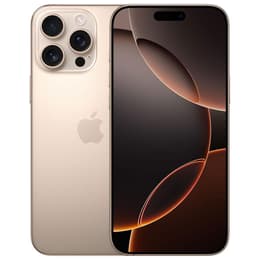
- (43)
Refurbished price:A$1,287.09
Versus A$2,149.00 new
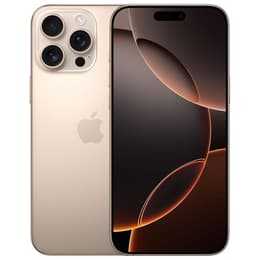
- (49)
Refurbished price:A$1,301.00
Versus A$2,149.00 new
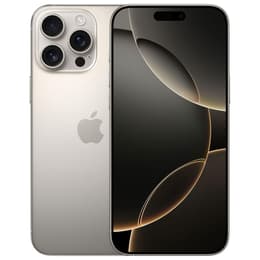
- (11)
Refurbished price:A$1,327.59
Versus A$2,149.00 new
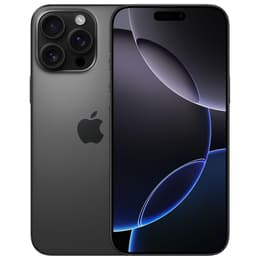
- (47)
Refurbished price:A$1,349.00
Versus A$2,149.00 new
- (43)
Refurbished price:A$1,386.00
Versus A$2,149.00 new
Refurbished price:A$1,473.39
Versus A$2,499.00 new
- (3)
Refurbished price:A$1,503.00
Versus A$2,499.00 new
- (3)
Refurbished price:A$1,529.00
Versus A$2,499.00 new
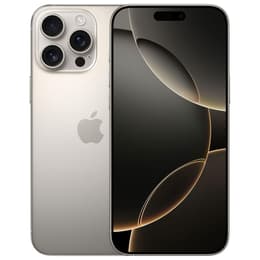
- (3)
Refurbished price:A$1,699.00
Versus A$2,149.00 new
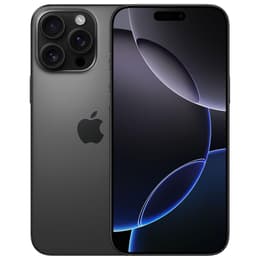
- (23)
Refurbished price:A$1,699.00
Versus A$2,149.00 new
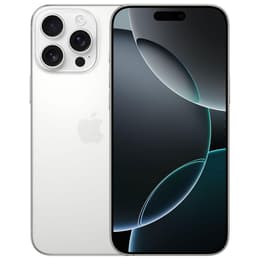
- (23)
Refurbished price:A$1,699.00
Versus A$2,149.00 new
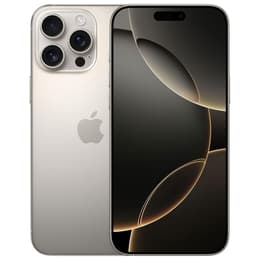
- (23)
Refurbished price:A$1,699.00
Versus A$2,149.00 new
- (40)
Refurbished price:A$1,769.00
Versus A$2,499.00 new
Upgrading to the iPhone Air? Don't forget to sell your old phone
If you're upgrading to the iPhone Air or another new model, selling your old smartphone is a great way to offset the cost. Back Market's trade-in service makes it easy to get a quote and send in your device from home.
Why use Back Market's trade-in service?
Back Market's trade-in is fully online and handled via post, so you can send in your device from home or a nearby parcel drop-off point. Getting a quote is quick and easy, and there's no in-store visit required, making it a stress-free option even if you've never used a trade-in service before.
Unlike some buyers who only accept devices in perfect condition, Back Market also accepts iPhones with faults or damage. And as long as the device matches what you described when you submitted your quote, you'll receive the agreed price without any last-minute reductions.
You can also trade in your iPad through Back Market's iPad trade-in page.
Check the trade-in value of your iPhone
Back Market accepts a wide range of iPhone models for trade-in, from the iPhone 7 series right through to the latest iPhone 16 series. To find out what your device is worth, visit the iPhone trade-in page and get a quick online quote.
Even if your iPhone isn't the latest model, recent generations can still fetch a solid price. Combining a Back Market refurbished purchase with a trade-in is one of the smartest ways to upgrade your phone for less.