
Google Pixel 9 Pro Fold vs iPhone 13 Pro Max

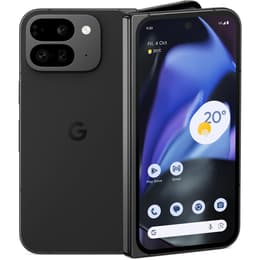
Google Pixel 9 Pro Fold
See options
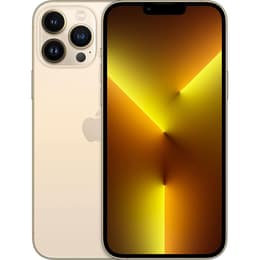
iPhone 13 Pro Max
iPhone 13 Pro Max
Starting at

Refurbished price:A$581.00

Versus A$1,689.00 new

See options

Ratings

The Google Pixel 9 Pro Fold, released in September 2024, represents Google's advanced foldable smartphone offering, running on the Android operating system. In contrast, the iPhone 13 Pro Max, launched in September 2021, is a traditional slab-style smartphone powered by Apple's iOS. The primary distinctions between these two devices lie in their innovative form factor and their respective software ecosystems, alongside differences in their core hardware and user experience.

Scores

Durability

When considering the long-term usability of these devices, their release timelines and software support policies are key factors.

  • Release Timeline: The Google Pixel 9 Pro Fold is a much newer device, having been released in September 2024. The iPhone 13 Pro Max, released in September 2021, is several years older. This age difference directly impacts the remaining period of software support and the longevity of hardware performance.
  • Software Longevity: Google has committed to providing 7 years of OS and security updates for the Pixel 9 Pro Fold, extending support until 2031. The iPhone 13 Pro Max, while known for Apple's strong software support, will likely receive updates for approximately 5-6 years from its release, meaning its update cycle will conclude sooner than the Pixel 9 Pro Fold's.
  • Repairability and Practical Lifespan: Traditional smartphones like the iPhone 13 Pro Max generally have a more straightforward repair process due to their established design. Foldable devices, such as the Pixel 9 Pro Fold, introduce additional complexities with their hinge mechanisms and flexible displays, which can present different durability considerations. While the Pixel 9 Pro Fold features an improved hinge design, early foldable models have shown that the inner screen, often made with a plastic top layer, can be more susceptible to scratches than traditional glass displays.

Release year

2024

2021

Compatible with latest Update

Yes

Yes

Operating system

Android

iOS

Foldable

Yes

No

Performance

The performance of a smartphone is crucial for daily tasks, from app usage to demanding multimedia applications.

  • Processing Power: The Google Pixel 9 Pro Fold is equipped with a current-generation Google Tensor G4 processor, designed to handle complex tasks, advanced AI features, and multitasking with efficiency. The iPhone 13 Pro Max features the A15 Bionic chip, which, while still capable, is an older generation processor. Users of the Pixel 9 Pro Fold will likely experience faster app loading times and smoother performance in graphically intensive applications due to its newer hardware.
  • Multitasking and Responsiveness: With 16 GB of RAM, the Pixel 9 Pro Fold offers substantial memory for running numerous applications simultaneously and switching between them without noticeable slowdowns. The iPhone 13 Pro Max comes with 6 GB of RAM, which provides a responsive experience within the iOS ecosystem, but the Pixel's higher RAM count may offer more headroom for future demanding applications and extensive multitasking, especially when utilizing its large inner display.
  • Storage Options: Both devices offer ample storage. The Pixel 9 Pro Fold is available with 256 GB or 512 GB of internal storage. The iPhone 13 Pro Max provides a wider range of options, including 128 GB, 256 GB, 512 GB, and a 1 TB configuration, catering to users with extensive storage needs.
  • Battery Behavior: The iPhone 13 Pro Max is widely recognized for its exceptional battery longevity, often providing up to two days of use for many users. It features a 4352 mAh battery. The Pixel 9 Pro Fold has a 4650 mAh battery, and while it claims up to 24 hours of use, the power demands of its larger, flexible display and newer processor may result in different real-world endurance compared to the iPhone.

Memory (GB)

16 GB

6 GB

Screen quality

The visual experience is a significant aspect of smartphone usage, and both devices offer high-quality displays with distinct characteristics.

  • Display Technology and Size: The Google Pixel 9 Pro Fold features a dual-screen setup. Its outer display is a 6.3-inch OLED panel, and when unfolded, it reveals a large 8-inch LTPO OLED Actua Flex inner display. This foldable design allows for a tablet-like viewing experience. The iPhone 13 Pro Max has a single 6.7-inch Super Retina XDR OLED display.
  • Resolution and Clarity: The Pixel 9 Pro Fold's inner display offers a resolution of 2076 x 2152 pixels, providing a sharp and detailed image across its larger surface. The cover display has a resolution of 1080 x 2424 pixels. The iPhone 13 Pro Max features a 2778 x 1284 pixel resolution at 458 pixels per inch, delivering crisp visuals on its traditional form factor.
  • Brightness and Refresh Rate: Both devices offer high brightness levels for good visibility in various lighting conditions. The Pixel 9 Pro Fold's displays can reach a peak brightness of 2700 nits. The iPhone 13 Pro Max offers a typical maximum brightness of 1000 nits and a peak HDR brightness of 1200 nits. Both phones feature adaptive refresh rates for smooth scrolling and animations. The Pixel 9 Pro Fold's inner display can dynamically adjust from 1 Hz to 120 Hz, while its cover display ranges from 60 Hz to 120 Hz. The iPhone 13 Pro Max's ProMotion technology allows its display to adapt from 10 Hz to 120 Hz.

Resolution

2076 x 2152

1284 x 2778

Screen type

Foldable LTPO OLED

Super Retina XDR OLED

Audiovisual

Both smartphones offer advanced camera systems designed to capture high-quality photos and videos, though with different approaches and features.

  • Rear Camera Systems: The Google Pixel 9 Pro Fold is equipped with a triple rear camera setup, including a 48 MP wide-angle lens, a 10.5 MP ultra-wide lens, and a 10.8 MP telephoto lens with 5x optical zoom. This system benefits from Google's computational photography, known for natural color reproduction and detail. The iPhone 13 Pro Max also features a triple 12 MP camera system, comprising a wide, ultra-wide, and a telephoto lens with 3x optical zoom. It is recognized for its consistent image quality and strong video capabilities.
  • Low-Light and Video Performance: Both devices excel in low-light conditions, with the iPhone 13 Pro Max showing improved performance over its predecessors. The Pixel 9 Pro Fold's larger main sensor and computational photography also contribute to strong low-light results. For video, the iPhone 13 Pro Max offers Cinematic mode for shallow depth-of-field effects and ProRes video recording up to 4K at 30 frames per second. The Pixel 9 Pro Fold includes features like Video Boost and can record up to 4K at 60 frames per second.
  • Special Features and Front Cameras: The iPhone 13 Pro Max introduced Macro mode for close-up photography. The Pixel 9 Pro Fold leverages its foldable design for unique camera uses, such as using the main rear cameras for high-quality selfies. Both devices have capable front-facing cameras for selfies and video calls, with the Pixel 9 Pro Fold featuring a 10 MP sensor on both its cover and inner displays, and the iPhone 13 Pro Max having a 12 MP front camera.

Main camera

48 megapixels

12 megapixels

Front camera

10 megapixels

12 megapixels

Miscellaneous

Beyond the core features, several practical elements contribute to the overall user experience of these smartphones.

  • Connectivity: The Google Pixel 9 Pro Fold supports the latest wireless standards, including Bluetooth 5.3, and features a new modem designed for improved call quality and satellite emergency services. The iPhone 13 Pro Max supports Wi-Fi 6 and Bluetooth 5.0, along with 5G connectivity.
  • Ports and Biometrics: The Pixel 9 Pro Fold utilizes a USB-C port for charging and data transfer, which is a common standard across many modern electronic devices. It incorporates a fingerprint reader integrated into the power button for secure unlocking. The iPhone 13 Pro Max uses Apple's proprietary Lightning port and relies on Face ID for biometric authentication. Neither device includes a traditional 3.5mm headphone jack.
  • Design and Handling: The Pixel 9 Pro Fold's foldable design means it has different dimensions when folded versus unfolded, offering a compact form factor for portability and expanding into a larger screen for productivity. It features a stainless steel hinge and Gorilla Glass Victus 2 on its cover display. The iPhone 13 Pro Max is a larger, heavier traditional smartphone, weighing 240 grams, which some users find substantial in hand. Its build includes a Ceramic Shield front cover for enhanced durability.

Weight

257 oz

238 oz

Screen size (in)

8.0

6.7

Network

5G

5G

SIM card

Physical SIM + eSIM

Physical SIM + eSIM

Carrier compatibility

Unlocked

Unlocked

The Google Pixel 9 Pro Fold and the iPhone 13 Pro Max cater to different user preferences and needs, primarily due to their distinct form factors and operating systems. The Pixel 9 Pro Fold, as a newer foldable device, offers a versatile experience with its large inner display, making it well-suited for users who prioritize multitasking, media consumption, and a tablet-like interface in a portable format. Its extended software support and advanced processor appeal to those seeking the latest Android innovations and long-term device relevance. However, some users of earlier Pixel Fold models noted concerns regarding app optimization for the large screen and the inherent durability considerations of foldable displays.

The iPhone 13 Pro Max, despite being an older model, remains a highly capable traditional smartphone, particularly praised for its exceptional battery life and consistent camera performance. Users who value a robust, familiar iOS ecosystem, a consistently long-lasting battery, and a reliable camera for both photos and video will find the iPhone 13 Pro Max a strong contender. Some users have found its size and weight to be considerable. Ultimately, the choice depends on whether a user prioritizes the innovative, expansive screen experience of a foldable Android device or the proven endurance and streamlined performance of a traditional iOS flagship.

For those considering either device, exploring quality-assured refurbished options can provide an eco-friendly alternative, offering access to these advanced technologies while supporting sustainable consumption.

See all articles

Our recent comparisons