Compare models
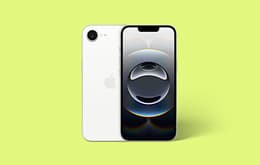
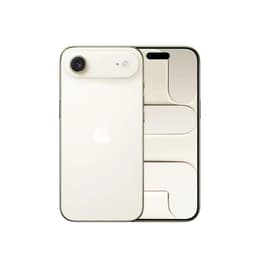
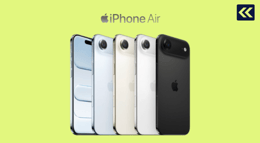
iPhone 16e vs iPhone Air
- 1-year warranty
- Free standard shipping
- Free 30-day returns
Differences at a glance
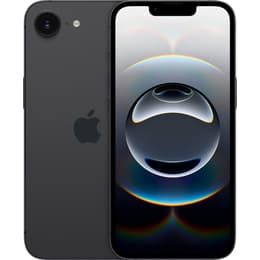
The iPhone 16e (2025) and the iPhone Air (2025) represent two distinct approaches to smartphone design within Apple's lineup, balancing practical utility with modern engineering. While the iPhone 16e focuses on core capabilities within a familiar footprint, the iPhone Air prioritizes an ultra-slim profile and expanded screen workspace. Both devices operate on iOS, yet they cater to entirely different preferences regarding physical handling and feature sets.
Available Models
Colour
Storage
Scores
Durability
Both smartphones benefit from long-term software support cycles, though their launch timelines and hardware configurations influence their respective maintenance profiles and longevity expectations.
- Software Support: The iPhone Air benefits from a more recent release window, offering an extended lifespan for future operating system updates compared to the slightly older iPhone 16e.
- Repairability: Both models utilize standardized modular internal components and durable exterior glass, making standard repairs straightforward for authorized technicians.
- Expected Lifespan: Both devices maintain robust processing capabilities and substantial memory allocations, ensuring reliable multi-year operational readiness under daily usage conditions.
Release year
2025
2025
Operating system
iOS
iOS
Foldable
No
No
Performance
System performance across both handsets handles demanding everyday routines, multitasking, and media consumption smoothly through current-generation processing architecture.
- Storage Configurations: The iPhone 16e offers storage tiers starting at 128GB, while the iPhone Air begins at higher storage capacities to accommodate large media libraries.
- System Responsiveness: Both models load applications instantly, manage background tasks efficiently, and handle graphics-heavy mobile games without noticeable stutter.
- Multitasking: Generous random access memory allocations allow both devices to maintain numerous active browser tabs and open applications simultaneously without forcing reloads.
Screen quality
Visual output differs noticeably between the two models in terms of physical dimensions, panel fluidity, and maximum luminance capabilities.
- Display Technology: Both devices feature vibrant OLED displays with deep contrast levels, though the iPhone Air incorporates an adaptive refresh rate scaling up to 120Hz for smoother motion.
- Brightness Levels: The iPhone Air achieves higher peak outdoor brightness levels, making on-screen content easier to read under direct sunlight compared to the iPhone 16e.
- Screen Size: The iPhone Air provides a larger 6.5-inch viewing area, whereas the iPhone 16e opts for a more compact 6.1-inch panel that facilitates easier single-handed navigation.
Resolution
2532x1170
2736x1260
Audiovisual
Media capture systems on both smartphones utilize high-resolution main sensors designed to capture detailed everyday photography and high-definition video.
- Main Photography: Both models utilize a primary 48-megapixel sensor that produces sharp images with balanced exposure in standard and low-light environments.
- Video Recording: Each device supports stable 4K video recording with advanced stabilization features, though the iPhone Air includes an upgraded front-facing camera for clearer video calls.
- Audio Output: Internal microphones capture clear voice audio during calls, while the built-in speaker systems deliver adequate volume for casual media playback.
Front camera
TrueDepth 12MP
18 megapixels
Miscellaneous
Physical dimensions and connectivity standards define the handling characteristics and ecosystem integration of each device.
- Connectivity: Both models support 5G cellular networks, Wi-Fi connectivity standards, and Bluetooth for accessories, alongside secure facial recognition sensors.
- Port Type: Each smartphone utilizes a universal USB-C port for charging and data transfer routines.
- Handling and Build: The iPhone Air stands out with an exceptionally thin and lightweight titanium-infused frame, while the iPhone 16e features a slightly thicker aluminum housing that provides a familiar, traditional feel.
Weight
167 oz
165 oz
Screen size (in)
6.1
6.5
Network
5G
5G
SIM card
Physical SIM + eSIM
eSIM
Carrier compatibility
Unlocked
Unlocked
Connector
USB-C
USB-C
What the community thinks
Users evaluating these models often point out that the iPhone 16e delivers a reliable, traditional smartphone experience with solid everyday performance and a comfortable handling size. On the other hand, owners frequently praise the iPhone Air for its groundbreaking thinness and expansive display, though some note that its ultra-slim battery profile requires careful management during intensive travel days. Consensus opinions highlight that choices ultimately depend on whether physical slimness takes priority over a compact footprint.
Users prioritizing a lightweight, expansive viewing canvas and high outdoor visibility may prefer the iPhone Air, while users prioritizing a compact size and standard proportions will find the iPhone 16e well-suited to their needs. Exploring quality-assured refurbished options on Back Market provides an eco-friendly alternative for acquiring either device with verified performance standards. Selecting between the two comes down to individual preferences regarding physical dimensions, display fluidity, and carrying comfort.