Compare models

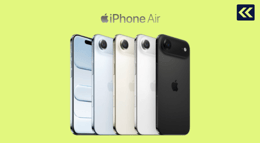
iPhone 14 vs iPhone Air

  • 1-year warranty
  • Free standard shipping
  • Free 30-day returns
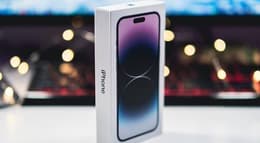
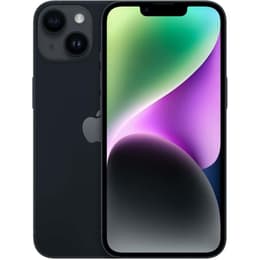
iPhone 14
Starting at

Refurbished price:A$450.00

Versus A$1,049.00 new

See options
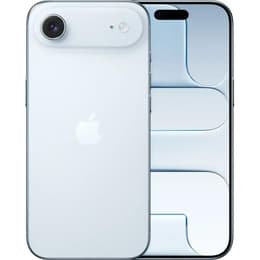
iPhone Air
Starting at

Refurbished price:A$1,061.00

Versus A$1,899.00 new

See options

Differences at a glance

The iPhone 14 (2022) and the iPhone Air (2025) represent two different design philosophies within Apple's smartphone lineup, balancing standard everyday utility against an ultra-slim form factor. While both devices run on Apple's iOS ecosystem, they differ significantly in release year, internal generation, and physical construction, offering distinct choices for users evaluating different generations of technology.

Available Models

Colour

Storage (GB)

Scores

Durability

When comparing longevity, the iPhone Air benefits from a more recent release timeline and extended software support windows compared to the older iPhone 14.

  • Release timeline and support: The iPhone 14 arrived in 2022, while the iPhone Air launched in 2025, giving the newer model a multi-year advantage in expected operating system updates.
  • Software longevity: Both models utilize Apple's long-term patch schedule, but the newer architecture of the iPhone Air ensures it remains compatible with advanced features further into the future.
  • Expected practical lifespan: Users selecting quality-assured refurbished options from sustainable choices like Back Market can expect robust daily reliability from both devices, though the iPhone Air provides extended headroom for future software demands.

Release year

2022

2025

Compatible with latest Update

Yes

Yes

Operating system

iOS

iOS

Foldable

No

No

Performance

System responsiveness and everyday multitasking capabilities differ due to the generational gap in internal hardware between the two devices.

  • Multitasking and memory: The iPhone Air includes increased memory capacity, allowing demanding applications and browser tabs to remain active in the background without refreshing.
  • App loading and gaming: The current-generation processor inside the iPhone Air handles resource-intensive games and complex productivity tasks with greater speed and thermal efficiency than the older processor configuration found in the iPhone 14.
  • Storage configurations: The iPhone Air starts at higher base storage tiers, accommodating large media libraries and heavy file storage out of the box.

Screen quality

Display technologies on both models utilize OLED panels for deep blacks and vibrant colors, though sharpness and motion smoothness vary.

  • Refresh rate and smoothness: The iPhone Air features an adaptive high refresh rate display that scales up for fluid scrolling and down during static viewing, whereas the iPhone 14 maintains a standard refresh rate.
  • Outdoor visibility: The iPhone Air reaches significantly higher peak brightness levels, improving legibility under direct sunlight.
  • Screen dimensions: The iPhone Air offers a slightly larger viewing area within a remarkably thin profile, while the iPhone 14 provides a more compact, traditional footprint.

Resolution

1170 x 2532

2736x1260

Screen type

Super Retina XDR OLED

Super Retina XDR

Audiovisual

Photography and media consumption hardware show noticeable differences in lens versatility and audio delivery.

  • Camera versatility: The iPhone 14 utilizes a dual-lens setup incorporating a dedicated ultra-wide option, while the iPhone Air relies on a single high-resolution main camera system with advanced digital crop capabilities.
  • Low-light performance: Both devices capture clear images in dim environments using computational photography, but the newer sensor technology on the iPhone Air pulls in additional detail.
  • Media consumption: The iPhone Air provides an expansive screen for video playback, though users may notice differences in audio staging and speaker output across the two form factors.

Main camera

12 megapixels

48 megapixels

Front camera

12 megapixels

18 megapixels

Miscellaneous

Physical construction, physical ports, and daily handling characteristics highlight the divergence in design between the two models.

  • Build and dimensions: The iPhone Air focuses on a breakthrough ultra-thin profile paired with a titanium frame, whereas the iPhone 14 features a standard aluminum and glass enclosure with a more conventional thickness.
  • Port connectivity: The iPhone 14 relies on a Lightning connector, while the iPhone Air transitions to a universal USB-C port for wired charging and data transfer.
  • Biometric security: Both devices utilize face recognition technology for secure authentication and device unlocking.

Weight

172 oz

165 oz

Screen size (in)

6,1

6.5

Network

5G

5G

SIM card

Physical SIM + eSIM

eSIM

Carrier compatibility

Unlocked

Unlocked

Connector

Lightning

USB-C

What the community thinks

User discussions and community feedback indicate distinct preferences for each device based on daily habits and hardware priorities. Owners of the iPhone 14 frequently praise its reliable battery performance, comfortable one-handed usability, and familiar dual-camera layout. At the same time, users highlight its older port standard and standard-rate display as points to consider. Conversely, adopters of the iPhone Air point out the remarkable lightness, high-brightness display, and swift system responsiveness as major advantages, though some note the absence of a physical ultra-wide lens and the unique handling characteristics of such a slim chassis.

Users prioritizing an exceptionally lightweight device, modern display fluidity, and a USB-C connection will find the iPhone Air well-suited to their needs. Meanwhile, users who prefer a traditional pocket-friendly thickness, a dual-camera system with an ultra-wide lens, and a reliable everyday smartphone will lean toward the iPhone 14. Exploring quality-assured refurbished options provides an eco-friendly alternative for acquiring either model while reducing electronic waste.