
Compare models
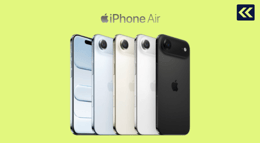
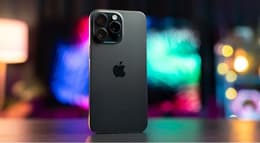
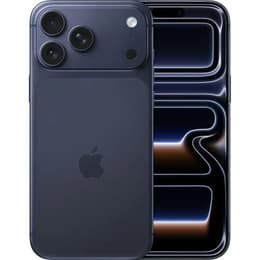
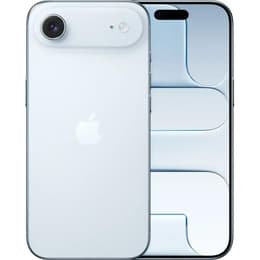
iPhone 17 Pro Max vs iPhone Air
- 1-year warranty
- Free standard shipping
- Free 30-day returns
Differences at a glance
The Apple iPhone 17 Pro Max and the iPhone Air represent two distinct approaches to smartphone engineering following their release in September 2025. While both devices belong to the nineteenth generation of Apple's lineup and operate on iOS, they cater to fundamentally different preferences. The iPhone 17 Pro Max functions as a feature-complete powerhouse built for maximum capability, whereas the iPhone Air prioritizes an ultra-slim, lightweight profile.
Understanding how these two models differ in physical build, daily performance, and everyday utility helps users determine which device best aligns with their personal requirements.
Available Models
Colour
Storage (GB)
Scores
Durability
Both smartphones share the same modern software foundation, though their physical construction and thermal management diverge significantly based on their intended form factors.
- Software Longevity: Both devices run current versions of iOS and receive identical multi-year update cycles, ensuring equal access to security updates and system features.
- Repairability and Build: The iPhone 17 Pro Max utilizes a traditional robust chassis designed for maximum structural resilience, while the iPhone Air adopts an ultra-thin frame that requires precise engineering for structural integrity.
- Practical Lifespan: Both models offer substantial hardware resilience, though users opting for a quality-assured refurbished option through Back Market can secure either device as a sustainable, longevity-focused choice.
Release year
2025
2025
Compatible with latest Update
Yes
Yes
Operating system
iOS
iOS
Foldable
No
No
Performance
Underneath the exterior, both devices handle intensive tasks smoothly, though they manage sustained heavy usage differently due to their physical dimensions and cooling capabilities.
- Multitasking and App Loading: Both smartphones handle demanding applications, complex mobile games, and rapid switching between background tasks seamlessly without stuttering.
- Battery Behavior: The larger footprint of the iPhone 17 Pro Max allows for a physically larger battery that comfortably sustains extended heavy use throughout a full day, whereas the slim profile of the iPhone Air requires more frequent recharging during intensive workflows.
- Storage Configurations: Both devices offer ample storage tiers starting at generous capacities, though the largest storage tier is exclusive to the larger Pro Max model for extensive media libraries.
Screen quality
Viewing experiences on both handsets feature advanced OLED panel technology, delivering high contrast and deep blacks for media consumption and daily navigation.
- Display Technology: Both models feature bright OLED screens equipped with adaptive refresh rates that scale smoothly up to 120Hz for fluid scrolling and responsive touch interaction.
- Outdoor Visibility: High peak brightness levels on both devices ensure clear readability and vibrant color reproduction when used under direct sunlight.
- Size and Immersion: The iPhone 17 Pro Max provides a larger 6.9-inch viewing area suited for productivity and media immersion, while the iPhone Air offers a slightly more compact 6.5-inch panel that balances screen estate with easier one-handed reach.
Resolution
2868x1320
2736x1260
Screen type
Super Retina XDR
Super Retina XDR
Audiovisual
Optics and media playback capabilities represent a major divergence point between the multi-lens configuration of the Pro model and the minimalist approach of the slim alternative.
- Camera Systems: The iPhone 17 Pro Max features a versatile triple-lens rear camera setup including high-resolution main, ultra-wide, and telephoto lenses for flexible framing, while the iPhone Air relies on a single high-resolution main camera.
- Audio Output: Media consumption on the iPhone 17 Pro Max benefits from robust stereo speaker output, whereas the iPhone Air utilizes a mono speaker setup due to its narrow profile.
- Video and Low-Light: Both models capture detailed 4K video and handle everyday lighting conditions efficiently, but the Pro Max excels in scenarios requiring optical zoom flexibility.
Main camera
48 megapixels
48 megapixels
Front camera
18 megapixels
18 megapixels
Miscellaneous
Practical daily usability elements such as connectivity, physical dimensions, and handling characteristics highlight the distinct design philosophies of each smartphone.
- Dimensions and Handling: The iPhone 17 Pro Max is heavier and larger, providing a substantial feel in the hand, whereas the iPhone Air is exceptionally thin and lightweight, making it effortless to carry in pockets or small bags.
- Connectivity: Both models support modern 5G cellular networks, rapid Wi-Fi standards, and secure facial recognition authentication for system security.
- Ports and Charging: Both devices utilize standard USB-C connectivity for charging and data transfer, alongside wireless charging compatibility.
Weight
233 oz
165 oz
Screen size (in)
6.9
6.5
Network
5G
5G
SIM card
eSIM
eSIM
Carrier compatibility
Unlocked
Unlocked
Connector
USB-C
USB-C
What the community thinks
Real-world user feedback indicates that consumer satisfaction largely depends on individual priorities regarding physical design versus hardware versatility. Users who prioritize maximum battery endurance, versatile multi-lens photography, and a larger viewing area frequently favor the iPhone 17 Pro Max. Conversely, users who value a lightweight footprint, comfortable pocketability, and a streamlined everyday tool often lean toward the iPhone Air.
Reviewing these practical trade-offs ensures an informed choice tailored to your daily habits. Selecting a quality-assured refurbished option through Back Market further provides a sustainable, eco-friendly alternative for acquiring either device.