'%3e%3cpath%20fill='%2310338c'%20d='M0%200h40v26.67H0V0'/%3e%3cpath%20fill='%23fff'%20d='m9.899%2016.971.856%201.828%201.922-.455-.856%201.82%201.549%201.261-1.93.447.008%202.028-1.55-1.27-1.54%201.27.008-2.028-1.93-.447%201.548-1.26-.863-1.82%201.93.454.848-1.828m20.226%203.552.404.87.919-.215-.413.87.74.599-.919.207v.974l-.732-.607-.739.607.008-.974-.918-.207.739-.599-.412-.87.918.215.405-.87M25.097%209.986l.405.87.918-.215-.412.87.74.599-.92.215v.966l-.73-.607-.74.607.008-.966-.926-.215.739-.599-.412-.87.918.215.412-.87m5.028-7.2.404.87.919-.215-.413.87.74.598-.919.216V6.09l-.732-.607-.739.607.008-.966-.918-.216.739-.598-.412-.87.918.215.405-.87m4.552%205.245.405.87L36%208.685l-.413.87.74.599-.918.207v.974l-.732-.606-.74.606v-.974l-.918-.207.74-.599-.413-.87.919.216.412-.87m-2.91%205.26.319%201.014h1.035l-.84.623.326%201.013-.84-.63-.84.63.318-1.014-.833-.622h1.036l.319-1.014M19.922%200v2.443l-3.51%202.003h3.51V9.18h-4.599l4.6%202.618v1.828h-2.079l-5.72-3.264v3.264H7.799v-3.88l-6.802%203.88H0v-2.442L3.518%209.18H0V4.446h4.6L0%201.82V0h2.078l5.72%203.257V0h4.326v3.88L18.935%200h.988'/%3e%3cpath%20fill='%23d80027'%20d='M11.206%200h-2.49v5.532H0v2.554h8.716v5.54h2.49v-5.54h8.716V5.532h-8.716V0'/%3e%3cpath%20fill='%230052b4'%20d='m12.125%209.18%207.797%204.446v-1.26L14.335%209.18h-2.21'/%3e%3cpath%20fill='%23fff'%20d='m12.125%209.18%207.797%204.446v-1.26L14.335%209.18h-2.21'/%3e%3cpath%20fill='%23d80027'%20d='m12.125%209.18%207.797%204.446v-1.26L14.335%209.18h-2.21m-6.53%200L0%2012.365v1.261L7.798%209.18H5.595'/%3e%3cpath%20fill='%230052b4'%20d='M7.798%204.446%200%200v1.253l5.595%203.193h2.203'/%3e%3cpath%20fill='%23fff'%20d='M7.798%204.446%200%200v1.253l5.595%203.193h2.203'/%3e%3cpath%20fill='%23d80027'%20d='M7.798%204.446%200%200v1.253l5.595%203.193h2.203m6.537%200%205.587-3.193V0l-7.798%204.446h2.21'/%3e%3c/g%3e%3cdefs%3e%3cclipPath%20id='country-flag-au-a'%3e%3cpath%20fill='%23fff'%20d='M0%200h40v26.67H0z'/%3e%3c/clipPath%3e%3c/defs%3e%3c/svg%3e)
'%3e%3cpath%20fill='%23f0f0f0'%20d='M40%200H0v26.666h40V0'/%3e%3cpath%20fill='%23d80027'%20d='M40%200H0v8.889h40V0m0%2017.778H0v8.888h40v-8.888'/%3e%3c/g%3e%3cdefs%3e%3cclipPath%20id='country-flag-at-a'%3e%3cpath%20fill='%23fff'%20d='M0%200h40v26.67H0z'/%3e%3c/clipPath%3e%3c/defs%3e%3c/svg%3e)
'%3e%3cpath%20fill='%23ffda44'%20d='M40%200H0v26.67h40V0'/%3e%3cpath%20fill='%23000'%20d='M13.333%200H0v26.67h13.333V0'/%3e%3cpath%20fill='%23d80027'%20d='M40%200H26.667v26.67H40V0'/%3e%3c/g%3e%3cdefs%3e%3cclipPath%20id='country-flag-be-a'%3e%3cpath%20fill='%23fff'%20d='M0%200h40v26.67H0z'/%3e%3c/clipPath%3e%3c/defs%3e%3c/svg%3e)
'%3e%3cpath%20fill='%23000'%20d='M40%200H0v8.89h40V0'/%3e%3cpath%20fill='%23d80027'%20d='M40%208.89H0v8.89h40V8.89'/%3e%3cpath%20fill='%23ffda44'%20d='M40%2017.78H0v8.89h40v-8.89'/%3e%3c/g%3e%3cdefs%3e%3cclipPath%20id='country-flag-de-a'%3e%3cpath%20fill='%23fff'%20d='M0%200h40v26.67H0z'/%3e%3c/clipPath%3e%3c/defs%3e%3c/svg%3e)
'%3e%3cpath%20fill='%23ffda44'%20d='M40%200H0v26.667h40V0'/%3e%3cpath%20fill='%23d80027'%20d='M40%200H0v8.889h40V0m0%2017.777H0v8.89h40v-8.89'/%3e%3c/g%3e%3cdefs%3e%3cclipPath%20id='country-flag-es-a'%3e%3cpath%20fill='%23fff'%20d='M0%200h40v26.67H0z'/%3e%3c/clipPath%3e%3c/defs%3e%3c/svg%3e)
'%3e%3cpath%20fill='%23f0f0f0'%20d='M40%200H0v26.667h40V0'/%3e%3cpath%20fill='%232e52b2'%20d='M40%2011.667V15H14.348v11.667h-3.334V15H0v-3.333h11.014V0h3.334v11.667H40'/%3e%3c/g%3e%3cdefs%3e%3cclipPath%20id='country-flag-fi-a'%3e%3cpath%20fill='%23fff'%20d='M0%200h40v26.67H0z'/%3e%3c/clipPath%3e%3c/defs%3e%3c/svg%3e)
'%3e%3cpath%20fill='%23f0f0f0'%20d='M40%200H0v26.667h40V0'/%3e%3cpath%20fill='%230052b4'%20d='M13.333%200H0v26.667h13.333V0'/%3e%3cpath%20fill='%23d80027'%20d='M40%200H26.667v26.667H40V0'/%3e%3c/g%3e%3cdefs%3e%3cclipPath%20id='country-flag-fr-a'%3e%3cpath%20fill='%23fff'%20d='M0%200h40v26.67H0z'/%3e%3c/clipPath%3e%3c/defs%3e%3c/svg%3e)
'%3e%3cpath%20fill='%23f0f0f0'%20d='M40%200H0v26.667h40V0'/%3e%3cpath%20fill='%23d80027'%20d='M22.5%200h-5v10.833H0v5h17.5v10.833h5V15.833H40v-5H22.5V0'/%3e%3cpath%20fill='%230052b4'%20d='M30.765%2017.97%2040%2023.102v-5.13h-9.235m-6.417-.002L40%2026.667v-2.459l-11.226-6.236h-4.426m11.482%208.694-11.482-6.38v6.38H35.83'/%3e%3cpath%20fill='%23f0f0f0'%20d='M24.348%2017.97%2040%2026.667v-2.459l-11.226-6.236h-4.426'/%3e%3cpath%20fill='%23d80027'%20d='M24.348%2017.97%2040%2026.667v-2.459l-11.226-6.236h-4.426'/%3e%3cpath%20fill='%230052b4'%20d='M7.058%2017.97%200%2021.891v-3.92h7.058m8.594%201.105v7.59H1.992l13.66-7.59'/%3e%3cpath%20fill='%23d80027'%20d='M11.226%2017.97%200%2024.208v2.46l15.652-8.696h-4.426'/%3e%3cpath%20fill='%230052b4'%20d='M9.235%208.696%200%203.565v5.13h9.235m6.417.001L0%200v2.459l11.226%206.237h4.426M4.17%200l11.482%206.38V0H4.17'/%3e%3cpath%20fill='%23f0f0f0'%20d='M15.652%208.696%200%200v2.459l11.226%206.237h4.426'/%3e%3cpath%20fill='%23d80027'%20d='M15.652%208.696%200%200v2.459l11.226%206.237h4.426'/%3e%3cpath%20fill='%230052b4'%20d='M32.942%208.696%2040%204.774v3.922h-7.058M24.348%207.59V0h13.66l-13.66%207.59'/%3e%3cpath%20fill='%23d80027'%20d='M28.774%208.696%2040%202.459V0L24.348%208.696h4.426'/%3e%3c/g%3e%3cdefs%3e%3cclipPath%20id='country-flag-gb-a'%3e%3cpath%20fill='%23fff'%20d='M0%200h40v26.67H0z'/%3e%3c/clipPath%3e%3c/defs%3e%3c/svg%3e)
'%3e%3cpath%20fill='%23f0f0f0'%20d='M40%200H0v26.666h40V0'/%3e%3cpath%20fill='%23338af3'%20d='M40%200H0v3.333h40V0m0%206.667H0V10h40V6.667m0%206.667H0v3.333h40v-3.334M40%2020H0v3.333h40V20'/%3e%3cpath%20fill='%23338af3'%20d='M14.782%200H0v13.334h14.782V0'/%3e%3cpath%20fill='%23f0f0f0'%20d='M14.782%205.186H0v2.962h14.782V5.186'/%3e%3cpath%20fill='%23f0f0f0'%20d='M8.872%200H5.91v13.334h2.962V0'/%3e%3c/g%3e%3cdefs%3e%3cclipPath%20id='country-flag-gr-a'%3e%3cpath%20fill='%23fff'%20d='M0%200h40v26.67H0z'/%3e%3c/clipPath%3e%3c/defs%3e%3c/svg%3e)
'%3e%3cpath%20fill='%23f0f0f0'%20d='M40%200H0v26.666h40V0'/%3e%3cpath%20fill='%236da544'%20d='M13.333%200H0v26.667h13.333V0'/%3e%3cpath%20fill='%23ff9811'%20d='M40%200H26.667v26.667H40V0'/%3e%3c/g%3e%3cdefs%3e%3cclipPath%20id='country-flag-ie-a'%3e%3cpath%20fill='%23fff'%20d='M0%200h40v26.67H0z'/%3e%3c/clipPath%3e%3c/defs%3e%3c/svg%3e)
'%3e%3cpath%20fill='%23f0f0f0'%20d='M26.667%200H0v26.667h40V0H26.667'/%3e%3cpath%20fill='%236da544'%20d='M13.333%200H0v26.667h13.333V0'/%3e%3cpath%20fill='%23d80027'%20d='M40%200H26.667v26.667H40V0'/%3e%3c/g%3e%3cdefs%3e%3cclipPath%20id='country-flag-it-a'%3e%3cpath%20fill='%23fff'%20d='M0%200h40v26.67H0z'/%3e%3c/clipPath%3e%3c/defs%3e%3c/svg%3e)
'%3e%3cpath%20fill='%23f0f0f0'%20fill-rule='evenodd'%20d='M0%20.86h40v26.67H0V.86'%20clip-rule='evenodd'/%3e%3cpath%20fill='%23d80027'%20d='M20%2021.835a8.5%208.5%200%201%200%200-17%208.5%208.5%200%200%200%200%2017'/%3e%3c/g%3e%3cdefs%3e%3cclipPath%20id='country-flag-jp-a'%3e%3cpath%20fill='%23fff'%20d='M0%200h40v26.67H0z'/%3e%3c/clipPath%3e%3c/defs%3e%3c/svg%3e)
'%3e%3cpath%20fill='%23a2001d'%20d='M40%200H0v8.89h40V0'/%3e%3cpath%20fill='%23f0f0f0'%20d='M40%208.89H0v8.89h40V8.89'/%3e%3cpath%20fill='%230052b4'%20d='M40%2017.78H0v8.89h40v-8.89'/%3e%3c/g%3e%3cdefs%3e%3cclipPath%20id='country-flag-nl-a'%3e%3cpath%20fill='%23fff'%20d='M0%200h40v26.67H0z'/%3e%3c/clipPath%3e%3c/defs%3e%3c/svg%3e)
'%3e%3cpath%20fill='%23d80027'%20d='M40%200H0v26.666h40V0'/%3e%3cpath%20fill='%236da544'%20d='M15.363%200v26.666H0V0h15.363'/%3e%3cpath%20fill='%23ffda44'%20d='M15.363%2018.335a5%205%200%201%200%200-10%205%205%200%200%200%200%2010'/%3e%3cpath%20fill='%23d80027'%20d='M12.55%2010.835v3.125a2.813%202.813%200%200%200%205.625%200v-3.125H12.55'/%3e%3cpath%20fill='%23f0f0f0'%20d='M15.362%2014.898a.94.94%200%200%201-.937-.938v-1.25H16.3v1.25a.94.94%200%200%201-.938.938'/%3e%3c/g%3e%3cdefs%3e%3cclipPath%20id='country-flag-pt-a'%3e%3cpath%20fill='%23fff'%20d='M0%200h40v26.67H0z'/%3e%3c/clipPath%3e%3c/defs%3e%3c/svg%3e)
'%3e%3cpath%20fill='%230052b4'%20d='M40%200H0v26.667h40V0'/%3e%3cpath%20fill='%23ffda44'%20d='M15%200h-5v10.833H0v5h10v10.834h5V15.833h25v-5H15V0'/%3e%3c/g%3e%3cdefs%3e%3cclipPath%20id='country-flag-se-a'%3e%3cpath%20fill='%23fff'%20d='M0%200h40v26.67H0z'/%3e%3c/clipPath%3e%3c/defs%3e%3c/svg%3e)
'%3e%3cpath%20fill='%23f0f0f0'%20d='M40%200H0v26.666h40V0'/%3e%3cpath%20fill='%230052b4'%20d='M40%208.696H0v9.275h40V8.696'/%3e%3cpath%20fill='%23d80027'%20d='M40%2017.97H0v8.696h40v-8.695'/%3e%3cpath%20fill='%23f0f0f0'%20d='M10.115%207.538v6.651c0%203.784%204.942%204.943%204.942%204.943S20%2017.972%2020%2014.189V7.538h-9.885'/%3e%3cpath%20fill='%23d80027'%20d='M11.416%207.733v6.402a2.7%202.7%200%200%200%20.283%201.21h6.717a2.7%202.7%200%200%200%20.283-1.21V7.733h-7.283'/%3e%3cpath%20fill='%23f0f0f0'%20d='M17.29%2012.196h-1.675v-1.115h1.116V9.965h-1.116V8.849H14.5v1.116h-1.115v1.116H14.5v1.115h-1.673v1.116H14.5v1.116h1.116v-1.116h1.674v-1.116'/%3e%3cpath%20fill='%230052b4'%20d='M13.221%2016.902a8%208%200%200%200%201.836.83%208%208%200%200%200%201.836-.83q1.09-.685%201.523-1.558a1.94%201.94%200%200%200-1.57-.306%201.953%201.953%200%200%200-3.576%200%201.96%201.96%200%200%200-1.57.306q.433.872%201.521%201.558'/%3e%3c/g%3e%3cdefs%3e%3cclipPath%20id='country-flag-sk-a'%3e%3cpath%20fill='%23fff'%20d='M0%200h40v26.67H0z'/%3e%3c/clipPath%3e%3c/defs%3e%3c/svg%3e)
'%3e%3cpath%20fill='%23f0f0f0'%20d='M40%200H0v26.667h40V0'/%3e%3cpath%20fill='%23d80027'%20d='M40%2024.5v2.1H0v-2.1h40m0-2.15H0v-2.1h40v2.1m0-4H0v-2.1h40v2.1m0-4H0v-2.1h40v2.1m0-4.25H0V8h40v2.1m0-4H0V4h40v2.1m0-4H0V0h40v2.1'/%3e%3cpath%20fill='%232e52b2'%20d='M20%200H0v14.36h20V0'/%3e%3cpath%20fill='%23f0f0f0'%20d='M1.927%2012.964H2.5l-.464.337.178.545L1.75%2013.51l-.464.336.178-.545L1%2012.964h.573L1.75%2012.42l.177.545m3.172%200h.573l-.464.337.177.545-.463-.336-.464.336.178-.545-.464-.337h.573l.177-.545.177.545m3.172%200h.573L8.38%2013.301l.177.545-.463-.336-.464.336.177-.545-.463-.337h.572l.178-.545.177.545m3.171%200h.574l-.464.337.177.545-.463-.336-.464.336.177-.545-.463-.337h.572l.178-.545.176.545m3.485%200H15.5l-.464.337.178.545-.464-.336-.464.336.178-.545L14%2012.964h.573l.177-.545.177.545m3.5%200H19l-.464.337.178.545-.464-.336-.464.336.178-.545-.464-.337h.573l.177-.545.177.545m-15-1.406H4l-.464.337.178.545-.464-.337-.464.337.178-.545L2.5%2011.558h.573l.177-.545.177.545m3.172%200h.573l-.464.337.177.545-.463-.337-.464.337.178-.545-.464-.337h.573l.177-.545.177.545m3.172%200h.573L9.88%2011.895l.177.545-.463-.337L9.13%2012.44l.177-.545-.463-.337h.572l.178-.545.177.545m3.171%200h.574l-.464.337.177.545-.463-.337-.464.337.177-.545-.463-.337h.572l.178-.545.176.545m3.485%200H17l-.464.337.178.545-.464-.337-.464.337.178-.545-.464-.337h.573l.177-.545.177.545m-14.5-1.57H2.5l-.464.337.178.545-.464-.337-.464.337.178-.545L1%209.988h.573L1.75%209.443l.177.545m3.172%200h.573l-.464.337.177.545-.463-.337-.464.337.178-.545-.464-.337h.573l.177-.545.177.545m3.172%200h.573L8.38%2010.325l.177.545-.463-.337L7.63%2010.87l.177-.545-.463-.337h.572l.178-.545.177.545m3.171%200h.574l-.464.337.177.545-.463-.337-.464.337.177-.545-.463-.337h.572l.178-.545.176.545m3.485%200H15.5l-.464.337.178.545-.464-.337-.464.337.178-.545L14%209.988h.573l.177-.545.177.545m3.5%200H19l-.464.337.178.545-.464-.337-.464.337.178-.545L17.5%209.988h.573l.177-.545.177.545m-15-1.43H4L3.536%208.895%203.714%209.44%203.25%209.103%202.786%209.44l.178-.545L2.5%208.558h.573L3.25%208.013l.177.545m3.172%200h.573L6.708%208.895%206.885%209.44%206.422%209.103%205.958%209.44l.178-.545-.464-.337h.573l.177-.545.177.545m3.172%200h.573L9.88%208.895l.177.545-.463-.337L9.13%209.44l.177-.545-.463-.337h.572l.178-.545.177.545m3.171%200h.574l-.464.337.177.545-.463-.337-.464.337.177-.545-.463-.337h.572l.178-.545.176.545m3.485%200H17l-.464.337.178.545-.464-.337-.464.337.178-.545L15.5%208.558h.573l.177-.545.177.545m-14.5-1.547H2.5L2.036%207.348l.178.545L1.75%207.556%201.286%207.893l.178-.545L1%207.011h.573L1.75%206.466l.177.545m3.172%200h.573L5.208%207.348l.177.545-.463-.337-.464.337.178-.545-.464-.337h.573l.177-.545.177.545m3.172%200h.573L8.38%207.348l.177.545-.463-.337L7.63%207.893l.177-.545-.463-.337h.572l.178-.545.177.545m3.171%200h.574l-.464.337.177.545-.463-.337-.464.337.177-.545-.463-.337h.572l.178-.545.176.545m3.485%200H15.5l-.464.337.178.545-.464-.337-.464.337.178-.545L14%207.011h.573l.177-.545.177.545m3.5%200H19l-.464.337.178.545-.464-.337-.464.337.178-.545L17.5%207.011h.573l.177-.545.177.545m-15-1.453H4L3.536%205.895%203.714%206.44%203.25%206.103%202.786%206.44l.178-.545L2.5%205.558h.573L3.25%205.013l.177.545m3.172%200h.573L6.708%205.895%206.885%206.44%206.422%206.103%205.958%206.44l.178-.545-.464-.337h.573l.177-.545.177.545m3.172%200h.573L9.88%205.895l.177.545-.463-.337L9.13%206.44l.177-.545-.463-.337h.572l.178-.545.177.545m3.171%200h.574l-.464.337.177.545-.463-.337-.464.337.177-.545-.463-.337h.572l.178-.545.176.545m3.485%200H17l-.464.337.178.545-.464-.337-.464.337.178-.545L15.5%205.558h.573l.177-.545.177.545m-14.5-1.523H2.5L2.036%204.37l.178.545L1.75%204.58%201.286%204.916l.178-.545L1%204.035h.573L1.75%203.49l.177.545m3.172%200h.573L5.208%204.37l.177.545L4.922%204.58%204.458%204.916l.178-.545-.464-.336h.573L4.922%203.49l.177.545m3.172%200h.573L8.38%204.37l.177.545L8.094%204.58%207.63%204.916l.177-.545-.463-.336h.572L8.094%203.49%208.27%204.035m3.171%200h.574L11.552%204.37l.177.545-.463-.337-.464.337.177-.545-.463-.336h.572l.178-.545.176.545m3.485%200H15.5L15.036%204.37l.178.545L14.75%204.58l-.464.337.178-.545L14%204.035h.573L14.75%203.49l.177.545m3.5%200H19L18.536%204.37l.178.545L18.25%204.58l-.464.337.178-.545L17.5%204.035h.573L18.25%203.49l.177.545m-15-1.477H4L3.536%202.895%203.714%203.44%203.25%203.103%202.786%203.44l.178-.545L2.5%202.558h.573L3.25%202.013l.177.545m3.172%200h.573L6.708%202.895%206.885%203.44%206.422%203.103%205.958%203.44l.178-.545-.464-.337h.573l.177-.545.177.545m3.172%200h.573L9.88%202.895l.177.545-.463-.337L9.13%203.44l.177-.545-.463-.337h.572l.178-.545.177.545m3.171%200h.574l-.464.337.177.545-.463-.337-.464.337.177-.545-.463-.337h.572l.178-.545.176.545m3.485%200H17l-.464.337.178.545-.464-.337-.464.337.178-.545L15.5%202.558h.573l.177-.545.177.545m-14.5-1.5H2.5L2.036%201.395%202.214%201.94%201.75%201.603%201.286%201.94l.178-.545L1%201.058h.573L1.75.513l.177.545m3.172%200h.573L5.208%201.395%205.385%201.94%204.922%201.603%204.458%201.94l.178-.545-.464-.337h.573l.177-.545.177.545m3.172%200h.573L8.38%201.395%208.557%201.94%208.094%201.603%207.63%201.94l.177-.545-.463-.337h.572l.178-.545.177.545m3.171%200h.574l-.464.337.177.545-.463-.337-.464.337.177-.545-.463-.337h.572l.178-.545.176.545m3.485%200H15.5l-.464.337.178.545-.464-.337-.464.337.178-.545L14%201.058h.573l.177-.545.177.545m3.5%200H19l-.464.337.178.545-.464-.337-.464.337.178-.545L17.5%201.058h.573l.177-.545.177.545'/%3e%3c/g%3e%3cdefs%3e%3cclipPath%20id='country-flag-us-a'%3e%3cpath%20fill='%23fff'%20d='M0%200h40v26.67H0z'/%3e%3c/clipPath%3e%3c/defs%3e%3c/svg%3e)


The iPhone 17 Pro Max is the standout model of the 2025 iPhone 17 series, earning strong reviews for its A19 Pro chip, large 6.9-inch display, and a 48-megapixel telephoto camera built for serious photography and video. That said, the new retail price is significant, and it's a fair question whether it's worth the premium. In this review, we break down the iPhone 17 Pro Max's specs and performance, compare it with the iPhone 17 Pro and previous-generation models, and help you work out which option is right for you.
iPhone 17 Pro Max review overview: pros and cons
The iPhone 17 Pro Max is the top-of-the-range model in the iPhone 17 series. It's an excellent choice for serious photographers, videographers, and gamers, but the price is a genuine barrier for many buyers.
iPhone 17 Pro Max release dates
The iPhone 17 Pro Max followed Apple's usual September release schedule, launching at the same time as the iPhone 17, iPhone 17 Pro, and iPhone Air.
Announcement date: 10 September 2025
Pre-order date: 12 September 2025
Release date: 19 September 2025
The iPhone 16 series launched on 20 September 2024, keeping to a very similar annual schedule. The main numbered iPhone models consistently release in September, while more affordable models like the iPhone 16e tend to launch in March or April.
iPhone 17 Pro Max pros and cons
Compared to previous-generation models, the iPhone 17 Pro Max brings real improvements in camera and processor performance. That said, the upgrade from an iPhone 16 Pro Max is incremental rather than transformative, which raises questions about value for money.
Pros | Cons | |
Processor | Latest A19 Pro chip, well suited for video editing and demanding games | For most everyday smartphone tasks, the performance improvement is barely noticeable |
Camera | Improved telephoto and front cameras, up to 8x optical-quality zoom | The iPhone 16 Pro Max already delivers outstanding camera performance |
Display and size | Large 6.9-inch screen is great for streaming and content creation | The size and weight make it awkward to use with one hand |
Battery | Largest battery in the iPhone 17 series, up to 37 hours video playback | Using 120Hz ProMotion increases battery drain more quickly |
Other | Improved cooling system for sustained video recording and gaming sessions | The largest and heaviest model in the iPhone 17 series |
Price | Refurbished options will become increasingly affordable over time | High retail price at launch |
To be straightforward: if you don't have strong opinions about cutting-edge specs, a refurbished iPhone 16 Pro Max will serve you just as well. But if exceptional camera performance and battery life are genuine priorities, the iPhone 17 Pro Max is worth it.
The retail price is significant, with Pro Max models starting above A$2,000. If the cost is a concern, a refurbished device is by far the most practical way to get this level of performance.
Refurbished price:A$1,089.00
Versus A$1,499.00 new

Refurbished price:A$1,651.59
Versus A$1,749.00 new
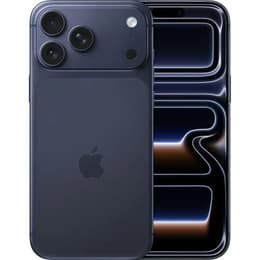
Refurbished price:A$1,779.00
Versus A$2,199.00 new
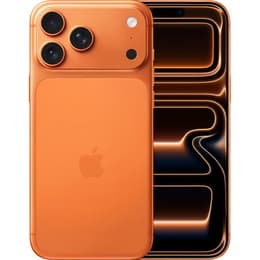
Refurbished price:A$1,799.00
Versus A$2,199.00 new
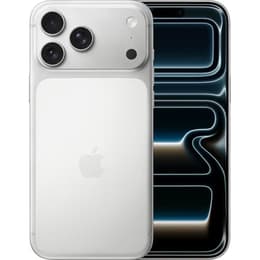
Refurbished price:A$1,849.00
Versus A$2,599.00 new
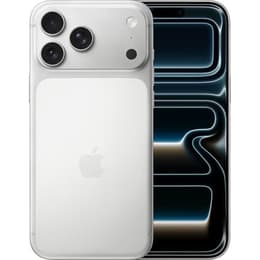
Refurbished price:A$1,876.00
Versus A$1,999.00 new
Refurbished price:A$2,025.00
Versus A$2,599.00 new
Refurbished price:A$2,159.00
- (1)
Refurbished price:A$2,199.00
Versus A$2,399.00 new
- (1)
Refurbished price:A$2,199.00
Versus A$2,399.00 new
- (1)
Refurbished price:A$2,199.00
Versus A$2,399.00 new
iPhone 17 Pro Max full specs
The iPhone 17 Pro Max is the largest model in the iPhone 17 series. While the iPhone Air is a big-screen phone in its own right at 6.5 inches, the Pro Max takes it further with a larger display, more cameras, and a bigger battery.
iPhone 17 Pro Max specifications | Details |
Body size | 6.9 inches (163.4 × 78.0 × 8.75mm, 231g) |
Display | Super Retina XDR OLED (adaptive refresh rate up to 120Hz) |
Processor | A19 Pro chip (12GB RAM) |
Storage | 256GB / 512GB / 1TB / 2TB |
Camera | Rear wide: 48MP / Ultra-wide: 48MP / Telephoto: 48MP / Front: 18MP |
Battery | Up to 37 hours video playback |
Biometrics | Face ID |
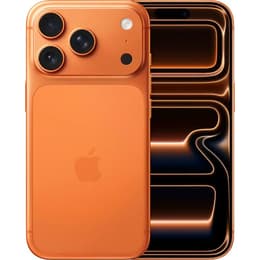
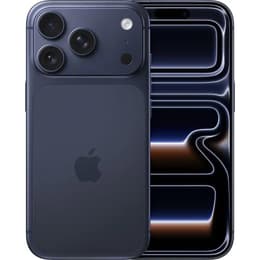
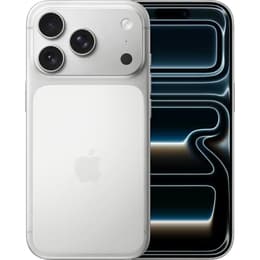
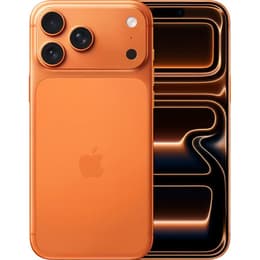
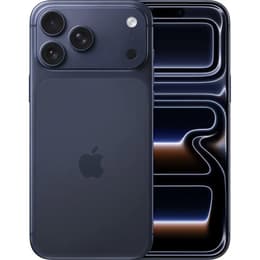
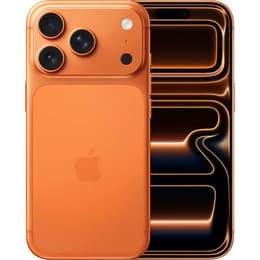
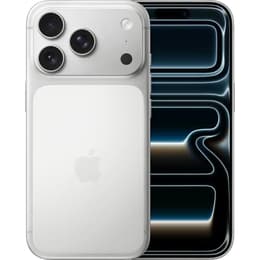
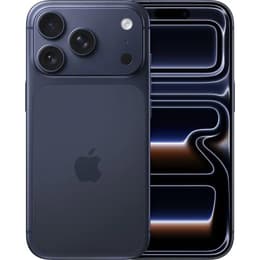
Colours | Silver, Cosmic Orange, Deep Blue |
Connector | USB-C (USB 3) |
SIM | Nano-SIM + eSIM |
A note on SIM compatibility: in Australia, the iPhone 17 Pro Max supports both a physical nano-SIM and eSIM, so you can continue using your existing SIM card without any changes. If you're upgrading from an older iPhone or Android device, no SIM migration is needed.
iPhone 17 Pro Max pricing and storage review
The iPhone 17 Pro Max was expected to come with a price increase even before launch, and that turned out to be the case. It's priced higher than the iPhone 16 Pro Max across all storage tiers, and the new 2TB option pushes into territory few smartphones have reached before.
iPhone 17 Pro Max release pricing and storage options
Here are the Apple Store AU recommended retail prices for the iPhone 17 Pro Max. In addition to 256GB, 512GB, and 1TB, the 2TB option is new to this model.
iPhone 17 Pro Max (AUD) | |
256 GB | A$2,199 |
512 GB | A$2,599 |
1 TB | A$2,999 |
2 TB | A$3,799 |
Prices are Apple Store AU RRP and are subject to change.
At over A$2,900 for the 1TB model and A$3,700 for the 2TB, these are significant price points. With ongoing cost pressures in the broader economy, significant price reductions in the near term seem unlikely. In practice, 2TB of storage will suit only a very small number of users. Even for serious content creators doing video editing on-device, 512GB or 1TB will cover most use cases comfortably.
Refurbished price:A$1,089.00
Versus A$1,499.00 new
Refurbished price:A$1,651.59
Versus A$1,749.00 new
Refurbished price:A$1,779.00
Versus A$2,199.00 new
Refurbished price:A$1,799.00
Versus A$2,199.00 new
Refurbished price:A$1,849.00
Versus A$2,599.00 new
Refurbished price:A$1,876.00
Versus A$1,999.00 new
Refurbished price:A$2,025.00
Versus A$2,599.00 new
Refurbished price:A$2,159.00
- (1)
Refurbished price:A$2,199.00
Versus A$2,399.00 new
- (1)
Refurbished price:A$2,199.00
Versus A$2,399.00 new
- (1)
Refurbished price:A$2,199.00
Versus A$2,399.00 new
Want to save? A refurbished previous-generation iPhone is the smart choice
If budget is a consideration, a refurbished older iPhone is a far more practical option than buying a new iPhone 17 Pro Max. Back Market offers a wide selection of refurbished iPhones, and here are the approximate starting prices for the iPhone 15 and iPhone 16 series as of 28 July 2026:
Prices are subject to change. Check Back Market AU for the latest listings.
128 GB | 256 GB | 512 GB | |
from A$729 | from A$769 | - | |
from A$759 | from A$981 | - | |
from A$856 | from A$899 | from A$1,359 | |
- | from A$1,001 | from A$1,139 | |
from A$950 | from A$1,141 | - | |
from A$1,041 | from A$1,069 | - | |
from A$1,057 | from A$1,397 | from A$1,649 | |
- | from A$1,350 | from A$1,560 | |
from A$719 | from A$819 | from A$899 |
Unlike second-hand phones, Back Market's refurbished devices go through professional inspection, cleaning, and any necessary repairs or parts replacement before sale, ensuring consistent quality and reliability.
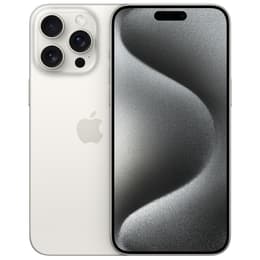
Older iPhone models remain highly capable. The iPhone 15 Pro Max in particular is a strong refurbished buy, with Apple Intelligence support, USB-C connectivity, and a camera system that still competes with newer models.
- (97)
Refurbished price:A$1,025.00
Versus A$2,199.00 new
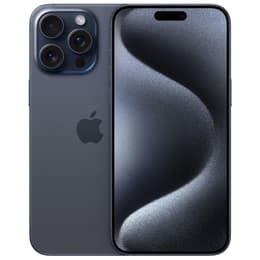
- (114)
Refurbished price:A$1,049.00
Versus A$2,199.00 new
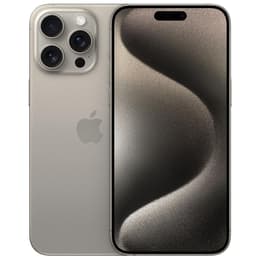
- (117)
Refurbished price:A$1,080.00
Versus A$2,199.00 new
- (108)
Refurbished price:A$1,039.00
Versus A$2,199.00 new
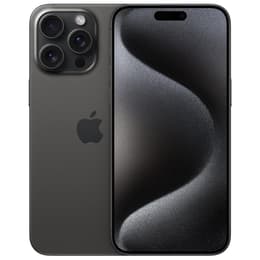
- (112)
Refurbished price:A$1,139.00
Versus A$2,549.00 new
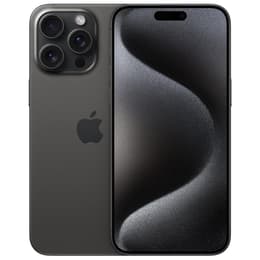
- (116)
Refurbished price:A$1,200.00
Versus A$2,549.00 new
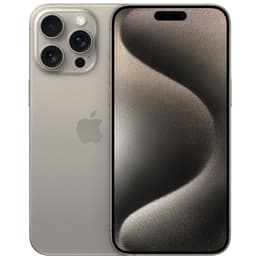
- (115)
Refurbished price:A$1,239.00
Versus A$2,549.00 new
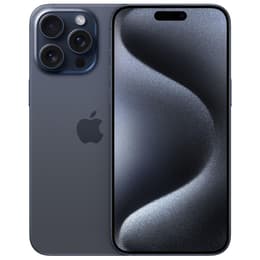
- (79)
Refurbished price:A$1,289.00
Versus A$2,549.00 new
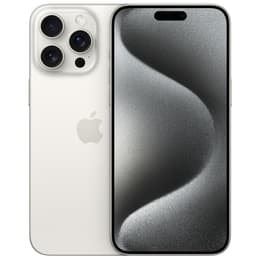
- (77)
Refurbished price:A$1,349.00
Versus A$2,899.00 new
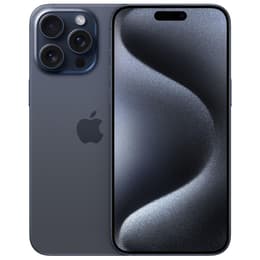
- (113)
Refurbished price:A$1,435.00
Versus A$2,899.00 new
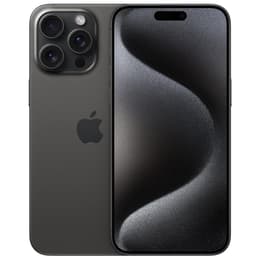
- (102)
Refurbished price:A$1,499.00
Versus A$2,899.00 new
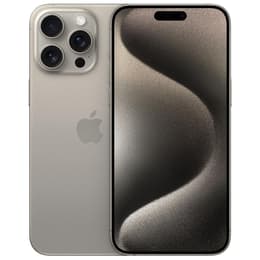
- (44)
Refurbished price:A$1,541.00
Versus A$2,899.00 new
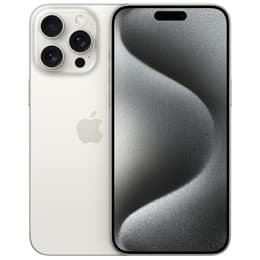
What's the difference between the iPhone 17 Pro Max and iPhone 17 Pro?
When evaluating the iPhone 17 Pro Max, the natural comparison is with the iPhone 17 Pro. The two models share the same chip and camera system, but differ in screen size, battery, and storage options. For a detailed look at the Pro model, see our iPhone 17 Pro review.
Screen size: the Pro Max is 6.9 inches
Continuing from the iPhone 16 Pro Max, the iPhone 17 Pro Max has a 6.9-inch display, the largest in iPhone history. The iPhone 17 Pro, by comparison, comes in at 6.3 inches, making it noticeably smaller and easier to handle in everyday situations.
If you regularly watch video, or type long emails and messages on your phone, the Pro Max's larger screen is a genuine advantage. But the larger body also means more weight, so if pocketability matters to you, the iPhone 17 Pro is the more practical choice. And if you're happy to trade some camera performance and battery life for a slim and light design, the iPhone Air's 6.5-inch display is also worth considering.
Battery: the Pro Max has significantly longer endurance
The iPhone 17 Pro Max's larger chassis also means a larger battery, and the difference is meaningful. Here's how the iPhone 17 series compares on battery:
iPhone 17 series | Battery capacity | Video playback |
3,692mAh | Up to 30 hours | |
3,149mAh | Up to 27 hours | |
4,252mAh | Up to 31 hours | |
5,088mAh | Up to 37 hours |
And for reference, here's how the iPhone 16 series compares:
iPhone 16 series | Battery capacity | Video playback |
3,561mAh | Up to 22 hours | |
4,674mAh | Up to 27 hours | |
3,582mAh | Up to 27 hours | |
4,685mAh | Up to 33 hours |
Figures based on Apple's published estimates. Actual battery life varies with usage.
The iPhone 17 Pro Max surpasses every previous iPhone in battery endurance, making it an excellent choice for days when you're out and about for extended periods, whether gaming, shooting video, or just using your phone heavily all day.
Both the iPhone 17 Pro and iPhone 17 Pro Max support the same fast charging speed: up to 50% in 20 minutes with a 40W or higher adapter. This is an improvement over the iPhone 16 Pro and Pro Max, making a quick top-up before heading out much more practical.
Camera performance: identical across Pro and Pro Max
In some previous generations, the Pro and Pro Max had different camera capabilities. In the iPhone 15 series, for example, the Pro Max offered 5x optical zoom while the Pro was limited to 3x. The iPhone 16 series brought the Pro and Pro Max to parity, and iPhone 17 continues that approach.
Both the iPhone 17 Pro and iPhone 17 Pro Max offer the same camera system, including up to 8x optical-quality zoom. Here's how that compares across generations:
Pro Max | Pro | |
iPhone 17 series | Up to 8x optical-quality zoom | Up to 8x optical-quality zoom |
iPhone 16 series | Up to 5x optical zoom | Up to 5x optical zoom |
iPhone 15 series | Up to 5x optical zoom | Up to 3x optical zoom |
Note: The iPhone 17 Pro and Pro Max have a dedicated 4x optical telephoto lens (100mm). Combined with a 2x digital crop from the main sensor, this delivers up to 8x optical-quality zoom.
The main camera-related difference between Pro and Pro Max is storage: the iPhone 17 Pro goes up to 1TB, while the Pro Max extends to 2TB. For content creators who want to keep everything on-device without external storage, that extra capacity on the Pro Max is a real differentiator.
The case for the iPhone 17 Pro: lighter and more affordable
While the iPhone 17 Pro Max offers a larger display and better battery life, the size and weight can be a drawback. At 204 grams, the iPhone 17 Pro is noticeably lighter and easier to use with one hand. It's also A$200 cheaper at the same storage tier, which is a meaningful saving.
If the telephoto camera is the main reason you're looking at the Pro range, and you don't specifically need the bigger screen or extra battery endurance, the iPhone 17 Pro is well worth considering.
iPhone 17 Pro Max camera review
The iPhone 17 Pro Max's camera system earns strong reviews, with notable improvements to the telephoto lens, front camera, and a range of new creative features.
Telephoto camera upgraded to 48 megapixels
The telephoto camera on the iPhone 17 Pro Max has been significantly upgraded, jumping from 12MP to 48MP. Combined with the 48MP main wide and 48MP ultra-wide cameras, all three rear lenses now share the same 48MP resolution, creating a more consistent and high-quality shooting experience across the range.
For users who shoot a lot with the telephoto lens and care about image detail, this upgrade is a genuine step forward. The improvement in zoom performance is equally impressive, with up to 8x optical-quality zoom now available on both the iPhone 17 Pro and Pro Max.
All iPhone 17 models get front camera upgrades and Dual Capture
Across the entire iPhone 17 series, the front camera has been upgraded from 12MP to 18MP. If you use the front camera regularly for video calls or taking selfies, the improved clarity will be noticeable.
New features have also been added:
Dual Capture: Record video simultaneously from both the front and rear cameras
Centre Stage: Keeps you centred in the frame during video calls, now extended to the front camera
Ultra-stabilised video on the front camera for smoother handheld shooting
On the AI side, Apple Intelligence continues to improve photo and video processing. While high-end Android camera AI (particularly from Google's computational photography) still leads in some areas, the new Centre Stage and related features bring a meaningful upgrade to the front camera experience.
8K video is not supported
The iPhone 17 Pro Max brings a host of professional video tools, including ProRes RAW, Apple Log 2, and Genlock (which synchronises multiple cameras for professional multi-camera shoots). However, one of the more widely anticipated features, 8K video recording, has not arrived. Like the iPhone 16 Pro and Pro Max, the iPhone 17 Pro Max tops out at 4K at up to 120fps. For most content creators, 4K ProRes RAW is more than capable, and the omission of 8K is unlikely to affect the majority of users.
The iPhone 17 Pro Max is built for serious video
Compared to the standard iPhone 17 and iPhone Air, the Pro Max stands clearly apart in video capability. While the iPhone 17 does support macro photography and spatial photos, it doesn't support ProRes RAW or Apple Log 2 video, which are exclusive to the Pro models.
Add in the Pro Max's class-leading battery life, and you have a phone that's genuinely built for heavy use: long video shoots, professional content creation, and sharing high-quality footage across social platforms. For users who push their iPhone hard for work or creative projects, the Pro Max is the right choice.
Shared specs between the iPhone 17 Pro Max and iPhone 17 Pro
The iPhone 17 Pro and Pro Max share a lot in common beyond just the camera. Both feature the same improved cooling system and the same display technology, giving both models a stability advantage over the rest of the iPhone 17 range.
Design and colour options
The most visually striking change to the iPhone 17 Pro Max is the new horizontal camera bar across the back. Previous Pro Max models grouped the cameras in a square camera island, but the iPhone 17 Pro Max switches to a wide bar that spans the back of the device. The design has divided opinion, with some welcoming the fresh look and others finding it at odds with Apple's traditionally minimal aesthetic.
The frame material is also new. Previous Pro and Pro Max models used titanium, but the iPhone 17 Pro Max switches to aluminium. While titanium was valued for its strength and weight, aluminium actually dissipates heat more efficiently, which contributes to the improved thermal management in this model. Many users have noted that the iPhone 17 Pro Max runs cooler than previous Pro models under load.
This material change does mean the iPhone 17 Pro Max is slightly heavier than the iPhone 16 Pro Max, coming in at 231g. The camera bar is also more visually prominent than the square camera island of previous generations. For users who loved the clean, subtle look of earlier Pro iPhones, the new design may take some getting used to.
The camera bar design is shared between Pro and Pro Max, and so is the colour line-up: both models come in Silver, Deep Blue, and Cosmic Orange. Previous Pro models had a refined, metallic palette that suited the titanium finish. The iPhone 17 Pro Max introduces a bolder direction with Cosmic Orange. For a full comparison of colours across the iPhone 17 range, see our iPhone 17 colour guide.
Display
The displays on the iPhone 17 Pro and Pro Max are identical in spec, apart from physical size. Both support up to 120Hz adaptive refresh rate, and both reach 3,000 nits of peak outdoor brightness, which makes them excellent for use in direct sunlight. Notably, the standard iPhone 17 and iPhone Air share the same refresh rate and brightness specs, so the display performance advantage of the Pro models is mostly in the larger size, higher resolution, and Always-On support at lower brightness.
The iPhone 17 series also introduces Ceramic Shield 2 on the front glass across all models. The back glass on the Air, Pro, and Pro Max models uses Ceramic Shield as well, while the standard iPhone 17's back glass uses a different material.
Processor performance
Both the iPhone 17 Pro and Pro Max use the A19 Pro chip with 12GB of RAM, delivering a step up over the standard iPhone 17's A19. The performance is more than capable of handling intensive tasks like video editing, multi-app use, and demanding games without breaking a sweat.
In terms of raw benchmark performance, the two Pro models are very close. Here's how the full iPhone 17 range compares, based on scores published by nanoreview.net:
iPhone 17 | iPhone Air | iPhone 17 Pro | iPhone 17 Pro Max | |
Geekbench 6 (single-core) | 3,730 | 3,736 | 3,781 | 3,933 |
Geekbench 6 (multi-core) | 9,382 | 9,737 | 9,553 | 10,223 |
AnTuTu Benchmark 10 | 2,300,150 | 2,116,925 | 2,707,681 | 2,600,719 |
One interesting result in the AnTuTu scores is that the iPhone Air, despite using the A19 Pro chip, scores lower than the standard iPhone 17 in sustained performance. This is consistent with the earlier point about thermal management: the Air's slim 5.64mm frame limits heat dissipation, causing it to throttle performance under prolonged load. The standard iPhone 17 with its A19 chip and thicker design can sustain better performance over time.
Cooling system
The improved vapour chamber cooling system in the iPhone 17 Pro and Pro Max is one of the most practically significant upgrades in this generation. Previous Pro models, partly due to the titanium frame's lower thermal conductivity, were prone to overheating during extended gaming sessions or long 4K video shoots, which could trigger performance throttling or force apps to close.
The combination of aluminium (which conducts heat more efficiently) and the new vapour chamber system means the iPhone 17 Pro and Pro Max handle sustained high loads much better, delivering more consistent performance for creators and gamers who push the chip hard for extended periods.
iPhone 17 Pro Max review summary: or is another model the better fit?
After reviewing everything the iPhone 17 Pro Max offers, it's clear it's a genuine high-end device, but it comes at a serious price. If value for money is a priority, the standard iPhone 17 is worth reconsidering, since the performance gap between the two is smaller than the price gap suggests.
Who the iPhone 17 Pro Max is right for
The iPhone 17 Pro Max excels in versatility, combining a high-performance telephoto camera, a large 6.9-inch display, and class-leading battery life in one device. At over A$2,000 at retail, it's a premium investment, but one that makes sense for users who rely on their phone across both personal and professional contexts.
The Pro Max is the right choice if you:
Want a device with long-term software support and longevity
Regularly shoot photos and videos for work or content creation
Want to take advantage of Apple Intelligence for productivity
Don't mind the size and weight in exchange for a large, immersive display
If you're looking for an iPhone that can genuinely handle everything, from personal use through to demanding professional tasks, the Pro Max is the one to get.
For gaming: the iPhone 17 Pro Max edges out the Pro
Both the Pro and Pro Max deliver exceptional gaming performance, but if gaming is a priority, the Pro Max has a meaningful edge thanks to its larger screen and bigger battery.
Running at 120Hz ProMotion costs battery, and the Pro Max's larger capacity handles that draw much more comfortably. Android flagship phones, including large-screen foldables, are popular with gamers too, but battery life can be a limitation during extended sessions away from a charger. For uninterrupted gaming on the go, the iPhone 17 Pro Max is the strongest option in the range.
If size and weight matter: compare with the iPhone 17 Pro and iPhone Air
The iPhone 17 Pro Max draws some criticism for its size and weight, and that's a fair point. For anyone who values one-handed use, the large body can make it difficult to reach the corners of the screen, and extended use can put strain on the wrist.
If you want the same camera and processor performance in a smaller package, the iPhone 17 Pro is the natural alternative. It shares the same A19 Pro chip, cooling system, and camera specs, at 204 grams and a 6.3-inch display, and comes in at A$200 less at the same storage tier.
The iPhone Air is the newest addition to the iPhone 17 series, and its standout qualities are the 6.5-inch display, 5.64mm slim profile, and 165-gram weight, making it genuinely easy and comfortable to hold.
That said, compared to the Pro and Pro Max models it's more susceptible to heat under load, its camera capabilities fall short of the standard iPhone 17, and the mono speaker has received mixed feedback. If thinness and a large screen are your absolute top priorities, the Air delivers, but for most buyers it's likely to leave some frustrations if those aren't your primary criteria.
Refurbished price:A$1,089.00
Versus A$1,499.00 new
Don't need a telephoto camera or top-tier processing? The standard iPhone 17 is the smarter buy
If you don't need a telephoto camera and aren't chasing the highest possible performance, the standard iPhone 17 covers the vast majority of everyday use cases with ease. Like its predecessors, it continues to improve with each generation and offers genuinely strong value for money.
As covered in our iPhone 17 review, even the base model now supports up to 120Hz ProMotion and runs the capable A19 chip. It also keeps the traditional clean back design without a camera bar, and the new colours including Lavender have been well received. With a spec sheet that's closer to the Pro models than ever before, the standard iPhone 17 is widely regarded as the best value option in the iPhone 17 series.
Refurbished price:A$1,089.00
Versus A$1,499.00 new
Refurbished price:A$1,651.59
Versus A$1,749.00 new
Refurbished price:A$1,779.00
Versus A$2,199.00 new
Refurbished price:A$1,799.00
Versus A$2,199.00 new
Refurbished price:A$1,849.00
Versus A$2,599.00 new
Refurbished price:A$1,876.00
Versus A$1,999.00 new
Refurbished price:A$2,025.00
Versus A$2,599.00 new
Refurbished price:A$2,159.00
- (1)
Refurbished price:A$2,199.00
Versus A$2,399.00 new
- (1)
Refurbished price:A$2,199.00
Versus A$2,399.00 new
- (1)
Refurbished price:A$2,199.00
Versus A$2,399.00 new
Comparing the iPhone 17 Pro Max with previous Pro Max models
If the retail price of the iPhone 17 Pro Max is out of reach, or you simply don't need the latest specs, a previous-generation Pro Max is well worth considering. Refurbished stock of older models is typically more plentiful, giving you a wider range of choices.
iPhone 17 Pro Max vs iPhone 16 Pro Max
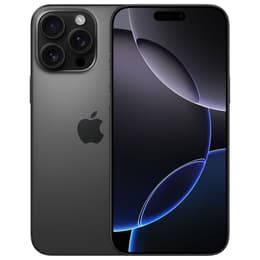
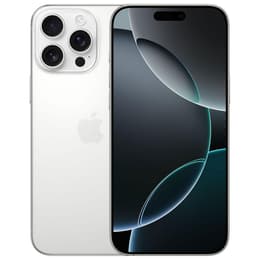
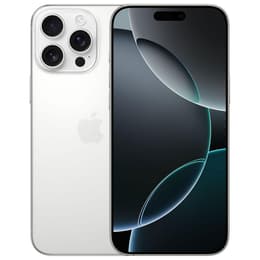
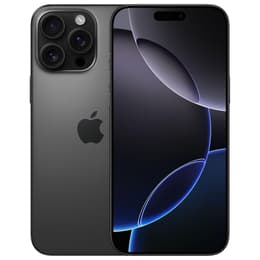
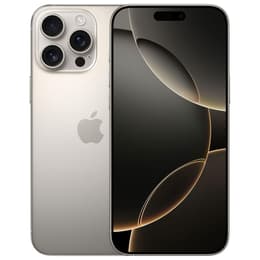
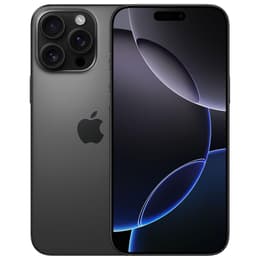
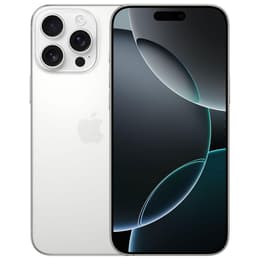
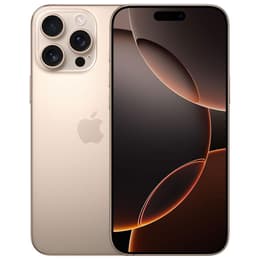
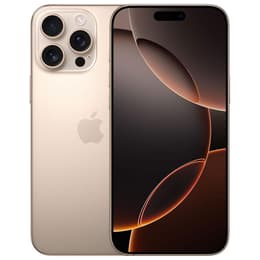
The iPhone 16 Pro Max, released in 2024, shares several specs with the iPhone 17 Pro Max, including the Camera Control button, 48MP wide camera, and 48MP ultra-wide camera. Its A18 Pro chip is one generation behind, which means slightly lower benchmark scores, but it still comfortably handles demanding tasks including gaming, video editing, and intensive apps. With the release of the iPhone 17 series, refurbished iPhone 16 Pro Max prices have dropped, making it an even more compelling option for buyers who want Pro Max performance at a lower price.
- (46)
Refurbished price:A$1,351.00
Versus A$2,149.00 new
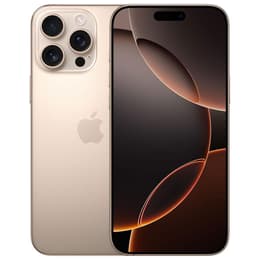
- (43)
Refurbished price:A$1,287.09
Versus A$2,149.00 new
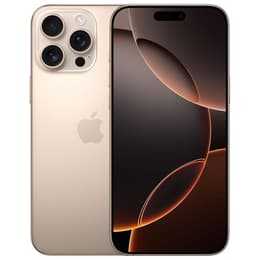
- (49)
Refurbished price:A$1,301.00
Versus A$2,149.00 new
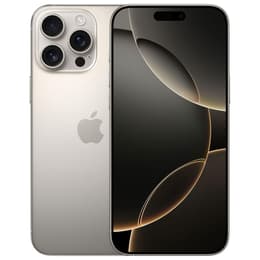
- (11)
Refurbished price:A$1,327.59
Versus A$2,149.00 new
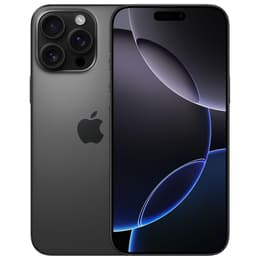
- (47)
Refurbished price:A$1,349.00
Versus A$2,149.00 new
- (43)
Refurbished price:A$1,386.00
Versus A$2,149.00 new
Refurbished price:A$1,473.39
Versus A$2,499.00 new
- (3)
Refurbished price:A$1,503.00
Versus A$2,499.00 new
- (3)
Refurbished price:A$1,529.00
Versus A$2,499.00 new
- (3)
Refurbished price:A$1,699.00
Versus A$2,149.00 new
- (23)
Refurbished price:A$1,699.00
Versus A$2,149.00 new
- (23)
Refurbished price:A$1,699.00
Versus A$2,149.00 new
- (23)
Refurbished price:A$1,699.00
Versus A$2,149.00 new
- (40)
Refurbished price:A$1,769.00
Versus A$2,499.00 new
iPhone 17 Pro Max vs iPhone 15 Pro Max
The iPhone 15 Pro Max was released in 2023 and doesn't match the iPhone 17 Pro Max in every area. The ultra-wide and telephoto cameras are 12MP rather than 48MP, and it doesn't have the Camera Control button introduced with the iPhone 16 series.
That said, it remains a strong refurbished buy. It supports USB-C with USB 3 speeds for fast data transfer, and it's compatible with Apple Intelligence, which makes it a compelling older model for users who want AI features without paying for the latest generation. If you're considering the iPhone 15 Pro Max as a refurbished alternative, it delivers a lot of value at its current price point.
- (97)
Refurbished price:A$1,025.00
Versus A$2,199.00 new
- (114)
Refurbished price:A$1,049.00
Versus A$2,199.00 new
- (117)
Refurbished price:A$1,080.00
Versus A$2,199.00 new
- (108)
Refurbished price:A$1,039.00
Versus A$2,199.00 new
- (112)
Refurbished price:A$1,139.00
Versus A$2,549.00 new
- (116)
Refurbished price:A$1,200.00
Versus A$2,549.00 new
- (115)
Refurbished price:A$1,239.00
Versus A$2,549.00 new
- (79)
Refurbished price:A$1,289.00
Versus A$2,549.00 new
- (77)
Refurbished price:A$1,349.00
Versus A$2,899.00 new
- (113)
Refurbished price:A$1,435.00
Versus A$2,899.00 new
- (102)
Refurbished price:A$1,499.00
Versus A$2,899.00 new
- (44)
Refurbished price:A$1,541.00
Versus A$2,899.00 new
Want to spend less? The iPhone 14 Pro Max is also worth a look
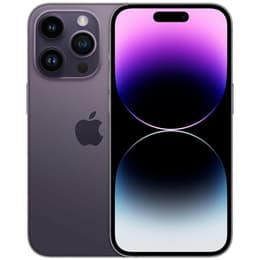
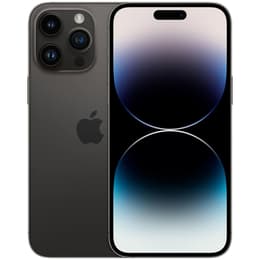
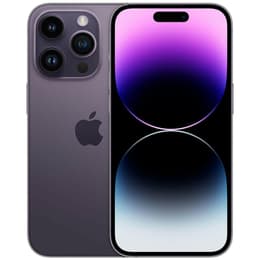
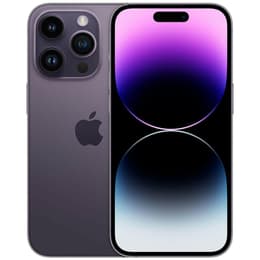
For buyers who are happy with a Lightning connector rather than USB-C, the iPhone 14 Pro Max is a popular refurbished choice. As of 28 July 2026, starting prices on Back Market sit at from A$692, which is impressive value for a former flagship model.
The iPhone 14 Pro Max is three generations behind the iPhone 17 Pro Max, but it still benefits from Apple's long software support cycle and should comfortably handle everyday use for another two to three years. If you're prioritising value over cutting-edge specs, older Pro Max models like the iPhone 14 Pro Max remain in high demand on the refurbished market.
- (129)
Refurbished price:A$743.00
Versus A$1,899.00 new
- (130)
Refurbished price:A$796.00
Versus A$2,099.00 new
- (118)
Refurbished price:A$736.00
Versus A$1,899.00 new
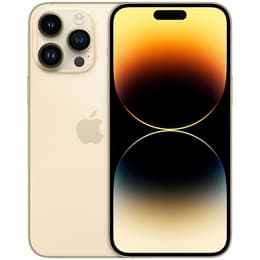
- (132)
Refurbished price:A$751.00
Versus A$1,899.00 new
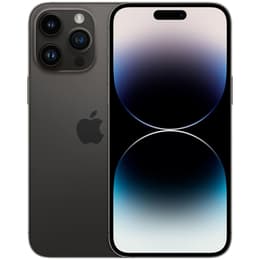
- (98)
Refurbished price:A$799.00
Versus A$1,899.00 new
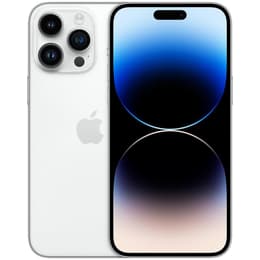
- (135)
Refurbished price:A$809.19
Versus A$2,099.00 new
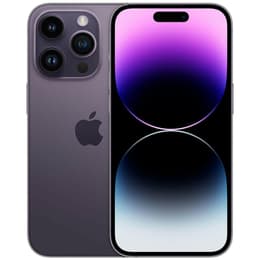
- (132)
Refurbished price:A$810.00
Versus A$2,099.00 new
- (125)
Refurbished price:A$859.00
Versus A$2,099.00 new
- (134)
Refurbished price:A$899.00
Versus A$2,419.00 new
- (98)
Refurbished price:A$916.00
Versus A$2,419.00 new
- (109)
Refurbished price:A$959.00
Versus A$2,419.00 new
- (130)
Refurbished price:A$1,099.00
Versus A$2,769.00 new
Upgrading to the iPhone 17 Pro Max? Trade in your current phone with Back Market
If the iPhone 17 Pro Max's price feels out of reach, trading in your current device is a great way to offset the cost. Back Market's trade-in service is fully online and handled via post, and you can get a quick quote without leaving home.
Before sending in your device, make sure to back up your data and perform a factory reset on your iPhone. Once your device is received, Back Market uses certified tools to securely erase all remaining data.
If your current iPhone is sitting unused and you're ready to upgrade, check what it's worth first. Visit the iPhone trade-in page to get an instant online quote across a wide range of models, from iPhone 7 all the way up to the iPhone 16 series.
iPhone 17 Pro Max FAQ
Here are answers to some of the most common questions about the iPhone 17 Pro Max's specs and performance.
🆀 What is the iPhone 17 Pro Max best used for?
🅰 The iPhone 17 Pro Max is a highly versatile device, combining a 6.9-inch display, the A19 Pro chip, and a three-camera system that handles virtually any shooting scenario. The display reaches up to 3,000 nits of outdoor brightness, making it excellent for streaming, reading, and photography even in direct sunlight.
It's best suited to users who regularly shoot photos and videos, play demanding 3D games, or push their phone hard for work and content creation. If your day-to-day use is mostly browsing, watching video, and messaging, the Pro Max may feel like overkill, and the standard iPhone 17 at a significantly lower price could serve you just as well.
🆀 Is the iPhone Air a better option than the iPhone 17 Pro Max for a large screen?
🅰 The iPhone Air is a genuinely large-screen phone at 6.5 inches and a featherlight 165 grams, which makes it easy to carry and handle all day. However, it comes with trade-offs: the battery is smaller, the speaker is mono, and it uses a single rear camera without a telephoto or ultra-wide lens.
The iPhone Air makes sense for users who are happy with a simpler camera setup (similar in capability to the iPhone SE series) and prioritise thinness and lightness above all else. If the advanced camera system on the Pro and Pro Max models would go largely unused, the Air is worth considering.
🆀 Does the iPhone 17 Pro Max require eSIM in Australia?
🅰 No. In Australia, the iPhone 17 Pro Max supports both a physical nano-SIM card and eSIM, so you can continue using your existing SIM without any changes. There is no need to switch to eSIM when upgrading to the iPhone 17 Pro Max in Australia.
The only iPhone 17 model that is eSIM-only in Australia is the iPhone Air, which has no physical SIM slot globally. If you are upgrading to the iPhone Air specifically, you will need to migrate your existing SIM to eSIM through your carrier before or during setup.
Refurbished price:A$1,089.00
Versus A$1,499.00 new
Refurbished price:A$1,651.59
Versus A$1,749.00 new
Refurbished price:A$1,779.00
Versus A$2,199.00 new
Refurbished price:A$1,799.00
Versus A$2,199.00 new
Refurbished price:A$1,849.00
Versus A$2,599.00 new
Refurbished price:A$1,876.00
Versus A$1,999.00 new
Refurbished price:A$2,025.00
Versus A$2,599.00 new
Refurbished price:A$2,159.00
- (1)
Refurbished price:A$2,199.00
Versus A$2,399.00 new
- (1)
Refurbished price:A$2,199.00
Versus A$2,399.00 new
- (1)
Refurbished price:A$2,199.00
Versus A$2,399.00 new