(11)
Refurbished price:A$1,229.00
Versus A$1,549.00 new
Updated on 23 July 2026
23 July 2026
21 mins read

Sun
The iPhone 17 Pro sits at the top of the iPhone 17 lineup, with standout camera performance and the powerful A19 Pro chip. An improved cooling system also means more stable performance during video recording and editing, gaming, and other demanding tasks. On the downside, the iPhone 17 Pro now starts at 256GB minimum storage, and comes with a higher price tag than its predecessor. This review covers the iPhone 17 Pro in full and compares it with other models in the iPhone 17 series as well as older Pro models, to help you make a confident buying decision.
Compared to earlier iPhone generations, the iPhone 17 Pro stands out for its processor performance, camera upgrades, and improved battery. Here's a full breakdown of what it offers, along with an honest look at the drawbacks.
Apple typically announces new iPhone models in early September each year. The iPhone 16 series was announced on 11 September 2024 and went on sale on 20 September 2024. The iPhone 17 Pro followed a similar schedule:
Announced: 10 September 2025
Pre-orders opened:12 September 2025
Released: 19 September 2025
If you're considering waiting for the next model, the iPhone 18 Pro is Apple's expected successor. No confirmed release date is available yet.
The iPhone 17 Pro is a compelling choice for users who want a high-end device. Here's what sets it apart:
iPhone 17 Pro feature | Why it matters |
Camera performance | 48MP telephoto camera with up to 8x optical quality zoom. Built for creators and serious photographers. |
Processor performance | Powered by the A19 Pro chip, more powerful than the standard iPhone 17. High benchmark scores for demanding tasks. |
Cooling system | Improved vapour chamber cooling for better heat management. Stable performance during long 4K video recording sessions. |
Battery life | Long-lasting battery with up to 33 hours of video playback. |
Other specs | USB 3 support for fast data transfer. Apple Intelligence features also available. |
The A19 Pro chip handles high-demand tasks well, including video editing and 3D gaming. The telephoto camera upgrade on the Pro and Pro Max, with improved resolution compared to the iPhone 16 Pro, is a genuine step forward for photography.
The iPhone 17 Pro is not without its trade-offs. Here's what to keep in mind:
iPhone 17 Pro feature | Points to consider |
Price | Higher than the iPhone 16 Pro. The standard iPhone 17 offers better value for money for most everyday users. |
Storage | 128GB option removed. 256GB is now the minimum. |
Design | The rear camera bar and new Cosmic Orange colour have divided opinions. The repositioned Apple logo and MagSafe ring cutout on some cases is also a change from previous designs. |
Overall performance | Real-world performance difference over the iPhone 16 Pro or iPhone 15 Pro is minimal for most everyday tasks. |
While processor and camera performance have improved, users coming from the iPhone 16 Pro or iPhone 15 Pro are unlikely to notice a significant difference in day-to-day use. Apple Intelligence and USB-C connectivity are also available on the iPhone 15 Pro, making the upgrade case less compelling for some.
If value for money is a priority alongside performance, a refurbished older iPhone is worth considering. And if you want a high-performance refurbished model, the iPhone 17, iPhone Air, and iPhone 17 Pro Max are all available on Back Market.
Refurbished price:A$1,229.00
Versus A$1,549.00 new
Refurbished price:A$1,279.00
Versus A$1,549.00 new
Refurbished price:A$1,620.00
Versus A$1,999.00 new
Refurbished price:A$1,640.00
Versus A$1,999.00 new
Refurbished price:A$1,650.00
Versus A$2,199.00 new
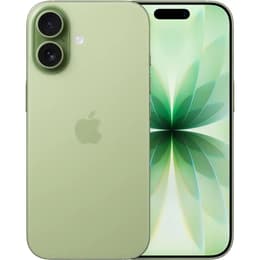
Refurbished price:A$1,279.00
Versus A$1,549.00 new
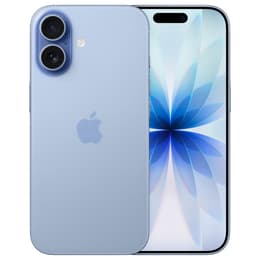
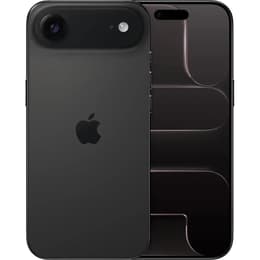
Refurbished price:A$1,287.00
Versus A$1,549.00 new
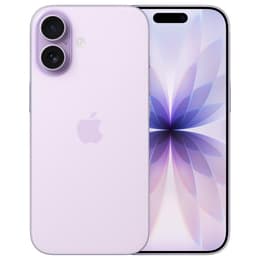
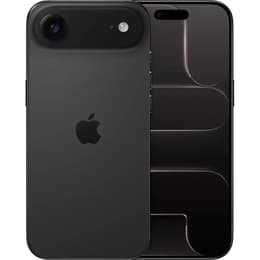
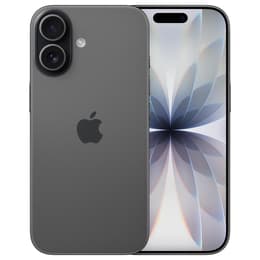

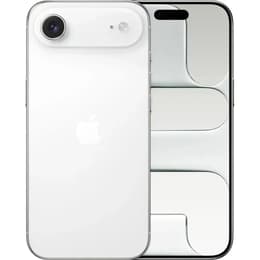
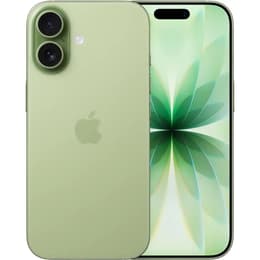
Refurbished price:A$1,479.00
Versus A$1,949.00 new
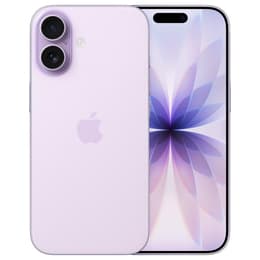
The iPhone 17 Pro's key specs are summarised below. While the standard iPhone 17 is a capable device in its own right, the iPhone 17 Pro adds a telephoto camera and the more powerful A19 Pro chip.
iPhone 17 Pro specs | Details |
Size | 6.3 inches (150.0 x 71.9 x 8.75 mm, 206g) |
Display | Super Retina XDR OLED (up to 120Hz refresh rate) |
Processor | A19 Pro chip (12GB RAM) |
Storage | 256GB, 512GB, 1TB (128GB discontinued) |
Camera | Main (wide): 48MP, Ultra-wide: 48MP, Telephoto: 48MP, Front: 18MP |
Battery | 4,252mAh (up to 33 hours video playback) |
Biometrics | Face ID |
Colours | Silver, Deep Blue, Cosmic Orange |
Connector | USB-C (USB 3) |
SIM | nano-SIM + eSIM |
In Australia, the iPhone 17 Pro supports both a physical nano-SIM and eSIM, including dual SIM options. If you are considering switching from a physical SIM to eSIM on any iPhone model, this can be done through your carrier or via the Settings app.
The iPhone 17 Pro comes at a higher price than the iPhone 16 Pro, which is a key consideration for value-conscious buyers. The minimum storage has also increased, so it is worth factoring this into your decision.
The iPhone 17 Pro is priced higher than the iPhone 16 Pro at launch. Here are the Apple Store AU prices by storage:
Apple Store AU price | iPhone 17 Pro |
256GB | A$1,999 |
512GB | A$2,399 |
1TB | A$2,799 |
The iPhone 16 Pro was available in four storage options including 128GB. The iPhone 17 Pro, like the Pro Max, has dropped the 128GB option, with 256GB now the minimum.
For most users, the 512GB and above options at A$2,399 or more will feel expensive. The standard iPhone 17 starts at A$1,399, which is A$600 less than the iPhone 17 Pro, making it the more popular choice for everyday users.
If spending over A$2,000 on a phone is not realistic, a refurbished older model is a smart alternative. Back Market sells refurbished devices at prices well below new, with a focus on older models that have dropped in price since newer generations were released. Pro and Pro Max models are no longer sold new once Apple discontinues them, so refurbished is often the only way to get them.
Here are the estimated lowest refurbished prices on Back Market AU as of 23 July 2026:
Refurbished price comparison | Lowest price for 128GB | Lowest price for 256GB | Lowest price for 512GB |
from A$729 | from A$769 | n/a | |
from A$759 | from A$981 | n/a | |
from A$856 | from A$899 | from A$1,359 | |
n/a | from A$1,001 | from A$1,139 | |
from A$950 | from A$1,141 | n/a | |
from A$1,041 | from A$1,069 | n/a | |
from A$1,057 | from A$1,397 | from A$1,649 | |
n/a | from A$1,350 | from A$1,560 | |
from A$719 | from A$819 | from A$899 |
Prices are estimates based on the lowest available refurbished listings on Back Market AU as of 23 July 2026. Prices are subject to change and availability cannot be guaranteed. Check the Back Market website for the most up-to-date pricing.
Among older models, the iPhone 15 Pro is a popular refurbished choice thanks to its USB-C connector and strong camera performance. Refurbished devices on Back Market are of higher quality than second-hand items, and come with a 12-month warranty and 30-day money-back guarantee.
Refurbished price:A$993.00
Versus A$1,799.00 new
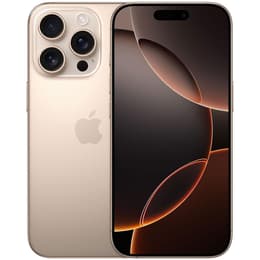
Refurbished price:A$1,009.00
Versus A$1,799.00 new
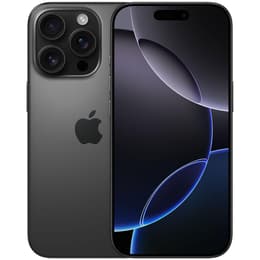
Refurbished price:A$1,119.00
Versus A$1,999.00 new
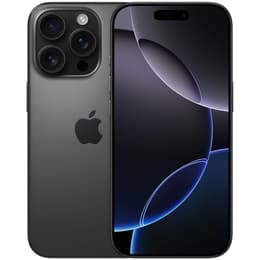
Refurbished price:A$995.00
Versus A$1,799.00 new
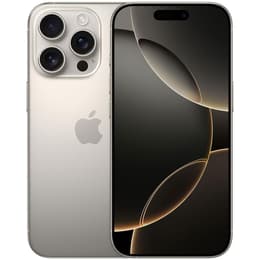
Refurbished price:A$1,109.00
Versus A$1,999.00 new

Refurbished price:A$1,159.00
Versus A$1,999.00 new
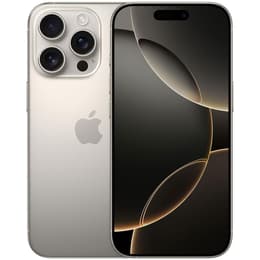
Refurbished price:A$1,159.00
Versus A$1,999.00 new
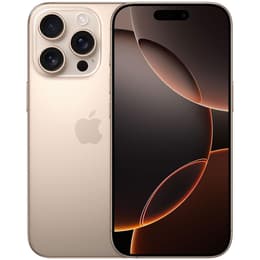
Refurbished price:A$1,016.00
Versus A$1,799.00 new

Refurbished price:A$1,050.00
Versus A$1,799.00 new
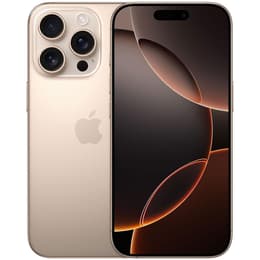
Refurbished price:A$1,149.00
Versus A$1,799.00 new
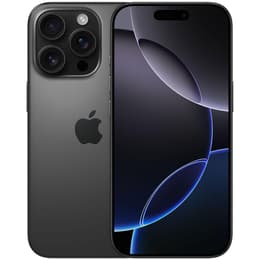
Refurbished price:A$1,209.00
Versus A$2,349.00 new
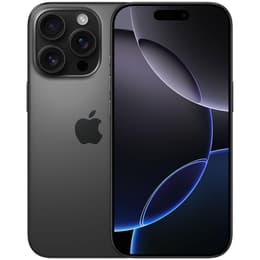
Refurbished price:A$1,243.19
Versus A$1,999.00 new
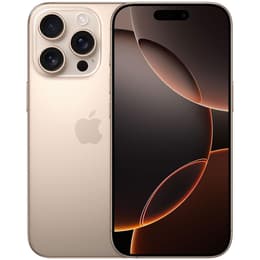
Refurbished price:A$1,243.19
Versus A$1,999.00 new
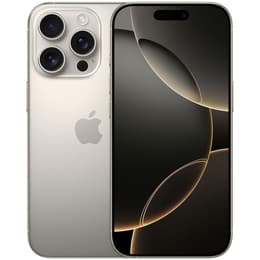
Refurbished price:A$1,254.69
Versus A$1,999.00 new
Refurbished price:A$1,319.00
Versus A$2,349.00 new
The iPhone series has long been praised for its clean, refined design. The iPhone 17 Pro, however, introduces some noticeable changes from previous generations, including a new camera bar on the back, a repositioned Apple logo, and a revised MagSafe ring layout.

Previous iPhone Pro models featured a square camera module on the back, a design that long-time iPhone users would recognise instantly. The iPhone 17 Pro replaces this with a camera bar running across the upper portion of the rear panel. The horizontal layout gives the device a bolder, more substantial look. It draws comparisons to the Google Pixel series camera bar design, though the iPhone 17 Pro's bar is wider and more prominent.
One subtle but noticeable design change is the position of the Apple logo. With the camera bar now occupying the upper section of the back panel, the Apple logo sits slightly lower than on previous models.
This means the Apple logo now sits below the MagSafe ring, which also affects how some cases are designed. iPhone 17 Pro-specific cases may feature a cutout around the MagSafe ring area, changing their overall look compared to earlier generations. This does not affect MagSafe charging or other practical functions, but it may be a consideration for users who care about the aesthetics of their case.
The iPhone 15 and 16 Pro models used a titanium frame, valued for its durability and light weight. The iPhone 17 series (except the iPhone Air) switches to an aluminium frame. While titanium had advantages in toughness and weight, aluminium is better at dissipating heat, and this change contributes to the improved cooling system covered later in this review.
The trade-off is a slight increase in weight. The iPhone 17 Pro comes in at 206g, compared to the iPhone 16 Pro's 199g. The overall size is similar to the standard iPhone 17, but if weight is a concern, the standard iPhone 17 is around 30g lighter.
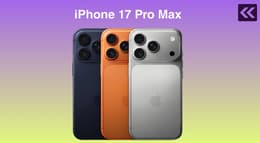
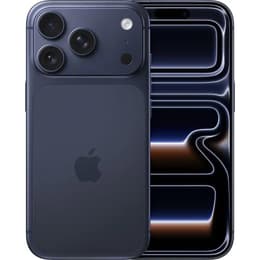
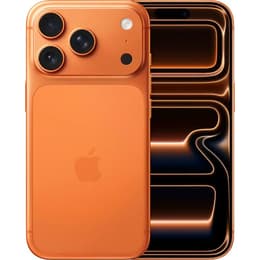
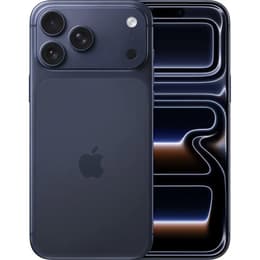
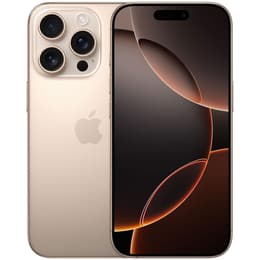
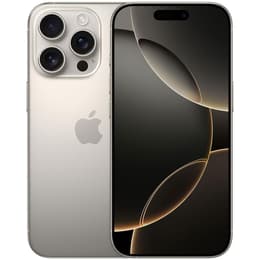
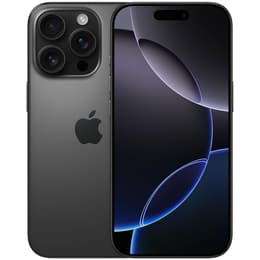
The iPhone 17 Pro launches with three all-new colours: Silver, Deep Blue, and Cosmic Orange. The iPhone 16 series featured more premium metallic tones such as Black Titanium and Desert Titanium. The iPhone 17 Pro takes a different direction, with the bold Cosmic Orange standing out in particular.
See the iPhone 17 series colour lineup on Back Market
Silver and Deep Blue are versatile choices that work well in professional settings. Their finish is simpler and less metallic than previous Pro generations. You can also compare with the iPhone 15 series colours to see how the design language has evolved across generations.
The iPhone 17 Pro supports a maximum 120Hz refresh rate, as with previous Pro and Pro Max models. However, in the iPhone 17 series, the standard iPhone 17 and iPhone Air also support 120Hz, bringing them in line with the Pro. This reduces one of the traditional advantages of choosing the Pro for display performance.
The screen size is 6.3 inches, unchanged from the iPhone 16 Pro. This is slightly smaller than the iPhone Air and iPhone 17 Pro Max. Recent iPhone models have generally moved to 6.1 inches and above, making large displays the new standard.
The iPhone 17 Pro Max steps up to 6.9 inches, but the larger size also means a heavier device. If you want a more manageable phone for one-handed video watching or photography, the iPhone 17 Pro is the better fit.
The Dynamic Island, first introduced with the iPhone 14 Pro and Pro Max, was expected to receive a design update alongside iOS 26, but no changes were made. It continues across the iPhone 15, 16, and 17 series. Dynamic Island is useful for at-a-glance notifications and media playback controls. Some users, however, find it intrusive during gaming or video watching. For those who prefer a device without Dynamic Island, the iPhone SE (3rd generation) and iPhone 16e remain popular alternatives.
The iPhone 16 Pro used Ceramic Shield on the front glass. The iPhone 17 Pro upgrades this to Ceramic Shield 2, which offers up to 3x better scratch resistance, making it a more reliable option for everyday durability.
The iPhone Air and iPhone 17 Pro and Pro Max also use Ceramic Shield on the rear glass, making them more robust than the standard model. That said, the display and back can still be scratched depending on how the device is used, so a case and screen protector are still recommended.
Compared to the standard iPhone 17 and iPhone Air, the iPhone 17 Pro offers a more powerful processor. For users who play 3D games or do intensive creative work, this extra performance is a real advantage.
The iPhone 17 Pro and iPhone 17 Pro Max are powered by the A19 Pro chip, with 12GB of RAM. This supports enhanced Apple Intelligence features and improved graphics performance compared to previous generations.
The benchmark scores below compare the iPhone 17 Pro against the iPhone 16 Pro and iPhone 15 Pro, based on data from nanoreview.net. Each generation shows consistent improvement, making the Pro lineup a strong choice for business users and creators.
Benchmark comparison | iPhone 17 Pro (A19 Pro) | iPhone 16 Pro (A18 Pro) | iPhone 15 Pro (A17 Pro) |
Geekbench 6 (Single-core) | 3,781 | 3,337 | 2,920 |
Geekbench 6 (Multi-core) | 9,553 | 8,261 | 7,447 |
AnTuTu Benchmark 10 | 2,707,681 | 1,874,221 | 1,587,104 |
With an AnTuTu score of over 2.5 million, the iPhone 17 Pro holds its own against high-end Android smartphones.
The iPhone 17 Pro's performance makes it an excellent choice for gaming as well as photography. The A19 Pro chip handles graphically demanding games with ease.
The iPhone 17 Pro and Pro Max also feature vapour chamber cooling, which keeps the device from overheating during extended gaming sessions. Excessive heat has been a common complaint with previous iPhone models, but the iPhone 17 Pro addresses this effectively.
Refurbished price:A$1,229.00
Versus A$1,549.00 new
Refurbished price:A$1,279.00
Versus A$1,549.00 new
Refurbished price:A$1,620.00
Versus A$1,999.00 new
Refurbished price:A$1,640.00
Versus A$1,999.00 new
Refurbished price:A$1,650.00
Versus A$2,199.00 new
Refurbished price:A$1,279.00
Versus A$1,549.00 new
Refurbished price:A$1,287.00
Versus A$1,549.00 new
Refurbished price:A$1,479.00
Versus A$1,949.00 new
The main camera updates on the iPhone 17 Pro are the improved telephoto resolution and a higher-resolution front camera. That said, for everyday photo and video use, the difference from the previous generation may not be noticeable for most users.
The iPhone 17 Pro and Pro Max upgrade the telephoto camera from 12MP to 48MP. The optical quality zoom also reaches up to 8x equivalent, on par with the Pro Max. This continues the generational improvement: the iPhone 16 Pro offered up to 5x, and the iPhone 15 Pro up to 3x.
As a technical note, the 8x figure is achieved through a 4x optical lens combined with a 2x crop zoom, which is why Apple describes it as "optical quality" zoom rather than pure optical zoom.
The front camera is upgraded to 18MP across all iPhone 17 models, not just the Pro. The higher resolution improves low-light selfies and video call clarity. New front camera features introduced across the full iPhone 17 lineup include Dual Capture, Center Stage for photos and video calls, and Enhanced Video Stabilisation for smoother handheld footage. These additions are especially useful for users who regularly record video from the front camera.
The vapour chamber cooling system is exclusive to the iPhone 17 Pro and Pro Max. Previous Pro models using titanium frames were criticised for overheating during long gaming or recording sessions, sometimes causing apps to force close. The iPhone 17 Pro runs cooler than earlier generations and maintains stable performance during extended 4K video recording.
The iPhone 17 Pro's camera improvements over the iPhone 16 Pro are relatively modest. The iPhone 16 Pro introduced the Camera Control button and a 48MP ultra-wide camera, and its 5x optical zoom still handles a wide range of shooting scenarios well. Users who do not shoot much photo or video may find the iPhone 15 series camera more than sufficient for their needs.
Refurbished price:A$993.00
Versus A$1,799.00 new
Refurbished price:A$1,009.00
Versus A$1,799.00 new
Refurbished price:A$1,119.00
Versus A$1,999.00 new
Refurbished price:A$995.00
Versus A$1,799.00 new
Refurbished price:A$1,109.00
Versus A$1,999.00 new
Refurbished price:A$1,159.00
Versus A$1,999.00 new
Refurbished price:A$1,159.00
Versus A$1,999.00 new
Refurbished price:A$1,016.00
Versus A$1,799.00 new
Refurbished price:A$1,050.00
Versus A$1,799.00 new
Refurbished price:A$1,149.00
Versus A$1,799.00 new
Refurbished price:A$1,209.00
Versus A$2,349.00 new
Refurbished price:A$1,243.19
Versus A$1,999.00 new
Refurbished price:A$1,243.19
Versus A$1,999.00 new
Refurbished price:A$1,254.69
Versus A$1,999.00 new
Refurbished price:A$1,319.00
Versus A$2,349.00 new
Pro models have traditionally offered better battery life than the standard iPhone, and the iPhone 17 Pro continues this trend. Fast charging has also improved, making it easier to top up quickly when needed.
The iPhone 17 Pro delivers better battery performance than the iPhone 16 Pro, thanks to improved efficiency from the A19 Pro chip alongside a larger battery. The iPhone 16 Pro offered up to 27 hours of video playback. The iPhone 17 Pro extends this to up to 33 hours.
The battery capacity is 4,252mAh, an increase of approximately 18.7% over the iPhone 16 Pro. Internal design improvements across the iPhone 17 Pro contributed to this increase. For users who want even longer battery life and a larger screen, the iPhone 17 Pro Max lasts up to 39 hours of video playback and is worth considering.
The iPhone 16 Pro already supported fast charging, reaching up to 50% in 30 minutes. The iPhone 17 Pro improves on this. With a 40W or higher adapter, you can reach up to 50% charge in just 20 minutes. Using a 30W or higher MagSafe charger, up to 50% in 30 minutes is also possible.
Fast charging is convenient, but frequent charging can contribute to battery degradation over time. If battery longevity is a concern, it is worth looking into best practices for iPhone battery care.
Having covered the iPhone 17 Pro's specs and performance in full, here's a summary of how it compares to other models in the iPhone 17 lineup and who it is best suited to. For a broader comparison, see our iPhone 17 series overview.
The iPhone 17 Pro stands out from the rest of the iPhone 17 lineup across processor performance and camera capabilities:
Compared to the iPhone 17:
More powerful processor, telephoto camera, and better thermal management for demanding tasks.
Compared to the iPhone Air:
Longer battery life, and significantly better camera performance. The Air has only a single rear camera.
Compared to the iPhone 17 Pro Max:
Identical camera and processor specs. The Pro is the more affordable option.
If you regularly shoot photos and video on your iPhone, or if you are drawn to the latest processor and the updated design, the iPhone 17 Pro is worth the investment. Features like 8x optical quality zoom, ProRes RAW, and Apple Log 2 video recording set it apart from the standard iPhone 17 and iPhone Air, making it a genuine tool for creators.
If you want the latest iPhone at a lower price, the standard iPhone 17 is the one to go for. While it sits below the Pro in the lineup, the iPhone 17 brings meaningful improvements of its own: up to 120Hz refresh rate (now matching the Pro), a 48MP ultra-wide camera, and an 18MP front camera. It is a genuinely capable high-end device.
It does not include
If you want a bigger display for video watching or gaming, the iPhone Air and iPhone 17 Pro Max are both worth a look. The iPhone Air is the thinnest iPhone ever made, with a 6.5-inch display and a lightweight 165g build.
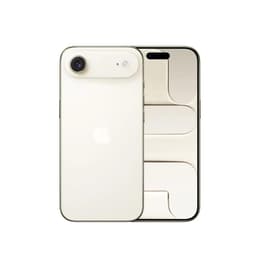
The slim design does come with trade-offs: it runs warmer than the Pro models and uses a single rear camera, which puts it behind the standard iPhone 17 for photography. That said, the Air excels in terms of feel and portability. Its distinctive design, available in colours including Space Black and Cloud White, has made it a popular choice for users who prioritise aesthetics and comfort in hand.
For users who want both strong camera performance and exceptional battery life, the iPhone 17 Pro Max is worth the higher price. With a 6.9-inch display and up to 39 hours of video playback, it is the most capable model in the lineup. Like the iPhone 17 Pro, the Pro Max has also dropped the 128GB storage option. With the price gap between the Pro and Pro Max narrowed, the Pro Max is likely to see stronger demand from users who would previously have chosen the Pro on price alone.
Refurbished price:A$1,229.00
Versus A$1,549.00 new
Refurbished price:A$1,279.00
Versus A$1,549.00 new
Refurbished price:A$1,620.00
Versus A$1,999.00 new
Refurbished price:A$1,640.00
Versus A$1,999.00 new
Refurbished price:A$1,650.00
Versus A$2,199.00 new
Refurbished price:A$1,279.00
Versus A$1,549.00 new
Refurbished price:A$1,287.00
Versus A$1,549.00 new
Refurbished price:A$1,479.00
Versus A$1,949.00 new
The iPhone 17 Pro is impressive, but the high price is a real consideration. With inflation and other factors driving up costs, Pro models now exceed A$2,000 new. A refurbished older Pro model from Back Market is a smart alternative.
In Australia, the iPhone 17, 17e, 17 Pro, and 17 Pro Max all support physical SIM alongside eSIM. The only eSIM-only model in AU is the iPhone Air. Older models from the iPhone 13 series onwards also support both physical SIM and eSIM, giving you full flexibility. If you are still using a physical SIM and want to keep it, any iPhone model except the Air will work.
The iPhone 16 Pro, released in 2024, introduced the Camera Control button and up to 5x optical zoom, alongside the powerful A18 Pro chip. Its design was well received, with titanium colour options that work well in both personal and professional settings.
With the iPhone 17 Pro now available, refurbished iPhone 16 Pro prices have dropped, making it a compelling option. If features like 8x optical quality zoom, Center Stage on the front camera, or ProRes RAW are not priorities for you, the iPhone 16 Pro is more than capable for most users.
Refurbished price:A$993.00
Versus A$1,799.00 new
Refurbished price:A$1,009.00
Versus A$1,799.00 new
Refurbished price:A$1,119.00
Versus A$1,999.00 new
Refurbished price:A$995.00
Versus A$1,799.00 new
Refurbished price:A$1,109.00
Versus A$1,999.00 new
Refurbished price:A$1,159.00
Versus A$1,999.00 new
Refurbished price:A$1,159.00
Versus A$1,999.00 new
Refurbished price:A$1,016.00
Versus A$1,799.00 new
Refurbished price:A$1,050.00
Versus A$1,799.00 new
Refurbished price:A$1,149.00
Versus A$1,799.00 new
Refurbished price:A$1,209.00
Versus A$2,349.00 new
Refurbished price:A$1,243.19
Versus A$1,999.00 new
Refurbished price:A$1,243.19
Versus A$1,999.00 new
Refurbished price:A$1,254.69
Versus A$1,999.00 new
Refurbished price:A$1,319.00
Versus A$2,349.00 new
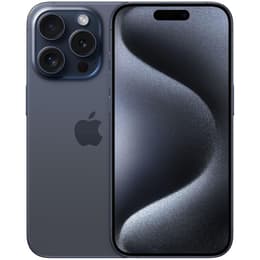
The 2023 iPhone 15 Pro is still a very capable device. It features a 48MP main camera, Apple Intelligence support, and the versatile USB-C connector. The A17 Pro chip is two generations behind the A19 Pro, but for everyday use it remains fast and responsive.
One advantage the iPhone 15 Pro has over the iPhone 17 Pro is the availability of a 128GB model, making it a more affordable entry point. As a refurbished device, it offers strong value for money.
Refurbished price:A$839.00
Versus A$1,849.00 new
Refurbished price:A$845.00
Versus A$1,849.00 new
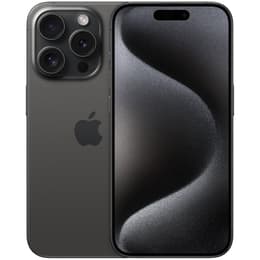
Refurbished price:A$850.00
Versus A$2,049.00 new
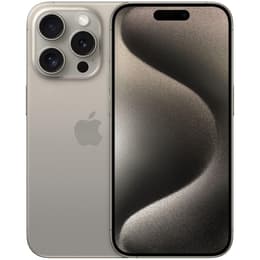
Refurbished price:A$850.00
Versus A$2,049.00 new
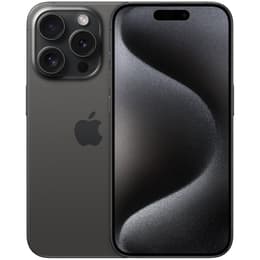
Refurbished price:A$878.00
Versus A$2,049.00 new
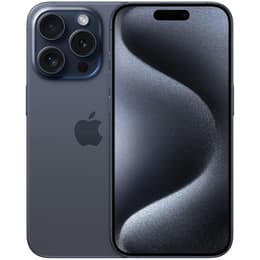
Refurbished price:A$799.00
Versus A$1,849.00 new
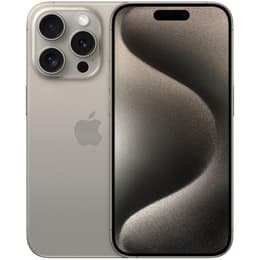
Refurbished price:A$829.00
Versus A$1,849.00 new
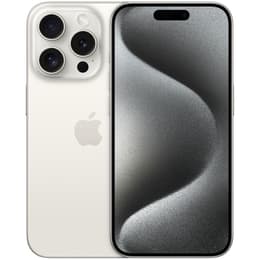
Refurbished price:A$839.00
Versus A$2,049.00 new
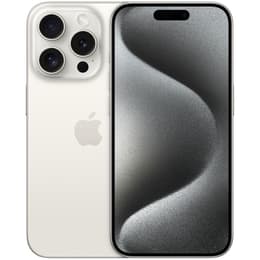
Refurbished price:A$999.00
Versus A$1,499.00 new
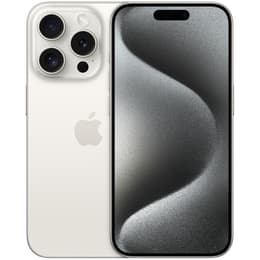
Refurbished price:A$1,020.56
Versus A$1,499.00 new
Refurbished price:A$1,049.00
Versus A$2,399.00 new

Refurbished price:A$1,052.19
Versus A$2,399.00 new
Refurbished price:A$1,052.19
Versus A$2,513.00 new
Refurbished price:A$1,059.00
Versus A$2,749.00 new
Refurbished price:A$1,061.00
Versus A$2,749.00 new
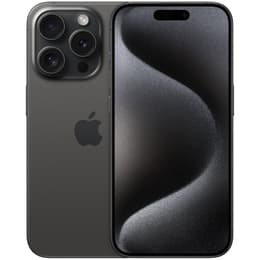
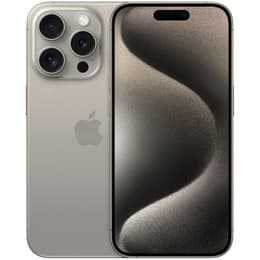
While camera and processor performance is lower than the latest models, Pro and Pro Max models from the iPhone 13 series onwards support up to 120Hz ProMotion, making them smooth and satisfying for video watching and gaming.
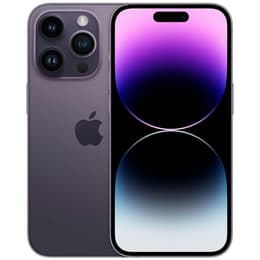
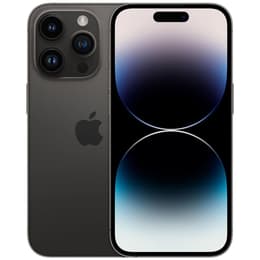
Battery life has also improved from the iPhone 13 series onwards. The iPhone 13 Pro supports up to 22 hours of video playback, and the iPhone 14 Pro extends this to up to 23 hours. If you want a capable Pro model but plan to upgrade again in two to three years, a refurbished older Pro at a lower price point is a smart way to go.
Refurbished price:A$659.00
Versus A$1,749.00 new
Refurbished price:A$678.00
Versus A$1,749.00 new
Refurbished price:A$679.00
Versus A$1,899.00 new
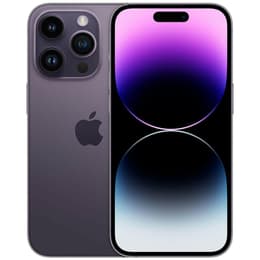
Refurbished price:A$700.00
Versus A$1,749.00 new
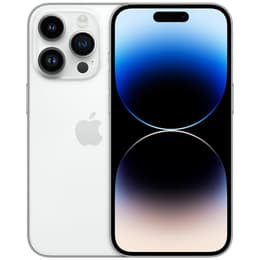
Refurbished price:A$702.00
Versus A$1,899.00 new
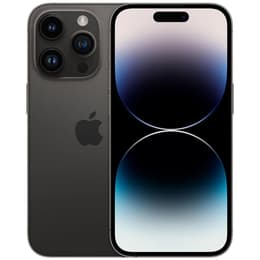
Refurbished price:A$689.00
Versus A$1,749.00 new
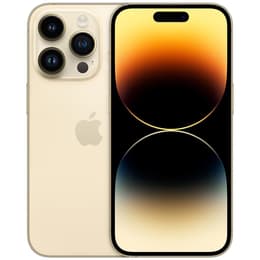
Refurbished price:A$705.49
Versus A$1,899.00 new
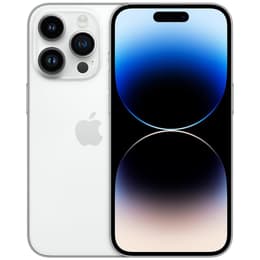
Refurbished price:A$729.00
Versus A$1,899.00 new
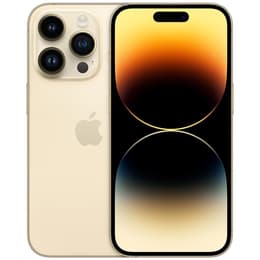
Refurbished price:A$800.84
Versus A$2,339.00 new
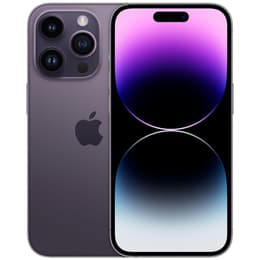
Refurbished price:A$809.00
Versus A$2,249.00 new
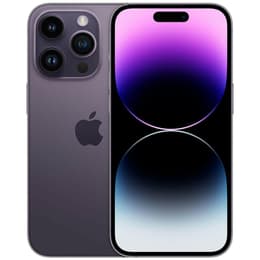
Refurbished price:A$833.00
Versus A$2,249.00 new
Refurbished price:A$869.99
Versus A$2,804.00 new
Refurbished price:A$908.00
Versus A$2,249.00 new
Refurbished price:A$961.00
Versus A$2,249.00 new
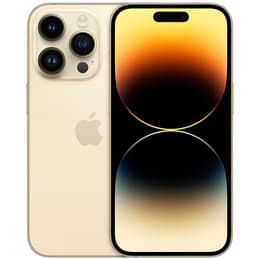
Refurbished price:A$965.00
Versus A$2,599.00 new
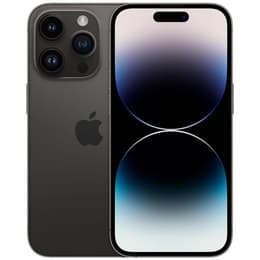
Back Market not only sells refurbished devices but also offers a trade-in service for iPhones and other smartphones. You can get an instant online quote, complete the verification process, and arrange to send in your device from home or a local drop-off point.
If you are thinking about where to sell your iPhone, Back Market's trade-in service is a great place to start. Get a quote in minutes and see what your current device is worth before you upgrade.
Trade In Your iPhone on Back Market
Here are some common questions about the iPhone 17 Pro's performance and how to choose the right configuration.
Q. Which is more popular, the iPhone 17 Pro or the iPhone 17 Pro Max?
A. The iPhone 17 Pro Max costs A$200 more than the iPhone 17 Pro at the same storage tier, but offers a larger 6.9-inch display and up to 39 hours of video playback. The switch to an aluminium frame does add weight though, with the Pro Max coming in at 233g, which some users find noticeably heavy.
The iPhone 17 Pro tends to be the more popular choice due to its lower price, but if battery life is a concern with your current phone, or if you prefer a larger display for gaming and video editing, the iPhone 17 Pro Max is the better fit.
Q. How good is the iPhone 17 Pro's telephoto camera and 8x optical quality zoom?
A. The iPhone 17 Pro achieves 8x optical quality zoom by combining a 48MP 4x optical lens with a 2x crop zoom. The resulting 8x image is captured at 12MP. Some user reviews note that compared to the 5x optical zoom on the iPhone 16 Pro, there can be more camera shake and a slight reduction in image quality at the 8x range.
In practice, the performance difference over the iPhone 16 Pro may be smaller than the specs suggest, and zoom quality can vary. For users focused on telephoto performance, the iPhone 16 Pro and Pro Max remain strong options at a lower price.
Q. What storage capacity should I choose for the iPhone 17 Pro?
A. The iPhone 17 Pro comes in 256GB, 512GB, and 1TB. For everyday use, 256GB is sufficient for most people. If you shoot 4K video regularly or use a lot of apps and games, 512GB or more is recommended.
For ProRes RAW video recording, note that this requires recording to external storage, so you will also need a USB-C compatible SSD or flash drive.
Refurbished price:A$1,229.00
Versus A$1,549.00 new
Refurbished price:A$1,279.00
Versus A$1,549.00 new
Refurbished price:A$1,620.00
Versus A$1,999.00 new
Refurbished price:A$1,640.00
Versus A$1,999.00 new
Refurbished price:A$1,650.00
Versus A$2,199.00 new
Refurbished price:A$1,279.00
Versus A$1,549.00 new
Refurbished price:A$1,287.00
Versus A$1,549.00 new
Refurbished price:A$1,479.00
Versus A$1,949.00 new