
Compare models

Galaxy S24+ vs iPhone Air

  • 1-year warranty
  • Free standard shipping
  • Free 30-day returns
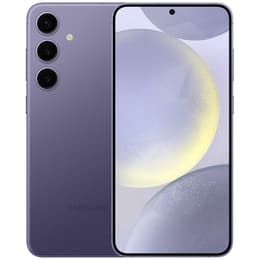
Galaxy S24+
Starting at

Refurbished price:A$609.00

Versus A$1,833.00 new

See options
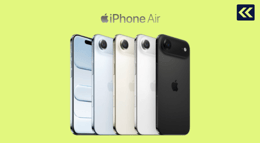
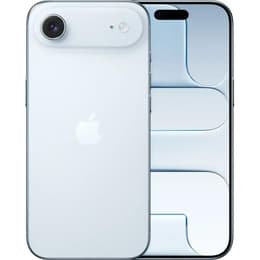
iPhone Air
Starting at

Refurbished price:A$1,061.00

Versus A$1,899.00 new

See options

Differences at a glance

The Samsung Galaxy S24+ (2024) and the Apple iPhone Air (2025) represent two distinct approaches to modern smartphone design, contrasting a feature-rich Android ecosystem device with a minimalist, ultra-slim iOS option. While the Galaxy S24+ prioritizes a versatile multi-lens camera array and high-capacity performance, the iPhone Air focuses heavily on an exceptionally thin titanium profile and streamlined daily efficiency. Operating on Android and iOS respectively, these devices cater to users looking for alternative form factors and software environments without compromising on core flagship responsiveness.

Available Models

Colour

Storage (GB)

Scores

Durability

Both smartphones are built for long-term ownership, though they approach software maintenance and physical durability through different construction methodologies.

  • Software Support Timeline: The Galaxy S24+ receives multi-year operating system upgrades and security patches, while Apple provides a similarly extended update cycle for the iPhone Air, ensuring long-term software compatibility for both platforms.
  • Build and Repairability: The Galaxy S24+ utilizes an aluminum frame with glass panels, whereas the iPhone Air features a rigid titanium chassis designed to maintain structural integrity despite its minimal thickness.
  • Expected Lifespan: Both models offer robust daily reliability, with hardware capabilities designed to handle evolving software demands across several years of typical use.

Release year

2024

2025

Operating system

Android

iOS

Foldable

No

No

Performance

Underneath their respective exteriors, both devices manage demanding applications and everyday multitasking smoothly, though internal battery capacities reflect their distinct physical designs.

  • Processing Efficiency: Both smartphones handle heavy web browsing, fluid app switching, and modern mobile gaming without stuttering, backed by high-tier internal hardware.
  • Multitasking and Storage: Generous memory configurations allow numerous background tasks to remain active simultaneously, paired with spacious internal storage tiers for media and documents.
  • Battery Behavior: The Galaxy S24+ houses a larger battery capacity that comfortably spans a full day of mixed use, while the slimmer profile of the iPhone Air features a more compact power cell that may require a top-up during heavy usage days.

Screen quality

Viewing experiences on both handsets are exceptionally sharp, utilizing advanced display panels tuned for high brightness and color accuracy.

  • Display Technology: Both devices employ vibrant OLED panels that deliver deep black levels, vivid contrast, and smooth adaptive refresh rates reaching up to 120Hz.
  • Outdoor Visibility: High peak brightness capabilities on both screens ensure that text and media remain clearly legible even under direct sunlight.
  • Viewing Area: The Galaxy S24+ offers a traditional rectangular 6.7-inch viewing canvas, while the iPhone Air provides a slightly more compact 6.5-inch display housed within an exceptionally narrow bezel structure.

Resolution

1440x3120

2736x1260

Audiovisual

Photography and media consumption hardware highlight a major philosophical split between the flexible multi-lens layout of the Android contender and the streamlined single-lens approach of the iOS device.

  • Rear Camera Versatility: The Galaxy S24+ features a triple-lens rear system including a dedicated telephoto zoom lens, whereas the iPhone Air relies on a single high-resolution main camera supplemented by advanced computational photography.
  • Video and Audio Output: Both models record crisp, stable video content with clear stereo microphone arrays, making them well-suited for casual content creation and video calls.
  • Media Playback: Built-in stereo speakers on both devices deliver balanced sound output for podcasts, videos, and music without requiring external accessories.

Miscellaneous

Practical daily usability elements, physical dimensions, and connectivity standards dictate how each phone feels in daily transit.

  • Physical Dimensions: The Galaxy S24+ weighs 196 grams with a standard flagship thickness, whereas the iPhone Air emphasizes extreme portability at just 5.6 mm thick and 165 grams.
  • Connectivity and Ports: Both units support fast 5G networks, modern Wi-Fi standards, and Bluetooth, utilizing USB-C on the Samsung side and Lightning or USB-C equivalents depending on regional Apple standards.
  • Authentication: The Galaxy S24+ utilizes an under-display ultrasonic fingerprint sensor alongside facial recognition, while the iPhone Air relies entirely on facial scanning technology.

Weight

196 oz

165 oz

Screen size (in)

6.7

6.5

Network

5G

5G

SIM card

Physical SIM + eSIM

eSIM

Carrier compatibility

Unlocked

Unlocked

What the community thinks

User feedback highlights distinct preferences for each device across community discussions. Owners of the Galaxy S24+ frequently praise its dependable battery life, versatile multi-lens camera setup, and expansive screen estate for productivity tasks. Conversely, admirers of the iPhone Air often emphasize its remarkable featherlight weight, ultra-slim profile, and comfortable pocketability as major daily advantages, though some users note the limitation of a single rear camera system. When evaluating these options as a quality-assured refurbished option, both models offer a sustainable choice that reduces electronic waste without compromising on core performance.

Users prioritizing optical zoom flexibility, extensive multitasking headroom, and long-lasting battery endurance will find the Galaxy S24+ well-suited to their daily routines. Meanwhile, users prioritizing a featherlight physical profile, minimalist aesthetics, and the iOS ecosystem may lean toward the iPhone Air. Selecting between the two depends entirely on whether physical slenderness or multi-camera versatility takes precedence in everyday usage.