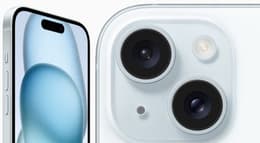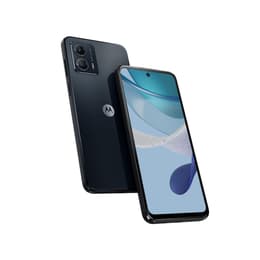

Motorola Moto G14 vs Motorola Moto G53

Motorola Moto G14
Motorola Moto G14
Starting at

Refurbished price:A$182.00

Versus A$271.00 new

See options
Motorola Moto G53
Motorola Moto G53
Starting at

Refurbished price:A$203.77

Versus A$975.00 new

See options

The Motorola Moto G14, released in 2023, and the Motorola Moto G53, launched in late 2022, are both smartphones designed to offer essential features for everyday use. While they share a similar design philosophy and run on the Android operating system, key differences lie in their display resolution, network connectivity, and processor capabilities.

This comparison will explore how these distinctions translate into practical user experience, helping to determine which device might better suit individual needs.

Scores

Durability

When considering the practical lifespan of a smartphone, factors such as release timeline, software support, and physical resilience play a significant role. Both the Moto G14 and Moto G53 offer a foundation for extended use.

  • Release Timeline: The Moto G14 was released in August 2023, making it a slightly newer device compared to the Moto G53, which launched in December 2022. This difference in release date can influence the duration of software support each device receives.
  • Software Longevity: Both models typically receive a similar commitment to Android updates and security patches from Motorola. The Moto G14 is promised an update to Android 14 and security updates for three years, while the Moto G53 also runs on Android 13 out of the box. The newer release of the G14 may mean its software support extends slightly further into the future.
  • Physical Durability: Both devices feature a water-repellent design, offering some protection against splashes and light rain, though neither carries an official IP water resistance rating for submersion. The Moto G14 also includes Panda Glass for improved scratch resistance on its display.

Release year

2023

2022

Compatible with latest Update

Yes

Yes

Operating system

Android

Android

Foldable

No

No

Performance

The performance of a smartphone is crucial for daily tasks, from browsing and messaging to more demanding applications. The Moto G14 and Moto G53 approach performance with different internal components, impacting their responsiveness and multitasking capabilities.

  • System Responsiveness: The Moto G14 is powered by a Unisoc Tiger T616 processor, which provides capable performance for general use and casual gaming. The Moto G53 features a Qualcomm Snapdragon 480+ 5G processor, which, despite its 5G capability, has been noted in some reviews to offer modest performance for demanding applications, with occasional slowdowns.
  • Multitasking and Storage: Both phones typically come with 4GB of RAM, though the Moto G53 can be found with up to 8GB in some configurations, potentially offering a smoother experience when switching between many open applications. Both devices offer 128GB of internal storage, expandable via a microSD card, providing ample space for apps, photos, and media.
  • Battery Behavior: Both the Moto G14 and Moto G53 are equipped with a 5000 mAh battery, designed to provide extended usage on a single charge. The Moto G14 supports 15W wired charging, while the Moto G53 typically supports 10W charging, meaning the G14 may recharge slightly faster.

Memory (GB)

4 GB

8 GB

Screen quality

The display is a primary interface for any smartphone, and the visual experience can vary significantly based on the panel's characteristics. The Moto G14 and Moto G53 offer distinct screen qualities that cater to different viewing preferences.

  • Display Technology and Resolution: The Moto G14 features a 6.5-inch IPS LCD with a Full HD+ resolution (1080 x 2400 pixels), resulting in a sharper image with approximately 405 pixels per inch. In contrast, the Moto G53 also has a 6.5-inch IPS LCD, but with an HD+ resolution (720 x 1600 pixels) and a lower pixel density of around 270 PPI, which means content may appear less sharp.
  • Refresh Rate and Smoothness: A notable difference is the refresh rate. The Moto G14 has a standard 60Hz refresh rate, which is suitable for most everyday interactions. The Moto G53, however, offers a smoother visual experience with a 120Hz refresh rate, making scrolling and animations appear more fluid.
  • Brightness and Viewing: Both displays offer adequate brightness for indoor use, with the Moto G14's Full HD+ panel providing vibrant colors and good sunlight legibility. The Moto G53's display is also bright, but its lower resolution can impact overall clarity.

Resolution

1080 x 2400

720x1600

Screen type

IPS LCD

IPS LCD

Audiovisual

For many users, a smartphone's camera capabilities are a key consideration. Both the Moto G14 and Moto G53 are equipped with similar camera hardware, aiming to capture everyday moments effectively.

  • Rear Camera System: Both devices feature a dual-camera setup on the rear, headlined by a 50-megapixel main sensor. This main sensor is generally capable of producing detailed photos in good lighting conditions. Both also include a 2-megapixel macro lens for close-up shots.
  • Photography Performance: In daylight, both phones deliver decent image quality with good dynamic range. The Moto G14's main camera utilizes Quad Pixel technology for improved light capture. Low-light performance on both devices is generally modest, with some reviews noting softness and graininess.
  • Front Camera and Audio: For selfies and video calls, both phones are equipped with an 8-megapixel front-facing camera. Both the Moto G14 and Moto G53 feature stereo speakers with Dolby Atmos support, enhancing the audio experience for media consumption.

Main camera

50 megapixels

50 megapixels

Front camera

8 megapixels

8 megapixels

Miscellaneous

Beyond core features, several practical elements contribute to the overall user experience of a smartphone. The Moto G14 and Moto G53 offer a range of connectivity, physical attributes, and security options.

  • Connectivity and Ports: A significant distinction is network support: the Moto G14 is a 4G-only device, while the Moto G53 offers 5G connectivity, enabling faster mobile data speeds where available. Both phones include a 3.5mm headphone jack and a USB-C port for charging and data transfer.
  • Biometrics and Design: For security, both models feature a side-mounted fingerprint sensor integrated into the power button. In terms of physical design, the Moto G14 weighs 177g and measures 161.5 x 73.8 x 8.0 mm, while the Moto G53 is slightly heavier at 183g and measures 162.7 x 74.7 x 8.2 mm. The Moto G14 also offers a vegan leather option for its back panel in some color variants.
  • Additional Features: Both devices support dual SIM functionality and offer Wi-Fi and Bluetooth connectivity. The Moto G14 also includes FM Radio.

Weight

177 oz

183 oz

Screen size (in)

6.5

6.5

Network

4G

5G

SIM card

Dual Physical SIM

Dual Physical SIM

Carrier compatibility

Unlocked

Unlocked

User feedback for both the Motorola Moto G14 and Moto G53 highlights their strengths and areas for consideration. The Moto G14 is often praised for its sharp Full HD+ display and solid battery life, making it a reliable choice for media consumption and general daily tasks. Some users note that its 60Hz refresh rate is a compromise, and its 4G-only connectivity might be a limitation for those seeking the fastest mobile data speeds.

The Moto G53 receives positive remarks for its 120Hz display refresh rate, which contributes to a smoother user interface experience, and its 5G connectivity. However, a common criticism points to its lower HD+ screen resolution, which can make content appear less crisp compared to other devices. Its charging speed is also frequently mentioned as being slower than some competitors.

Users prioritizing a sharper display for watching videos and browsing, and who do not require 5G connectivity, may find the Moto G14 well-suited to their needs. Conversely, those who value a smoother scrolling experience and faster 5G mobile data, and are content with a less sharp display, might lean toward the Moto G53. Both devices offer a practical Android experience, and choosing a quality-assured refurbished option can be an eco-friendly alternative for either model.


See all articles

Our recent comparisons