'%3e%3cpath%20fill='%2310338c'%20d='M0%200h40v26.67H0V0'/%3e%3cpath%20fill='%23fff'%20d='m9.899%2016.971.856%201.828%201.922-.455-.856%201.82%201.549%201.261-1.93.447.008%202.028-1.55-1.27-1.54%201.27.008-2.028-1.93-.447%201.548-1.26-.863-1.82%201.93.454.848-1.828m20.226%203.552.404.87.919-.215-.413.87.74.599-.919.207v.974l-.732-.607-.739.607.008-.974-.918-.207.739-.599-.412-.87.918.215.405-.87M25.097%209.986l.405.87.918-.215-.412.87.74.599-.92.215v.966l-.73-.607-.74.607.008-.966-.926-.215.739-.599-.412-.87.918.215.412-.87m5.028-7.2.404.87.919-.215-.413.87.74.598-.919.216V6.09l-.732-.607-.739.607.008-.966-.918-.216.739-.598-.412-.87.918.215.405-.87m4.552%205.245.405.87L36%208.685l-.413.87.74.599-.918.207v.974l-.732-.606-.74.606v-.974l-.918-.207.74-.599-.413-.87.919.216.412-.87m-2.91%205.26.319%201.014h1.035l-.84.623.326%201.013-.84-.63-.84.63.318-1.014-.833-.622h1.036l.319-1.014M19.922%200v2.443l-3.51%202.003h3.51V9.18h-4.599l4.6%202.618v1.828h-2.079l-5.72-3.264v3.264H7.799v-3.88l-6.802%203.88H0v-2.442L3.518%209.18H0V4.446h4.6L0%201.82V0h2.078l5.72%203.257V0h4.326v3.88L18.935%200h.988'/%3e%3cpath%20fill='%23d80027'%20d='M11.206%200h-2.49v5.532H0v2.554h8.716v5.54h2.49v-5.54h8.716V5.532h-8.716V0'/%3e%3cpath%20fill='%230052b4'%20d='m12.125%209.18%207.797%204.446v-1.26L14.335%209.18h-2.21'/%3e%3cpath%20fill='%23fff'%20d='m12.125%209.18%207.797%204.446v-1.26L14.335%209.18h-2.21'/%3e%3cpath%20fill='%23d80027'%20d='m12.125%209.18%207.797%204.446v-1.26L14.335%209.18h-2.21m-6.53%200L0%2012.365v1.261L7.798%209.18H5.595'/%3e%3cpath%20fill='%230052b4'%20d='M7.798%204.446%200%200v1.253l5.595%203.193h2.203'/%3e%3cpath%20fill='%23fff'%20d='M7.798%204.446%200%200v1.253l5.595%203.193h2.203'/%3e%3cpath%20fill='%23d80027'%20d='M7.798%204.446%200%200v1.253l5.595%203.193h2.203m6.537%200%205.587-3.193V0l-7.798%204.446h2.21'/%3e%3c/g%3e%3cdefs%3e%3cclipPath%20id='country-flag-au-a'%3e%3cpath%20fill='%23fff'%20d='M0%200h40v26.67H0z'/%3e%3c/clipPath%3e%3c/defs%3e%3c/svg%3e)
'%3e%3cpath%20fill='%23f0f0f0'%20d='M40%200H0v26.666h40V0'/%3e%3cpath%20fill='%23d80027'%20d='M40%200H0v8.889h40V0m0%2017.778H0v8.888h40v-8.888'/%3e%3c/g%3e%3cdefs%3e%3cclipPath%20id='country-flag-at-a'%3e%3cpath%20fill='%23fff'%20d='M0%200h40v26.67H0z'/%3e%3c/clipPath%3e%3c/defs%3e%3c/svg%3e)
'%3e%3cpath%20fill='%23ffda44'%20d='M40%200H0v26.67h40V0'/%3e%3cpath%20fill='%23000'%20d='M13.333%200H0v26.67h13.333V0'/%3e%3cpath%20fill='%23d80027'%20d='M40%200H26.667v26.67H40V0'/%3e%3c/g%3e%3cdefs%3e%3cclipPath%20id='country-flag-be-a'%3e%3cpath%20fill='%23fff'%20d='M0%200h40v26.67H0z'/%3e%3c/clipPath%3e%3c/defs%3e%3c/svg%3e)
'%3e%3cpath%20fill='%23000'%20d='M40%200H0v8.89h40V0'/%3e%3cpath%20fill='%23d80027'%20d='M40%208.89H0v8.89h40V8.89'/%3e%3cpath%20fill='%23ffda44'%20d='M40%2017.78H0v8.89h40v-8.89'/%3e%3c/g%3e%3cdefs%3e%3cclipPath%20id='country-flag-de-a'%3e%3cpath%20fill='%23fff'%20d='M0%200h40v26.67H0z'/%3e%3c/clipPath%3e%3c/defs%3e%3c/svg%3e)
'%3e%3cpath%20fill='%23ffda44'%20d='M40%200H0v26.667h40V0'/%3e%3cpath%20fill='%23d80027'%20d='M40%200H0v8.889h40V0m0%2017.777H0v8.89h40v-8.89'/%3e%3c/g%3e%3cdefs%3e%3cclipPath%20id='country-flag-es-a'%3e%3cpath%20fill='%23fff'%20d='M0%200h40v26.67H0z'/%3e%3c/clipPath%3e%3c/defs%3e%3c/svg%3e)
'%3e%3cpath%20fill='%23f0f0f0'%20d='M40%200H0v26.667h40V0'/%3e%3cpath%20fill='%232e52b2'%20d='M40%2011.667V15H14.348v11.667h-3.334V15H0v-3.333h11.014V0h3.334v11.667H40'/%3e%3c/g%3e%3cdefs%3e%3cclipPath%20id='country-flag-fi-a'%3e%3cpath%20fill='%23fff'%20d='M0%200h40v26.67H0z'/%3e%3c/clipPath%3e%3c/defs%3e%3c/svg%3e)
'%3e%3cpath%20fill='%23f0f0f0'%20d='M40%200H0v26.667h40V0'/%3e%3cpath%20fill='%230052b4'%20d='M13.333%200H0v26.667h13.333V0'/%3e%3cpath%20fill='%23d80027'%20d='M40%200H26.667v26.667H40V0'/%3e%3c/g%3e%3cdefs%3e%3cclipPath%20id='country-flag-fr-a'%3e%3cpath%20fill='%23fff'%20d='M0%200h40v26.67H0z'/%3e%3c/clipPath%3e%3c/defs%3e%3c/svg%3e)
'%3e%3cpath%20fill='%23f0f0f0'%20d='M40%200H0v26.667h40V0'/%3e%3cpath%20fill='%23d80027'%20d='M22.5%200h-5v10.833H0v5h17.5v10.833h5V15.833H40v-5H22.5V0'/%3e%3cpath%20fill='%230052b4'%20d='M30.765%2017.97%2040%2023.102v-5.13h-9.235m-6.417-.002L40%2026.667v-2.459l-11.226-6.236h-4.426m11.482%208.694-11.482-6.38v6.38H35.83'/%3e%3cpath%20fill='%23f0f0f0'%20d='M24.348%2017.97%2040%2026.667v-2.459l-11.226-6.236h-4.426'/%3e%3cpath%20fill='%23d80027'%20d='M24.348%2017.97%2040%2026.667v-2.459l-11.226-6.236h-4.426'/%3e%3cpath%20fill='%230052b4'%20d='M7.058%2017.97%200%2021.891v-3.92h7.058m8.594%201.105v7.59H1.992l13.66-7.59'/%3e%3cpath%20fill='%23d80027'%20d='M11.226%2017.97%200%2024.208v2.46l15.652-8.696h-4.426'/%3e%3cpath%20fill='%230052b4'%20d='M9.235%208.696%200%203.565v5.13h9.235m6.417.001L0%200v2.459l11.226%206.237h4.426M4.17%200l11.482%206.38V0H4.17'/%3e%3cpath%20fill='%23f0f0f0'%20d='M15.652%208.696%200%200v2.459l11.226%206.237h4.426'/%3e%3cpath%20fill='%23d80027'%20d='M15.652%208.696%200%200v2.459l11.226%206.237h4.426'/%3e%3cpath%20fill='%230052b4'%20d='M32.942%208.696%2040%204.774v3.922h-7.058M24.348%207.59V0h13.66l-13.66%207.59'/%3e%3cpath%20fill='%23d80027'%20d='M28.774%208.696%2040%202.459V0L24.348%208.696h4.426'/%3e%3c/g%3e%3cdefs%3e%3cclipPath%20id='country-flag-gb-a'%3e%3cpath%20fill='%23fff'%20d='M0%200h40v26.67H0z'/%3e%3c/clipPath%3e%3c/defs%3e%3c/svg%3e)
'%3e%3cpath%20fill='%23f0f0f0'%20d='M40%200H0v26.666h40V0'/%3e%3cpath%20fill='%23338af3'%20d='M40%200H0v3.333h40V0m0%206.667H0V10h40V6.667m0%206.667H0v3.333h40v-3.334M40%2020H0v3.333h40V20'/%3e%3cpath%20fill='%23338af3'%20d='M14.782%200H0v13.334h14.782V0'/%3e%3cpath%20fill='%23f0f0f0'%20d='M14.782%205.186H0v2.962h14.782V5.186'/%3e%3cpath%20fill='%23f0f0f0'%20d='M8.872%200H5.91v13.334h2.962V0'/%3e%3c/g%3e%3cdefs%3e%3cclipPath%20id='country-flag-gr-a'%3e%3cpath%20fill='%23fff'%20d='M0%200h40v26.67H0z'/%3e%3c/clipPath%3e%3c/defs%3e%3c/svg%3e)
'%3e%3cpath%20fill='%23f0f0f0'%20d='M40%200H0v26.666h40V0'/%3e%3cpath%20fill='%236da544'%20d='M13.333%200H0v26.667h13.333V0'/%3e%3cpath%20fill='%23ff9811'%20d='M40%200H26.667v26.667H40V0'/%3e%3c/g%3e%3cdefs%3e%3cclipPath%20id='country-flag-ie-a'%3e%3cpath%20fill='%23fff'%20d='M0%200h40v26.67H0z'/%3e%3c/clipPath%3e%3c/defs%3e%3c/svg%3e)
'%3e%3cpath%20fill='%23f0f0f0'%20d='M26.667%200H0v26.667h40V0H26.667'/%3e%3cpath%20fill='%236da544'%20d='M13.333%200H0v26.667h13.333V0'/%3e%3cpath%20fill='%23d80027'%20d='M40%200H26.667v26.667H40V0'/%3e%3c/g%3e%3cdefs%3e%3cclipPath%20id='country-flag-it-a'%3e%3cpath%20fill='%23fff'%20d='M0%200h40v26.67H0z'/%3e%3c/clipPath%3e%3c/defs%3e%3c/svg%3e)
'%3e%3cpath%20fill='%23f0f0f0'%20fill-rule='evenodd'%20d='M0%20.86h40v26.67H0V.86'%20clip-rule='evenodd'/%3e%3cpath%20fill='%23d80027'%20d='M20%2021.835a8.5%208.5%200%201%200%200-17%208.5%208.5%200%200%200%200%2017'/%3e%3c/g%3e%3cdefs%3e%3cclipPath%20id='country-flag-jp-a'%3e%3cpath%20fill='%23fff'%20d='M0%200h40v26.67H0z'/%3e%3c/clipPath%3e%3c/defs%3e%3c/svg%3e)
'%3e%3cpath%20fill='%23a2001d'%20d='M40%200H0v8.89h40V0'/%3e%3cpath%20fill='%23f0f0f0'%20d='M40%208.89H0v8.89h40V8.89'/%3e%3cpath%20fill='%230052b4'%20d='M40%2017.78H0v8.89h40v-8.89'/%3e%3c/g%3e%3cdefs%3e%3cclipPath%20id='country-flag-nl-a'%3e%3cpath%20fill='%23fff'%20d='M0%200h40v26.67H0z'/%3e%3c/clipPath%3e%3c/defs%3e%3c/svg%3e)
'%3e%3cpath%20fill='%23d80027'%20d='M40%200H0v26.666h40V0'/%3e%3cpath%20fill='%236da544'%20d='M15.363%200v26.666H0V0h15.363'/%3e%3cpath%20fill='%23ffda44'%20d='M15.363%2018.335a5%205%200%201%200%200-10%205%205%200%200%200%200%2010'/%3e%3cpath%20fill='%23d80027'%20d='M12.55%2010.835v3.125a2.813%202.813%200%200%200%205.625%200v-3.125H12.55'/%3e%3cpath%20fill='%23f0f0f0'%20d='M15.362%2014.898a.94.94%200%200%201-.937-.938v-1.25H16.3v1.25a.94.94%200%200%201-.938.938'/%3e%3c/g%3e%3cdefs%3e%3cclipPath%20id='country-flag-pt-a'%3e%3cpath%20fill='%23fff'%20d='M0%200h40v26.67H0z'/%3e%3c/clipPath%3e%3c/defs%3e%3c/svg%3e)
'%3e%3cpath%20fill='%230052b4'%20d='M40%200H0v26.667h40V0'/%3e%3cpath%20fill='%23ffda44'%20d='M15%200h-5v10.833H0v5h10v10.834h5V15.833h25v-5H15V0'/%3e%3c/g%3e%3cdefs%3e%3cclipPath%20id='country-flag-se-a'%3e%3cpath%20fill='%23fff'%20d='M0%200h40v26.67H0z'/%3e%3c/clipPath%3e%3c/defs%3e%3c/svg%3e)
'%3e%3cpath%20fill='%23f0f0f0'%20d='M40%200H0v26.666h40V0'/%3e%3cpath%20fill='%230052b4'%20d='M40%208.696H0v9.275h40V8.696'/%3e%3cpath%20fill='%23d80027'%20d='M40%2017.97H0v8.696h40v-8.695'/%3e%3cpath%20fill='%23f0f0f0'%20d='M10.115%207.538v6.651c0%203.784%204.942%204.943%204.942%204.943S20%2017.972%2020%2014.189V7.538h-9.885'/%3e%3cpath%20fill='%23d80027'%20d='M11.416%207.733v6.402a2.7%202.7%200%200%200%20.283%201.21h6.717a2.7%202.7%200%200%200%20.283-1.21V7.733h-7.283'/%3e%3cpath%20fill='%23f0f0f0'%20d='M17.29%2012.196h-1.675v-1.115h1.116V9.965h-1.116V8.849H14.5v1.116h-1.115v1.116H14.5v1.115h-1.673v1.116H14.5v1.116h1.116v-1.116h1.674v-1.116'/%3e%3cpath%20fill='%230052b4'%20d='M13.221%2016.902a8%208%200%200%200%201.836.83%208%208%200%200%200%201.836-.83q1.09-.685%201.523-1.558a1.94%201.94%200%200%200-1.57-.306%201.953%201.953%200%200%200-3.576%200%201.96%201.96%200%200%200-1.57.306q.433.872%201.521%201.558'/%3e%3c/g%3e%3cdefs%3e%3cclipPath%20id='country-flag-sk-a'%3e%3cpath%20fill='%23fff'%20d='M0%200h40v26.67H0z'/%3e%3c/clipPath%3e%3c/defs%3e%3c/svg%3e)
'%3e%3cpath%20fill='%23f0f0f0'%20d='M40%200H0v26.667h40V0'/%3e%3cpath%20fill='%23d80027'%20d='M40%2024.5v2.1H0v-2.1h40m0-2.15H0v-2.1h40v2.1m0-4H0v-2.1h40v2.1m0-4H0v-2.1h40v2.1m0-4.25H0V8h40v2.1m0-4H0V4h40v2.1m0-4H0V0h40v2.1'/%3e%3cpath%20fill='%232e52b2'%20d='M20%200H0v14.36h20V0'/%3e%3cpath%20fill='%23f0f0f0'%20d='M1.927%2012.964H2.5l-.464.337.178.545L1.75%2013.51l-.464.336.178-.545L1%2012.964h.573L1.75%2012.42l.177.545m3.172%200h.573l-.464.337.177.545-.463-.336-.464.336.178-.545-.464-.337h.573l.177-.545.177.545m3.172%200h.573L8.38%2013.301l.177.545-.463-.336-.464.336.177-.545-.463-.337h.572l.178-.545.177.545m3.171%200h.574l-.464.337.177.545-.463-.336-.464.336.177-.545-.463-.337h.572l.178-.545.176.545m3.485%200H15.5l-.464.337.178.545-.464-.336-.464.336.178-.545L14%2012.964h.573l.177-.545.177.545m3.5%200H19l-.464.337.178.545-.464-.336-.464.336.178-.545-.464-.337h.573l.177-.545.177.545m-15-1.406H4l-.464.337.178.545-.464-.337-.464.337.178-.545L2.5%2011.558h.573l.177-.545.177.545m3.172%200h.573l-.464.337.177.545-.463-.337-.464.337.178-.545-.464-.337h.573l.177-.545.177.545m3.172%200h.573L9.88%2011.895l.177.545-.463-.337L9.13%2012.44l.177-.545-.463-.337h.572l.178-.545.177.545m3.171%200h.574l-.464.337.177.545-.463-.337-.464.337.177-.545-.463-.337h.572l.178-.545.176.545m3.485%200H17l-.464.337.178.545-.464-.337-.464.337.178-.545-.464-.337h.573l.177-.545.177.545m-14.5-1.57H2.5l-.464.337.178.545-.464-.337-.464.337.178-.545L1%209.988h.573L1.75%209.443l.177.545m3.172%200h.573l-.464.337.177.545-.463-.337-.464.337.178-.545-.464-.337h.573l.177-.545.177.545m3.172%200h.573L8.38%2010.325l.177.545-.463-.337L7.63%2010.87l.177-.545-.463-.337h.572l.178-.545.177.545m3.171%200h.574l-.464.337.177.545-.463-.337-.464.337.177-.545-.463-.337h.572l.178-.545.176.545m3.485%200H15.5l-.464.337.178.545-.464-.337-.464.337.178-.545L14%209.988h.573l.177-.545.177.545m3.5%200H19l-.464.337.178.545-.464-.337-.464.337.178-.545L17.5%209.988h.573l.177-.545.177.545m-15-1.43H4L3.536%208.895%203.714%209.44%203.25%209.103%202.786%209.44l.178-.545L2.5%208.558h.573L3.25%208.013l.177.545m3.172%200h.573L6.708%208.895%206.885%209.44%206.422%209.103%205.958%209.44l.178-.545-.464-.337h.573l.177-.545.177.545m3.172%200h.573L9.88%208.895l.177.545-.463-.337L9.13%209.44l.177-.545-.463-.337h.572l.178-.545.177.545m3.171%200h.574l-.464.337.177.545-.463-.337-.464.337.177-.545-.463-.337h.572l.178-.545.176.545m3.485%200H17l-.464.337.178.545-.464-.337-.464.337.178-.545L15.5%208.558h.573l.177-.545.177.545m-14.5-1.547H2.5L2.036%207.348l.178.545L1.75%207.556%201.286%207.893l.178-.545L1%207.011h.573L1.75%206.466l.177.545m3.172%200h.573L5.208%207.348l.177.545-.463-.337-.464.337.178-.545-.464-.337h.573l.177-.545.177.545m3.172%200h.573L8.38%207.348l.177.545-.463-.337L7.63%207.893l.177-.545-.463-.337h.572l.178-.545.177.545m3.171%200h.574l-.464.337.177.545-.463-.337-.464.337.177-.545-.463-.337h.572l.178-.545.176.545m3.485%200H15.5l-.464.337.178.545-.464-.337-.464.337.178-.545L14%207.011h.573l.177-.545.177.545m3.5%200H19l-.464.337.178.545-.464-.337-.464.337.178-.545L17.5%207.011h.573l.177-.545.177.545m-15-1.453H4L3.536%205.895%203.714%206.44%203.25%206.103%202.786%206.44l.178-.545L2.5%205.558h.573L3.25%205.013l.177.545m3.172%200h.573L6.708%205.895%206.885%206.44%206.422%206.103%205.958%206.44l.178-.545-.464-.337h.573l.177-.545.177.545m3.172%200h.573L9.88%205.895l.177.545-.463-.337L9.13%206.44l.177-.545-.463-.337h.572l.178-.545.177.545m3.171%200h.574l-.464.337.177.545-.463-.337-.464.337.177-.545-.463-.337h.572l.178-.545.176.545m3.485%200H17l-.464.337.178.545-.464-.337-.464.337.178-.545L15.5%205.558h.573l.177-.545.177.545m-14.5-1.523H2.5L2.036%204.37l.178.545L1.75%204.58%201.286%204.916l.178-.545L1%204.035h.573L1.75%203.49l.177.545m3.172%200h.573L5.208%204.37l.177.545L4.922%204.58%204.458%204.916l.178-.545-.464-.336h.573L4.922%203.49l.177.545m3.172%200h.573L8.38%204.37l.177.545L8.094%204.58%207.63%204.916l.177-.545-.463-.336h.572L8.094%203.49%208.27%204.035m3.171%200h.574L11.552%204.37l.177.545-.463-.337-.464.337.177-.545-.463-.336h.572l.178-.545.176.545m3.485%200H15.5L15.036%204.37l.178.545L14.75%204.58l-.464.337.178-.545L14%204.035h.573L14.75%203.49l.177.545m3.5%200H19L18.536%204.37l.178.545L18.25%204.58l-.464.337.178-.545L17.5%204.035h.573L18.25%203.49l.177.545m-15-1.477H4L3.536%202.895%203.714%203.44%203.25%203.103%202.786%203.44l.178-.545L2.5%202.558h.573L3.25%202.013l.177.545m3.172%200h.573L6.708%202.895%206.885%203.44%206.422%203.103%205.958%203.44l.178-.545-.464-.337h.573l.177-.545.177.545m3.172%200h.573L9.88%202.895l.177.545-.463-.337L9.13%203.44l.177-.545-.463-.337h.572l.178-.545.177.545m3.171%200h.574l-.464.337.177.545-.463-.337-.464.337.177-.545-.463-.337h.572l.178-.545.176.545m3.485%200H17l-.464.337.178.545-.464-.337-.464.337.178-.545L15.5%202.558h.573l.177-.545.177.545m-14.5-1.5H2.5L2.036%201.395%202.214%201.94%201.75%201.603%201.286%201.94l.178-.545L1%201.058h.573L1.75.513l.177.545m3.172%200h.573L5.208%201.395%205.385%201.94%204.922%201.603%204.458%201.94l.178-.545-.464-.337h.573l.177-.545.177.545m3.172%200h.573L8.38%201.395%208.557%201.94%208.094%201.603%207.63%201.94l.177-.545-.463-.337h.572l.178-.545.177.545m3.171%200h.574l-.464.337.177.545-.463-.337-.464.337.177-.545-.463-.337h.572l.178-.545.176.545m3.485%200H15.5l-.464.337.178.545-.464-.337-.464.337.178-.545L14%201.058h.573l.177-.545.177.545m3.5%200H19l-.464.337.178.545-.464-.337-.464.337.178-.545L17.5%201.058h.573l.177-.545.177.545'/%3e%3c/g%3e%3cdefs%3e%3cclipPath%20id='country-flag-us-a'%3e%3cpath%20fill='%23fff'%20d='M0%200h40v26.67H0z'/%3e%3c/clipPath%3e%3c/defs%3e%3c/svg%3e)


The iPhone 17e, released in 2026, brings improvements over the iPhone 16e in areas such as the processor and MagSafe support, though the overall performance difference between the two is not dramatic. When compared to the standard iPhone 17, however, the 17e falls short in battery life, display quality, and camera performance — so if you prioritise high-end specs, the iPhone 17 is the better choice. This article provides a full review and comparison of the specs and pricing across the iPhone 17e, iPhone 16e, and iPhone 17.
Overview: Comparing the iPhone 17e, iPhone 16e, and iPhone 17
The iPhone 17e and iPhone 16e are both budget-friendly models that are often compared with the standard iPhone 17. Let's start with an overview of how each performs. For a full list of iPhone models across generations, refer to our iPhone series comparison guide.
👉 Coming up next: iPhone 18 release date, specs, and what to expect!
iPhone 17e, iPhone 16e, and iPhone 17 Specs at a Glance
Here is a full specs comparison for the iPhone 17e, iPhone 16e, and iPhone 17. The iPhone 17e was released in 2026, while both the iPhone 16e and iPhone 17 launched in 2025. For a full comparison of the iPhone 17 and iPhone 16 series, check out our iPhone 17 series review.
iPhone 17e | |||
Release Date | 11 March 2026 | 28 February 2025 | 19 September 2025 |
Display Size / Refresh Rate | 6.1" / up to 60Hz | 6.1" / up to 60Hz | 6.3" / up to 120Hz |
Resolution | 2532 x 1170 (460 ppi) | 2532 x 1170 (460 ppi) | 2622 x 1206 (460 ppi) |
Peak Brightness | 1,200 nits (HDR) | 1,200 nits (HDR) | 3,000 nits (outdoor) |
Dimensions | H: 146.7mm W: 71.5mm D: 7.80mm Weight: 169g | H: 146.7mm W: 71.5mm D: 7.80mm Weight: 167g | H: 149.6mm W: 71.5mm D: 7.95mm Weight: 177g |
RAM | 8 GB | 8 GB | 8 GB |
Storage | 256GB / 512GB | 128GB / 256GB / 512GB | 256GB / 512GB |
Processor | A19 | A18 | A19 |
Camera | Wide: 48MP | Wide: 48MP | Wide: 48MP / Ultrawide: 48MP |
Optical Zoom | Up to 2x | Up to 2x | Up to 2x |
Battery Life | Up to 26 hours video playback | Up to 26 hours video playback | Up to 30 hours video playback |
Colours | White / Black / Soft Pink | White / Black | White / Black / Lavender / Sage / Mist Blue |
Charging Connector | USB-C (USB 2) | USB-C (USB 2) | USB-C (USB 2) |
SIM | eSIM only | nano-SIM + eSIM | eSIM only |
Key Feature Comparison: iPhone 17e vs iPhone 16e vs iPhone 17
Here is a summary of each model's highlights. The base iPhone 17 leads across the board, particularly in display quality, battery life, and camera performance. The price difference between the iPhone 17e and iPhone 17 is A$400 at the Apple Store Australia, which may be worth it for those who value the better all-round specs of the iPhone 17.
iPhone 17e | iPhone 16e | ||
Display | Improved durability over iPhone 16e; otherwise same | Up to 60Hz refresh rate | Up to 120Hz refresh rate; significantly higher peak brightness |
Battery | MagSafe supported | No MagSafe | MagSafe supported; better battery life |
Processor | Fewer cores than iPhone 17 | One generation behind the iPhone 17e | Most powerful in the comparison |
Camera | Next-gen Portrait mode; otherwise same as iPhone 16e | Single camera | Ultrawide camera and Camera Control button |
SIM | eSIM only | Physical SIM supported | eSIM only |
Connectivity | Wi-Fi 6 / Bluetooth 5.3 | Wi-Fi 6 / Bluetooth 5.3 | Wi-Fi 7 / Bluetooth 6 |
Launch Price (Apple Store AU) | A$999 (256GB) | A$999 (128GB) | A$1,399 (256GB) |
Compared to the iPhone 16e, the iPhone 17e brings a stronger chip and MagSafe wireless charging, and the new Soft Pink colour has been a hit. However, the overall spec jump from the iPhone 16e is modest, and for most users the biggest practical upgrade is the processor.
Honestly, the rate of meaningful improvements in smartphones is slowing down. Beyond processor performance, the differences between these models are subtle. For the best value, buying a refurbished previous-generation model on Back Market is the smart choice.
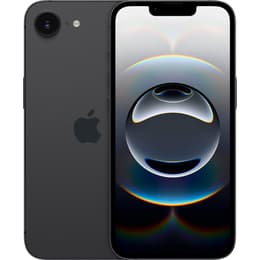
- (84)
Refurbished price:A$779.00
Versus A$1,199.00 new
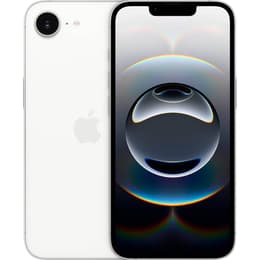
- (96)
Refurbished price:A$829.00
Versus A$1,199.00 new
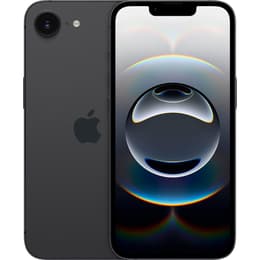
Comparing Size and Appearance: iPhone 17e, iPhone 16e, and iPhone 17
Here is a breakdown of how each model compares in terms of size, design, and colour options. The iPhone 17 offers the widest colour range, while the iPhone 17e also introduces a new colour for the first time.
Size Comparison: iPhone 16e Is the Lightest
The iPhone 17e and iPhone 16e share identical dimensions: 146.7mm x 71.5mm x 7.80mm. The iPhone 17 has a slightly larger 6.3-inch screen with narrower bezels, but is physically a little bigger and weighs 177g.
The iPhone 17e weighs 169g, while the iPhone 16e comes in at 167g. If one-handed usability is a priority, the iPhone 16e is the best option among the three.
Design Comparison: iPhone 17 Also Keeps It Simple with No Camera Bar
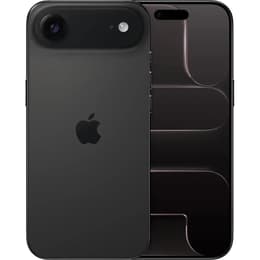
The iPhone 17e and iPhone 16e share the same design language, with a single camera positioned in the top-left corner of the rear. The iPhone 17 also has no camera bar, with its dual cameras (wide and ultrawide) arranged vertically in the top-left.
In the iPhone 17 series comparison, design differences become more apparent, as all models other than the base iPhone 17 feature a rear camera bar. If you prefer a clean, classic look, the base iPhone 17 is the way to go.
Colour Comparison: iPhone 17e Introduces a New Shade
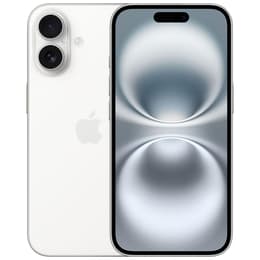
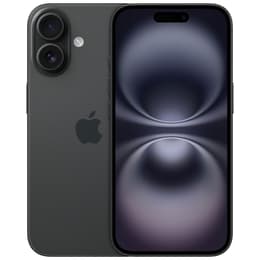
As shown in the table below, colour availability differs across all three models. All come in the classic White and Black, but the iPhone 17e adds Soft Pink, while the iPhone 17 introduces three new pastel shades.
Classic Colours | New Colours | |
iPhone 17e | White / Black | Soft Pink |
iPhone 16e | White / Black | - |
iPhone 17 | White / Black | Lavender / Sage / Mist Blue |
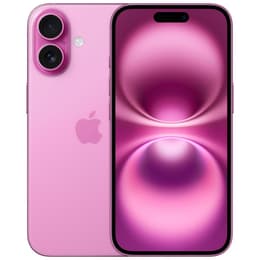
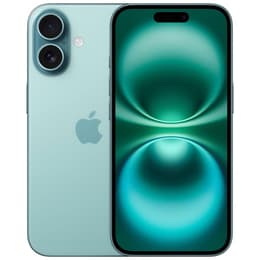
The iPhone 17e's Soft Pink is a softer, more muted tone compared to the vibrant pink of the iPhone 16, giving it a cherry blossom-like quality that has proven popular, particularly given its March release. The iPhone 17 offers three new colours in Lavender, Sage, and Mist Blue. Compared to the budget models, the base iPhone 17 has a wider colour selection. For a full breakdown, check out the iPhone 17 series colour comparison.
Refurbished price:A$970.00
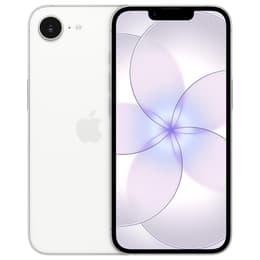
Display Performance Comparison: iPhone 17e, iPhone 16e, and iPhone 17
In terms of display, the iPhone 17e brings improved durability over the iPhone 16e, but the core specs remain largely the same. If refresh rate and brightness are important to you, the iPhone 17 is the better choice.
iPhone 17e and iPhone 16e: No Dynamic Island, Notch Retained
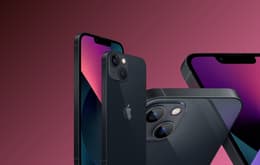
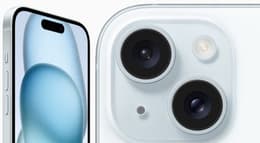
Before the iPhone 17e launched, many hoped it would adopt Dynamic Island (as seen on the iPhone 15) and ditch the notch entirely. However, as with the iPhone 14 and iPhone 16e, the iPhone 17e continues to use a notch, with no Dynamic Island support.
The notch at the top of the screen carries over from the iPhone 16e, meaning the usable display area is slightly smaller than on the notch-free iPhone 17. While Dynamic Island is convenient for checking notifications and controlling media playback, many users find it intrusive during video or gaming, so its absence is not necessarily a major drawback.
iPhone 17 and iPhone 17e Feature Ceramic Shield 2
Both the iPhone 17 and the budget iPhone 17e use Ceramic Shield 2 on the front glass. Compared to the Ceramic Shield on the iPhone 16e, it offers 3x better scratch resistance and provides better protection against cracked or broken screens from drops.
If screen durability is a concern, the iPhone 17 or iPhone 17e is worth considering. That said, screen protectors are now widely used and readily available for all iPhone models, meaning the iPhone 16e with a screen protector is still a very safe and practical option.
iPhone 17 Supports up to 120Hz Refresh Rate and Always-On Display
One of the headline display improvements across the iPhone 17 series is the refresh rate, with up to 120Hz now available on all models, including the base iPhone 17, after previously being limited to Pro models. If smooth scrolling and fluid motion during video playback or gaming are important to you, the 120Hz display makes a real difference.
The budget iPhone 17e and iPhone 16e remain capped at 60Hz and do not support Always-On Display. Always-On Display is particularly useful for those who regularly need to glance at their calendar, schedule, emails, or notifications while working remotely or in an office environment.
iPhone 17 Also Has a Higher Peak Brightness
Peak brightness is another key differentiator. The iPhone 17e and iPhone 16e achieve a maximum of 1,200 nits in HDR, while the iPhone 17 reaches up to 3,000 nits outdoors.
In terms of display performance overall, the iPhone 17 matches the Pro and Pro Max models in the iPhone 17 series, making it an excellent choice for outdoor visibility and gaming. As discussed further below, the battery life is also strong, making it a reliable companion even on the go.
Refurbished price:A$1,089.00
Versus A$1,499.00 new
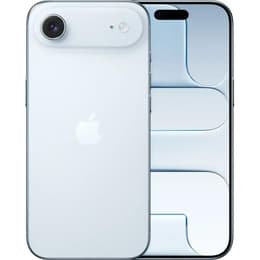
- (1)
Refurbished price:A$1,250.00
Versus A$1,399.00 new
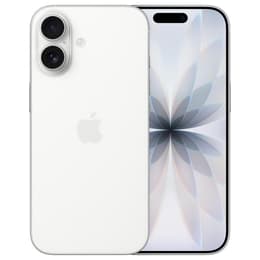
- (1)
Refurbished price:A$1,324.98
Versus A$1,399.00 new
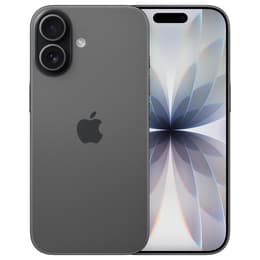
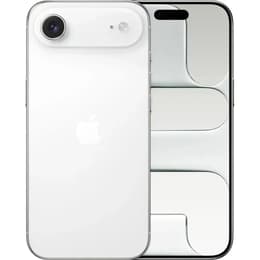
- (2)
Refurbished price:A$1,609.00
Versus A$1,999.00 new
Refurbished price:A$1,649.00
Versus A$1,999.00 new
Refurbished price:A$1,783.98
Versus A$2,199.00 new
- (1)
Refurbished price:A$1,799.00
Versus A$1,999.00 new
Refurbished price:A$1,899.00
Versus A$2,199.00 new
Refurbished price:A$1,899.00
Versus A$2,599.00 new
Refurbished price:A$1,899.00
Versus A$2,199.00 new
- (1)
Refurbished price:A$2,049.00
Versus A$2,399.00 new
Refurbished price:A$2,079.00
Versus A$2,599.00 new
Refurbished price:A$2,099.00
Versus A$2,599.00 new
Processor Performance Comparison: iPhone 17e, iPhone 16e, and iPhone 17
In terms of processor performance, the iPhone 17e shares the same A19 chip as the iPhone 17, meaning even this budget model delivers smooth performance for video editing and gaming.
Processor, CPU, and GPU Configuration Comparison
The table below compares each model's chip, RAM, and CPU/GPU core count. The iPhone 16e uses the previous-generation A18 chip.
Chip | RAM | CPU Cores | GPU Cores | |
iPhone 17e | A19 | 8GB | 6-core | 4-core |
iPhone 16e | A18 | 8GB | 6-core | 4-core |
iPhone 17 | A19 | 8GB | 6-core | 5-core |
Even older Apple-designed chips are highly capable. To put it in perspective, the 2026 MacBook Neo uses the same A18 Pro chip found in the iPhone 16 Pro and Pro Max, which says a lot about how powerful these mobile processors are.
Benchmark Score and Gaming Performance Comparison
Based on benchmark data from nanoreview.net, here is a performance comparison across all three models. The iPhone 17e has one fewer GPU core than the iPhone 17, which is reflected in its lower AnTuTu Benchmark score.
Geekbench 6 (Single-core) | Geekbench 6 (Multi-core) | AnTuTu Benchmark 10 | |
iPhone 17e | 3,610 | 9,207 | 1,951,083 |
iPhone 16e | 3,281 | 8,035 | 1,531,804 |
iPhone 17 | 3,730 | 9,382 | 2,300,150 |
Even the iPhone 16e, while lower on the chart, achieves an AnTuTu Benchmark score of over 1,500,000, which is more than sufficient to run the latest mobile games without issues. As a general benchmark, a score of 1,500,000 or above on AnTuTu is considered comfortable for smooth gaming performance.
Camera Performance Comparison: iPhone 17e, iPhone 16e, and iPhone 17
There are notable camera differences across all three models, with the base iPhone 17 standing out as the strongest performer. That said, modern iPhones across the lineup deliver more than capable photography even in non-Pro models.
The Only Camera Change on the iPhone 17e vs iPhone 16e: Next-Generation Portrait
The camera specs on the iPhone 17e and iPhone 16e are nearly identical, with a single 48MP main camera and no ultrawide lens. The front camera is also the same 12MP, with no support for Centre Frame or Dual Capture.
The one meaningful change is Portrait mode: the iPhone 17e supports Next-Generation Portrait, which automatically applies background blur and focus adjustments when people, dogs, or cats are detected in the frame, without needing to manually switch to Portrait mode.
What Can the iPhone 17 Camera Do?
The base iPhone 17 offers a significant number of camera improvements over the iPhone 17e and iPhone 16e, as summarised below. With both a 48MP wide camera and a 48MP ultrawide camera, the iPhone 17 is well suited to wide-angle shots at 0.5x zoom.
iPhone 17 | iPhone 17e / iPhone 16e | |
Ultrawide Camera | 48MP | - |
Front Camera | 18MP / Dual Capture / Centre Frame | 12MP |
Photography Features | Night mode / Macro / Spatial Photos | Night mode only |
Video Features | Cinematic mode / Action mode / Spatial Video | - |
Image Stabilisation | Optical image stabilisation | Sensor-shift optical image stabilisation |
The front camera has also been upgraded on the iPhone 17, enabling simultaneous front and rear recording. With features like Cinematic mode and Action mode for video, the iPhone 17 is the better choice if you shoot across a wide variety of scenarios.
How Does the iPhone Air's Single Camera Compare to the iPhone 17e and 16e?
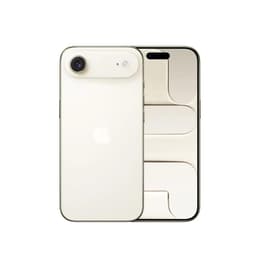
The 2025 iPhone Air is another slim and lightweight single-camera model, similar to the iPhone 17e and iPhone 16e. However, it does edge ahead in camera performance, with sensor-shift optical image stabilisation, the latest-generation Photographic Styles, Dual Capture for video, and Action mode support.
The iPhone Air has received mixed reviews overall, with its small battery and high price being common criticisms. That said, its 165g weight with a 6.5-inch large screen and a superior display compared to the iPhone 17e and iPhone 16e are real advantages. If you're curious, comparing refurbished options on Back Market is a great way to decide.
Refurbished price:A$1,089.00
Versus A$1,499.00 new
Battery Performance Comparison: iPhone 17e, iPhone 16e, and iPhone 17
Here is a breakdown of battery life, fast charging, and MagSafe support across all three models. The iPhone 17e now includes MagSafe, but the iPhone 17 leads on charging speed.
Battery Life and Fast Charging: iPhone 17 Comes Out on Top
The iPhone 17e and iPhone 16e have the same battery capacity, and both offer up to 26 hours of video playback. The iPhone 17, despite having a slightly smaller capacity at 3,692 mAh, delivers up to 30 hours of video playback thanks to improved efficiency.
Fast charging also differs: the iPhone 17e and iPhone 16e both support up to 50% charge in 30 minutes with a 20W adapter, while the iPhone 17 can reach 50% in just 20 minutes with a 40W or higher adapter. For context, recent Android models are also approaching this level of fast charging performance, as covered in our Samsung Galaxy S26 review.
iPhone 17e Now Supports MagSafe, but Slower Than iPhone 17
One of the iPhone 16e's criticisms was the lack of MagSafe support. The iPhone 17e addresses this with full MagSafe compatibility, making it a great choice for users who prefer wireless charging or want to use magnetic accessories.
However, MagSafe charging speeds differ between models. The iPhone 17e supports up to 15W MagSafe (with a 20W or higher adapter), while the iPhone 17 supports up to 25W (with a 30W or higher adapter). Both are faster than standard Qi wireless charging (up to 7.5W), but if minimising MagSafe charging time matters to you, the iPhone 17 is the better choice.
iPhone 16e MagSafe Issue Can Be Solved with a Compatible Case
The iPhone 16e's lack of native MagSafe support can be worked around with a MagSafe-compatible case. Charging speed will be limited to Qi speeds, which is slightly slower, but attaching a magnetic case allows you to use MagSafe chargers and accessories in much the same way.
The range of MagSafe-compatible cases for the iPhone 16e has grown significantly, with plenty of options to suit different styles and preferences. If you don't mind slower wireless charging speeds, the iPhone 16e with a compatible case is a practical and cost-effective solution.
SIM Compatibility Comparison: iPhone 17e, iPhone 16e, and iPhone 17
One area where the iPhone 16e has a genuine advantage is SIM flexibility. Unlike the iPhone 17 series and iPhone 17e, which are eSIM-only, the iPhone 16e supports both physical SIM and eSIM in a dual SIM configuration.
iPhone 17 Series and iPhone 17e Are eSIM Only
The entire iPhone 17 series, including the iPhone 17e, has removed the SIM card slot. All models are eSIM-only, though dual eSIM is supported.
Switching from a physical SIM to eSIM has become straightforward, and most major Australian carriers allow you to complete the migration directly from your iPhone with just a few taps. For guidance on transferring from a physical SIM, refer to your carrier's support resources.
If You Want to Keep Using a Physical SIM, iPhone 16e Is the Better Choice
Physical SIM cards still have their advantages. Swapping SIM cards makes it easy to switch between carriers or devices, and some budget mobile providers in Australia do not yet support eSIM. There is also a practical consideration: if an eSIM-only device malfunctions and becomes unresponsive, you cannot quickly transfer your SIM to another phone, whereas a physical SIM card can simply be moved across.
If you want to continue using a physical SIM for calls and mobile data, a previous-generation model like the iPhone 16e with nano-SIM support is the recommended choice. It is also a reassuring option for those who are not confident about making the switch to eSIM.
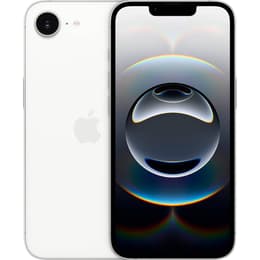
- (84)
Refurbished price:A$779.00
Versus A$1,199.00 new
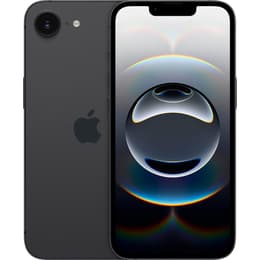
- (96)
Refurbished price:A$829.00
Versus A$1,199.00 new
Storage and Pricing Comparison: iPhone 17e, iPhone 16e, and iPhone 17
The iPhone 17e and iPhone 16e are both budget-friendly options, priced lower than the standard iPhone 17. That said, iPhones have been increasing in price year on year, so if budget is a key consideration, a refurbished previous-generation model is well worth exploring.
Storage Options and Launch Prices
The launch prices for each model are listed below. The iPhone 16e is the only model to offer a 128GB option, and at the same price as the iPhone 17e's 256GB, the iPhone 17e effectively represents better value per gigabyte.
iPhone 17e | iPhone 16e | iPhone 17 | |
128GB | - | A$999 | - |
256GB | A$999 | - | A$1,399 |
512GB | A$1,399 | - | A$1,799 |
The price difference between the iPhone 17e and the iPhone 17 is A$400. Both offer the same 256GB and 512GB storage options. For users who only use basic apps, 128GB is generally sufficient, but those who frequently shoot video or use gaming apps should consider 256GB or more as a starting point.
The iPhone 17e's release in 2026 did not result in price cuts to existing models at the Apple Store Australia. The iPhone 16e has been discontinued at the Apple Store, and iPhone 17 series pricing remains unchanged. However, refurbished iPhone 16 models on Back Market have seen price adjustments following the iPhone 17 launch.
If the Price Feels Too High, Compare Refurbished Prices!
If the A$999 starting price of the iPhone 17e feels like a stretch, a refurbished previous-generation model is a great alternative. Back Market offers a wide range of refurbished iPhones, primarily focusing on past models. Below are the lowest available refurbished prices for iPhone 15 and iPhone 16 series models as of 14 July 2026.
128GB | 256GB | 512GB | |
iPhone 15 | A$714 | A$799 | A$1,139 |
iPhone 15 Plus | A$759 | A$1,177 | - |
iPhone 15 Pro | A$856 | A$899 | A$1,359 |
iPhone 15 Pro Max | - | A$964 | Sold out |
iPhone 16 | A$950 | A$1,141 | A$1,279 |
iPhone 16 Plus | A$1,024 | A$1,389 | - |
iPhone 16 Pro | A$1,128 | A$1,397 | A$1,649 |
iPhone 16 Pro Max | - | A$1,350 | Sold out |
iPhone 16e | A$719 | A$819 | A$899 |
Refurbished iPhone 15 models are particularly popular and can be significantly cheaper than a new iPhone 17e or 16e. Older iPhones still offer excellent performance and are a great option for younger users too.
Performance Comparison Summary: iPhone 17e, iPhone 16e, and iPhone 17 - Which Model Is Right for You?
After a comprehensive comparison of the iPhone 17e, iPhone 16e, and the base iPhone 17, here is a summary of what makes each model stand out, based on performance, key features, and price point.
What Makes the iPhone 17e Stand Out: More Storage and a New Colour Are Highlights
Compared to previous budget models, the iPhone 17e brings several meaningful improvements, including MagSafe support and the latest chip. Despite matching the iPhone 16e in price, it doubles the base storage from 128GB to 256GB, giving even heavy gaming users plenty of room to move.
The new colour has also been well received. While the iPhone 16e was limited to Black and White, the iPhone 17e's Soft Pink has proven popular, particularly among female users who appreciate its soft, muted pastel tone.
Refurbished price:A$970.00
What Makes the iPhone 16e Stand Out: A Relatively Recent Model at a Lower Price
While the iPhone 16e falls behind the iPhone 17e in some areas, its display, battery life, and camera performance are largely on par, meaning day-to-day usability is not dramatically different.
If you don't use MagSafe wireless charging and are looking for a relatively recent model at a lower price, a refurbished iPhone 16e is a strong option. Refurbished pricing comes in below the retail price of a new iPhone 17e, and it still supports Apple Intelligence AI features and physical SIM cards. The flexibility of dual SIM (physical SIM + eSIM) is a genuine advantage for many users.
- (84)
Refurbished price:A$779.00
Versus A$1,199.00 new
- (96)
Refurbished price:A$829.00
Versus A$1,199.00 new
What Makes the iPhone 17 Stand Out: The Best Choice for Users Who Prioritise Display, Camera, and Overall Performance
The base iPhone 17, on the other hand, delivers a noticeably higher level of performance than the budget models, with up to 120Hz refresh rate, up to 30 hours of battery life, and a dual-camera system that includes an ultrawide lens.
While most of the iPhone 17 series saw a price increase, the base iPhone 17 is actually cheaper than the iPhone 16 when compared at the same storage capacity. With strong performance and excellent value for money, the iPhone 17 is the top pick if you want a high-spec device without overpaying.
Refurbished price:A$1,089.00
Versus A$1,499.00 new
- (1)
Refurbished price:A$1,250.00
Versus A$1,399.00 new
- (1)
Refurbished price:A$1,324.98
Versus A$1,399.00 new
- (2)
Refurbished price:A$1,609.00
Versus A$1,999.00 new
Refurbished price:A$1,649.00
Versus A$1,999.00 new
Refurbished price:A$1,783.98
Versus A$2,199.00 new
- (1)
Refurbished price:A$1,799.00
Versus A$1,999.00 new
Refurbished price:A$1,899.00
Versus A$2,199.00 new
Refurbished price:A$1,899.00
Versus A$2,599.00 new
Refurbished price:A$1,899.00
Versus A$2,199.00 new
- (1)
Refurbished price:A$2,049.00
Versus A$2,399.00 new
Refurbished price:A$2,079.00
Versus A$2,599.00 new
Refurbished price:A$2,099.00
Versus A$2,599.00 new
Refurbished iPhones Are the Smart Choice for Popular Models Like the iPhone 17e, 16e, and iPhone 17!
While iPhones can be purchased new from the Apple Store, refurbished devices have become an increasingly popular alternative.
Refurbished iPhones Offer Higher Quality Than Second-Hand Devices
When it comes to quality, there is an important distinction between refurbished and second-hand devices. Second-hand iPhones carry risks such as faults or battery degradation, whereas refurbished devices undergo professional inspection, cleaning, and repairs as needed.
As a result, refurbished iPhones are verified to perform like new — giving you peace of mind even with a pre-owned device. Even if you've had a bad experience buying second-hand phones in the past, a refurbished iPhone is a reliable alternative.
Older Models Like the iPhone 16e Are More Affordable When Bought Refurbished
Refurbished devices are available across a wide range of previous-generation models, all priced below their original retail value. While this article has focused on the iPhone 17e, 16e, and iPhone 17, if specs aren't your top priority, it's worth exploring the iPhone 14, 15, and 16 series as well.
If battery life and camera performance matter most, the iPhone 16 series is a great choice. If you're comfortable using a Lightning connector device, a refurbished iPhone 14 series model offers excellent value for money.
- (959)
Refurbished price:A$494.00
Versus A$1,049.00 new
- (946)
Refurbished price:A$479.00
Versus A$1,049.00 new
- (383)
Refurbished price:A$699.00
Versus A$1,249.00 new
- (1,392)
Refurbished price:A$273.00
Versus A$1,049.00 new
- (394)
Refurbished price:A$474.12
Versus A$1,119.00 new
- (1,510)
Refurbished price:A$380.00
Versus A$1,099.00 new
- (963)
Refurbished price:A$450.00
Versus A$1,049.00 new
- (2,308)
Refurbished price:A$196.00
Versus A$719.00 new
- (68)
Refurbished price:A$740.00
Versus A$1,399.00 new
- (223)
Refurbished price:A$878.00
Versus A$1,849.00 new
- (97)
Refurbished price:A$1,039.00
Versus A$2,199.00 new
- (39)
Refurbished price:A$116.15
Versus A$279.00 new
- (1,460)
Refurbished price:A$150.00
Versus A$529.00 new
Back Market Also Offers an iPhone Trade-In Service!
Back Market doesn't just sell refurbished iPhones — we also offer an iPhone trade-in service. You can easily submit a trade-in request online and get an instant quote directly from our website.
While older models like the iPhone 16e are available at lower prices, selling your current device can make upgrading to a new iPhone even more affordable. If you're wondering where to sell your iPhone, start by checking your trade-in value on Back Market.
Frequently Asked Questions: iPhone 17e vs 16e vs iPhone 17 Comparison
Here is a summary of frequently asked questions about the iPhone 17e, iPhone 16e, and the standard iPhone 17, covering specs and features. All three are relatively recent models with long OS support periods, though they may not suit every user's performance needs.
How Much Does the Lifespan and iOS Support Period Differ Between Each Model?
Battery longevity and iOS update support are the key factors when it comes to how long an iPhone lasts. Apple typically supports iOS updates for around seven years after a model's release, meaning even older models tend to have a long usable life — one of the key advantages of choosing an iPhone.
Since the iPhone 17e, 16e, and iPhone 17 were all released between 2025 and 2026, there is no significant difference in lifespan or iOS support period between them.
Do the iPhone 17e, 16e, and iPhone 17 All Lack a Telephoto Camera?
The budget and standard models do not include a telephoto camera, meaning their optical zoom performance falls short compared to the Pro models. The iPhone 17 Pro and iPhone 17 Pro Max, released in 2025, support up to 8x optical-quality zoom and feature a 48MP telephoto camera.
That said, the Pro models come at a premium price when bought new, and higher storage configurations can push the cost well above A$2,000. If you're looking for a high-performance camera at a lower price, a refurbished iPhone 16 Pro or Pro Max is also worth considering — both support the Camera Control button for quick shutter and zoom adjustments.
- (73)
Refurbished price:A$1,140.00
Versus A$1,799.00 new
- (86)
Refurbished price:A$1,140.00
Versus A$1,799.00 new
- (47)
Refurbished price:A$1,280.00
Versus A$2,149.00 new
- (46)
Refurbished price:A$1,309.00
Versus A$2,149.00 new
- (84)
Refurbished price:A$779.00
Versus A$1,199.00 new
- (96)
Refurbished price:A$829.00
Versus A$1,199.00 new
- (76)
Refurbished price:A$955.00
Versus A$1,399.00 new
- (17)
Refurbished price:A$957.78
Versus A$1,599.00 new

Do the Budget iPhone 17e and 16e Support a Home Button (Fingerprint Authentication)?
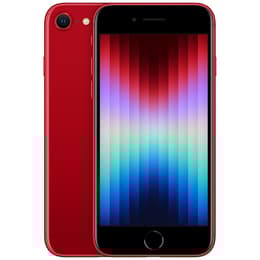
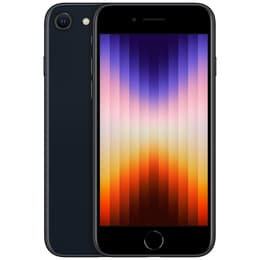
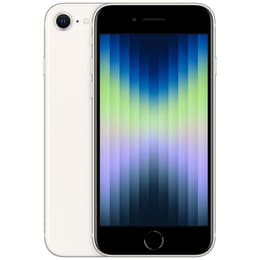
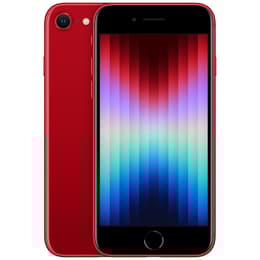
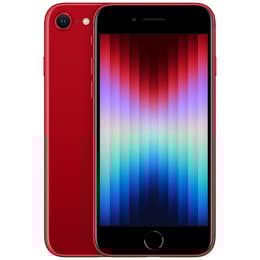
Previous budget iPhone models included the iPhone SE series, which supported fingerprint authentication. However, the iPhone 17e and 16e have removed the home button in favour of Face ID. Compared to the iPhone SE series, these models offer a larger screen size and improved water and dust resistance.
That said, for users who prefer a home button on their iPhone, the 17e and 16e are not the right fit. Since a 4th generation iPhone SE was never released, if you're looking to switch to an iPhone with a home button, a refurbished iPhone SE (3rd Generation) is a great option.
- (2,308)
Refurbished price:A$196.00
Versus A$719.00 new
- (2,311)
Refurbished price:A$248.00
Versus A$799.00 new
- (2,305)
Refurbished price:A$219.00
Versus A$719.00 new
- (2,300)
Refurbished price:A$220.00
Versus A$719.00 new
- (2,311)
Refurbished price:A$279.00
Versus A$799.00 new
- (2,311)
Refurbished price:A$279.00
Versus A$799.00 new
- (2,263)
Refurbished price:A$459.00
Versus A$969.00 new