
Compare models

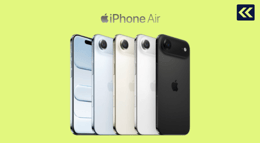
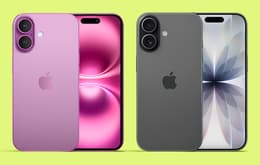
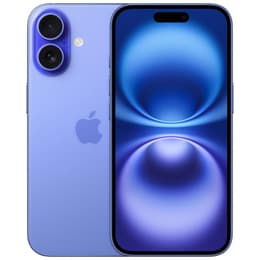
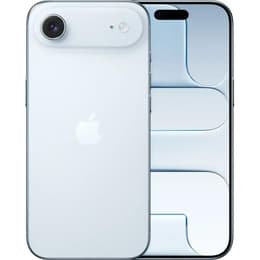
iPhone 16 vs iPhone Air

  • 1-year warranty
  • Free standard shipping
  • Free 30-day returns
iPhone 16
Starting at

Refurbished price:A$953.00

Versus A$1,349.00 new

See options
iPhone Air
Starting at

Refurbished price:A$1,061.00

Versus A$1,899.00 new

See options

Differences at a glance

The iPhone 16 (2024) and the iPhone Air (2025) represent two distinct approaches to modern smartphone design, balancing established flagship capabilities with ultra-slim engineering. While the iPhone 16 delivers a reliable, traditional form factor with robust dual cameras, the iPhone Air introduces a breakthrough lightweight profile built around a streamlined aesthetic. Operating on contemporary versions of iOS, both models support advanced software ecosystems while catering to very different handling preferences.

Available Models

Colour

Storage (GB)

Scores

Durability

When considering longevity and durability, both devices benefit from extended software support timelines and durable material choices, though their physical builds differ significantly.

  • Software Support: Both models receive multi-year operating system upgrades and security updates, ensuring long-term compatibility with modern applications.
  • Build Resilience: The iPhone 16 features a structured glass and aluminum construction, while the iPhone Air utilizes a titanium frame paired with reinforced screen protection to manage its ultra-slim profile.
  • Repairability: Both devices maintain standardized internal modularity, supporting straightforward component servicing through official channels to extend their practical operational lifespan.

Release year

2024

2025

Compatible with latest Update

Yes

Yes

Foldable

No

No

Performance

Performance capabilities vary across both models based on hardware generation and internal space constraints, influencing daily multitasking and system speed.

  • System Responsiveness: Both devices handle everyday tasks, web browsing, and demanding applications smoothly, though the newer processor in the iPhone Air offers additional headroom for complex computational tasks.
  • Multitasking and Memory: Varied random access memory allocations between the two models affect how many background applications remain active simultaneously during heavy use.
  • Power Management: Battery endurance differs due to physical size constraints, with the traditional form factor accommodating a larger battery capacity compared to the extremely slim profile of the alternative.

Screen quality

Display configurations on these smartphones prioritize high visual clarity and vibrant color reproduction, tailored to different viewing preferences.

  • Display Technology: Both devices use advanced organic light-emitting diode panels that deliver deep contrast levels, rich colors, and high outdoor peak brightness.
  • Refresh Rates: The iPhone Air incorporates adaptive high refresh rate technology for smoother scrolling and animations, while the standard iPhone 16 utilizes a conventional refresh rate.
  • Dimensions: The iPhone 16 provides a compact viewing area suitable for single-handed use, whereas the iPhone Air offers a larger screen real estate for media consumption.

Resolution

1179 x 2556

2736x1260

Screen type

Super Retina XDR OLED

Super Retina XDR

Audiovisual

Camera systems on these models cater to different photography habits, balancing multi-lens versatility with minimalist design choices.

  • Lens Configuration: The iPhone 16 features a dual-lens setup including a main and ultra-wide camera, whereas the iPhone Air streamlines photography down to a single high-resolution main sensor.
  • Video and Audio: Both models support stable high-definition video recording, though internal speaker configurations differ, with the traditional model offering stereo output and the slim model utilizing a simplified audio setup.
  • Low-Light Performance: Computational photography features on both devices enhance clarity and detail in dim environments, maintaining balanced exposure across various lighting conditions.

Main camera

48 megapixels

48 megapixels

Front camera

12 megapixels

18 megapixels

Miscellaneous

Practical everyday features, connectivity standards, and physical handling characteristics define the operational differences between these two phones.

  • Connectivity: Both devices support modern fifth-generation cellular networks, rapid wireless standards, and digital subscriber identity card profiles.
  • Physical Handling: The iPhone 16 offers a familiar weight and grip profile, while the iPhone Air prioritizes a remarkably thin and lightweight body that reduces pocket bulk.
  • Physical Controls: Both options incorporate tactile side buttons and universal charging ports to facilitate everyday navigation and accessory connection.

Weight

170 oz

165 oz

Screen size (in)

6.1

6.5

Network

5G

5G

SIM card

Physical SIM + eSIM

eSIM

Carrier compatibility

Unlocked

Unlocked

Connector

USB-C (USB 2)

USB-C

What the community thinks

User feedback highlights distinct preferences for each device based on everyday priorities. Owners of the iPhone 16 frequently praise its reliable battery duration, versatile dual-camera setup, and comfortable handling. Conversely, users drawn to the iPhone Air emphasize its exceptionally lightweight build, slim profile, and large high-refresh-rate display as major advantages, though some note trade-offs in speaker output and single-lens versatility.

Users prioritizing ergonomics, minimal pocket weight, and a streamlined feel will find the iPhone Air well-suited to their daily routine. Meanwhile, users who value traditional multi-lens photography versatility and longer battery endurance between charges may prefer the iPhone 16. For buyers exploring sustainable purchasing routes, choosing a quality-assured refurbished option provides an eco-friendly alternative that extends device life cycles without compromising on performance standards.