Compare models
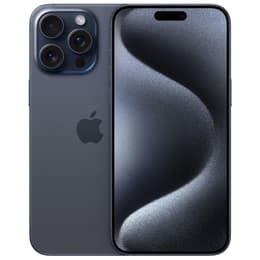
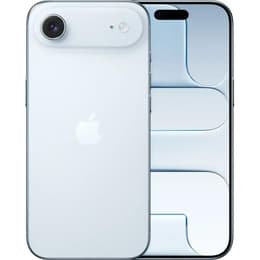
iPhone 15 Pro Max vs iPhone Air
- 1-year warranty
- Free standard shipping
- Free 30-day returns
Differences at a glance
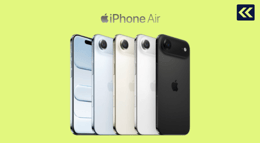
The iPhone 15 Pro Max (2023) and the iPhone Air (2025) represent two distinct approaches to high-end smartphone engineering. While the iPhone 15 Pro Max focuses on maximum hardware versatility with a triple-camera array and a larger physical build, the iPhone Air prioritizes an ultra-slim profile and lightweight everyday handling. Both run on Apple's iOS platform, though they launch from different hardware generations.
Available Models
Colour
Storage (GB)
Scores
Durability
When evaluating the long-term viability of these devices, differences in release years and hardware generation dictate their expected software support timelines and overall durability profiles.
- Release timeline and software longevity: The iPhone 15 Pro Max debuted in 2023, whereas the iPhone Air arrived in 2025. Consequently, the iPhone Air benefits from a two-year newer processor architecture, extending its potential window for receiving major operating system updates.
- Build durability and materials: Both models utilize durable titanium frames and robust glass constructions protected by advanced ceramic shielding layers, helping them withstand daily wear and resist accidental drops effectively.
- Expected practical lifespan: Both devices offer strong build quality and multi-year software backing, though the newer internal components of the iPhone Air give it a slight edge in future readiness for upcoming software features.
Release year
2023
2025
Compatible with latest Update
Yes
Yes
Operating system
iOS
iOS
Foldable
No
No
Performance
System responsiveness and everyday multitasking capabilities differ due to the generational gap in processing hardware between the two devices.
- Everyday execution and multitasking: Both smartphones handle demanding applications, heavy multitasking, and graphic-intensive mobile games smoothly, though the newer processor in the iPhone Air provides additional headroom for complex background tasks.
- Storage capacity configurations: Both models are available in high-capacity storage tiers starting at generous baselines, accommodating large photo libraries, downloaded media, and extensive offline files without running short on space.
- Battery behavior and endurance: The larger physical footprint of the iPhone 15 Pro Max accommodates a higher-capacity battery designed to sustain extended periods of heavy use, while the ultra-thin design of the iPhone Air features a more compact battery that may require more frequent recharging during intensive workdays.
Screen quality
Visual clarity and display performance remain strong on both models, utilizing advanced OLED technology to deliver sharp images and deep contrast levels.
- Display technology and clarity: Both devices feature vibrant Super Retina XDR OLED screens with high pixel densities, ensuring sharp text rendering and rich media reproduction for everyday viewing.
- Outdoor visibility and brightness: The iPhone Air reaches higher peak brightness levels for outdoor viewing compared to the iPhone 15 Pro Max, making on-screen content easier to read under direct sunlight.
- Refresh rate and scrolling smoothness: Both models incorporate adaptive refresh rate technology scaling up to 120Hz, providing fluid scrolling animations and responsive touch feedback during navigation and gaming.
Resolution
1290 x 2796
2736x1260
Screen type
LTPO Super Retina XDR OLED
Super Retina XDR
Audiovisual
Photography and media consumption hardware differ notably between the flexible multi-lens array of the Pro model and the streamlined single-lens approach of the slim model.
- Camera system versatility: The iPhone 15 Pro Max features a triple-lens setup including a dedicated periscope telephoto lens for long-range optical zoom, whereas the iPhone Air relies on a single high-resolution main camera system housed within an elevated plateau.
- Low-light and everyday capture: Both phones capture detailed everyday photos and process low-light scenes effectively using computational photography, but the Pro model offers greater framing flexibility for distant subjects.
- Audio and media output: Both devices deliver clear stereo sound and reliable microphone performance for voice calls and video recordings, ensuring an immersive experience when streaming videos or listening to music.
Main camera
48 megapixels
48 megapixels
Front camera
12 megapixels
18 megapixels
Miscellaneous
Physical dimensions, weight distribution, and connectivity features dictate how each device integrates into daily routines and travel setups.
- Weight and physical dimensions: The iPhone Air stands out with its exceptionally thin profile and lighter weight, making it significantly more comfortable for single-handed use and pocket storage compared to the heavier iPhone 15 Pro Max.
- Connectivity and ports: Both smartphones utilize standard USB-C ports for charging and data transfers, alongside modern 5G cellular capabilities and fast wireless networking standards for reliable connectivity on the move.
- Security and sensors: Both models rely on facial recognition technology for secure authentication and authorize transactions quickly, supported by integrated sensor suites for motion tracking and spatial awareness.
Weight
221 oz
165 oz
Screen size (in)
6.7
6.5
Network
5G
5G
SIM card
Physical SIM + eSIM
eSIM
Carrier compatibility
Unlocked
Unlocked
Connector
USB-C (USB 3)
USB-C
What the community thinks
User feedback on community forums highlights distinct preferences for each device based on physical design and hardware priorities. Owners of the iPhone 15 Pro Max frequently praise its reliable battery longevity and versatile zoom capabilities for photography. At the same time, users gravitate toward the iPhone Air for its remarkable thinness, reduced hand fatigue, and lightweight feel during extended daily handling. Critics of the iPhone 15 Pro Max point to its heavier build and larger footprint in pockets, whereas feedback for the iPhone Air occasionally notes the absence of a dedicated telephoto lens and a shorter battery duration under heavy loads.
Users who prioritize multi-lens camera flexibility, optical zoom, and extended daily battery endurance will find the iPhone 15 Pro Max well-suited to their needs. Conversely, users who value a lightweight build, ultra-slim handling, and a newer processing architecture will lean toward the iPhone Air. For those exploring sustainable purchasing choices, a quality-assured refurbished option from Back Market provides a reliable and eco-friendly alternative for acquiring either device without buying new.