
Compare models
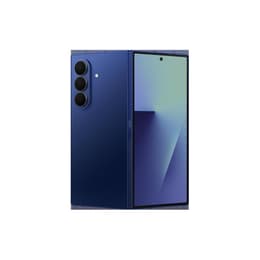
Galaxy A14 5G vs Galaxy Z Fold7
- 1-year warranty
- Free standard shipping
- Free 30-day returns
Differences at a glance
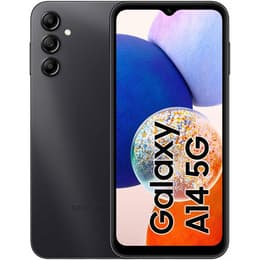
The Samsung Galaxy A14 5G (2023) and the Samsung Galaxy Z Fold7 (2025) represent two entirely different concepts within the modern smartphone landscape, catering to distinct user priorities and device formats. While the Galaxy A14 5G serves as a conventional, straightforward everyday mobile phone, the Galaxy Z Fold7 introduces an innovative book-style folding design with advanced multitasking capabilities. Both devices run on the Android operating system with Samsung's user interface, yet they offer vastly different approaches to hardware capability, physical construction, and daily utility.
Available Models
Colour
Storage (GB)
Scores
Durability
When examining hardware longevity and software support, these two devices reflect different generation timelines and structural designs that influence their expected practical lifespans.
- Software Support Timeline: The Galaxy Z Fold7 benefits from an extended software update lifecycle aligned with its recent 2025 release, whereas the Galaxy A14 5G operates on an earlier release schedule from 2023.
- Physical Durability: The Galaxy A14 5G features a traditional bar-style polycarbonate frame, while the Galaxy Z Fold7 employs complex folding hinge engineering and specialized internal flexible displays that require mindful handling over years of use.
- Repairability Considerations: Standard bar-form devices like the Galaxy A14 5G generally present simpler structural maintenance paths compared to multi-screen foldable technology found in the Galaxy Z Fold7.
Release year
2023
2025
Operating system
Android
Android
Foldable
No
Yes
Performance
Internal hardware configurations dictate how each smartphone manages multitasking, app loading speeds, and overall system responsiveness during daily tasks.
- Processing Power and Multitasking: The Galaxy A14 5G handles standard communication, web browsing, and light media playback with a modest entry-level processor, whereas the Galaxy Z Fold7 utilizes a current-generation flagship processor paired with high memory capacity to run demanding productivity applications and split-screen workflows simultaneously.
- Storage Capacity: The Galaxy A14 5G provides modest internal storage options often supplemented by expandable memory cards, while the Galaxy Z Fold7 starts with significantly larger baseline internal storage configurations to accommodate heavy local file storage.
- Battery Behavior: The Galaxy A14 5G features a large capacity battery suited for conservative hardware demands, while the Galaxy Z Fold7 balances its energy consumption across multiple high-resolution displays through advanced power management.
Screen quality
Display technology forms one of the most significant structural and visual differentiators between these two mobile models.
- Display Technology: The Galaxy A14 5G utilizes a standard liquid crystal display panel providing clear visuals for daily reading, while the Galaxy Z Fold7 deploys dynamic organic light-emitting diode panels on both its outer cover and its expansive inner folding tablet screen.
- Viewing Area and Versatility: Users of the Galaxy A14 5G receive a traditional single-screen viewing experience, whereas the Galaxy Z Fold7 transforms from a standard narrow cover screen into a wide, tablet-sized workspace for media viewing and document editing.
- Outdoor Visibility: The Galaxy Z Fold7 achieves higher peak brightness levels suitable for clear outdoor legibility under direct sunlight compared to the entry-level panel on the Galaxy A14 5G.
Resolution
1080 x 2408
1968x2184
Audiovisual
Media capture and audio output capabilities vary substantially, reflecting the distinct market positioning of each device.
- Camera System Versatility: The Galaxy A14 5G offers a functional multi-lens rear camera setup centered around a high-resolution main sensor for basic snapshots, while the Galaxy Z Fold7 incorporates an advanced multi-camera array including specialized optical zoom and ultra-wide capabilities for complex photography.
- Video and Processing: The Galaxy Z Fold7 supports high-resolution video recording formats and advanced on-device processing tools, whereas the Galaxy A14 5G focuses on standard high-definition video capture for casual sharing.
- Media Consumption: Stereo speaker output on the Galaxy Z Fold7 delivers a richer audio profile for movies and music, complementing its expansive folding screen compared to the single speaker setup on the Galaxy A14 5G.
Miscellaneous
Physical dimensions, connectivity standards, and daily ergonomics define how comfortably each device integrates into various user routines.
- Form Factor and Handling: The Galaxy A14 5G presents a conventional bar-style footprint with a standard thickness, whereas the Galaxy Z Fold7 features a remarkably thin profile when unfolded, though it carries a heavier overall weight due to its dual-screen assembly.
- Connectivity Options: Both smartphones support modern fifth-generation cellular networks and local wireless standards, though the Galaxy Z Fold7 incorporates more recent iterations of Wi-Fi and Bluetooth protocols.
- Physical Ports and Security: The Galaxy A14 5G includes a traditional wired headphone jack and a side-mounted fingerprint sensor, while the Galaxy Z Fold7 relies entirely on wireless audio connectivity and integrates biometric sensors into its side power key.
Weight
205 oz
215 oz
Screen size (in)
6.6
8.0
Network
5G
5G
SIM card
Physical SIM
Dual Physical SIM + eSIM
Carrier compatibility
Unlocked
Unlocked
What the community thinks
Community feedback from actual users highlights distinct preference trends for each device. Owners of the Galaxy A14 5G frequently praise its dependable battery endurance, straightforward interface, and inclusion of expandable storage slots for everyday communication tasks. Conversely, users of the Galaxy Z Fold7 emphasize appreciation for its transformative multi-screen workspace and robust multitasking capacity, though some note that the heavier weight and specialized care required for a folding screen necessitate careful handling. For buyers exploring sustainable choices, opting for a quality-assured refurbished option through platforms like Back Market provides an eco-friendly alternative that extends device lifecycles.
Users prioritizing simple, reliable communication, straightforward battery management, and conventional app usage will find the Galaxy A14 5G well-suited to their daily routines. Meanwhile, users prioritizing advanced multitasking, expansive display real estate for productivity, and cutting-edge mobile engineering will lean toward the Galaxy Z Fold7. Weighing these core structural differences against personal usage habits ensures a well-informed selection aligned with individual needs.