
Compare models

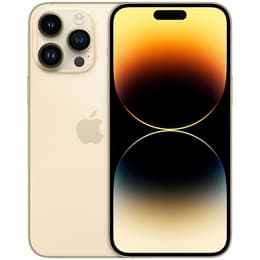
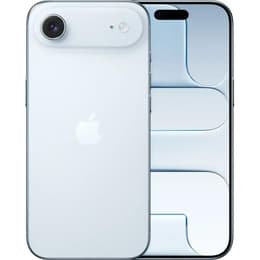
iPhone 14 Pro Max vs iPhone Air

  • 1-year warranty
  • Free standard shipping
  • Free 30-day returns
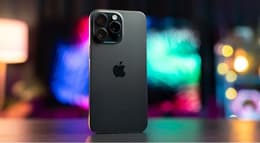
iPhone 14 Pro Max
Starting at

Refurbished price:A$736.00

Versus A$1,899.00 new

See options
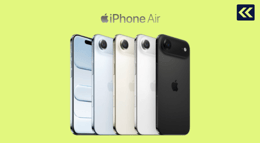
iPhone Air
Starting at

Refurbished price:A$1,061.00

Versus A$1,899.00 new

See options

Differences at a glance

The iPhone 14 Pro Max (2022) and the iPhone Air (2025) represent two distinct design philosophies within Apple's smartphone lineup, contrasting a large-format flagship powerhouse with an ultra-slim, modern device.

While both smartphones deliver high-end experiences through Apple's iOS ecosystem, they differ significantly in their physical footprint, release timeline, and internal capabilities. Choosing between them depends on whether you prioritize maximum multi-lens versatility and robust build weight or a lightweight, highly portable form factor.

Available Models

Colour

Storage (GB)

Scores

Durability

Both devices offer strong structural durability and prolonged software longevity, though their differing release years place them at different stages of their support lifecycles.

  • Software Lifespan: The iPhone Air benefits from a more recent release date, granting it an extended window of official iOS feature updates compared to the slightly older iPhone 14 Pro Max.
  • Build and Repairability: Both models utilize durable glass-and-metal construction combined with water and dust resistance, though standard repair procedures remain comparable across both generation types.
  • Expected Longevity: Users opting for a quality-assured refurbished option can expect both devices to maintain daily reliability and efficient performance over several years of standard use.

Release year

2022

2025

Compatible with latest Update

Yes

Yes

Operating system

iOS

iOS

Foldable

No

No

Performance

Under the hood, these devices handle daily multitasking, demanding applications, and system responsiveness through different generations of internal hardware capabilities.

  • System Responsiveness: The iPhone Air handles intensive multitasking and graphics-heavy apps with advanced efficiency, while the iPhone 14 Pro Max continues to provide smooth operation for everyday tasks and general workflows.
  • Battery Behavior: The larger frame of the iPhone 14 Pro Max accommodates a heavier battery capable of sustaining extended heavy usage, whereas the ultra-thin profile of the iPhone Air manages power efficiently through optimized internal architecture.
  • Storage and RAM: Both models offer ample storage configurations to store large photo libraries and applications, paired with sufficient memory headroom to keep background tasks active.

Screen quality

Display technology across both models delivers bright, clear viewing experiences, though they differ slightly in panel dimensions and maximum outdoor luminance.

  • Display Technology: Both devices feature vibrant OLED displays with high contrast ratios, deep blacks, and adaptive refresh rates for smooth scrolling and responsive touch interactions.
  • Brightness Levels: The iPhone Air introduces higher peak outdoor brightness for improved legibility under direct sunlight, while the iPhone 14 Pro Max provides ample luminescence for clear visibility in varied lighting conditions.
  • Screen Real Estate: The iPhone 14 Pro Max offers a slightly larger canvas suited for media consumption and split-screen viewing, whereas the iPhone Air balances screen space with a more streamlined overall footprint.

Resolution

1290 x 2796

2736x1260

Screen type

LTPO Super Retina XDR OLED

Super Retina XDR

Audiovisual

Photographic capabilities differ notably between the multi-lens array of the traditional flagship model and the streamlined approach of the ultra-slim device.

  • Camera Systems: The iPhone 14 Pro Max features a versatile multi-lens setup including dedicated optical zoom capabilities, while the iPhone Air focuses on a single advanced high-resolution main lens system.
  • Everyday and Low-Light Capture: Both models excel at producing sharp, balanced images in standard lighting and utilize computational photography to preserve detail in dim environments.
  • Video and Audio: Video recording quality remains stable and clear on both smartphones, supported by steady stabilization modes and reliable microphone pickup for calls and media creation.

Main camera

48 megapixels

48 megapixels

Front camera

12 megapixels

18 megapixels

Miscellaneous

Practical everyday features, physical dimensions, and connectivity standards shape how each device feels and functions in regular use.

  • Portability and Handling: The iPhone Air stands out for its remarkably thin profile and lightweight build, making it comfortable for single-handed use, while the iPhone 14 Pro Max offers a heavier, more substantial feel in the hand.
  • Connectivity Standards: Both models support fast cellular networks and reliable wireless protocols, ensuring quick downloads and stable accessories pairing.
  • Authentication and Ports: Both devices utilize secure facial recognition for unlocking and authorized payments, and charge via standard reversible connector types.

Weight

120 oz

165 oz

Screen size (in)

6,7

6.5

Network

5G

5G

SIM card

Physical SIM + eSIM

eSIM

Carrier compatibility

Unlocked

Unlocked

Connector

Lightning

USB-C

What the community thinks

Deciding between the iPhone 14 Pro Max and the iPhone Air depends entirely on individual preferences regarding physical design, handling comfort, and hardware focus. Users prioritizing an ultra-slim, lightweight profile and high portability will find the iPhone Air well-suited to their daily routines. Conversely, users who prefer a heavier device with a multi-lens camera system and extended screen space may lean toward the iPhone 14 Pro Max.

As consumers weigh these choices, exploring a sustainable choice through professional refurbishment provides a reliable path to acquiring either model with verified quality assurance. Both smartphones deliver capable performance within the Apple ecosystem, ensuring a satisfying user experience regardless of which physical form factor you select.