'%3e%3cpath%20fill='%2310338c'%20d='M0%200h40v26.67H0V0'/%3e%3cpath%20fill='%23fff'%20d='m9.899%2016.971.856%201.828%201.922-.455-.856%201.82%201.549%201.261-1.93.447.008%202.028-1.55-1.27-1.54%201.27.008-2.028-1.93-.447%201.548-1.26-.863-1.82%201.93.454.848-1.828m20.226%203.552.404.87.919-.215-.413.87.74.599-.919.207v.974l-.732-.607-.739.607.008-.974-.918-.207.739-.599-.412-.87.918.215.405-.87M25.097%209.986l.405.87.918-.215-.412.87.74.599-.92.215v.966l-.73-.607-.74.607.008-.966-.926-.215.739-.599-.412-.87.918.215.412-.87m5.028-7.2.404.87.919-.215-.413.87.74.598-.919.216V6.09l-.732-.607-.739.607.008-.966-.918-.216.739-.598-.412-.87.918.215.405-.87m4.552%205.245.405.87L36%208.685l-.413.87.74.599-.918.207v.974l-.732-.606-.74.606v-.974l-.918-.207.74-.599-.413-.87.919.216.412-.87m-2.91%205.26.319%201.014h1.035l-.84.623.326%201.013-.84-.63-.84.63.318-1.014-.833-.622h1.036l.319-1.014M19.922%200v2.443l-3.51%202.003h3.51V9.18h-4.599l4.6%202.618v1.828h-2.079l-5.72-3.264v3.264H7.799v-3.88l-6.802%203.88H0v-2.442L3.518%209.18H0V4.446h4.6L0%201.82V0h2.078l5.72%203.257V0h4.326v3.88L18.935%200h.988'/%3e%3cpath%20fill='%23d80027'%20d='M11.206%200h-2.49v5.532H0v2.554h8.716v5.54h2.49v-5.54h8.716V5.532h-8.716V0'/%3e%3cpath%20fill='%230052b4'%20d='m12.125%209.18%207.797%204.446v-1.26L14.335%209.18h-2.21'/%3e%3cpath%20fill='%23fff'%20d='m12.125%209.18%207.797%204.446v-1.26L14.335%209.18h-2.21'/%3e%3cpath%20fill='%23d80027'%20d='m12.125%209.18%207.797%204.446v-1.26L14.335%209.18h-2.21m-6.53%200L0%2012.365v1.261L7.798%209.18H5.595'/%3e%3cpath%20fill='%230052b4'%20d='M7.798%204.446%200%200v1.253l5.595%203.193h2.203'/%3e%3cpath%20fill='%23fff'%20d='M7.798%204.446%200%200v1.253l5.595%203.193h2.203'/%3e%3cpath%20fill='%23d80027'%20d='M7.798%204.446%200%200v1.253l5.595%203.193h2.203m6.537%200%205.587-3.193V0l-7.798%204.446h2.21'/%3e%3c/g%3e%3cdefs%3e%3cclipPath%20id='country-flag-au-a'%3e%3cpath%20fill='%23fff'%20d='M0%200h40v26.67H0z'/%3e%3c/clipPath%3e%3c/defs%3e%3c/svg%3e)
'%3e%3cpath%20fill='%23f0f0f0'%20d='M40%200H0v26.666h40V0'/%3e%3cpath%20fill='%23d80027'%20d='M40%200H0v8.889h40V0m0%2017.778H0v8.888h40v-8.888'/%3e%3c/g%3e%3cdefs%3e%3cclipPath%20id='country-flag-at-a'%3e%3cpath%20fill='%23fff'%20d='M0%200h40v26.67H0z'/%3e%3c/clipPath%3e%3c/defs%3e%3c/svg%3e)
'%3e%3cpath%20fill='%23ffda44'%20d='M40%200H0v26.67h40V0'/%3e%3cpath%20fill='%23000'%20d='M13.333%200H0v26.67h13.333V0'/%3e%3cpath%20fill='%23d80027'%20d='M40%200H26.667v26.67H40V0'/%3e%3c/g%3e%3cdefs%3e%3cclipPath%20id='country-flag-be-a'%3e%3cpath%20fill='%23fff'%20d='M0%200h40v26.67H0z'/%3e%3c/clipPath%3e%3c/defs%3e%3c/svg%3e)
'%3e%3cpath%20fill='%23000'%20d='M40%200H0v8.89h40V0'/%3e%3cpath%20fill='%23d80027'%20d='M40%208.89H0v8.89h40V8.89'/%3e%3cpath%20fill='%23ffda44'%20d='M40%2017.78H0v8.89h40v-8.89'/%3e%3c/g%3e%3cdefs%3e%3cclipPath%20id='country-flag-de-a'%3e%3cpath%20fill='%23fff'%20d='M0%200h40v26.67H0z'/%3e%3c/clipPath%3e%3c/defs%3e%3c/svg%3e)
'%3e%3cpath%20fill='%23ffda44'%20d='M40%200H0v26.667h40V0'/%3e%3cpath%20fill='%23d80027'%20d='M40%200H0v8.889h40V0m0%2017.777H0v8.89h40v-8.89'/%3e%3c/g%3e%3cdefs%3e%3cclipPath%20id='country-flag-es-a'%3e%3cpath%20fill='%23fff'%20d='M0%200h40v26.67H0z'/%3e%3c/clipPath%3e%3c/defs%3e%3c/svg%3e)
'%3e%3cpath%20fill='%23f0f0f0'%20d='M40%200H0v26.667h40V0'/%3e%3cpath%20fill='%232e52b2'%20d='M40%2011.667V15H14.348v11.667h-3.334V15H0v-3.333h11.014V0h3.334v11.667H40'/%3e%3c/g%3e%3cdefs%3e%3cclipPath%20id='country-flag-fi-a'%3e%3cpath%20fill='%23fff'%20d='M0%200h40v26.67H0z'/%3e%3c/clipPath%3e%3c/defs%3e%3c/svg%3e)
'%3e%3cpath%20fill='%23f0f0f0'%20d='M40%200H0v26.667h40V0'/%3e%3cpath%20fill='%230052b4'%20d='M13.333%200H0v26.667h13.333V0'/%3e%3cpath%20fill='%23d80027'%20d='M40%200H26.667v26.667H40V0'/%3e%3c/g%3e%3cdefs%3e%3cclipPath%20id='country-flag-fr-a'%3e%3cpath%20fill='%23fff'%20d='M0%200h40v26.67H0z'/%3e%3c/clipPath%3e%3c/defs%3e%3c/svg%3e)
'%3e%3cpath%20fill='%23f0f0f0'%20d='M40%200H0v26.667h40V0'/%3e%3cpath%20fill='%23d80027'%20d='M22.5%200h-5v10.833H0v5h17.5v10.833h5V15.833H40v-5H22.5V0'/%3e%3cpath%20fill='%230052b4'%20d='M30.765%2017.97%2040%2023.102v-5.13h-9.235m-6.417-.002L40%2026.667v-2.459l-11.226-6.236h-4.426m11.482%208.694-11.482-6.38v6.38H35.83'/%3e%3cpath%20fill='%23f0f0f0'%20d='M24.348%2017.97%2040%2026.667v-2.459l-11.226-6.236h-4.426'/%3e%3cpath%20fill='%23d80027'%20d='M24.348%2017.97%2040%2026.667v-2.459l-11.226-6.236h-4.426'/%3e%3cpath%20fill='%230052b4'%20d='M7.058%2017.97%200%2021.891v-3.92h7.058m8.594%201.105v7.59H1.992l13.66-7.59'/%3e%3cpath%20fill='%23d80027'%20d='M11.226%2017.97%200%2024.208v2.46l15.652-8.696h-4.426'/%3e%3cpath%20fill='%230052b4'%20d='M9.235%208.696%200%203.565v5.13h9.235m6.417.001L0%200v2.459l11.226%206.237h4.426M4.17%200l11.482%206.38V0H4.17'/%3e%3cpath%20fill='%23f0f0f0'%20d='M15.652%208.696%200%200v2.459l11.226%206.237h4.426'/%3e%3cpath%20fill='%23d80027'%20d='M15.652%208.696%200%200v2.459l11.226%206.237h4.426'/%3e%3cpath%20fill='%230052b4'%20d='M32.942%208.696%2040%204.774v3.922h-7.058M24.348%207.59V0h13.66l-13.66%207.59'/%3e%3cpath%20fill='%23d80027'%20d='M28.774%208.696%2040%202.459V0L24.348%208.696h4.426'/%3e%3c/g%3e%3cdefs%3e%3cclipPath%20id='country-flag-gb-a'%3e%3cpath%20fill='%23fff'%20d='M0%200h40v26.67H0z'/%3e%3c/clipPath%3e%3c/defs%3e%3c/svg%3e)
'%3e%3cpath%20fill='%23f0f0f0'%20d='M40%200H0v26.666h40V0'/%3e%3cpath%20fill='%23338af3'%20d='M40%200H0v3.333h40V0m0%206.667H0V10h40V6.667m0%206.667H0v3.333h40v-3.334M40%2020H0v3.333h40V20'/%3e%3cpath%20fill='%23338af3'%20d='M14.782%200H0v13.334h14.782V0'/%3e%3cpath%20fill='%23f0f0f0'%20d='M14.782%205.186H0v2.962h14.782V5.186'/%3e%3cpath%20fill='%23f0f0f0'%20d='M8.872%200H5.91v13.334h2.962V0'/%3e%3c/g%3e%3cdefs%3e%3cclipPath%20id='country-flag-gr-a'%3e%3cpath%20fill='%23fff'%20d='M0%200h40v26.67H0z'/%3e%3c/clipPath%3e%3c/defs%3e%3c/svg%3e)
'%3e%3cpath%20fill='%23f0f0f0'%20d='M40%200H0v26.666h40V0'/%3e%3cpath%20fill='%236da544'%20d='M13.333%200H0v26.667h13.333V0'/%3e%3cpath%20fill='%23ff9811'%20d='M40%200H26.667v26.667H40V0'/%3e%3c/g%3e%3cdefs%3e%3cclipPath%20id='country-flag-ie-a'%3e%3cpath%20fill='%23fff'%20d='M0%200h40v26.67H0z'/%3e%3c/clipPath%3e%3c/defs%3e%3c/svg%3e)
'%3e%3cpath%20fill='%23f0f0f0'%20d='M26.667%200H0v26.667h40V0H26.667'/%3e%3cpath%20fill='%236da544'%20d='M13.333%200H0v26.667h13.333V0'/%3e%3cpath%20fill='%23d80027'%20d='M40%200H26.667v26.667H40V0'/%3e%3c/g%3e%3cdefs%3e%3cclipPath%20id='country-flag-it-a'%3e%3cpath%20fill='%23fff'%20d='M0%200h40v26.67H0z'/%3e%3c/clipPath%3e%3c/defs%3e%3c/svg%3e)
'%3e%3cpath%20fill='%23f0f0f0'%20fill-rule='evenodd'%20d='M0%20.86h40v26.67H0V.86'%20clip-rule='evenodd'/%3e%3cpath%20fill='%23d80027'%20d='M20%2021.835a8.5%208.5%200%201%200%200-17%208.5%208.5%200%200%200%200%2017'/%3e%3c/g%3e%3cdefs%3e%3cclipPath%20id='country-flag-jp-a'%3e%3cpath%20fill='%23fff'%20d='M0%200h40v26.67H0z'/%3e%3c/clipPath%3e%3c/defs%3e%3c/svg%3e)
'%3e%3cpath%20fill='%23a2001d'%20d='M40%200H0v8.89h40V0'/%3e%3cpath%20fill='%23f0f0f0'%20d='M40%208.89H0v8.89h40V8.89'/%3e%3cpath%20fill='%230052b4'%20d='M40%2017.78H0v8.89h40v-8.89'/%3e%3c/g%3e%3cdefs%3e%3cclipPath%20id='country-flag-nl-a'%3e%3cpath%20fill='%23fff'%20d='M0%200h40v26.67H0z'/%3e%3c/clipPath%3e%3c/defs%3e%3c/svg%3e)
'%3e%3cpath%20fill='%23d80027'%20d='M40%200H0v26.666h40V0'/%3e%3cpath%20fill='%236da544'%20d='M15.363%200v26.666H0V0h15.363'/%3e%3cpath%20fill='%23ffda44'%20d='M15.363%2018.335a5%205%200%201%200%200-10%205%205%200%200%200%200%2010'/%3e%3cpath%20fill='%23d80027'%20d='M12.55%2010.835v3.125a2.813%202.813%200%200%200%205.625%200v-3.125H12.55'/%3e%3cpath%20fill='%23f0f0f0'%20d='M15.362%2014.898a.94.94%200%200%201-.937-.938v-1.25H16.3v1.25a.94.94%200%200%201-.938.938'/%3e%3c/g%3e%3cdefs%3e%3cclipPath%20id='country-flag-pt-a'%3e%3cpath%20fill='%23fff'%20d='M0%200h40v26.67H0z'/%3e%3c/clipPath%3e%3c/defs%3e%3c/svg%3e)
'%3e%3cpath%20fill='%230052b4'%20d='M40%200H0v26.667h40V0'/%3e%3cpath%20fill='%23ffda44'%20d='M15%200h-5v10.833H0v5h10v10.834h5V15.833h25v-5H15V0'/%3e%3c/g%3e%3cdefs%3e%3cclipPath%20id='country-flag-se-a'%3e%3cpath%20fill='%23fff'%20d='M0%200h40v26.67H0z'/%3e%3c/clipPath%3e%3c/defs%3e%3c/svg%3e)
'%3e%3cpath%20fill='%23f0f0f0'%20d='M40%200H0v26.666h40V0'/%3e%3cpath%20fill='%230052b4'%20d='M40%208.696H0v9.275h40V8.696'/%3e%3cpath%20fill='%23d80027'%20d='M40%2017.97H0v8.696h40v-8.695'/%3e%3cpath%20fill='%23f0f0f0'%20d='M10.115%207.538v6.651c0%203.784%204.942%204.943%204.942%204.943S20%2017.972%2020%2014.189V7.538h-9.885'/%3e%3cpath%20fill='%23d80027'%20d='M11.416%207.733v6.402a2.7%202.7%200%200%200%20.283%201.21h6.717a2.7%202.7%200%200%200%20.283-1.21V7.733h-7.283'/%3e%3cpath%20fill='%23f0f0f0'%20d='M17.29%2012.196h-1.675v-1.115h1.116V9.965h-1.116V8.849H14.5v1.116h-1.115v1.116H14.5v1.115h-1.673v1.116H14.5v1.116h1.116v-1.116h1.674v-1.116'/%3e%3cpath%20fill='%230052b4'%20d='M13.221%2016.902a8%208%200%200%200%201.836.83%208%208%200%200%200%201.836-.83q1.09-.685%201.523-1.558a1.94%201.94%200%200%200-1.57-.306%201.953%201.953%200%200%200-3.576%200%201.96%201.96%200%200%200-1.57.306q.433.872%201.521%201.558'/%3e%3c/g%3e%3cdefs%3e%3cclipPath%20id='country-flag-sk-a'%3e%3cpath%20fill='%23fff'%20d='M0%200h40v26.67H0z'/%3e%3c/clipPath%3e%3c/defs%3e%3c/svg%3e)
'%3e%3cpath%20fill='%23f0f0f0'%20d='M40%200H0v26.667h40V0'/%3e%3cpath%20fill='%23d80027'%20d='M40%2024.5v2.1H0v-2.1h40m0-2.15H0v-2.1h40v2.1m0-4H0v-2.1h40v2.1m0-4H0v-2.1h40v2.1m0-4.25H0V8h40v2.1m0-4H0V4h40v2.1m0-4H0V0h40v2.1'/%3e%3cpath%20fill='%232e52b2'%20d='M20%200H0v14.36h20V0'/%3e%3cpath%20fill='%23f0f0f0'%20d='M1.927%2012.964H2.5l-.464.337.178.545L1.75%2013.51l-.464.336.178-.545L1%2012.964h.573L1.75%2012.42l.177.545m3.172%200h.573l-.464.337.177.545-.463-.336-.464.336.178-.545-.464-.337h.573l.177-.545.177.545m3.172%200h.573L8.38%2013.301l.177.545-.463-.336-.464.336.177-.545-.463-.337h.572l.178-.545.177.545m3.171%200h.574l-.464.337.177.545-.463-.336-.464.336.177-.545-.463-.337h.572l.178-.545.176.545m3.485%200H15.5l-.464.337.178.545-.464-.336-.464.336.178-.545L14%2012.964h.573l.177-.545.177.545m3.5%200H19l-.464.337.178.545-.464-.336-.464.336.178-.545-.464-.337h.573l.177-.545.177.545m-15-1.406H4l-.464.337.178.545-.464-.337-.464.337.178-.545L2.5%2011.558h.573l.177-.545.177.545m3.172%200h.573l-.464.337.177.545-.463-.337-.464.337.178-.545-.464-.337h.573l.177-.545.177.545m3.172%200h.573L9.88%2011.895l.177.545-.463-.337L9.13%2012.44l.177-.545-.463-.337h.572l.178-.545.177.545m3.171%200h.574l-.464.337.177.545-.463-.337-.464.337.177-.545-.463-.337h.572l.178-.545.176.545m3.485%200H17l-.464.337.178.545-.464-.337-.464.337.178-.545-.464-.337h.573l.177-.545.177.545m-14.5-1.57H2.5l-.464.337.178.545-.464-.337-.464.337.178-.545L1%209.988h.573L1.75%209.443l.177.545m3.172%200h.573l-.464.337.177.545-.463-.337-.464.337.178-.545-.464-.337h.573l.177-.545.177.545m3.172%200h.573L8.38%2010.325l.177.545-.463-.337L7.63%2010.87l.177-.545-.463-.337h.572l.178-.545.177.545m3.171%200h.574l-.464.337.177.545-.463-.337-.464.337.177-.545-.463-.337h.572l.178-.545.176.545m3.485%200H15.5l-.464.337.178.545-.464-.337-.464.337.178-.545L14%209.988h.573l.177-.545.177.545m3.5%200H19l-.464.337.178.545-.464-.337-.464.337.178-.545L17.5%209.988h.573l.177-.545.177.545m-15-1.43H4L3.536%208.895%203.714%209.44%203.25%209.103%202.786%209.44l.178-.545L2.5%208.558h.573L3.25%208.013l.177.545m3.172%200h.573L6.708%208.895%206.885%209.44%206.422%209.103%205.958%209.44l.178-.545-.464-.337h.573l.177-.545.177.545m3.172%200h.573L9.88%208.895l.177.545-.463-.337L9.13%209.44l.177-.545-.463-.337h.572l.178-.545.177.545m3.171%200h.574l-.464.337.177.545-.463-.337-.464.337.177-.545-.463-.337h.572l.178-.545.176.545m3.485%200H17l-.464.337.178.545-.464-.337-.464.337.178-.545L15.5%208.558h.573l.177-.545.177.545m-14.5-1.547H2.5L2.036%207.348l.178.545L1.75%207.556%201.286%207.893l.178-.545L1%207.011h.573L1.75%206.466l.177.545m3.172%200h.573L5.208%207.348l.177.545-.463-.337-.464.337.178-.545-.464-.337h.573l.177-.545.177.545m3.172%200h.573L8.38%207.348l.177.545-.463-.337L7.63%207.893l.177-.545-.463-.337h.572l.178-.545.177.545m3.171%200h.574l-.464.337.177.545-.463-.337-.464.337.177-.545-.463-.337h.572l.178-.545.176.545m3.485%200H15.5l-.464.337.178.545-.464-.337-.464.337.178-.545L14%207.011h.573l.177-.545.177.545m3.5%200H19l-.464.337.178.545-.464-.337-.464.337.178-.545L17.5%207.011h.573l.177-.545.177.545m-15-1.453H4L3.536%205.895%203.714%206.44%203.25%206.103%202.786%206.44l.178-.545L2.5%205.558h.573L3.25%205.013l.177.545m3.172%200h.573L6.708%205.895%206.885%206.44%206.422%206.103%205.958%206.44l.178-.545-.464-.337h.573l.177-.545.177.545m3.172%200h.573L9.88%205.895l.177.545-.463-.337L9.13%206.44l.177-.545-.463-.337h.572l.178-.545.177.545m3.171%200h.574l-.464.337.177.545-.463-.337-.464.337.177-.545-.463-.337h.572l.178-.545.176.545m3.485%200H17l-.464.337.178.545-.464-.337-.464.337.178-.545L15.5%205.558h.573l.177-.545.177.545m-14.5-1.523H2.5L2.036%204.37l.178.545L1.75%204.58%201.286%204.916l.178-.545L1%204.035h.573L1.75%203.49l.177.545m3.172%200h.573L5.208%204.37l.177.545L4.922%204.58%204.458%204.916l.178-.545-.464-.336h.573L4.922%203.49l.177.545m3.172%200h.573L8.38%204.37l.177.545L8.094%204.58%207.63%204.916l.177-.545-.463-.336h.572L8.094%203.49%208.27%204.035m3.171%200h.574L11.552%204.37l.177.545-.463-.337-.464.337.177-.545-.463-.336h.572l.178-.545.176.545m3.485%200H15.5L15.036%204.37l.178.545L14.75%204.58l-.464.337.178-.545L14%204.035h.573L14.75%203.49l.177.545m3.5%200H19L18.536%204.37l.178.545L18.25%204.58l-.464.337.178-.545L17.5%204.035h.573L18.25%203.49l.177.545m-15-1.477H4L3.536%202.895%203.714%203.44%203.25%203.103%202.786%203.44l.178-.545L2.5%202.558h.573L3.25%202.013l.177.545m3.172%200h.573L6.708%202.895%206.885%203.44%206.422%203.103%205.958%203.44l.178-.545-.464-.337h.573l.177-.545.177.545m3.172%200h.573L9.88%202.895l.177.545-.463-.337L9.13%203.44l.177-.545-.463-.337h.572l.178-.545.177.545m3.171%200h.574l-.464.337.177.545-.463-.337-.464.337.177-.545-.463-.337h.572l.178-.545.176.545m3.485%200H17l-.464.337.178.545-.464-.337-.464.337.178-.545L15.5%202.558h.573l.177-.545.177.545m-14.5-1.5H2.5L2.036%201.395%202.214%201.94%201.75%201.603%201.286%201.94l.178-.545L1%201.058h.573L1.75.513l.177.545m3.172%200h.573L5.208%201.395%205.385%201.94%204.922%201.603%204.458%201.94l.178-.545-.464-.337h.573l.177-.545.177.545m3.172%200h.573L8.38%201.395%208.557%201.94%208.094%201.603%207.63%201.94l.177-.545-.463-.337h.572l.178-.545.177.545m3.171%200h.574l-.464.337.177.545-.463-.337-.464.337.177-.545-.463-.337h.572l.178-.545.176.545m3.485%200H15.5l-.464.337.178.545-.464-.337-.464.337.178-.545L14%201.058h.573l.177-.545.177.545m3.5%200H19l-.464.337.178.545-.464-.337-.464.337.178-.545L17.5%201.058h.573l.177-.545.177.545'/%3e%3c/g%3e%3cdefs%3e%3cclipPath%20id='country-flag-us-a'%3e%3cpath%20fill='%23fff'%20d='M0%200h40v26.67H0z'/%3e%3c/clipPath%3e%3c/defs%3e%3c/svg%3e)


Released in 2025, the iPhone 17 series offers different storage options depending on the model. The iPhone 17 goes up to 512GB, the iPhone Air and iPhone 17 Pro go up to 1TB, and the iPhone 17 Pro Max goes up to 2TB. That said, higher storage means a higher price tag, so it's worth thinking carefully about what you actually need. For most users, the base 256GB option is more than enough. A good starting point is to check how much storage you're currently using on your iPhone and choose from there.
iPhone 17 series storage options
First, let's take a look at the storage options available across the iPhone 17 series. For reference, we've also compared them with the 2024 iPhone 16 series, as there are a few differences worth noting.
iPhone 17 series storage overview
With the iPhone 17 series, Apple made some notable changes to the line-up. The Plus model has been replaced by the new Air model at the more affordable end. The standard iPhone 17 comes in 256GB and 512GB, with the 128GB option discontinued. The iPhone Air adds a 1TB option on top of 256GB and 512GB.
The Pro and Pro Max models continue to anchor the higher end of the range. Like the Air, the iPhone 17 Pro has also dropped 128GB, offering 256GB, 512GB, and 1TB. The iPhone 17 Pro Max goes one step further, introducing a new 2TB option. Here's a full summary of storage options across the range:
Storage | 128 GB | 256 GB | 512 GB | 1 TB | 2 TB |
✕ | ✓ | ✓ | ✕ | ✕ | |
iPhone Air | ✕ | ✓ | ✓ | ✓ | ✕ |
✕ | ✓ | ✓ | ✓ | ✕ | |
iPhone 17 Pro Max | ✕ | ✓ | ✓ | ✓ | ✓ |
iPhone 17e | ✕ | ✓ | ✓ | ✕ | ✕ |
For reference, the iPhone 17e, Apple's more affordable option, matches the standard iPhone 17 with 256GB and 512GB. While 1TB or 2TB will only suit a small number of users, those capacities make sense if you regularly shoot long videos or prefer to store and manage everything directly on your device without relying on external storage.
A quick note on storage terminology: you may hear storage capacity referred to informally as "gigs." It's worth knowing that "gigs" can refer to both storage space on your device and mobile data allowance on a phone plan, which can sometimes cause confusion. In the context of storage, it simply means how much space is available for your photos, videos, apps, and other files. Individual files are often much smaller than 1GB, but total device usage is generally measured and talked about in gigabytes.
Comparing iPhone 16 and iPhone 17 series storage
Here's how the iPhone 16 series storage options compare. One key difference is that most iPhone 16 models still included a 128GB option, which has since been removed from the entire iPhone 17 range.
Storage | 128 GB | 256 GB | 512 GB | 1 TB | 2 TB |
✓ | ✓ | ✓ | ✕ | ✕ | |
iPhone 16 Plus | ✓ | ✓ | ✓ | ✕ | ✕ |
iPhone 16 Pro | ✓ | ✓ | ✓ | ✓ | ✕ |
iPhone 16 Pro Max | ✕ | ✓ | ✓ | ✓ | ✕ |
Beyond storage, the iPhone 16 series is broadly similar to the iPhone 17 series in terms of overall specs, including the camera. If you're prioritising value over the latest specs, a refurbished iPhone 16 is well worth considering. The availability of 128GB models in the iPhone 16 range also means you'll find more affordable starting points.
- (76)
Refurbished price:A$955.00
Versus A$1,399.00 new
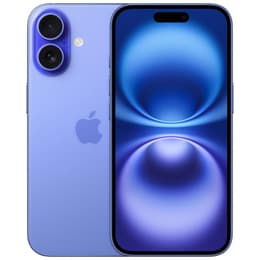
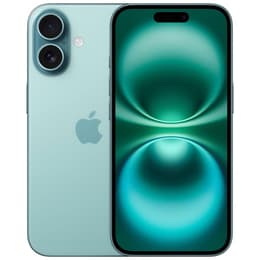
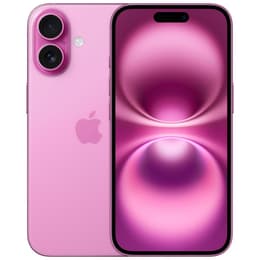
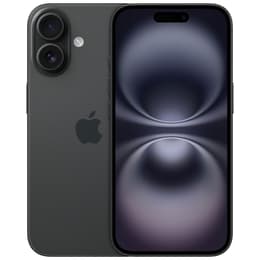
- (40)
Refurbished price:A$1,029.00
Versus A$1,599.00 new
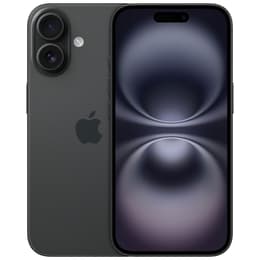
- (29)
Refurbished price:A$1,109.00
Versus A$1,599.00 new
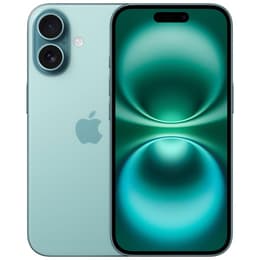
- (78)
Refurbished price:A$1,129.00
Versus A$1,599.00 new
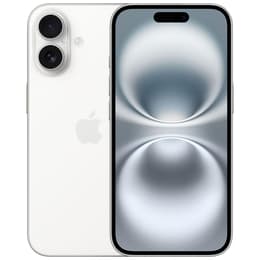
- (38)
Refurbished price:A$1,139.00
Versus A$1,599.00 new
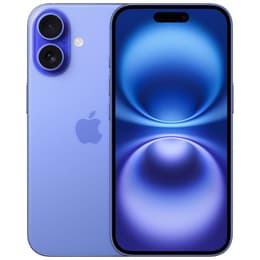
- (81)
Refurbished price:A$1,189.00
Versus A$1,599.00 new
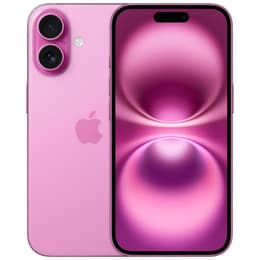
The 2025 iPhone 17 series has also received strong recognition, particularly for the standard model. Highlights include improved battery life, a 120Hz refresh rate display, and a 48-megapixel ultra-wide camera, making it a compelling option that punches well above its price point compared to higher-end models.
The iPhone 17 Pro and Pro Max continue to impress with more powerful battery performance and advanced camera capabilities, making them ideal for shooting long videos or heavy gaming sessions. While buying new comes at a premium, if you're looking to get a high-spec model for less, a refurbished iPhone 17 Pro or Pro Max is absolutely worth considering.
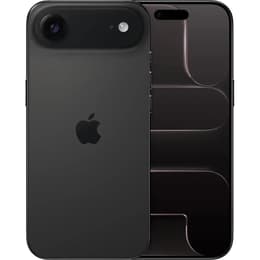
Refurbished price:A$1,089.00
Versus A$1,499.00 new
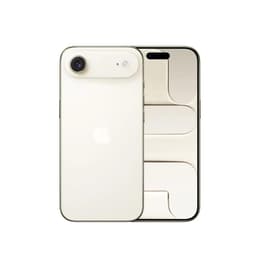

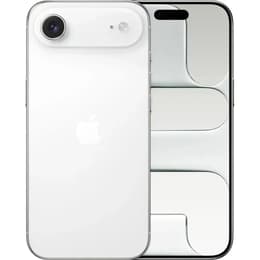
Refurbished price:A$1,651.59
Versus A$1,749.00 new
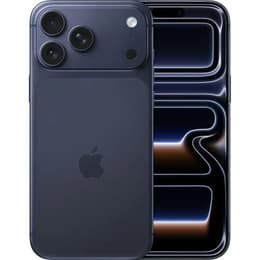
Refurbished price:A$1,779.00
Versus A$2,199.00 new

Refurbished price:A$1,799.00
Versus A$2,199.00 new
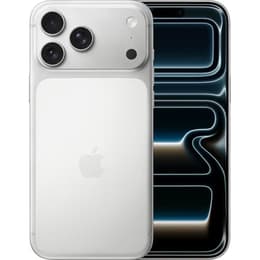
Refurbished price:A$1,849.00
Versus A$2,599.00 new
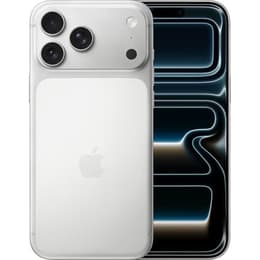
Refurbished price:A$1,876.00
Versus A$1,999.00 new

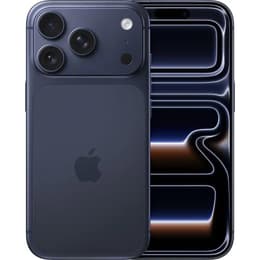
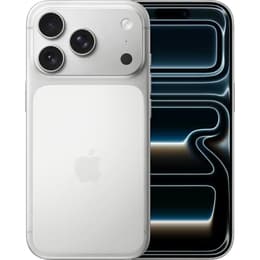
Refurbished price:A$2,025.00
Versus A$2,599.00 new

Refurbished price:A$2,159.00
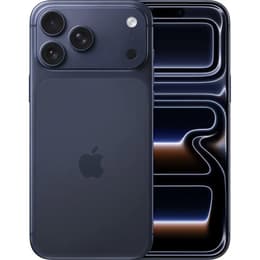
- (1)
Refurbished price:A$2,199.00
Versus A$2,399.00 new

- (1)
Refurbished price:A$2,199.00
Versus A$2,399.00 new
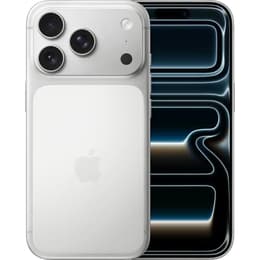
- (1)
Refurbished price:A$2,199.00
Versus A$2,399.00 new
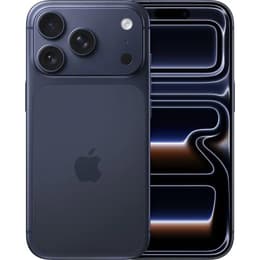
What does the iPhone 17 series cost by storage?
More storage means more space for your photos, videos, and apps, but it also comes at a higher price. Here's a full breakdown of what to expect across the range.
iPhone 17 series pricing by storage (Apple Store AU RRP)
Below are the Apple Store AU recommended retail prices for the iPhone 17 series. Compared to the iPhone 16 series, there are some notable differences. The minimum storage for the standard iPhone 17 has moved from 128GB to 256GB, but when comparing the same storage tiers, the iPhone 17 is actually better value.
256 GB | 512 GB | 1 TB | 2 TB | |
A$1,399 | A$1,799 | - | - | |
A$1,799 | A$2,199 | A$2,599 | - | |
A$1,999 | A$2,399 | A$2,799 | - | |
A$2,199 | A$2,599 | A$2,999 | A$3,799 |
Prices are Apple Store AU RRP and are subject to change.
The standard iPhone 17 is better value: 256GB is A$200 cheaper than its predecessor
While the entry-level price has gone up because 128GB has been discontinued, comparing the iPhone 17 and iPhone 16 at the same storage tiers shows a clear improvement in value.
128 GB | 256 GB | 512 GB | |
- | A$1,399 | A$1,799 | |
(launch price) | A$1,399 | A$1,599 | A$1,949 |
The 256GB iPhone 17 is A$200 cheaper than the iPhone 16 was at launch, and the 512GB model saves you A$150. For the standard model, the iPhone 17 represents excellent value for money.
If you don't need the telephoto camera or the highest-end specs of the Air or Pro models, a refurbished iPhone 17 on Back Market is a great way to save even further.
iPhone Air, iPhone 17 Pro, and iPhone 17 Pro Max carry a premium
That said, the Air, Pro, and Pro Max models are all priced higher than their iPhone 16 equivalents, and the price gap widens as you go up in storage, with larger capacities attracting a bigger increase.
iPhones continue to be a premium purchase, and it's not hard to see why buyers hesitate at these price points. Despite the cost, iPhone remains one of the most popular smartphones in Australia, thanks to its strong reputation for performance, long-term software support, and reliable resale value. At full retail price, though, the iPhone 17 Pro and Pro Max are a significant investment, and it's worth carefully considering what you actually need before deciding.
It's also worth noting that the iPhone Air, despite its striking thinness, has made some trade-offs. Compared to the standard iPhone 17, it offers a less capable camera, a smaller battery, and a weaker speaker, which has made it a less popular choice for buyers who prioritise performance over form factor.
iPhone 16 series refurbished pricing (Back Market AU)
If you want a high-spec iPhone or plenty of storage without paying a premium, a previous-generation model is a smart move. With the iPhone 17 series now available, refurbished iPhone 16 prices on Back Market have dropped significantly.
Prices vary depending on availability and timing, but as of 28 July 2026, here are the approximate starting prices for refurbished iPhone 16 models on Back Market:
128 GB | 256 GB | 512 GB | 1 TB | |
from A$950 | from A$1,141 | - | - | |
from A$1,041 | from A$1,069 | - | - | |
from A$1,057 | from A$1,397 | from A$1,649 | - | |
- | from A$1,350 | from A$1,560 | - |
Prices are subject to change. Check Back Market AU for the latest listings.
A refurbished iPhone is fully tested to perform like new and is available at a price comparable to buying second-hand. The iPhone 16 series offers strong processor and camera performance, making it a capable choice for most users, including for demanding tasks.
- (73)
Refurbished price:A$1,126.00
Versus A$1,799.00 new

- (86)
Refurbished price:A$1,126.00
Versus A$1,799.00 new
- (78)
Refurbished price:A$1,126.00
Versus A$1,799.00 new

- (6)
Refurbished price:A$1,149.00
Versus A$1,799.00 new
- (76)
Refurbished price:A$1,199.00
Versus A$1,799.00 new

- (80)
Refurbished price:A$1,229.00
Versus A$1,999.00 new
- (73)
Refurbished price:A$1,230.00
Versus A$1,799.00 new

- (58)
Refurbished price:A$1,278.99
Versus A$1,999.00 new

- (88)
Refurbished price:A$1,284.00
Versus A$1,999.00 new

- (88)
Refurbished price:A$1,286.00
Versus A$1,999.00 new

- (63)
Refurbished price:A$1,409.00
Versus A$1,999.00 new

Things to keep in mind when choosing iPhone 17 series storage
When deciding on storage for your iPhone 17, there are a few important things to know upfront. Unlike some Android phones, iPhones don't support physical storage expansion, and it's also worth understanding how much storage is actually available for your own use.
You can't change or upgrade your storage after purchase
The built-in storage in an iPhone is where all your data is saved, and it cannot be upgraded or swapped out after purchase. While you can use external flash drives or cloud storage to manage overflow, the iPhone's internal storage is fixed from the moment you buy it. That's why choosing the right capacity upfront matters.
A good starting point is to check how much storage you're currently using on your existing iPhone. If you're already running out of space on a 128GB device, upgrading to at least 256GB is a smart move.
The iPhone 17 series doesn't support microSD cards
No iPhone supports microSD cards, and the iPhone 17 series is no exception. Some Android phones include a microSD slot that lets you easily expand storage even on lower-capacity models. That option simply isn't available with iPhone.
This makes it especially important to think carefully about your storage needs at the time of purchase. Running out of space means you won't be able to download apps or save new photos and videos, which can get frustrating quickly. While external USB-C drives and cloud storage can help take the pressure off, the most convenient setup is having enough internal storage to manage everything directly on your device.
The actual usable storage is less than the advertised capacity
Even if you choose a 256GB or 512GB model, the storage available for your own apps, photos, and videos will be slightly less than the advertised figure. iOS and system data take up a portion of that space that you can't reclaim.
Around 30GB is typically reserved for iOS and system data, so on a 256GB iPhone you can expect roughly 220 to 230GB of usable space. Even at the minimum 256GB available in the iPhone 17 series, having over 200GB of usable storage is more than enough for everyday use.
Is the new 2TB option on the iPhone 17 Pro Max worth it?
1TB storage first arrived with the iPhone 13 series Pro and Pro Max models back in 2021, and the maximum stayed at 1TB right through the iPhone 16 range. The iPhone 17 Pro Max is the first iPhone to push that to 2TB.
The extra headroom is genuinely useful for long video shoots, storing large media files like movies or TV shows, and managing everything directly on-device without relying on external storage. It's a real option for professional workflows.
That said, 2TB will be overkill for the vast majority of users. Most people are far more likely to notice the shift from 128GB to 256GB as the new minimum than they are to need two terabytes. At over A$3,700, the 2TB iPhone 17 Pro Max is one of the most expensive consumer smartphones available, and only a small number of users will genuinely need that much space.
The iPhone 17 Pro Max has plenty of other strengths beyond storage: a large 6.9-inch display, up to 37 hours of video playback, improved thermal management for sustained video recording and editing, and a camera system built for professional-level content creation. If you're after a top-tier device for business use or serious video work, it's well worth considering.
Refurbished price:A$1,089.00
Versus A$1,499.00 new
Refurbished price:A$1,651.59
Versus A$1,749.00 new
Refurbished price:A$1,779.00
Versus A$2,199.00 new
Refurbished price:A$1,799.00
Versus A$2,199.00 new
Refurbished price:A$1,849.00
Versus A$2,599.00 new
Refurbished price:A$1,876.00
Versus A$1,999.00 new
Refurbished price:A$2,025.00
Versus A$2,599.00 new
Refurbished price:A$2,159.00
- (1)
Refurbished price:A$2,199.00
Versus A$2,399.00 new
- (1)
Refurbished price:A$2,199.00
Versus A$2,399.00 new
- (1)
Refurbished price:A$2,199.00
Versus A$2,399.00 new
Which iPhone 17 series storage capacity is the most popular and best for most people?
The most popular storage options tend to be the safest all-round choices, but the best pick really depends on how you use your phone. Beyond thinking about what you need, it helps to check how much storage you're currently using on your existing iPhone or smartphone.
For older models only: 128GB is plenty for general everyday use
From the iPhone 13 series through to the iPhone 16 series, the lowest storage option was 128GB, which is comfortably enough for most everyday users. Some older models like the iPhone 12 and the iPhone SE series offered 64GB options, but 64GB tends to fill up quickly even for light users, so 128GB has generally been the safe minimum.
If you mainly use your phone for messaging, social media, and the occasional photo or video, 128GB handles it all without issue. It also tends to be the most affordable option, which makes it a popular choice even for refurbished buyers. With that in mind, the iPhone 17 series starting at 256GB means even the base model offers more than enough storage for the vast majority of users.
For general use: 256GB is the smart, popular choice
More and more iPhone users are opting for 256GB, driven by a wider range of use cases including gaming, photography, and using their phone for work.
256GB is the right call if you:
Play multiple games on your phone
Regularly take photos and videos
Use your phone for work tasks as well as personal use
Modern 3D games can easily take up 20GB or more each, so 256GB gives you room to have several installed at once without constantly managing space. The iPhone 17 256GB is also A$200 cheaper than the iPhone 16 was at the same storage tier, making it an even more compelling option for value-conscious buyers.
For video shooters and editors: 512GB
Video is the biggest culprit when it comes to eating up storage on your phone. If you regularly download movies or TV shows for offline viewing, or shoot and edit video on your device, 512GB will serve you much better.
512GB is worth considering if you:
Frequently download movies or TV shows to watch offline
Shoot 4K video
Do video editing directly on your phone
The iPhone 17 series supports 4K video recording, and depending on your settings, a single minute of 4K footage can take up more than 1GB. At that rate, even 256GB can fill up surprisingly quickly if video is a key part of how you use your phone.
For creators using iPhone 17 Pro or Pro Max: 1TB
If you're planning to use an iPhone 17 Pro or Pro Max for photography, videography, or other creative work, 1TB is a serious option worth considering. Compared to the 2TB option on the Pro Max, 1TB still represents solid value for professional use.
If you want to shoot and edit long videos directly on your device, or keep a large archive of creative projects without relying on external storage, 1TB gives you the headroom to do that comfortably. That said, the price jump is significant, so it's worth comparing 1TB models against refurbished previous-generation options before committing.
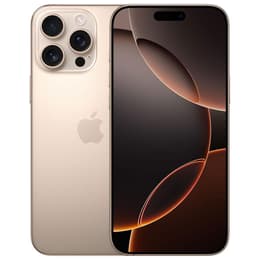
- (46)
Refurbished price:A$1,351.00
Versus A$2,149.00 new
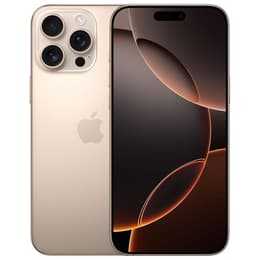
- (43)
Refurbished price:A$1,287.09
Versus A$2,149.00 new
- (49)
Refurbished price:A$1,301.00
Versus A$2,149.00 new

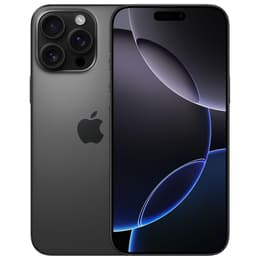
- (11)
Refurbished price:A$1,327.59
Versus A$2,149.00 new
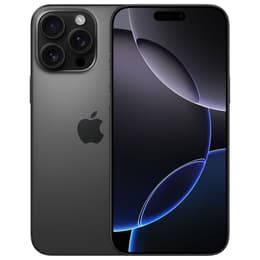
- (47)
Refurbished price:A$1,349.00
Versus A$2,149.00 new
- (43)
Refurbished price:A$1,386.00
Versus A$2,149.00 new

Refurbished price:A$1,473.39
Versus A$2,499.00 new

- (3)
Refurbished price:A$1,503.00
Versus A$2,499.00 new
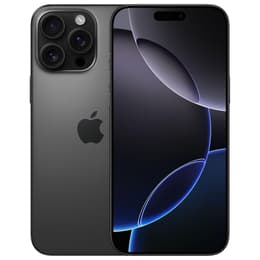
- (3)
Refurbished price:A$1,529.00
Versus A$2,499.00 new

- (3)
Refurbished price:A$1,699.00
Versus A$2,149.00 new
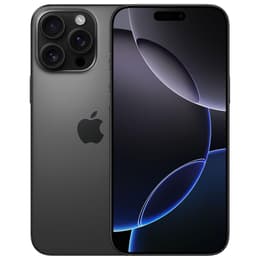
- (23)
Refurbished price:A$1,699.00
Versus A$2,149.00 new

- (23)
Refurbished price:A$1,699.00
Versus A$2,149.00 new

- (23)
Refurbished price:A$1,699.00
Versus A$2,149.00 new
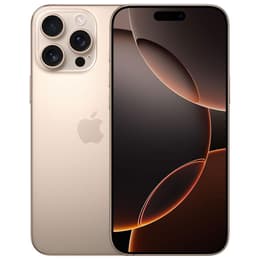
- (40)
Refurbished price:A$1,769.00
Versus A$2,499.00 new
What to do if you run out of storage on your iPhone 17 series
Even after buying a new iPhone 17, it's easy to use more storage than you expected and find yourself running low. When your storage is full, you won't be able to update iOS, and you may start experiencing issues like apps crashing or closing unexpectedly. Staying on top of your storage with a bit of regular housekeeping goes a long way.
Delete apps, photos, and videos you no longer need
If you've installed apps that you never actually use, deleting them is one of the quickest ways to free up space. In the Settings app, go to General > iPhone Storage to see a list of all your apps sorted by how much space they're taking up, making it easy to spot what can go.

The screenshot above is taken from an iPhone SE (3rd generation), but the same screen looks identical on the iPhone 17 series. In this example, you can see that the Genshin Impact game is using over 20GB of storage on a 128GB device, even with storage to spare overall. If any large apps are taking up significant space and you no longer need them, deleting them is a quick win.
You'll also see other apps listed, such as email and browser apps. Beyond apps, it's worth going through your camera roll and clearing out old photos and videos you no longer need. Both steps can free up a meaningful amount of space.
Use cloud storage like iCloud
If you'd rather not delete your photos and videos, backing them up to iCloud is a great alternative. iCloud is built right into iPhone and gives you 5GB of free storage to start, making it a convenient first option.
Google Drive is another solid choice, offering free storage up to its limit and working well for keeping important photos, videos, and files backed up safely. The added benefit of any cloud storage service is that your files become accessible across multiple devices, including tablets and computers, not just your iPhone.
Back up and store data on an external drive
As well as cloud storage, you can connect an external drive to your iPhone to save and manage your data offline. While cloud services like iCloud involve ongoing monthly costs, external storage is a one-off purchase that can work out more cost-effective over time.
For larger storage needs, an external hard drive is an option, but a compact flash drive is the more convenient day-to-day choice. The iPhone 17 series uses USB-C, so make sure any external drive you buy is USB-C compatible rather than Lightning.
Turning off Apple Intelligence can save storage
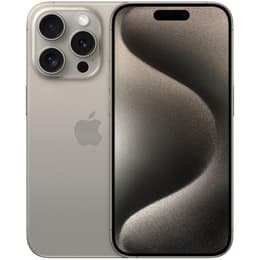
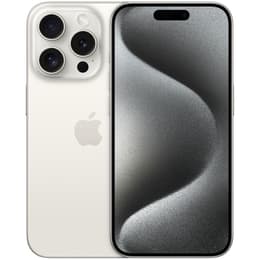
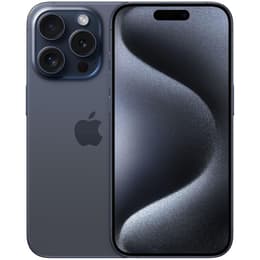
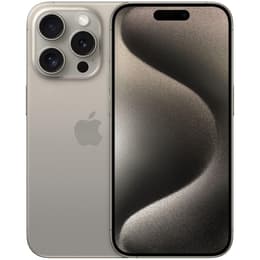
Apple Intelligence AI features are supported on the iPhone 17 series as well as the iPhone 15 Pro, iPhone 15 Pro Max, and the entire iPhone 16 series. However, Apple Intelligence also uses a significant amount of storage. Depending on the iOS version, it can require at least 6 to 7GB.
Refurbished iPhone 15 Pro and Pro Max models are popular in part because of their Apple Intelligence support. But if you don't use the AI features regularly, disabling Apple Intelligence is an easy way to claw back some storage.
- (217)
Refurbished price:A$860.00
Versus A$1,849.00 new
- (221)
Refurbished price:A$862.00
Versus A$1,849.00 new
- (226)
Refurbished price:A$897.00
Versus A$1,849.00 new
- (214)
Refurbished price:A$945.00
Versus A$2,049.00 new
- (218)
Refurbished price:A$980.00
Versus A$2,049.00 new
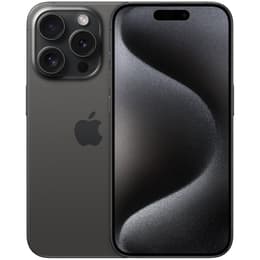
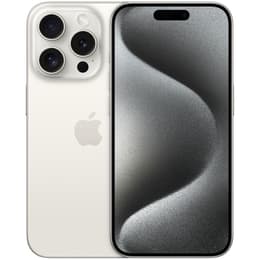
- (225)
Refurbished price:A$888.00
Versus A$1,849.00 new
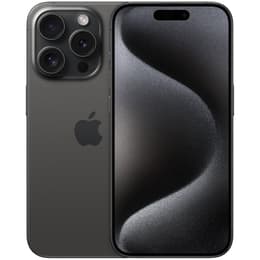
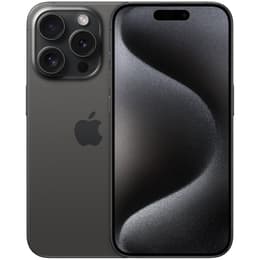
- (219)
Refurbished price:A$969.00
Versus A$2,049.00 new
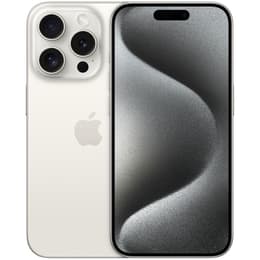
- (224)
Refurbished price:A$976.00
Versus A$2,049.00 new
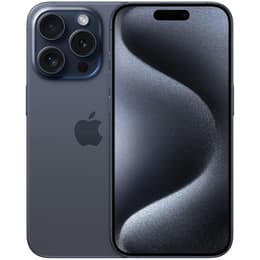
- (153)
Refurbished price:A$999.00
Versus A$1,499.00 new
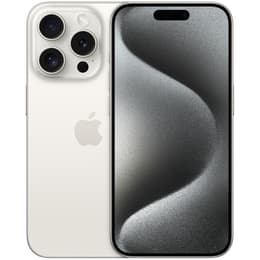
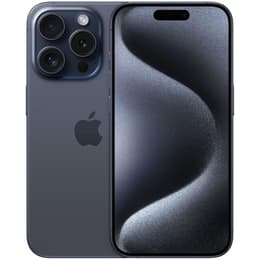
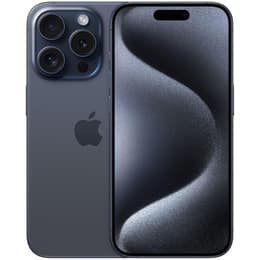
- (164)
Refurbished price:A$1,229.00
Versus A$2,399.00 new
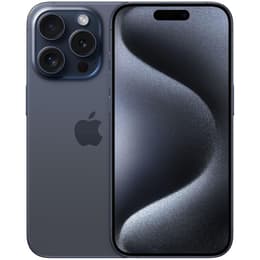
- (190)
Refurbished price:A$1,229.00
Versus A$2,399.00 new
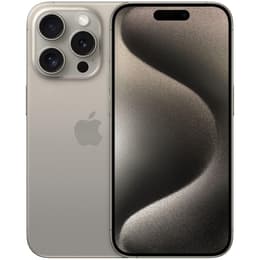
- (179)
Refurbished price:A$1,313.00
Versus A$2,399.00 new

What else should you consider when buying an iPhone 17 series, beyond storage?
Now that we've covered how to choose the right storage, it's worth thinking about the overall specs of each model. If you're still deciding which iPhone 17 to go for, the standard iPhone 17 strikes the best balance between price and performance.
For value and reliability: the standard iPhone 17 is the top pick
The standard iPhone 17 is the most accessible model in the range. It doesn't have the ultra-thin profile of the iPhone Air or the telephoto camera found on the Pro and Pro Max, and it runs the A19 chip rather than the A19 Pro found in the higher-end models. That said, the performance gap is smaller than you might expect.
The iPhone 17's specs hold up very well, matching high-end Android smartphones and delivering meaningful improvements over the iPhone 16, including:
Battery life extended from 22 hours to 30 hours of video playback
A 48-megapixel ultra-wide camera
ProMotion display with up to 120Hz adaptive refresh rate
It's the most affordable model in the iPhone 17 series, and the performance difference between it and the Pro models has narrowed considerably. If you regularly take photos and videos, the standard iPhone 17 is genuinely worth recommending.
Size and weight: the iPhone Air is the pick for anyone who wants thin and light
Screen size and weight play a big role in how comfortable a phone feels day to day. Larger-screen models are popular for streaming and gaming, but the extra size and weight can make them harder to hold for extended periods.
That's where the iPhone Air comes in. The newest addition to the iPhone 17 range, the Air stands out for its remarkably slim and light design. At just 5.64mm thin and 165 grams, it manages to fit a large 6.5-inch display into one of the lightest iPhones ever made. The trade-offs are worth being aware of, including a single rear camera and a smaller battery than the standard iPhone 17, but if you prioritise a light, slim phone above all else, the iPhone Air is the one to consider.
Camera performance: go Pro if you want a telephoto lens
Camera improvements are one of the most anticipated upgrades with every new iPhone, and the iPhone 17 series delivers across the range. The front camera has been upgraded on all models, and the telephoto camera resolution has also improved on the higher-end models.
The iPhone 17 Pro and Pro Max stand out for serious photographers and videographers, featuring a 48-megapixel telephoto camera and up to 8x optical-quality zoom, capabilities that simply aren't available on the standard models. If you want to get the most out of your camera, the Pro and Pro Max are the way to go.
The Pro and Pro Max also benefit from enhanced thermal management, allowing for stable performance during extended 4K video recording. If you're creating content for YouTube or producing professional video for work, the higher storage options of 512GB or 1TB make these models even more practical.
That said, the camera performance on previous-generation iPhones is still impressive, and the iPhone 16 Pro and Pro Max also offer up to 1TB of storage. They're well worth considering if you're looking for a capable setup at a lower price point.
Design and colour: choose what suits your style
As covered in our iPhone 17 review, the iPhone 17 series introduces some notable colour changes compared to the iPhone 16 range. The standard iPhone 17 comes in new shades including Lavender, Sage, and Mist Blue, while the iPhone Air has its own distinct line-up including Sky Blue and Light Gold.
The Pro and Pro Max move away from the traditional metallic finish and introduce Cosmic Orange, a bold, high-saturation addition to the range. For a full side-by-side colour comparison, check out the iPhone 17 series colour guide. It's also worth noting that the iPhone 17 Air, Pro, and Pro Max feature a new camera bar on the back, which gives them a visually distinct look compared to the standard iPhone 17.
SIM compatibility: what to know before you buy
eSIM support has been available on iPhones since the XR and XS series, and all iPhone 17 models support eSIM. However, SIM compatibility varies across the range in Australia, and it's important to know the difference before you buy.
In Australia:
iPhone Air is eSIM-only (no physical SIM slot) worldwide, including in Australia
iPhone 17, iPhone 17 Pro, and iPhone 17 Pro Max all include a physical nano-SIM slot as well as eSIM support in Australia
This means that if you're switching to an iPhone Air, you'll need to migrate from a physical SIM card to an eSIM with your carrier. Most major Australian carriers including Telstra, Optus, and Vodafone support eSIM, but it's worth confirming with your provider before making the switch. All other iPhone 17 models work with your existing physical SIM, so no migration is needed.
Want more storage? A refurbished previous-generation iPhone is the smart buy
The iPhone 17 series is undeniably powerful, but for many buyers the price is a hurdle, and the jump from the last generation isn't always compelling enough to justify going new. If you're on the fence, it's worth comparing refurbished previous-generation models before deciding.
Why choose a refurbished older model over a new iPhone 17
Back Market specialises in refurbished iPhones and smartphones. Refurbished devices are often confused with second-hand phones, but there's an important difference. A second-hand phone is sold as-is, in whatever condition the previous owner left it. A refurbished device, on the other hand, goes through a thorough process that includes cleaning, inspection, and any necessary repairs or parts replacement before it's sold.
With second-hand iPhones, there's always a risk of underlying issues. Worn internal components, including the storage itself, can cause problems like data not saving correctly, or performance issues such as apps freezing, unexpected shutdowns, and random restarts, even when storage space doesn't appear to be the issue.
Back Market's refurbished iPhones go through rigorous quality checks before they go on sale, so you can buy with confidence. You can browse the full range through the Back Market refurbished iPhone collection.
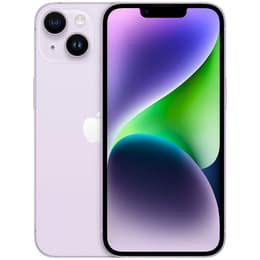
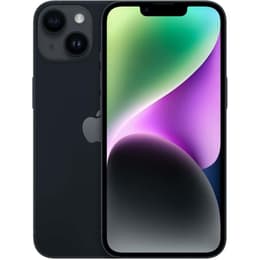
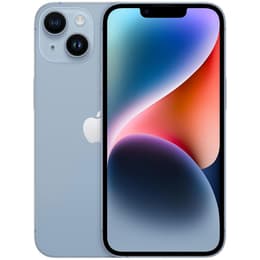
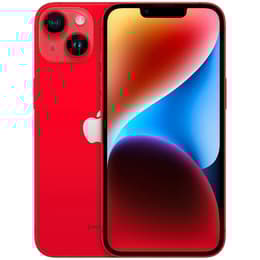
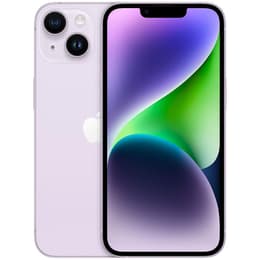
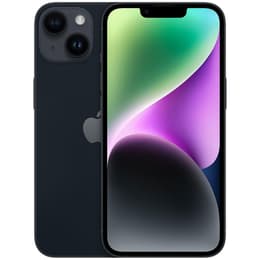
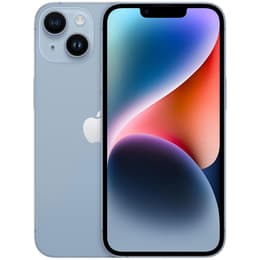
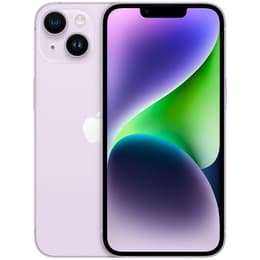
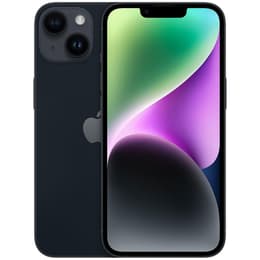
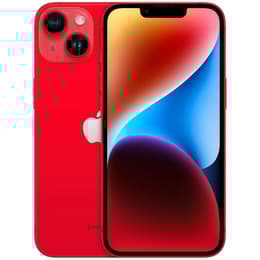
Refurbished devices are priced comparably to second-hand options, but come with verified performance that matches a new device. iPhones hold up particularly well across multiple generations, and models like the iPhone 14 series remain popular on Back Market for exactly that reason.
- (976)
Refurbished price:A$487.00
Versus A$1,049.00 new
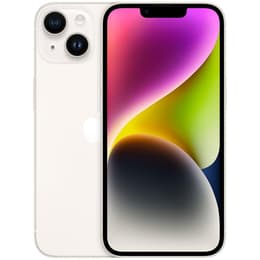
- (968)
Refurbished price:A$487.00
Versus A$1,049.00 new
- (973)
Refurbished price:A$487.00
Versus A$1,049.00 new
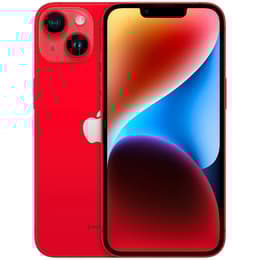
- (950)
Refurbished price:A$519.00
Versus A$1,049.00 new
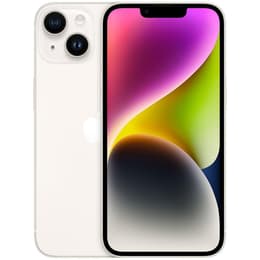
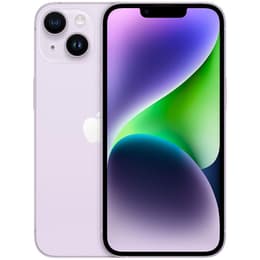
- (918)
Refurbished price:A$519.00
Versus A$1,049.00 new

- (928)
Refurbished price:A$559.00
Versus A$1,249.00 new
- (950)
Refurbished price:A$559.00
Versus A$1,249.00 new
Back Market refurbished iPhones: high quality and backed by a solid guarantee
Back Market refurbished devices are held to a consistent quality standard and come with strong buyer protections. Every refurbished device comes with a 1-year warranty and a 30-day money-back guarantee, with additional paid options available too.
Battery health is a common concern with refurbished phones, but Back Market's standard guarantee includes a minimum of 80% battery capacity. If you want the peace of mind of a full 100% battery, a new battery option is also available at checkout as a paid add-on.
- (976)
Refurbished price:A$487.00
Versus A$1,049.00 new
- (968)
Refurbished price:A$487.00
Versus A$1,049.00 new
- (1,399)
Refurbished price:A$291.00
Versus A$1,049.00 new
- (1,526)
Refurbished price:A$409.00
Versus A$1,099.00 new
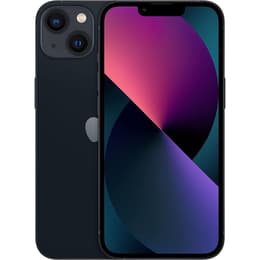
- (394)
Refurbished price:A$552.00
Versus A$1,119.00 new
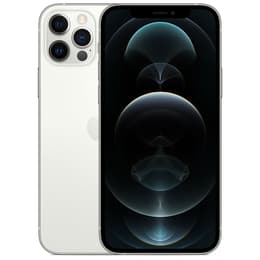
- (973)
Refurbished price:A$487.00
Versus A$1,049.00 new
- (404)
Refurbished price:A$664.00
Versus A$1,249.00 new
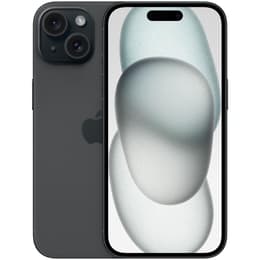
- (2,330)
Refurbished price:A$187.00
Versus A$719.00 new
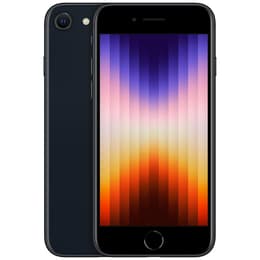
- (1,267)
Refurbished price:A$396.00
Versus A$1,049.00 new
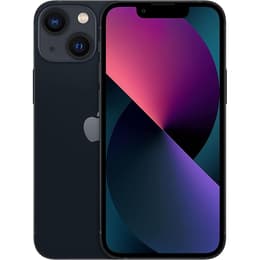


- (68)
Refurbished price:A$695.00
Versus A$1,399.00 new
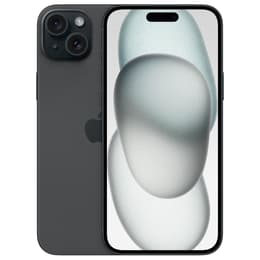
- (39)
Refurbished price:A$132.65
Versus A$279.00 new
- (1,461)
Refurbished price:A$155.00
Versus A$529.00 new
- (1,459)
Refurbished price:A$158.00
Versus A$589.00 new
Storage comparison: iPhone 17 series vs older models
When comparing older models, it's worth checking which storage options are actually available. The storage line-up across the iPhone 16, 15, and 14 series hasn't changed dramatically, but here's a full comparison for reference.
Storage | 128 GB | 256 GB | 512 GB | 1 TB |
✓ | ✓ | ✓ | ✕ | |
iPhone 16 Plus | ✓ | ✓ | ✓ | ✕ |
iPhone 16 Pro | ✓ | ✓ | ✓ | ✓ |
iPhone 16 Pro Max | ✕ | ✓ | ✓ | ✓ |
iPhone 16e | ✓ | ✓ | ✓ | ✕ |
✓ | ✓ | ✓ | ✕ | |
iPhone 15 Plus | ✓ | ✓ | ✓ | ✕ |
iPhone 15 Pro | ✓ | ✓ | ✓ | ✓ |
iPhone 15 Pro Max | ✕ | ✓ | ✓ | ✓ |
✓ | ✓ | ✓ | ✕ | |
iPhone 14 Plus | ✓ | ✓ | ✓ | ✕ |
iPhone 14 Pro | ✓ | ✓ | ✓ | ✓ |
iPhone 14 Pro Max | ✓ | ✓ | ✓ | ✓ |
The storage options across these older generations are mostly consistent. The iPhone 15 series matches the iPhone 16 series exactly in terms of available storage. The main difference with the iPhone 14 series is that the iPhone 14 Pro Max also included a 128GB option, which was dropped in later Pro Max models. You can also explore how the iPhone 15 and iPhone 14 compare for more context.
If any of the following sounds like you, the iPhone 14, 15, or 16 series is well worth considering:
128GB has always been enough for your needs
You don't need 1TB of storage
You'd rather get more value for money than the latest specs
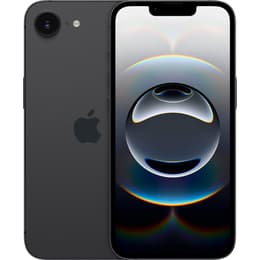
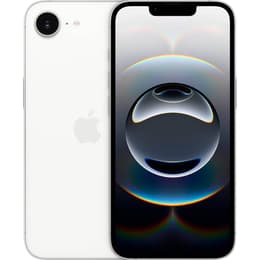
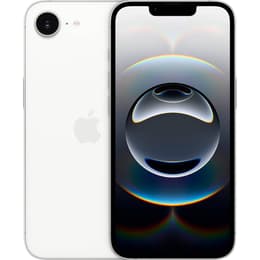
The iPhone 16e is also gaining traction on the refurbished market as a more affordable way to get Apple Intelligence support.
- (114)
Refurbished price:A$779.00
Versus A$1,199.00 new
- (96)
Refurbished price:A$829.00
Versus A$1,199.00 new
Back Market also offers an iPhone trade-in service
As well as selling refurbished devices, Back Market also offers a trade-in service for iPhones and other devices. If you're upgrading to a new model, trading in your current iPhone is an easy way to offset some of the cost.
You can get an instant quote online and send your device in by post, making the whole process quick and convenient. A wide range of models are accepted, from iPhone 7 series right through to the latest iPhone 16 series.
To check what your iPhone is worth, visit the Back Market iPhone trade-in page and get your estimate in minutes.
iPhone 17 series storage: frequently asked questions
Here are answers to some of the most common questions about choosing storage for the iPhone 17 series.
🆀 Should I choose 256GB or 512GB for the iPhone 17 series?
🅰 The iPhone 17 series starts at 256GB, which is more than enough for everyday use including photos, videos, social media, and gaming apps. That said, if you're already running low on a 256GB device, or you play a lot of games with large file sizes, 512GB is worth the upgrade.
The price difference between 256GB and 512GB is A$400 at full retail, which makes 256GB the more popular choice for buyers keeping an eye on their budget.
🆀 How much storage do you need for long 4K video shoots on the iPhone 17 Pro or Pro Max?
🅰 Storage use for 4K video depends on the resolution and codec you're recording in. Shooting in the standard HEVC (H.265) format at 4K 30fps uses roughly 170 to 200MB per minute, which works out to around 10GB for an hour of footage.
If you're shooting in Apple ProRes on the iPhone 17 Pro or Pro Max, the file sizes are significantly larger: around 6GB per minute at 4K 30fps. An hour of ProRes footage can run to 300 to 400GB, which means you'd need at least 1TB of storage to manage it on-device. Note that ProRes at 4K 60fps requires an external storage device to record.
ProRes is a professional-grade codec designed for heavy editing workflows and isn't something most users will need day-to-day. If high-end video isn't a priority for you, the iPhone 17's camera system still delivers exceptional results in standard shooting modes.
🆀 Does starting at 256GB make the iPhone 17 series poor value?
🅰 The removal of the 128GB option does mean the entry price for the iPhone 17 series is higher than before. Add to that the trade-offs on the iPhone Air (including a less capable camera and weaker audio performance), and the narrowing gap between the standard iPhone 17 and the Pro models, and it's fair to say the value proposition has some nuances worth thinking through.
That said, if you're set on getting a high-performance iPhone, Back Market's refurbished range is the best way to stretch your budget further. Refurbished models are also available in larger storage capacities like 512GB and 1TB, often at significantly lower prices, making them a great option if storage is a priority for you.
Refurbished price:A$1,089.00
Versus A$1,499.00 new
Refurbished price:A$1,651.59
Versus A$1,749.00 new
Refurbished price:A$1,779.00
Versus A$2,199.00 new
Refurbished price:A$1,799.00
Versus A$2,199.00 new
Refurbished price:A$1,849.00
Versus A$2,599.00 new
Refurbished price:A$1,876.00
Versus A$1,999.00 new
Refurbished price:A$2,025.00
Versus A$2,599.00 new
Refurbished price:A$2,159.00
- (1)
Refurbished price:A$2,199.00
Versus A$2,399.00 new
- (1)
Refurbished price:A$2,199.00
Versus A$2,399.00 new
- (1)
Refurbished price:A$2,199.00
Versus A$2,399.00 new