
Compare models
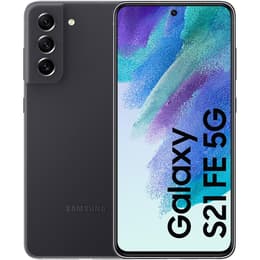
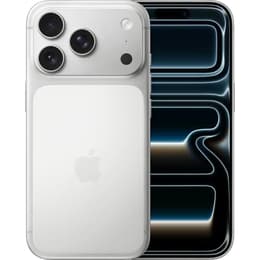
Galaxy S21 FE 5G vs iPhone 17 Pro
- 1-year warranty
- Free standard shipping
- Free 30-day returns
Differences at a glance
The Samsung Galaxy S21 FE 5G (2022) and the Apple iPhone 17 Pro (2025) represent entirely different generations and operating ecosystems in the smartphone market. While the Galaxy S21 FE 5G runs on the Android platform and focuses on delivering core smartphone essentials, the iPhone 17 Pro operates on iOS and incorporates recent advancements in hardware and build materials. The primary differentiators between these two devices center on their software environments, processing capabilities, and camera flexibility, catering to vastly different user expectations.
Available Models
Colour
Storage
Scores
Durability
Evaluating the lifecycle and durability of these devices involves looking at release dates, software support windows, and hardware resilience over time.
- Software longevity: The iPhone 17 Pro benefits from a more recent release year, ensuring a longer window of future operating system updates and security patches compared to the Galaxy S21 FE 5G, which is further along in its support timeline.
- Build and repair: Both devices feature robust construction materials designed for everyday handling, though repair accessibility varies by regional service availability and specific component requirements.
- Expected practical lifespan: Users who prefer keeping a device for many years will find that the newer release timeline of the iPhone 17 Pro provides extended compatibility with modern applications.
Release year
2022
2025
Compatible with latest Update
Yes
Yes
Operating system
Android
iOS
Foldable
No
No
Performance
Day-to-day operation, multitasking efficiency, and sustained battery behavior vary significantly due to the technological gaps between their respective release years.
- Multitasking and speed: The iPhone 17 Pro handles demanding applications, graphic-heavy gaming, and rapid switching between background tasks with high fluidity, whereas the Galaxy S21 FE 5G manages everyday messaging, web browsing, and standard media streaming reliably.
- Battery behavior: Battery endurance depends heavily on usage intensity, with modern power-efficiency optimizations in the iPhone 17 Pro supporting long periods of active use, while the Galaxy S21 FE 5G typically requires a midday charge during heavier work routines.
- Storage configurations: Both models offer distinct internal storage tiers to accommodate varying media and application requirements, though neither provides expandable storage options.
Screen quality
Visual output, outdoor legibility, and scrolling smoothness define the display experiences of both smartphones.
- Display technology: Both models utilize vibrant OLED display panels that deliver deep contrast levels and rich color reproduction for viewing photos or watching videos.
- Refresh rate and fluidity: The iPhone 17 Pro incorporates an adaptive high refresh rate for smooth scrolling and responsive touch interaction, matching the fluid visual feedback found on the Galaxy S21 FE 5G's smooth display panel.
- Outdoor visibility: Peak brightness capabilities on the iPhone 17 Pro allow for clearer legibility under direct sunlight, while the Galaxy S21 FE 5G remains comfortably readable in standard daylight conditions.
Audiovisual
Optics, video recording tools, and audio capture elements shape how each device handles multimedia creation and consumption.
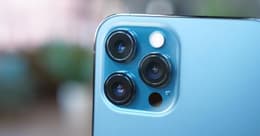
- Camera systems: The iPhone 17 Pro features a versatile multi-lens array including an advanced telephoto option for distant subjects, while the Galaxy S21 FE 5G relies on a dependable triple-lens setup covering standard, ultra-wide, and telephoto focal lengths.
- Low-light photography: Image processing software on the iPhone 17 Pro captures sharp details and balanced lighting in dim environments, whereas the Galaxy S21 FE 5G performs adequately with standard night modes.
- Audio and video output: Built-in stereo speakers on both devices provide clear sound for media playback, supported by multi-microphone arrays that isolate voice input effectively during calls and video recordings. Opting for a quality-assured refurbished option through Back Market allows users to access high-end multimedia devices sustainably.
Front camera
32 megapixels
18 megapixels
Miscellaneous
Physical dimensions, connectivity standards, and daily handling characteristics dictate the ergonomic feel of each phone.
- Connectivity and ports: Both models support fast 5G cellular networks, modern Wi-Fi standards, and Bluetooth connectivity, utilizing reversible port connections for charging and data transfer.
- Security sensors: Biometric authentication differs between the two ecosystems, utilizing facial recognition technology on the iPhone 17 Pro and an optical in-display fingerprint sensor on the Galaxy S21 FE 5G.
- Ergonomics: Weight distribution and physical dimensions differ slightly, influencing how comfortably each device rests in the hand or pocket during extended periods of use.
Weight
177 oz
206 oz
Screen size (in)
6.4
6.3
Network
5G
5G
SIM card
Physical SIM
Physical SIM + eSIM
Carrier compatibility
Unlocked
Unlocked
What the community thinks
User discussions across online communities highlight distinct preferences for each device based on practical everyday experiences. Common praise for the Galaxy S21 FE 5G focuses on its reliable feature set and comfortable ergonomics, though some users note that battery endurance under heavy workloads can feel limited. Conversely, community feedback for the iPhone 17 Pro frequently emphasizes its long-term processing capability and versatile camera outputs, though users occasionally mention the substantial weight of the device and the closed nature of its software ecosystem.
Users prioritizing a flexible Android environment for everyday tasks may prefer the Galaxy S21 FE 5G, while users prioritizing cutting-edge processing power and extended software longevity will find the iPhone 17 Pro well-suited to their needs. Examining a quality-assured refurbished option on Back Market provides an eco-friendly alternative for consumers seeking high-tier electronics while minimizing environmental impact. Ultimately, the choice depends on individual workflow habits, operating system preferences, and desired longevity.