'%3e%3cpath%20fill='%2310338c'%20d='M0%200h40v26.67H0V0'/%3e%3cpath%20fill='%23fff'%20d='m9.899%2016.971.856%201.828%201.922-.455-.856%201.82%201.549%201.261-1.93.447.008%202.028-1.55-1.27-1.54%201.27.008-2.028-1.93-.447%201.548-1.26-.863-1.82%201.93.454.848-1.828m20.226%203.552.404.87.919-.215-.413.87.74.599-.919.207v.974l-.732-.607-.739.607.008-.974-.918-.207.739-.599-.412-.87.918.215.405-.87M25.097%209.986l.405.87.918-.215-.412.87.74.599-.92.215v.966l-.73-.607-.74.607.008-.966-.926-.215.739-.599-.412-.87.918.215.412-.87m5.028-7.2.404.87.919-.215-.413.87.74.598-.919.216V6.09l-.732-.607-.739.607.008-.966-.918-.216.739-.598-.412-.87.918.215.405-.87m4.552%205.245.405.87L36%208.685l-.413.87.74.599-.918.207v.974l-.732-.606-.74.606v-.974l-.918-.207.74-.599-.413-.87.919.216.412-.87m-2.91%205.26.319%201.014h1.035l-.84.623.326%201.013-.84-.63-.84.63.318-1.014-.833-.622h1.036l.319-1.014M19.922%200v2.443l-3.51%202.003h3.51V9.18h-4.599l4.6%202.618v1.828h-2.079l-5.72-3.264v3.264H7.799v-3.88l-6.802%203.88H0v-2.442L3.518%209.18H0V4.446h4.6L0%201.82V0h2.078l5.72%203.257V0h4.326v3.88L18.935%200h.988'/%3e%3cpath%20fill='%23d80027'%20d='M11.206%200h-2.49v5.532H0v2.554h8.716v5.54h2.49v-5.54h8.716V5.532h-8.716V0'/%3e%3cpath%20fill='%230052b4'%20d='m12.125%209.18%207.797%204.446v-1.26L14.335%209.18h-2.21'/%3e%3cpath%20fill='%23fff'%20d='m12.125%209.18%207.797%204.446v-1.26L14.335%209.18h-2.21'/%3e%3cpath%20fill='%23d80027'%20d='m12.125%209.18%207.797%204.446v-1.26L14.335%209.18h-2.21m-6.53%200L0%2012.365v1.261L7.798%209.18H5.595'/%3e%3cpath%20fill='%230052b4'%20d='M7.798%204.446%200%200v1.253l5.595%203.193h2.203'/%3e%3cpath%20fill='%23fff'%20d='M7.798%204.446%200%200v1.253l5.595%203.193h2.203'/%3e%3cpath%20fill='%23d80027'%20d='M7.798%204.446%200%200v1.253l5.595%203.193h2.203m6.537%200%205.587-3.193V0l-7.798%204.446h2.21'/%3e%3c/g%3e%3cdefs%3e%3cclipPath%20id='country-flag-au-a'%3e%3cpath%20fill='%23fff'%20d='M0%200h40v26.67H0z'/%3e%3c/clipPath%3e%3c/defs%3e%3c/svg%3e)
'%3e%3cpath%20fill='%23f0f0f0'%20d='M40%200H0v26.666h40V0'/%3e%3cpath%20fill='%23d80027'%20d='M40%200H0v8.889h40V0m0%2017.778H0v8.888h40v-8.888'/%3e%3c/g%3e%3cdefs%3e%3cclipPath%20id='country-flag-at-a'%3e%3cpath%20fill='%23fff'%20d='M0%200h40v26.67H0z'/%3e%3c/clipPath%3e%3c/defs%3e%3c/svg%3e)
'%3e%3cpath%20fill='%23ffda44'%20d='M40%200H0v26.67h40V0'/%3e%3cpath%20fill='%23000'%20d='M13.333%200H0v26.67h13.333V0'/%3e%3cpath%20fill='%23d80027'%20d='M40%200H26.667v26.67H40V0'/%3e%3c/g%3e%3cdefs%3e%3cclipPath%20id='country-flag-be-a'%3e%3cpath%20fill='%23fff'%20d='M0%200h40v26.67H0z'/%3e%3c/clipPath%3e%3c/defs%3e%3c/svg%3e)
'%3e%3cpath%20fill='%23000'%20d='M40%200H0v8.89h40V0'/%3e%3cpath%20fill='%23d80027'%20d='M40%208.89H0v8.89h40V8.89'/%3e%3cpath%20fill='%23ffda44'%20d='M40%2017.78H0v8.89h40v-8.89'/%3e%3c/g%3e%3cdefs%3e%3cclipPath%20id='country-flag-de-a'%3e%3cpath%20fill='%23fff'%20d='M0%200h40v26.67H0z'/%3e%3c/clipPath%3e%3c/defs%3e%3c/svg%3e)
'%3e%3cpath%20fill='%23ffda44'%20d='M40%200H0v26.667h40V0'/%3e%3cpath%20fill='%23d80027'%20d='M40%200H0v8.889h40V0m0%2017.777H0v8.89h40v-8.89'/%3e%3c/g%3e%3cdefs%3e%3cclipPath%20id='country-flag-es-a'%3e%3cpath%20fill='%23fff'%20d='M0%200h40v26.67H0z'/%3e%3c/clipPath%3e%3c/defs%3e%3c/svg%3e)
'%3e%3cpath%20fill='%23f0f0f0'%20d='M40%200H0v26.667h40V0'/%3e%3cpath%20fill='%232e52b2'%20d='M40%2011.667V15H14.348v11.667h-3.334V15H0v-3.333h11.014V0h3.334v11.667H40'/%3e%3c/g%3e%3cdefs%3e%3cclipPath%20id='country-flag-fi-a'%3e%3cpath%20fill='%23fff'%20d='M0%200h40v26.67H0z'/%3e%3c/clipPath%3e%3c/defs%3e%3c/svg%3e)
'%3e%3cpath%20fill='%23f0f0f0'%20d='M40%200H0v26.667h40V0'/%3e%3cpath%20fill='%230052b4'%20d='M13.333%200H0v26.667h13.333V0'/%3e%3cpath%20fill='%23d80027'%20d='M40%200H26.667v26.667H40V0'/%3e%3c/g%3e%3cdefs%3e%3cclipPath%20id='country-flag-fr-a'%3e%3cpath%20fill='%23fff'%20d='M0%200h40v26.67H0z'/%3e%3c/clipPath%3e%3c/defs%3e%3c/svg%3e)
'%3e%3cpath%20fill='%23f0f0f0'%20d='M40%200H0v26.667h40V0'/%3e%3cpath%20fill='%23d80027'%20d='M22.5%200h-5v10.833H0v5h17.5v10.833h5V15.833H40v-5H22.5V0'/%3e%3cpath%20fill='%230052b4'%20d='M30.765%2017.97%2040%2023.102v-5.13h-9.235m-6.417-.002L40%2026.667v-2.459l-11.226-6.236h-4.426m11.482%208.694-11.482-6.38v6.38H35.83'/%3e%3cpath%20fill='%23f0f0f0'%20d='M24.348%2017.97%2040%2026.667v-2.459l-11.226-6.236h-4.426'/%3e%3cpath%20fill='%23d80027'%20d='M24.348%2017.97%2040%2026.667v-2.459l-11.226-6.236h-4.426'/%3e%3cpath%20fill='%230052b4'%20d='M7.058%2017.97%200%2021.891v-3.92h7.058m8.594%201.105v7.59H1.992l13.66-7.59'/%3e%3cpath%20fill='%23d80027'%20d='M11.226%2017.97%200%2024.208v2.46l15.652-8.696h-4.426'/%3e%3cpath%20fill='%230052b4'%20d='M9.235%208.696%200%203.565v5.13h9.235m6.417.001L0%200v2.459l11.226%206.237h4.426M4.17%200l11.482%206.38V0H4.17'/%3e%3cpath%20fill='%23f0f0f0'%20d='M15.652%208.696%200%200v2.459l11.226%206.237h4.426'/%3e%3cpath%20fill='%23d80027'%20d='M15.652%208.696%200%200v2.459l11.226%206.237h4.426'/%3e%3cpath%20fill='%230052b4'%20d='M32.942%208.696%2040%204.774v3.922h-7.058M24.348%207.59V0h13.66l-13.66%207.59'/%3e%3cpath%20fill='%23d80027'%20d='M28.774%208.696%2040%202.459V0L24.348%208.696h4.426'/%3e%3c/g%3e%3cdefs%3e%3cclipPath%20id='country-flag-gb-a'%3e%3cpath%20fill='%23fff'%20d='M0%200h40v26.67H0z'/%3e%3c/clipPath%3e%3c/defs%3e%3c/svg%3e)
'%3e%3cpath%20fill='%23f0f0f0'%20d='M40%200H0v26.666h40V0'/%3e%3cpath%20fill='%23338af3'%20d='M40%200H0v3.333h40V0m0%206.667H0V10h40V6.667m0%206.667H0v3.333h40v-3.334M40%2020H0v3.333h40V20'/%3e%3cpath%20fill='%23338af3'%20d='M14.782%200H0v13.334h14.782V0'/%3e%3cpath%20fill='%23f0f0f0'%20d='M14.782%205.186H0v2.962h14.782V5.186'/%3e%3cpath%20fill='%23f0f0f0'%20d='M8.872%200H5.91v13.334h2.962V0'/%3e%3c/g%3e%3cdefs%3e%3cclipPath%20id='country-flag-gr-a'%3e%3cpath%20fill='%23fff'%20d='M0%200h40v26.67H0z'/%3e%3c/clipPath%3e%3c/defs%3e%3c/svg%3e)
'%3e%3cpath%20fill='%23f0f0f0'%20d='M40%200H0v26.666h40V0'/%3e%3cpath%20fill='%236da544'%20d='M13.333%200H0v26.667h13.333V0'/%3e%3cpath%20fill='%23ff9811'%20d='M40%200H26.667v26.667H40V0'/%3e%3c/g%3e%3cdefs%3e%3cclipPath%20id='country-flag-ie-a'%3e%3cpath%20fill='%23fff'%20d='M0%200h40v26.67H0z'/%3e%3c/clipPath%3e%3c/defs%3e%3c/svg%3e)
'%3e%3cpath%20fill='%23f0f0f0'%20d='M26.667%200H0v26.667h40V0H26.667'/%3e%3cpath%20fill='%236da544'%20d='M13.333%200H0v26.667h13.333V0'/%3e%3cpath%20fill='%23d80027'%20d='M40%200H26.667v26.667H40V0'/%3e%3c/g%3e%3cdefs%3e%3cclipPath%20id='country-flag-it-a'%3e%3cpath%20fill='%23fff'%20d='M0%200h40v26.67H0z'/%3e%3c/clipPath%3e%3c/defs%3e%3c/svg%3e)
'%3e%3cpath%20fill='%23f0f0f0'%20fill-rule='evenodd'%20d='M0%20.86h40v26.67H0V.86'%20clip-rule='evenodd'/%3e%3cpath%20fill='%23d80027'%20d='M20%2021.835a8.5%208.5%200%201%200%200-17%208.5%208.5%200%200%200%200%2017'/%3e%3c/g%3e%3cdefs%3e%3cclipPath%20id='country-flag-jp-a'%3e%3cpath%20fill='%23fff'%20d='M0%200h40v26.67H0z'/%3e%3c/clipPath%3e%3c/defs%3e%3c/svg%3e)
'%3e%3cpath%20fill='%23a2001d'%20d='M40%200H0v8.89h40V0'/%3e%3cpath%20fill='%23f0f0f0'%20d='M40%208.89H0v8.89h40V8.89'/%3e%3cpath%20fill='%230052b4'%20d='M40%2017.78H0v8.89h40v-8.89'/%3e%3c/g%3e%3cdefs%3e%3cclipPath%20id='country-flag-nl-a'%3e%3cpath%20fill='%23fff'%20d='M0%200h40v26.67H0z'/%3e%3c/clipPath%3e%3c/defs%3e%3c/svg%3e)
'%3e%3cpath%20fill='%23d80027'%20d='M40%200H0v26.666h40V0'/%3e%3cpath%20fill='%236da544'%20d='M15.363%200v26.666H0V0h15.363'/%3e%3cpath%20fill='%23ffda44'%20d='M15.363%2018.335a5%205%200%201%200%200-10%205%205%200%200%200%200%2010'/%3e%3cpath%20fill='%23d80027'%20d='M12.55%2010.835v3.125a2.813%202.813%200%200%200%205.625%200v-3.125H12.55'/%3e%3cpath%20fill='%23f0f0f0'%20d='M15.362%2014.898a.94.94%200%200%201-.937-.938v-1.25H16.3v1.25a.94.94%200%200%201-.938.938'/%3e%3c/g%3e%3cdefs%3e%3cclipPath%20id='country-flag-pt-a'%3e%3cpath%20fill='%23fff'%20d='M0%200h40v26.67H0z'/%3e%3c/clipPath%3e%3c/defs%3e%3c/svg%3e)
'%3e%3cpath%20fill='%230052b4'%20d='M40%200H0v26.667h40V0'/%3e%3cpath%20fill='%23ffda44'%20d='M15%200h-5v10.833H0v5h10v10.834h5V15.833h25v-5H15V0'/%3e%3c/g%3e%3cdefs%3e%3cclipPath%20id='country-flag-se-a'%3e%3cpath%20fill='%23fff'%20d='M0%200h40v26.67H0z'/%3e%3c/clipPath%3e%3c/defs%3e%3c/svg%3e)
'%3e%3cpath%20fill='%23f0f0f0'%20d='M40%200H0v26.666h40V0'/%3e%3cpath%20fill='%230052b4'%20d='M40%208.696H0v9.275h40V8.696'/%3e%3cpath%20fill='%23d80027'%20d='M40%2017.97H0v8.696h40v-8.695'/%3e%3cpath%20fill='%23f0f0f0'%20d='M10.115%207.538v6.651c0%203.784%204.942%204.943%204.942%204.943S20%2017.972%2020%2014.189V7.538h-9.885'/%3e%3cpath%20fill='%23d80027'%20d='M11.416%207.733v6.402a2.7%202.7%200%200%200%20.283%201.21h6.717a2.7%202.7%200%200%200%20.283-1.21V7.733h-7.283'/%3e%3cpath%20fill='%23f0f0f0'%20d='M17.29%2012.196h-1.675v-1.115h1.116V9.965h-1.116V8.849H14.5v1.116h-1.115v1.116H14.5v1.115h-1.673v1.116H14.5v1.116h1.116v-1.116h1.674v-1.116'/%3e%3cpath%20fill='%230052b4'%20d='M13.221%2016.902a8%208%200%200%200%201.836.83%208%208%200%200%200%201.836-.83q1.09-.685%201.523-1.558a1.94%201.94%200%200%200-1.57-.306%201.953%201.953%200%200%200-3.576%200%201.96%201.96%200%200%200-1.57.306q.433.872%201.521%201.558'/%3e%3c/g%3e%3cdefs%3e%3cclipPath%20id='country-flag-sk-a'%3e%3cpath%20fill='%23fff'%20d='M0%200h40v26.67H0z'/%3e%3c/clipPath%3e%3c/defs%3e%3c/svg%3e)
'%3e%3cpath%20fill='%23f0f0f0'%20d='M40%200H0v26.667h40V0'/%3e%3cpath%20fill='%23d80027'%20d='M40%2024.5v2.1H0v-2.1h40m0-2.15H0v-2.1h40v2.1m0-4H0v-2.1h40v2.1m0-4H0v-2.1h40v2.1m0-4.25H0V8h40v2.1m0-4H0V4h40v2.1m0-4H0V0h40v2.1'/%3e%3cpath%20fill='%232e52b2'%20d='M20%200H0v14.36h20V0'/%3e%3cpath%20fill='%23f0f0f0'%20d='M1.927%2012.964H2.5l-.464.337.178.545L1.75%2013.51l-.464.336.178-.545L1%2012.964h.573L1.75%2012.42l.177.545m3.172%200h.573l-.464.337.177.545-.463-.336-.464.336.178-.545-.464-.337h.573l.177-.545.177.545m3.172%200h.573L8.38%2013.301l.177.545-.463-.336-.464.336.177-.545-.463-.337h.572l.178-.545.177.545m3.171%200h.574l-.464.337.177.545-.463-.336-.464.336.177-.545-.463-.337h.572l.178-.545.176.545m3.485%200H15.5l-.464.337.178.545-.464-.336-.464.336.178-.545L14%2012.964h.573l.177-.545.177.545m3.5%200H19l-.464.337.178.545-.464-.336-.464.336.178-.545-.464-.337h.573l.177-.545.177.545m-15-1.406H4l-.464.337.178.545-.464-.337-.464.337.178-.545L2.5%2011.558h.573l.177-.545.177.545m3.172%200h.573l-.464.337.177.545-.463-.337-.464.337.178-.545-.464-.337h.573l.177-.545.177.545m3.172%200h.573L9.88%2011.895l.177.545-.463-.337L9.13%2012.44l.177-.545-.463-.337h.572l.178-.545.177.545m3.171%200h.574l-.464.337.177.545-.463-.337-.464.337.177-.545-.463-.337h.572l.178-.545.176.545m3.485%200H17l-.464.337.178.545-.464-.337-.464.337.178-.545-.464-.337h.573l.177-.545.177.545m-14.5-1.57H2.5l-.464.337.178.545-.464-.337-.464.337.178-.545L1%209.988h.573L1.75%209.443l.177.545m3.172%200h.573l-.464.337.177.545-.463-.337-.464.337.178-.545-.464-.337h.573l.177-.545.177.545m3.172%200h.573L8.38%2010.325l.177.545-.463-.337L7.63%2010.87l.177-.545-.463-.337h.572l.178-.545.177.545m3.171%200h.574l-.464.337.177.545-.463-.337-.464.337.177-.545-.463-.337h.572l.178-.545.176.545m3.485%200H15.5l-.464.337.178.545-.464-.337-.464.337.178-.545L14%209.988h.573l.177-.545.177.545m3.5%200H19l-.464.337.178.545-.464-.337-.464.337.178-.545L17.5%209.988h.573l.177-.545.177.545m-15-1.43H4L3.536%208.895%203.714%209.44%203.25%209.103%202.786%209.44l.178-.545L2.5%208.558h.573L3.25%208.013l.177.545m3.172%200h.573L6.708%208.895%206.885%209.44%206.422%209.103%205.958%209.44l.178-.545-.464-.337h.573l.177-.545.177.545m3.172%200h.573L9.88%208.895l.177.545-.463-.337L9.13%209.44l.177-.545-.463-.337h.572l.178-.545.177.545m3.171%200h.574l-.464.337.177.545-.463-.337-.464.337.177-.545-.463-.337h.572l.178-.545.176.545m3.485%200H17l-.464.337.178.545-.464-.337-.464.337.178-.545L15.5%208.558h.573l.177-.545.177.545m-14.5-1.547H2.5L2.036%207.348l.178.545L1.75%207.556%201.286%207.893l.178-.545L1%207.011h.573L1.75%206.466l.177.545m3.172%200h.573L5.208%207.348l.177.545-.463-.337-.464.337.178-.545-.464-.337h.573l.177-.545.177.545m3.172%200h.573L8.38%207.348l.177.545-.463-.337L7.63%207.893l.177-.545-.463-.337h.572l.178-.545.177.545m3.171%200h.574l-.464.337.177.545-.463-.337-.464.337.177-.545-.463-.337h.572l.178-.545.176.545m3.485%200H15.5l-.464.337.178.545-.464-.337-.464.337.178-.545L14%207.011h.573l.177-.545.177.545m3.5%200H19l-.464.337.178.545-.464-.337-.464.337.178-.545L17.5%207.011h.573l.177-.545.177.545m-15-1.453H4L3.536%205.895%203.714%206.44%203.25%206.103%202.786%206.44l.178-.545L2.5%205.558h.573L3.25%205.013l.177.545m3.172%200h.573L6.708%205.895%206.885%206.44%206.422%206.103%205.958%206.44l.178-.545-.464-.337h.573l.177-.545.177.545m3.172%200h.573L9.88%205.895l.177.545-.463-.337L9.13%206.44l.177-.545-.463-.337h.572l.178-.545.177.545m3.171%200h.574l-.464.337.177.545-.463-.337-.464.337.177-.545-.463-.337h.572l.178-.545.176.545m3.485%200H17l-.464.337.178.545-.464-.337-.464.337.178-.545L15.5%205.558h.573l.177-.545.177.545m-14.5-1.523H2.5L2.036%204.37l.178.545L1.75%204.58%201.286%204.916l.178-.545L1%204.035h.573L1.75%203.49l.177.545m3.172%200h.573L5.208%204.37l.177.545L4.922%204.58%204.458%204.916l.178-.545-.464-.336h.573L4.922%203.49l.177.545m3.172%200h.573L8.38%204.37l.177.545L8.094%204.58%207.63%204.916l.177-.545-.463-.336h.572L8.094%203.49%208.27%204.035m3.171%200h.574L11.552%204.37l.177.545-.463-.337-.464.337.177-.545-.463-.336h.572l.178-.545.176.545m3.485%200H15.5L15.036%204.37l.178.545L14.75%204.58l-.464.337.178-.545L14%204.035h.573L14.75%203.49l.177.545m3.5%200H19L18.536%204.37l.178.545L18.25%204.58l-.464.337.178-.545L17.5%204.035h.573L18.25%203.49l.177.545m-15-1.477H4L3.536%202.895%203.714%203.44%203.25%203.103%202.786%203.44l.178-.545L2.5%202.558h.573L3.25%202.013l.177.545m3.172%200h.573L6.708%202.895%206.885%203.44%206.422%203.103%205.958%203.44l.178-.545-.464-.337h.573l.177-.545.177.545m3.172%200h.573L9.88%202.895l.177.545-.463-.337L9.13%203.44l.177-.545-.463-.337h.572l.178-.545.177.545m3.171%200h.574l-.464.337.177.545-.463-.337-.464.337.177-.545-.463-.337h.572l.178-.545.176.545m3.485%200H17l-.464.337.178.545-.464-.337-.464.337.178-.545L15.5%202.558h.573l.177-.545.177.545m-14.5-1.5H2.5L2.036%201.395%202.214%201.94%201.75%201.603%201.286%201.94l.178-.545L1%201.058h.573L1.75.513l.177.545m3.172%200h.573L5.208%201.395%205.385%201.94%204.922%201.603%204.458%201.94l.178-.545-.464-.337h.573l.177-.545.177.545m3.172%200h.573L8.38%201.395%208.557%201.94%208.094%201.603%207.63%201.94l.177-.545-.463-.337h.572l.178-.545.177.545m3.171%200h.574l-.464.337.177.545-.463-.337-.464.337.177-.545-.463-.337h.572l.178-.545.176.545m3.485%200H15.5l-.464.337.178.545-.464-.337-.464.337.178-.545L14%201.058h.573l.177-.545.177.545m3.5%200H19l-.464.337.178.545-.464-.337-.464.337.178-.545L17.5%201.058h.573l.177-.545.177.545'/%3e%3c/g%3e%3cdefs%3e%3cclipPath%20id='country-flag-us-a'%3e%3cpath%20fill='%23fff'%20d='M0%200h40v26.67H0z'/%3e%3c/clipPath%3e%3c/defs%3e%3c/svg%3e)



The iPhone 17 series has generated significant excitement for its camera upgrades, with improved front camera resolution and the new Dual Capture feature available across all models. Both the standard iPhone 17 and the Pro and Pro Max models have their own distinct improvements, while the iPhone Air stands apart with a single rear camera setup. Read on for a full look at what each model's camera can do, from key features to spec comparisons.
iPhone 17 Series Camera Performance: An Overview
To start, here's an overview of the camera specs across the iPhone 17 series. The iPhone 17, iPhone Air, iPhone 17 Pro, and iPhone 17 Pro Max, released in September 2025, bring major updates including processor and display improvements alongside significant camera upgrades. For a full breakdown of specs, see our iPhone 17 series specs comparison.
Comparing Camera Performance Across the iPhone 17 Series
Camera performance varies across the standard, Air, Pro, and Pro Max models. The table below summarises the key specs at a glance. While the front camera is consistent across all models, there are notable differences in rear camera photo and video capabilities.
Main camera | 48MP (26mm f/1.6) | 48MP (26mm f/1.6) | 48MP (24mm f/1.78) |
Ultra-wide camera | 48MP (13mm f/2.2) | Not included | 48MP (13mm f/2.2) |
Telephoto camera | Not included | Not included | 48MP (100mm f/2.8) |
Front camera | 18MP (f/1.9) | 18MP (f/1.9) | 18MP (f/1.9) |
Optical zoom | Up to 2x | Up to 2x | Up to 8x equivalent |
Image stabilisation | Sensor-shift OIS (main camera) | Sensor-shift OIS | 2nd-generation sensor-shift OIS (main camera), 3D sensor-shift OIS (telephoto camera) |
Key photo features | Photonic Engine, Smart HDR 5, Next-generation Portrait, Night Mode, Latest-generation Photographic Styles, Macro photography, Spatial photo capture | Photonic Engine, Smart HDR 5, Next-generation Portrait, Night Mode, Latest-generation Photographic Styles | Photonic Engine, Smart HDR 5, Next-generation Portrait, Night Mode, Latest-generation Photographic Styles, Macro photography, Spatial photo capture, ProRAW |
Key video features | 4K video (up to 60fps), Dual Capture, Action mode, Audio Mix, Cinematic mode, Spatial video, Macro video | 4K video (up to 60fps), Dual Capture, Action mode, Audio Mix | 4K video (up to 120fps), Dual Capture, Action mode, Audio Mix, Cinematic mode, Spatial video, Macro video, ProRes video, ProRes RAW, Apple Log 2, Genlock |
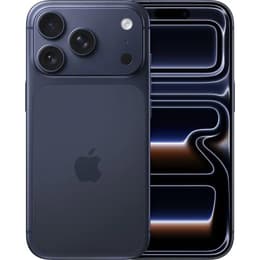
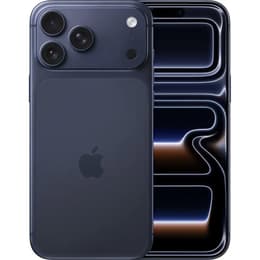
Camera layout | Vertical (no camera bar) | Camera bar | Diagonal layout (larger camera bar) |
iPhone Air, Pro, and Pro Max Models Feature a Rear Camera Bar
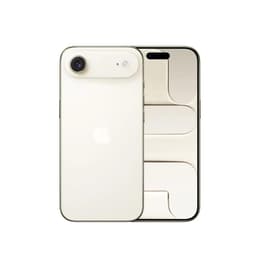
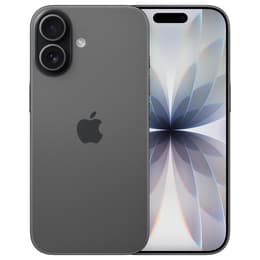
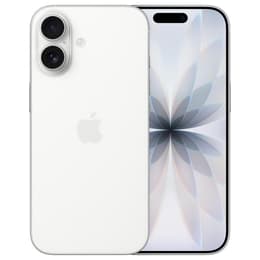
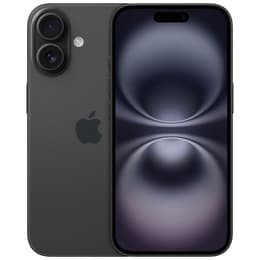
The iPhone 17 series also introduces a new rear camera design. The standard iPhone 17 keeps the same vertical dual-lens layout as the iPhone 16, while the Air and Pro models feature a camera bar. If you're familiar with the Google Pixel series, the design will feel somewhat familiar.
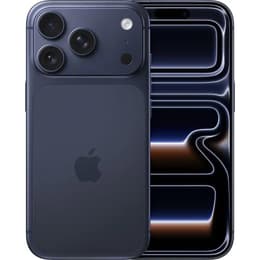
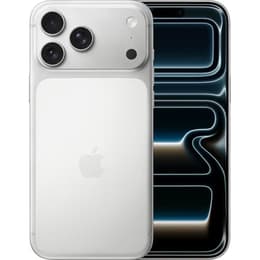
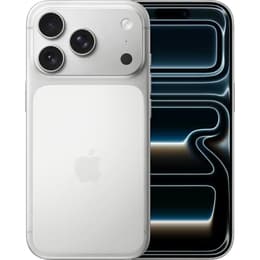
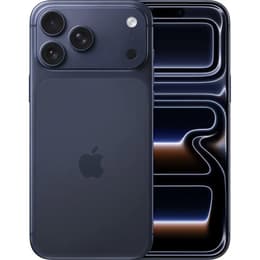
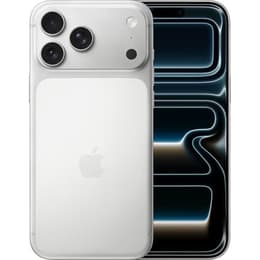
The rear camera bar is a bold design statement. On the iPhone 17 Pro and Pro Max in particular, the three rear lenses are arranged diagonally within a wider camera bar, making it especially eye-catching. Opinions are divided: some love the fresh, distinctive look, while others (especially fans who preferred the traditional clean iPhone aesthetic) find it takes some getting used to. Reviews suggest that, similar to the Pixel series, it stops feeling unusual once you're accustomed to it. It's worth pairing this with a look at the iPhone 17 series colour lineup when considering the overall design. And if you're using a dedicated camera case, the rear design becomes much less of a concern anyway.
Refurbished price:A$1,089.00
Versus A$1,499.00 new

- (1)
Refurbished price:A$1,250.00
Versus A$1,399.00 new
- (1)
Refurbished price:A$1,250.00
Versus A$1,399.00 new

- (2)
Refurbished price:A$1,609.00
Versus A$1,999.00 new
Refurbished price:A$1,649.00
Versus A$1,999.00 new

Refurbished price:A$1,783.98
Versus A$2,199.00 new
- (1)
Refurbished price:A$1,799.00
Versus A$1,999.00 new
Refurbished price:A$1,899.00
Versus A$2,199.00 new
Refurbished price:A$1,899.00
Versus A$2,599.00 new
Refurbished price:A$1,899.00
Versus A$2,199.00 new

- (1)
Refurbished price:A$2,049.00
Versus A$2,399.00 new
Refurbished price:A$2,079.00
Versus A$2,599.00 new
Refurbished price:A$2,099.00
Versus A$2,599.00 new

Front Camera Performance Common Across the iPhone 17 Series
One of the most notable camera improvements shared across all four iPhone 17 models is the front camera. Previous iPhone generations saw little change in front camera performance over the years, but the iPhone 17 series brings a meaningful upgrade in both resolution and new features.
Front Camera Upgraded from 12MP to 18MP
As covered in our comparison of iPhone generations, iPhones from the iPhone 11 series onwards used a 12MP front camera, while the iPhone SE (2nd and 3rd generation) had a slightly lower 7MP sensor.
The iPhone 17 series marks the first front camera upgrade in a long time, jumping from 12MP to 18MP, a 1.5x improvement in resolution. This means sharper selfies and clearer video calls, and it also holds potential for improved Face ID accuracy.
Center Stage: Automatic Framing
The iPhone 17 series front camera introduces Center Stage for photos and video calls. Thanks to a square sensor (a first for the iPhone lineup), you can shoot landscape-style selfies even when holding your iPhone in portrait orientation.
Previously, capturing a wide group selfie meant tilting your iPhone sideways. With the iPhone 17 series, AI-powered framing and position adjustments automatically optimise the shot, making group selfies far more convenient.
Dual Capture: Simultaneous Front and Rear Camera Video Recording
One of the most talked-about new video features is Dual Capture, which lets you record from both the front and rear cameras at the same time. One feed appears as a picture-in-picture overlay on the main shot.
It's ideal for a wide range of situations: talking to camera while capturing what's in front of you, shooting creative content for social media or YouTube, recording Vlogs, or capturing both the action and your friends' reactions at a sports event or concert.
Enhanced Video Stabilisation: Smooth Footage in More Situations
The iPhone 17 series also brings improvements to front camera video stabilisation. Enhanced Video Stabilisation reduces camera shake during front camera recording, making it much easier to capture smooth footage while walking, running, or on the move.
All of the front camera improvements above are available across the full iPhone 17 lineup, not just the Pro models. This raises the relative value of the standard and Air models, making them a more compelling choice for everyday users.
iPhone 17 Camera Specs and Performance: A Closer Look
The iPhone 17 brings more than just front camera improvements. The ultra-wide camera has also received a significant resolution upgrade. Continuing the trend from the iPhone 16, the gap between the standard and Pro models keeps narrowing, making the iPhone 17 a capable choice for most photography needs.
Ultra-Wide Camera Upgraded from 12MP to 48MP
The iPhone 16 Pro and Pro Max were the first to upgrade the ultra-wide camera from 12MP to 48MP, and the standard iPhone 17 now gets the same treatment. With four times the resolution, wide-angle and macro shots come out noticeably sharper and more detailed. It's also worth noting that the Air model (covered below) doesn't include an ultra-wide camera at all, which highlights just how well-rounded the standard iPhone 17 is from a camera perspective.
No Rear Camera Bar: A Clean, Classic iPhone Look
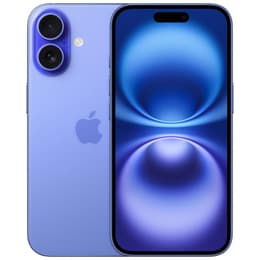
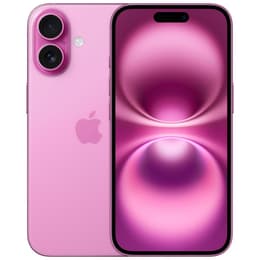
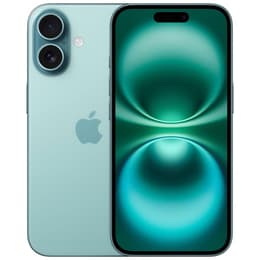
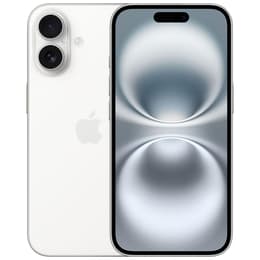
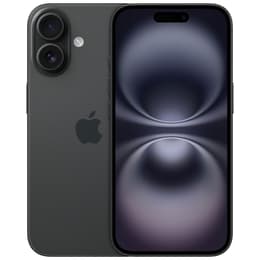
The iPhone 17 is the only model in the series without a camera bar, keeping the rear design virtually unchanged from the iPhone 16. If you're not a fan of the camera bar on the Air and Pro models, the standard iPhone 17 is the one to go for.
The iPhone 17's colour options have also been well-received. Compared to the iPhone 16 colour lineup, new shades like Lavender and Mist Blue are proving popular, appealing to a wide range of users regardless of style preferences.
As with the iPhone 16, the iPhone 17 also supports macro photography and spatial photo and video capture. If you don't need optical zoom, ProRes video recording, or other Pro-tier specs, the standard iPhone 17 is an excellent all-round choice, with a clean, straightforward camera design to match.
Beyond the ultra-wide and front camera upgrades, the iPhone 17's camera specs are not significantly different from the iPhone 16.
The iPhone 16 already supports a wide range of features, including the Camera Control button, next-generation Portrait mode, spatial video, and macro photography.
If you don't use the front camera very often, the iPhone 16 still delivers excellent photo and video quality. For a more detailed breakdown, check out our comparison of the iPhone 17 and iPhone 16 series.
- (76)
Refurbished price:A$955.00
Versus A$1,399.00 new
- (40)
Refurbished price:A$1,049.58
Versus A$1,599.00 new
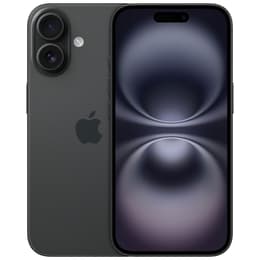
- (38)
Refurbished price:A$1,049.58
Versus A$1,599.00 new
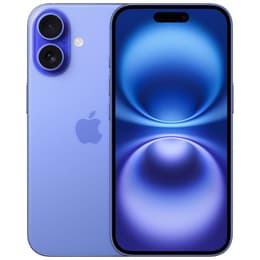
- (29)
Refurbished price:A$1,149.00
Versus A$1,599.00 new
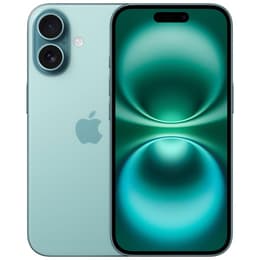
- (40)
Refurbished price:A$1,189.00
Versus A$1,599.00 new
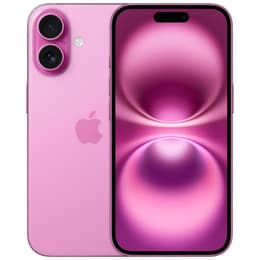
- (78)
Refurbished price:A$1,199.00
Versus A$1,599.00 new
iPhone Air Camera Specs and Performance: A Closer Look
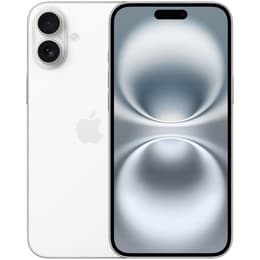
The iPhone Air is the newest addition to the iPhone 17 lineup, featuring a large 6.5-inch display, a lightweight 165g build, and an ultra-slim 5.64mm profile. While its light weight and comfortable feel in hand are standout advantages, camera performance is one area where it makes trade-offs.
The iPhone Air Has No Ultra-Wide Camera (Single Rear Camera)
The iPhone Air's rear camera is a single 48MP main lens with no ultra-wide camera included. The front camera keeps pace with the rest of the lineup, featuring the same resolution upgrade and Dual Capture support, but the lack of a rear ultra-wide lens is a notable limitation.
A single rear camera is also characteristic of more budget-focused models like the iPhone SE series and the iPhone 16e (released in February 2025), which also ships without an ultra-wide camera.
What Can't the iPhone Air Do That the Standard iPhone 17 Can?
Compared to the standard iPhone 17, the iPhone Air does not support the following camera features:
0.5x ultra-wide optical zoom
Macro photography and spatial photo/video capture
Cinematic mode (including on the front camera)
For many users, the single rear camera is more than capable for everyday photography. However, if wide-angle shots, macro photography, or Cinematic mode video are important to you, the iPhone Air may feel limiting. The iPhone 16 Plus is worth considering as an alternative: it doesn't support Dual Capture, but it does offer macro photography and Cinematic mode.
- (17)
Refurbished price:A$957.78
Versus A$1,599.00 new

- (3)
Refurbished price:A$1,008.78
Versus A$1,599.00 new

- (12)
Refurbished price:A$1,029.00
Versus A$1,599.00 new
- (6)
Refurbished price:A$1,054.00
Versus A$1,599.00 new

- (20)
Refurbished price:A$1,089.00
Versus A$1,599.00 new

- (3)
Refurbished price:A$1,099.00
Versus A$1,799.00 new

Refurbished price:A$1,141.38
Versus A$1,799.00 new
- (7)
Refurbished price:A$1,192.38
Versus A$1,799.00 new
- (19)
Refurbished price:A$1,254.00
Versus A$1,799.00 new
A Good Fit for Users Coming from Single-Camera iPhones Like the iPhone SE
Beyond camera performance, the iPhone Air also trails the rest of the lineup in battery life, fast charging speed, and speaker quality (mono rather than stereo). For users who don't place a premium on thinness, it can be difficult to justify choosing it over the standard iPhone 17.
That said, the iPhone Air has genuine appeal: a distinctive design and comfortable one-handed use are real advantages. For users upgrading from a single-camera iPhone like the SE series, the iPhone Air's camera will feel like a meaningful step up. Refurbished stock is growing, so it's worth keeping an eye out if you're looking to buy at a lower price.
Refurbished price:A$1,089.00
Versus A$1,499.00 new
iPhone 17 Pro and Pro Max Camera Specs and Performance: A Closer Look
The Pro and Pro Max models continue to lead the iPhone lineup for camera performance, with the telephoto lens being the key differentiator. The iPhone 17 Pro and iPhone 17 Pro Max share identical camera specs, with differences coming down to display size and battery capacity. For a full breakdown, check out our iPhone 17 Pro and iPhone 17 Pro Max reviews.
Telephoto Camera Upgraded from 12MP to 48MP
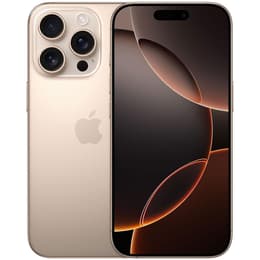
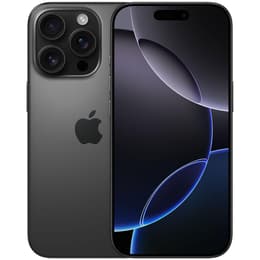
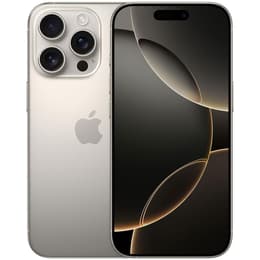
The iPhone 17 Pro and Pro Max bring a significant telephoto upgrade, jumping from 12MP to 48MP, a four-fold improvement in resolution. This means all three rear cameras on the Pro and Pro Max models now shoot at 48MP.
It's worth noting that compared to other flagship smartphones, the raw megapixel count is broadly in line with competitors. The Google Pixel 8 Pro (released in 2023) features a 50MP main camera alongside 48MP ultra-wide and telephoto lenses, while the Galaxy S25 Ultra goes further with a 200MP main camera and 50MP ultra-wide and telephoto lenses. That said, megapixel count is just one aspect of overall camera quality.
Optical Quality Zoom Up to 8x, Digital Zoom Up to 40x
Zoom performance has also improved on the Pro and Pro Max, with optical quality zoom equivalent up to 8x and digital zoom up to 40x. Both the iPhone 17 Pro and Pro Max share these specs, delivering sharp, clear results even at longer distances.
The Pro lineup has seen consistent zoom upgrades across generations: the iPhone 15 Pro offered up to 3x optical zoom, the iPhone 16 Pro stepped up to 5x, and the iPhone 17 Pro now reaches 8x equivalent. Each generation has brought a meaningful improvement.
Note: The iPhone 17 Pro and Pro Max telephoto lens has a 100mm focal length, which is technically 4x optical zoom. A 2x crop zoom then extends this to an 8x optical-quality equivalent, which is why Apple uses the phrase "up to 8x equivalent" rather than "8x optical."
iPhone 17 Pro and Pro Max: Powerful Video Capabilities for Creators
The iPhone 17 Pro and Pro Max also bring significant video upgrades, with a strong set of professional-grade features for creators. Here's what's new:
Feature | Details |
ProRes video | High-bitrate recording with excellent colour grading and editing headroom, widely used in professional post-production |
ProRes RAW | The first ProRes RAW on a smartphone, offering maximum flexibility and control when editing |
Apple Log 2 video | A new gamma curve that extends dynamic range, significantly improving highlight and shadow detail as well as colour rendition |
Genlock | Synchronises video signals from multiple cameras frame by frame, improving efficiency in multi-camera editing workflows |
Image stabilisation | Main camera uses 2nd-generation sensor-shift OIS; telephoto uses 3D sensor-shift OIS with AF for greater stability |
These capabilities position the iPhone 17 Pro and Pro Max as genuine professional tools, suitable for use on film, commercial, and live event productions.
Larger Batteries on the iPhone 17 Pro and Pro Max for Extended Shooting Sessions
Battery life matters for anyone shooting photos or video on the go. The iPhone 17 Pro Max supports up to 39 hours of video playback, an improvement over the iPhone 16 Pro Max's 33 hours, thanks to the larger battery capacity and the energy efficiency gains from the A19 Pro chip. The iPhone 17 Pro also holds its own with up to 33 hours of video playback.
Since the Pro and Pro Max share the same camera specs, your choice between the two comes down to battery life, price, and the size and weight of the device.
Improved Cooling on the iPhone 17 Pro and Pro Max: Better for Long 4K Video Sessions
The iPhone 17 Pro and Pro Max also feature an improved vapour chamber cooling system, reducing heat build-up during intensive tasks like extended 4K video recording. This same focus on thermal management is expected to continue in upcoming iPhone models.
Previous iPhone models could run hot during long 4K recording sessions or extended gaming, sometimes causing apps to close unexpectedly. The iPhone 17 Pro and Pro Max handle heat far more effectively, keeping performance stable during long shooting sessions.
Is the iPhone 17 Pro and Pro Max Camera Overkill for Everyday Use?
The iPhone 17 Pro and Pro Max are genuinely impressive for optical zoom, telephoto performance, and professional video capabilities, making them a strong choice for business photography and video production.
That said, the upgrades can feel like overkill for casual users who mostly take everyday photos and videos. The performance improvements may not be noticeable in day-to-day use.
The iPhone 17 Pro Max also comes in very large storage configurations, including a 2TB option. The 2TB model is priced at A$3,799 on the Apple Store AU, making it one of the most expensive iPhones ever released. If value for money is a priority, it's worth comparing older models before committing.
- (73)
Refurbished price:A$1,140.00
Versus A$1,799.00 new
- (86)
Refurbished price:A$1,140.00
Versus A$1,799.00 new
- (58)
Refurbished price:A$1,102.90
Versus A$1,799.00 new
- (46)
Refurbished price:A$1,102.90
Versus A$1,799.00 new
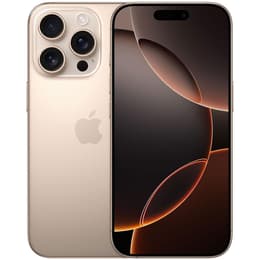
- (76)
Refurbished price:A$1,140.00
Versus A$1,799.00 new

- (78)
Refurbished price:A$1,140.00
Versus A$1,799.00 new
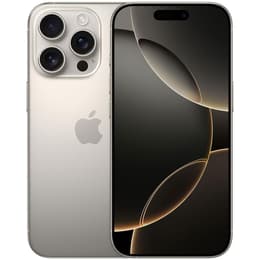
- (6)
Refurbished price:A$1,149.00
Versus A$1,799.00 new
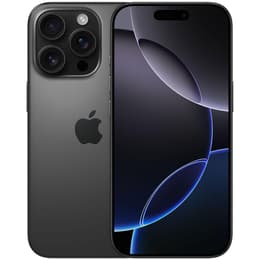
- (73)
Refurbished price:A$1,230.00
Versus A$1,799.00 new
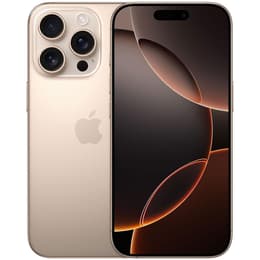
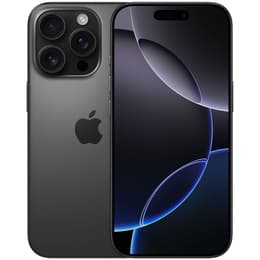
- (83)
Refurbished price:A$1,273.98
Versus A$1,999.00 new
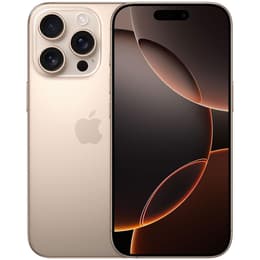
- (58)
Refurbished price:A$1,294.78
Versus A$1,999.00 new
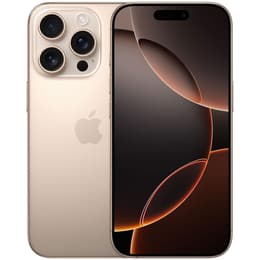
- (80)
Refurbished price:A$1,389.00
Versus A$1,999.00 new
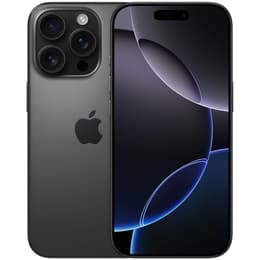
- (84)
Refurbished price:A$1,391.00
Versus A$1,999.00 new
- (63)
Refurbished price:A$1,409.00
Versus A$1,999.00 new

- (72)
Refurbished price:A$1,549.00
Versus A$2,349.00 new
iPhone 17 Series Camera Design and Shape: What to Expect
Beyond shooting performance, the shape and protrusion of each model's camera setup is worth considering for everyday use. If you tend to rest your phone flat on a table or want to keep it in great condition, a camera lens protector is worth considering.
iPhone 17 Series Camera Shape and Protrusion
In terms of camera bar design, the standard iPhone 17 features a vertical dual-lens layout in the top-left corner of the back panel. The iPhone Air has a horizontal camera bar running across the top of the rear. The iPhone 17 Pro and Pro Max go further with a wider horizontal camera bar and a diagonal lens arrangement.
Camera protrusion varies by model but is generally in the range of 3 to 5mm. The iPhone Air stands out with a protrusion of over 5mm, meaning the total thickness at the camera area (including the lens) is around 11.5mm, similar to the iPhone 17.
Best Camera Covers and Phone Cases to Protect Your Lens
If the camera protrusion is a concern, a camera lens protector is a practical solution. There are several types available, each with different benefits:
Round lens-only covers:
Simple and low-profile, allowing the camera bar design to remain visible
Bar and lens covers:
Offer stronger, more stable protection across the entire camera bar area
Open-aperture covers:
Protect the lens surround while leaving the glass exposed, so image quality is unaffected
Many people also use phone cases to protect the full device from scratches and drops. Keep in mind that camera covers from one brand may not always fit neatly with cases from another. Where possible, it's a good idea to match your camera cover and case from the same brand for a seamless fit.
Important Notes on iPhone 17 Series Camera Covers
One thing to keep in mind with lens covers is that they can affect photo and video quality if not maintained properly. Dirt, damage, or cracks on the cover can noticeably reduce image sharpness.
If you notice issues like blurry focus or unexpected changes in image quality, try removing the camera cover to see if it makes a difference. If the cover turns out to be the cause, replacing it is the way to go.
iPhone 17 Series Camera Performance Comparison: A Summary
Having compared the camera performance and features across each model, here's the takeaway. If you don't regularly use telephoto zoom or professional video features, the standard iPhone 17's specs are more than capable for most everyday needs.
The Standard iPhone 17 Holds Its Own Against the Pro Models: Best Value for Money
The standard iPhone 17's ultra-wide camera upgrade to 48MP has significantly closed the gap between it and the Pro and Pro Max. Add in the macro photography, spatial photo and video capture, and Camera Control button that were introduced across the iPhone 16 lineup, and the standard model now punches well above its price.
Up until the iPhone 16 series, the lower-tier models all shared the same camera specs. With the iPhone 17 series, the Air's focus on a thin and lightweight design means the standard iPhone 17 actually delivers better camera performance than the Air, despite costing less. Within the iPhone 17 lineup, the standard model offers the best overall value, both for camera specs and for general performance.
The iPhone Air Has a Single Camera and Modest Shooting Performance: Best for Those Who Prioritise Design and Lightness
Beyond camera performance, the iPhone Air also has a shorter battery life, making it less suited for extended video recording sessions. There is a dedicated MagSafe battery pack for the iPhone Air, but it tends to feel at odds with the device's ultra-slim and lightweight design, and reviews have been mixed.
For users upgrading from a single-camera phone like the iPhone SE series, the iPhone Air's camera is perfectly capable for everyday use. However, if you want access to features like Cinematic mode or macro photography across a wide range of shooting situations, it may fall short.
The iPhone Air is best suited to users who prioritise a slim, lightweight design and a refined look over camera versatility. Its 6.5-inch display combined with its 165g weight also makes one-handed photo and video shooting more comfortable than many other large-screen phones.
The iPhone 17 Pro and Pro Max Camera Is Pro-Grade: Best for High-Performance Needs
The iPhone 17 Pro and Pro Max are genuinely high-spec devices, but for everyday use, the difference from the standard model is difficult to notice in practice. Where they truly shine is for creators who demand high-powered optical zoom and professional-quality video recording.
Beyond the camera, the Pro and Pro Max also offer advantages including longer battery life, faster processing from the A19 Pro chip, and USB 3 support for significantly faster data transfer speeds. If you regularly transfer video footage from your iPhone to an iPad or MacBook, the Pro models' faster transfer speeds make a real practical difference.
Refurbished price:A$1,089.00
Versus A$1,499.00 new
- (1)
Refurbished price:A$1,250.00
Versus A$1,399.00 new
- (1)
Refurbished price:A$1,250.00
Versus A$1,399.00 new
- (2)
Refurbished price:A$1,609.00
Versus A$1,999.00 new
Refurbished price:A$1,649.00
Versus A$1,999.00 new
Refurbished price:A$1,783.98
Versus A$2,199.00 new
- (1)
Refurbished price:A$1,799.00
Versus A$1,999.00 new
Refurbished price:A$1,899.00
Versus A$2,199.00 new
Refurbished price:A$1,899.00
Versus A$2,599.00 new
Refurbished price:A$1,899.00
Versus A$2,199.00 new
- (1)
Refurbished price:A$2,049.00
Versus A$2,399.00 new
Refurbished price:A$2,079.00
Versus A$2,599.00 new
Refurbished price:A$2,099.00
Versus A$2,599.00 new
Comparing iPhone 17 Series Camera Performance With Older Models
The iPhone 17 series cameras are genuinely impressive, but older iPhone models are still more than capable of taking great photos and videos. Given how expensive the iPhone 17 series is when new, buying a refurbished iPhone 16 or iPhone 15 series model is often the smarter choice for value.
Camera Differences Between the iPhone 17 and iPhone 16 Series
The iPhone 16 series (released in 2024) brought some notable upgrades, including the Camera Control button across all models and a 48MP ultra-wide camera on the Pro and Pro Max. The front camera remained at 12MP without Center Stage or Dual Capture, but the iPhone 16 series still satisfies a wide range of users, from casual photographers to content creators.
- (73)
Refurbished price:A$1,140.00
Versus A$1,799.00 new
- (86)
Refurbished price:A$1,140.00
Versus A$1,799.00 new
- (47)
Refurbished price:A$1,280.00
Versus A$2,149.00 new
- (46)
Refurbished price:A$1,309.00
Versus A$2,149.00 new
- (76)
Refurbished price:A$955.00
Versus A$1,399.00 new
- (17)
Refurbished price:A$957.78
Versus A$1,599.00 new
- (3)
Refurbished price:A$1,008.78
Versus A$1,599.00 new
- (12)
Refurbished price:A$1,029.00
Versus A$1,599.00 new
- (40)
Refurbished price:A$1,049.58
Versus A$1,599.00 new
- (38)
Refurbished price:A$1,049.58
Versus A$1,599.00 new
- (6)
Refurbished price:A$1,054.00
Versus A$1,599.00 new
Camera Differences Between the iPhone Air and iPhone 16e
The iPhone 16e, released in 2025, is another single-camera model worth considering as a budget-friendly option. Compared to the iPhone Air, here's how the two models stack up on camera specs:
iPhone Air | iPhone 16e | |
Main camera resolution | 48MP | 48MP |
Image stabilisation | Sensor-shift OIS | Optical image stabilisation |
Photographic Styles | Latest generation supported | Latest generation not supported |
Dual Capture | Supported | Not supported |
Front camera Center Stage | Supported | Not supported |
Compared to the iPhone Air, the iPhone 16e has slightly lower image stabilisation and misses out on the latest Photographic Styles and Dual Capture. The front camera feature set also differs. That said, both models share a 48MP main camera, and overall shooting performance is not dramatically different. The successor iPhone 17e is similarly spec'd, with the main addition being next-generation Portrait mode.
At A$999 new (128GB, Apple Store AU), the iPhone 16e is one of the most affordable iPhones with Apple Intelligence support. Refurbished models are also available on Back Market from A$719, making it an attractive option if you're comparing prices.


- (84)
Refurbished price:A$779.00
Versus A$1,199.00 new

- (96)
Refurbished price:A$829.00
Versus A$1,199.00 new


Camera Differences Between the iPhone 17 and iPhone 15 Series
The 2023 iPhone 15 series doesn't include the Camera Control button, but all models feature a 48MP main camera, and the iPhone 15 Pro Max offers up to 5x optical zoom.
As covered in our iPhone 15 series camera specs breakdown, the standard and Plus models don't support macro photography or spatial photo and video capture, and the iPhone 15 Pro is limited to 3x optical zoom. Despite these differences, the full lineup supports popular everyday features like Cinematic mode, Action mode, and Portrait mode, making the iPhone 15 series a solid choice for most users.
The iPhone 15 Pro and Pro Max also support USB 3, making data transfer to a Mac or iPad noticeably faster than older models.
- (383)
Refurbished price:A$699.00
Versus A$1,249.00 new
- (68)
Refurbished price:A$740.00
Versus A$1,399.00 new
- (223)
Refurbished price:A$878.00
Versus A$1,849.00 new
- (97)
Refurbished price:A$1,039.00
Versus A$2,199.00 new
- (379)
Refurbished price:A$699.00
Versus A$1,249.00 new
- (393)
Refurbished price:A$757.08
Versus A$1,449.00 new
- (63)
Refurbished price:A$778.00
Versus A$1,399.00 new
- (217)
Refurbished price:A$860.00
Versus A$1,849.00 new
- (221)
Refurbished price:A$862.00
Versus A$1,849.00 new
- (225)
Refurbished price:A$906.78
Versus A$1,849.00 new
- (214)
Refurbished price:A$945.00
Versus A$2,049.00 new
- (218)
Refurbished price:A$947.58
Versus A$2,049.00 new
- (114)
Refurbished price:A$1,068.00
Versus A$2,199.00 new
Not Fussed About the Latest Camera? A Refurbished Older iPhone Is a Smart Choice
While iPhone camera performance improves with every generation, models from a few years back still deliver impressive specs, and many users find the latest model simply isn't necessary for their needs. With the iPhone 17 series priced at a premium, a refurbished older iPhone is a great option if value for money matters to you.
Unlike second-hand phones, refurbished devices go through expert inspection, thorough cleaning, and repairs where needed, making them a more reliable and consistent choice. Back Market's refurbished iPhones come with a 12-month warranty and a 30-day money-back guarantee, so you can shop with confidence even when buying older models.
Whether you're a student on a budget, buying a first smartphone, or simply after a capable camera phone without the latest price tag, browsing Back Market's range of refurbished iPhones is a great place to start.

- (959)
Refurbished price:A$494.00
Versus A$1,049.00 new
- (964)
Refurbished price:A$479.00
Versus A$1,049.00 new

- (383)
Refurbished price:A$699.00
Versus A$1,249.00 new
- (1,392)
Refurbished price:A$273.00
Versus A$1,049.00 new
- (394)
Refurbished price:A$474.12
Versus A$1,119.00 new
- (1,510)
Refurbished price:A$380.00
Versus A$1,099.00 new
- (963)
Refurbished price:A$450.00
Versus A$1,049.00 new
- (2,311)
Refurbished price:A$159.00
Versus A$719.00 new
- (68)
Refurbished price:A$740.00
Versus A$1,399.00 new
- (223)
Refurbished price:A$878.00
Versus A$1,849.00 new
- (97)
Refurbished price:A$1,039.00
Versus A$2,199.00 new
- (39)
Refurbished price:A$116.15
Versus A$279.00 new

- (1,460)
Refurbished price:A$150.00
Versus A$529.00 new

Upgrade Your iPhone and Make the Most of Back Market's Trade-In Service
The iPhone 17 series is impressive for its camera performance, but the Pro and Pro Max models come at a higher price. For users focused on video recording and editing, opting for 512GB or 1TB of storage pushes the cost even further.
If you're planning to upgrade, trading in your current iPhone is a great way to offset the cost. Back Market's iPhone trade-in service makes it easy to get an instant online quote, with a simple process from start to finish. A wide range of models are accepted, including older generations.
Even older iPhones in good condition with no cracked screens or faults can qualify for a higher trade-in value. If you're considering where to sell your iPhone, Back Market's trade-in service is well worth checking out.
Frequently Asked Questions About the iPhone 17 Series Camera
Here are some common questions about the iPhone 17 series camera specs and photography capabilities.
Q: Is storage capacity just as important as camera specs when choosing an iPhone 17 series model?
A: Storage is worth considering alongside camera performance. The iPhone 17 series starts at 256GB, with the iPhone 17 Pro Max going up to 2TB. If you plan to shoot ProRes or Log video footage, even short clips can take up significant storage, so 512GB or 1TB may be the better choice. For everyday photography and casual video, 256GB should be more than enough.
Q: What does "8x optical quality zoom" mean on the iPhone 17 Pro and Pro Max? Why say "8x equivalent" rather than simply "8x optical"?
A: The iPhone 16 Pro and Pro Max offered up to 5x true optical zoom. The iPhone 17 Pro and Pro Max use the phrase "8x optical quality zoom" or "up to 8x equivalent" because the telephoto lens is technically a 4x optical lens (100mm equivalent). Sensor cropping then extends this reach to the equivalent of 200mm, or 8x zoom. Because this isn't a pure 8x optical lens, the "optical quality" or "equivalent" terminology is the more accurate description. That said, the telephoto performance on the iPhone 17 Pro and Pro Max still delivers outstanding detail and clarity for long-range shots.
Q: Can older iPhone models still take great photos and videos?
A: Absolutely. While iPhone cameras improve every year, older models are still more than capable of capturing beautiful photos and videos. In 2025, Back Market hosted a photo contest open to entries taken on non-latest smartphones, and winning shots were captured on devices like the iPhone XS and iPhone 7. This proves that great photography doesn't require the latest hardware.
If you're working with a budget or the iPhone 17 camera upgrades aren't essential for your needs, a refurbished older iPhone is a smart, cost-effective choice. We've also put together some tips on how to get the best photos from your iPhone camera.