
Compare models

Galaxy Z Fold7 vs iPhone Air

  • 1-year warranty
  • Free standard shipping
  • Free 30-day returns
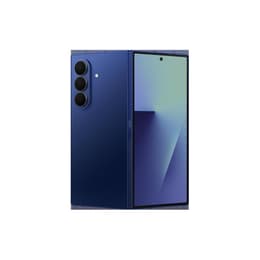
Galaxy Z Fold7
Starting at

Refurbished price:A$1,300.00

Versus A$2,499.00 new

See options
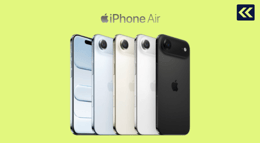
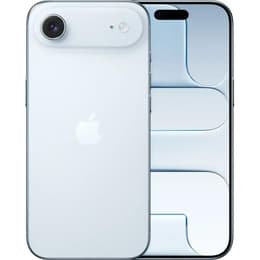
iPhone Air
Starting at

Refurbished price:A$1,061.00

Versus A$1,899.00 new

See options

Differences at a glance

The Samsung Galaxy Z Fold7 (2025) and the Apple iPhone Air (2025) represent two distinct design philosophies in contemporary smartphone engineering, contrasting a book-style foldable layout with an exceptionally slim, lightweight slate form factor. While both devices occupy distinct physical footprints, they deliver high-tier functionality tailored to very different daily interaction styles. The Galaxy Z Fold7 runs on Android, while the iPhone Air operates on iOS, offering users completely different software ecosystems alongside their contrasting hardware approaches.

Available Models

Colour

Storage (GB)

Scores

Durability

Both models arrive from the same release year, but their structural differences and software support lifecycles shape distinct expectations for long-term ownership and daily reliability.

  • Software Support Duration: The Galaxy Z Fold7 benefits from an extended multi-year update commitment, whereas the iPhone Air follows standard operating system longevity patterns typical of its ecosystem.
  • Build Longevity: Foldable hardware requires specialized hinge care over time, whereas the rigid titanium frame and reinforced glass layers of a traditional slate design offer a more straightforward physical durability profile.
  • Repairability Considerations: Standard slab phones generally present fewer mechanical complexities during maintenance compared to complex multi-screen folding assemblies.

Release year

2025

2025

Operating system

Android

iOS

Foldable

Yes

No

Performance

Underneath their distinct exteriors, both smartphones handle demanding workflows, everyday multitasking, and intensive applications with significant system responsiveness.

  • Multitasking and Memory: Both devices feature substantial RAM configurations and efficient system architecture to keep background apps active and switching seamless.
  • Battery Behavior: The Galaxy Z Fold7 distributes power across dual screens that demand energy during expansive tablet-mode use, while the iPhone Air houses a compact cell designed to balance its exceptionally thin chassis.
  • System Responsiveness: App loading, web browsing, and graphics-heavy tasks execute smoothly on both platforms, ensuring fluid navigation for productivity or media consumption.

Screen quality

Display technology is the primary differentiator between these two devices, defining how users interact with content, media, and productivity tools.

  • Display Technology: The Galaxy Z Fold7 utilizes dual Dynamic AMOLED panels, including an expansive 8.0-inch folding interior screen paired with a conventional 6.5-inch cover screen, whereas the iPhone Air employs a single 6.5-inch OLED display.
  • Viewing Area and Versatility: The foldable screen provides a tablet-sized canvas for split-screen apps and reading, while the iPhone Air offers a uniform, bright panel optimized for single-handed use.
  • Outdoor Visibility: Both options incorporate high peak brightness capabilities to maintain clear legibility under direct sunlight.

Resolution

1968x2184

2736x1260

Audiovisual

Optics and media playback capabilities cater to varying preferences in photography versatility and daily multimedia consumption.

  • Camera Systems: The Galaxy Z Fold7 incorporates a flexible multi-lens setup including a high-resolution primary sensor and optical zoom, whereas the iPhone Air focuses on a streamlined single-lens rear camera system.
  • Video and Audio Output: Both units capture stable, high-definition video footage, while their internal speaker configurations differ in spatial distribution during media playback.
  • Everyday Photography: Users prioritizing zoom range and diverse lenses will find distinct advantages in the foldable approach, while the single-lens setup handles everyday snapshots reliably.

Miscellaneous

Physical dimensions, connectivity standards, and daily handling characteristics dictate how easily each device integrates into travel, work, or leisure.

  • Portability and Handling: The iPhone Air emphasizes a featherlight profile and minimal thickness, while the Galaxy Z Fold7 offers a standard pocketable width when folded that expands into a larger workspace.
  • Connectivity and Ports: Both models support modern wireless standards and utilize standard USB-C or ecosystem-specific charging methods depending on the device.
  • Security and Biometrics: Each smartphone integrates rapid biometric authentication methods tailored to its physical layout for secure unlocking.

Weight

215 oz

165 oz

Screen size (in)

8.0

6.5

Network

5G

5G

SIM card

Dual Physical SIM + eSIM

eSIM

Carrier compatibility

Unlocked

Unlocked

What the community thinks

User feedback highlights distinct preferences for each device based on daily habits and workflow requirements. Owners of the Galaxy Z Fold7 frequently praise its expansive folding screen and flexible multitasking capabilities, though some note the added weight and fold crease require a brief adjustment period. Conversely, users of the iPhone Air highlight its remarkably slim profile and comfortable, lightweight feel in the hand, while noting that the single-camera setup and battery endurance involve compromises compared to thicker alternatives. Users prioritizing maximum screen workspace and multi-app multitasking will find the Galaxy Z Fold7 well-suited to their routine, while those valuing minimal weight and a traditional pocket-friendly build may lean toward the iPhone Air. Selecting either model as a quality-assured refurbished option provides an eco-friendly alternative that reduces electronic waste while delivering modern smartphone capabilities. Ultimately, the decision rests on whether an expansive folding canvas or an ultra-slim slate design better matches your day-to-day requirements.