
Compare models
Galaxy A34 vs iPhone 13 mini
- 1-year warranty
- Free standard shipping
- Free 30-day returns
Differences at a glance
The Samsung Galaxy A34 (2023) and the Apple iPhone 13 mini (2021) represent two distinct approaches to modern smartphone design, catering to users with very different preferences in size and operating systems. While the Galaxy A34 provides an expansive viewing space and runs on Android, the iPhone 13 mini focuses on a compact, one-handed form factor powered by iOS. Each model addresses unique day-to-day requirements, distinguishing them through hardware dimensions and software ecosystems rather than raw category dominance.
Available Models
Colour
Storage (GB)
Scores
Durability
When evaluating long-term utility, software support timelines and physical endurance play critical roles in determining how long each device remains practical for daily use.
- Software support timeline: The Galaxy A34 benefits from an extended multi-year update schedule provided by Samsung, while the iPhone 13 mini receives longstanding software updates typical of Apple devices, ensuring both platforms remain current for years following their release.
- Repairability and build endurance: Both smartphones feature robust outer shells designed to withstand normal wear, though repair accessibility varies depending on regional service options and component availability.
- Expected practical lifespan: Users can expect several years of reliable service from either device, provided the hardware matches their daily workflow demands and charging habits are maintained.
Release year
2023
2021
Compatible with latest Update
Yes
Yes
Operating system
Android
iOS
Foldable
No
No
Performance
Underneath the exterior, both devices manage multitasking, application loading, and system responsiveness differently based on their internal hardware and software optimization.
- Storage and multitasking capacity: Both models offer varied internal storage configurations alongside sufficient memory to handle everyday applications, background syncing, and routine switching between open programs.
- Battery behavior and daily endurance: The Galaxy A34 incorporates a larger physical power cell that comfortably sustains a full day of standard use, whereas the iPhone 13 mini relies on deep software efficiency to maximize its smaller battery capacity during typical tasks.
- System responsiveness: Everyday navigation, web browsing, and media consumption run smoothly on both devices, though intensive gaming or heavy processing will test the thermal limits of the compact iPhone design more quickly.
Screen quality
Display characteristics shape the visual experience, influencing everything from reading text outdoors to watching media during travel.
- Display technology and visual clarity: Both smartphones utilize vibrant OLED panels that deliver deep contrast levels, sharp text rendering, and vivid colors suited for reading and video playback.
- Outdoor visibility: High peak brightness levels on both displays ensure that menus, maps, and notifications remain legible under direct sunlight conditions.
- Refresh rate and physical dimensions: The Galaxy A34 features a larger screen with a high refresh rate for smoother scrolling animations, while the iPhone 13 mini offers a much smaller display footprint that prioritizes pocketability and effortless single-handed reach.
Resolution
1080 x 2340
1080 x 2340
Screen type
Super AMOLED
Super Retina XDR OLED
Audiovisual
Multimedia capabilities, including photography, video recording, and audio output, dictate how well these devices capture memories and deliver entertainment.
- Camera system versatility: The Galaxy A34 includes a versatile multi-lens rear array featuring a dedicated macro option, whereas the iPhone 13 mini utilizes a dual-lens setup focused on sharp everyday processing and reliable low-light performance.
- Video and audio performance: Video recording on both models yields steady footage and clear audio capture, making them reliable tools for quick clips and video calls.
- Media consumption: Built-in stereo speakers on both devices provide adequate volume and clarity for casual podcast listening and video streaming without external accessories.
Main camera
48 megapixels
12 megapixels
Front camera
13 megapixels
12 megapixels
Miscellaneous
Physical dimensions, connectivity standards, and daily handling characteristics round out the practical differences between these two smartphones.
- Connectivity and ports: Both devices support modern 5G networks and fast wireless standards, though they rely on their respective proprietary or standard cable connections for charging and data transfer.
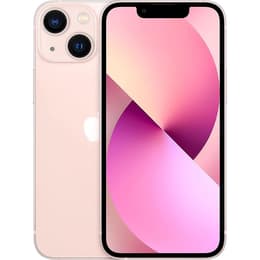
- Handling and physical footprint: The Galaxy A34 presents a larger, wider profile that suits two-handed typing, while the iPhone 13 mini offers a remarkably lightweight and compact body designed for minimal pocket bulk.
- Authentication and sensors: Security is handled via fast facial recognition on the Apple device and an in-display fingerprint sensor on the Samsung model, catering to different user preferences.
Weight
199 oz
140 oz
Screen size (in)
6,6
5,4
Network
5G
5G
SIM card
Physical SIM
Physical SIM + eSIM
Carrier compatibility
Unlocked
Unlocked
What the community thinks
User discussions across online communities frequently highlight the iPhone 13 mini for its rare combination of flagship capabilities in a pocket-friendly physical size, though many note that its smaller battery requires mindful daily charging. Conversely, community feedback for the Galaxy A34 centers on its comfortable viewing space, reliable all-day battery endurance, and fluid display scrolling, while some users mention its larger physical footprint makes single-handed operation more challenging. Choosing between these two devices ultimately depends on individual ergonomic and software preferences.
Users who prioritize a compact, easily portable device for single-handed use will find the iPhone 13 mini well-suited to their routine, while users who prefer an expansive display and longer battery endurance between charges may lean toward the Galaxy A34. For those seeking a quality-assured refurbished option, both models are widely available as sustainable choices that extend device lifecycles without compromising on core functionality. Reviewing these practical differences helps ensure an informed decision that aligns with everyday usage needs.