Compare models
Galaxy Z Fold4 vs iPhone Air
- 1-year warranty
- Free standard shipping
- Free 30-day returns
Differences at a glance
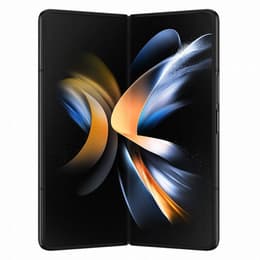
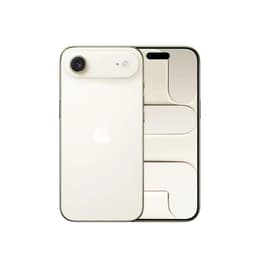
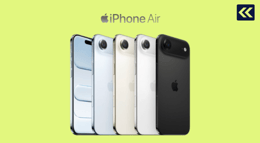
The Samsung Galaxy Z Fold4 (2022) and the Apple iPhone Air (2025) represent two entirely distinct approaches to mobile device engineering. While the Galaxy Z Fold4 delivers a pioneering folding design with a transforming dual-screen layout, the iPhone Air prioritizes an ultra-slim, lightweight single-slab form factor. Running on Android and iOS respectively, these devices cater to entirely different user philosophies through their unique structural formats.
Available Models
Colour
Storage
Scores
Durability
When evaluating hardware longevity and support timelines, these devices reflect different stages in their product lifecycles, with the iPhone Air benefiting from a more recent release year.
- Release Timeline and Software Support: The iPhone Air enters the market three years after the Galaxy Z Fold4, positioning it to receive software feature updates for a longer duration moving forward.
- Physical Design and Structural Wear: The Galaxy Z Fold4 utilizes complex mechanical hinges and flexible inner layers that require careful handling over years of multi-screen usage.
- Expected Practical Lifespan: Both models offer robust daily reliability, though users looking at a quality-assured refurbished option can find dependable, tested longevity across both product families.
Release year
2022
2025
Compatible with latest Update
Yes
Yes
Operating system
Android
iOS
Foldable
Yes
No
Performance
Underneath their contrasting shells, both devices manage demanding workloads smoothly while implementing different strategies for multitasking and energy management.
- System Responsiveness: Both options handle heavy apps, web browsing, and complex multitasking without stuttering, providing fluid day-to-day operation.
- Battery Behavior: The iPhone Air's slim profile requires efficient power scaling, whereas the Galaxy Z Fold4 splits its energy across two screens depending on whether it is folded or opened.
- Multitasking Handling: The Galaxy Z Fold4 is built explicitly for running multiple apps side-by-side on a wide canvas, while the iPhone Air handles sequential switching with traditional single-screen fluidity.
Screen quality
Visual delivery is a primary differentiator, contrasting a dual-display folding interface against a high-brightness single panel.
- Display Technology: The Galaxy Z Fold4 opens into a tablet-sized inner folding screen alongside a standard outer cover display, while the iPhone Air features a single, expansive OLED screen.
- Outdoor Visibility: The iPhone Air reaches very high peak outdoor brightness levels, whereas the Galaxy Z Fold4 offers adaptable viewing across its two distinct display surfaces.
- Refresh Rate and Fluidity: Both devices support high refresh rates up to 120Hz, ensuring smooth scrolling, responsive touch tracking, and fluid animation rendering.
Resolution
1812 x 2176
2736x1260
Screen type
Foldable Dynamic AMOLED 2X
Super Retina XDR
Audiovisual
Optics and media playback capabilities cater to distinct creative workflows and entertainment preferences.
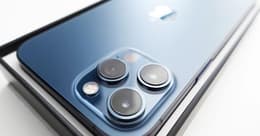
- Camera Systems: The Galaxy Z Fold4 equips a flexible multi-lens setup including a telephoto zoom lens, while the iPhone Air relies on a streamlined single high-resolution main sensor.
- Low-Light and Video: Both models capture detailed everyday photos and stable video footage, though the telephoto option on the foldable allows for closer optical framing.
- Media Consumption and Audio: The Galaxy Z Fold4 provides a tablet-like canvas for watching videos, while the iPhone Air delivers balanced stereo sound and clear voice reproduction for daily media tasks.
Main camera
50 megapixels
48 megapixels
Front camera
4 megapixels
18 megapixels
Miscellaneous
Practical everyday usage factors, including physical dimensions, build materials, and connectivity standards, shape how each device fits into daily routines.
- Portability and Weight: The iPhone Air emphasizes an exceptionally thin and lightweight build, whereas the Galaxy Z Fold4 has a heavier, thicker folded footprint to accommodate its mechanical hinge.
- Connectivity and Ports: Both devices support modern 5G cellular networks and fast wireless data standards, utilizing standard connector types for charging and data transfer.
- Build Materials: The Galaxy Z Fold4 combines aluminum frames with folding glass engineering, while the iPhone Air uses reinforced titanium framing and durable glass.
Weight
282 oz
165 oz
Screen size (in)
7.6
6.5
Network
5G
5G
SIM card
Physical SIM + eSIM
eSIM
Carrier compatibility
Unlocked
Unlocked
What the community thinks
User discussions and community feedback highlight distinct patterns of praise and criticism for each device. Owners of the Galaxy Z Fold4 frequently praise its innovative transforming display, noting how useful it is for viewing documents and running multiple applications simultaneously. At the same time, some users mention that its heavier weight and visible screen crease take some getting used to. On the other hand, iPhone Air users frequently commend its remarkably thin profile and lightweight feel, making it exceptionally comfortable to carry throughout the day. Conversely, some users point out that its single-camera setup offers less optical versatility compared to multi-lens alternatives.
Users prioritizing maximum screen estate for multitasking and split-screen productivity will find the Galaxy Z Fold4 well-suited to their needs, while users prioritizing an ultra-lightweight, slim device profile with traditional single-screen operation may lean toward the iPhone Air. Choosing between these devices depends entirely on whether a transforming multi-screen workspace or a streamlined lightweight form factor aligns better with your daily routine. Exploring a sustainable choice through quality-assured refurbished models provides an eco-friendly alternative for acquiring either device. Selecting the right model rests on evaluating these structural and functional priorities to match your individual usage style.