'%3e%3cpath%20fill='%2310338c'%20d='M0%200h40v26.67H0V0'/%3e%3cpath%20fill='%23fff'%20d='m9.899%2016.971.856%201.828%201.922-.455-.856%201.82%201.549%201.261-1.93.447.008%202.028-1.55-1.27-1.54%201.27.008-2.028-1.93-.447%201.548-1.26-.863-1.82%201.93.454.848-1.828m20.226%203.552.404.87.919-.215-.413.87.74.599-.919.207v.974l-.732-.607-.739.607.008-.974-.918-.207.739-.599-.412-.87.918.215.405-.87M25.097%209.986l.405.87.918-.215-.412.87.74.599-.92.215v.966l-.73-.607-.74.607.008-.966-.926-.215.739-.599-.412-.87.918.215.412-.87m5.028-7.2.404.87.919-.215-.413.87.74.598-.919.216V6.09l-.732-.607-.739.607.008-.966-.918-.216.739-.598-.412-.87.918.215.405-.87m4.552%205.245.405.87L36%208.685l-.413.87.74.599-.918.207v.974l-.732-.606-.74.606v-.974l-.918-.207.74-.599-.413-.87.919.216.412-.87m-2.91%205.26.319%201.014h1.035l-.84.623.326%201.013-.84-.63-.84.63.318-1.014-.833-.622h1.036l.319-1.014M19.922%200v2.443l-3.51%202.003h3.51V9.18h-4.599l4.6%202.618v1.828h-2.079l-5.72-3.264v3.264H7.799v-3.88l-6.802%203.88H0v-2.442L3.518%209.18H0V4.446h4.6L0%201.82V0h2.078l5.72%203.257V0h4.326v3.88L18.935%200h.988'/%3e%3cpath%20fill='%23d80027'%20d='M11.206%200h-2.49v5.532H0v2.554h8.716v5.54h2.49v-5.54h8.716V5.532h-8.716V0'/%3e%3cpath%20fill='%230052b4'%20d='m12.125%209.18%207.797%204.446v-1.26L14.335%209.18h-2.21'/%3e%3cpath%20fill='%23fff'%20d='m12.125%209.18%207.797%204.446v-1.26L14.335%209.18h-2.21'/%3e%3cpath%20fill='%23d80027'%20d='m12.125%209.18%207.797%204.446v-1.26L14.335%209.18h-2.21m-6.53%200L0%2012.365v1.261L7.798%209.18H5.595'/%3e%3cpath%20fill='%230052b4'%20d='M7.798%204.446%200%200v1.253l5.595%203.193h2.203'/%3e%3cpath%20fill='%23fff'%20d='M7.798%204.446%200%200v1.253l5.595%203.193h2.203'/%3e%3cpath%20fill='%23d80027'%20d='M7.798%204.446%200%200v1.253l5.595%203.193h2.203m6.537%200%205.587-3.193V0l-7.798%204.446h2.21'/%3e%3c/g%3e%3cdefs%3e%3cclipPath%20id='country-flag-au-a'%3e%3cpath%20fill='%23fff'%20d='M0%200h40v26.67H0z'/%3e%3c/clipPath%3e%3c/defs%3e%3c/svg%3e)
'%3e%3cpath%20fill='%23f0f0f0'%20d='M40%200H0v26.666h40V0'/%3e%3cpath%20fill='%23d80027'%20d='M40%200H0v8.889h40V0m0%2017.778H0v8.888h40v-8.888'/%3e%3c/g%3e%3cdefs%3e%3cclipPath%20id='country-flag-at-a'%3e%3cpath%20fill='%23fff'%20d='M0%200h40v26.67H0z'/%3e%3c/clipPath%3e%3c/defs%3e%3c/svg%3e)
'%3e%3cpath%20fill='%23ffda44'%20d='M40%200H0v26.67h40V0'/%3e%3cpath%20fill='%23000'%20d='M13.333%200H0v26.67h13.333V0'/%3e%3cpath%20fill='%23d80027'%20d='M40%200H26.667v26.67H40V0'/%3e%3c/g%3e%3cdefs%3e%3cclipPath%20id='country-flag-be-a'%3e%3cpath%20fill='%23fff'%20d='M0%200h40v26.67H0z'/%3e%3c/clipPath%3e%3c/defs%3e%3c/svg%3e)
'%3e%3cpath%20fill='%23000'%20d='M40%200H0v8.89h40V0'/%3e%3cpath%20fill='%23d80027'%20d='M40%208.89H0v8.89h40V8.89'/%3e%3cpath%20fill='%23ffda44'%20d='M40%2017.78H0v8.89h40v-8.89'/%3e%3c/g%3e%3cdefs%3e%3cclipPath%20id='country-flag-de-a'%3e%3cpath%20fill='%23fff'%20d='M0%200h40v26.67H0z'/%3e%3c/clipPath%3e%3c/defs%3e%3c/svg%3e)
'%3e%3cpath%20fill='%23ffda44'%20d='M40%200H0v26.667h40V0'/%3e%3cpath%20fill='%23d80027'%20d='M40%200H0v8.889h40V0m0%2017.777H0v8.89h40v-8.89'/%3e%3c/g%3e%3cdefs%3e%3cclipPath%20id='country-flag-es-a'%3e%3cpath%20fill='%23fff'%20d='M0%200h40v26.67H0z'/%3e%3c/clipPath%3e%3c/defs%3e%3c/svg%3e)
'%3e%3cpath%20fill='%23f0f0f0'%20d='M40%200H0v26.667h40V0'/%3e%3cpath%20fill='%232e52b2'%20d='M40%2011.667V15H14.348v11.667h-3.334V15H0v-3.333h11.014V0h3.334v11.667H40'/%3e%3c/g%3e%3cdefs%3e%3cclipPath%20id='country-flag-fi-a'%3e%3cpath%20fill='%23fff'%20d='M0%200h40v26.67H0z'/%3e%3c/clipPath%3e%3c/defs%3e%3c/svg%3e)
'%3e%3cpath%20fill='%23f0f0f0'%20d='M40%200H0v26.667h40V0'/%3e%3cpath%20fill='%230052b4'%20d='M13.333%200H0v26.667h13.333V0'/%3e%3cpath%20fill='%23d80027'%20d='M40%200H26.667v26.667H40V0'/%3e%3c/g%3e%3cdefs%3e%3cclipPath%20id='country-flag-fr-a'%3e%3cpath%20fill='%23fff'%20d='M0%200h40v26.67H0z'/%3e%3c/clipPath%3e%3c/defs%3e%3c/svg%3e)
'%3e%3cpath%20fill='%23f0f0f0'%20d='M40%200H0v26.667h40V0'/%3e%3cpath%20fill='%23d80027'%20d='M22.5%200h-5v10.833H0v5h17.5v10.833h5V15.833H40v-5H22.5V0'/%3e%3cpath%20fill='%230052b4'%20d='M30.765%2017.97%2040%2023.102v-5.13h-9.235m-6.417-.002L40%2026.667v-2.459l-11.226-6.236h-4.426m11.482%208.694-11.482-6.38v6.38H35.83'/%3e%3cpath%20fill='%23f0f0f0'%20d='M24.348%2017.97%2040%2026.667v-2.459l-11.226-6.236h-4.426'/%3e%3cpath%20fill='%23d80027'%20d='M24.348%2017.97%2040%2026.667v-2.459l-11.226-6.236h-4.426'/%3e%3cpath%20fill='%230052b4'%20d='M7.058%2017.97%200%2021.891v-3.92h7.058m8.594%201.105v7.59H1.992l13.66-7.59'/%3e%3cpath%20fill='%23d80027'%20d='M11.226%2017.97%200%2024.208v2.46l15.652-8.696h-4.426'/%3e%3cpath%20fill='%230052b4'%20d='M9.235%208.696%200%203.565v5.13h9.235m6.417.001L0%200v2.459l11.226%206.237h4.426M4.17%200l11.482%206.38V0H4.17'/%3e%3cpath%20fill='%23f0f0f0'%20d='M15.652%208.696%200%200v2.459l11.226%206.237h4.426'/%3e%3cpath%20fill='%23d80027'%20d='M15.652%208.696%200%200v2.459l11.226%206.237h4.426'/%3e%3cpath%20fill='%230052b4'%20d='M32.942%208.696%2040%204.774v3.922h-7.058M24.348%207.59V0h13.66l-13.66%207.59'/%3e%3cpath%20fill='%23d80027'%20d='M28.774%208.696%2040%202.459V0L24.348%208.696h4.426'/%3e%3c/g%3e%3cdefs%3e%3cclipPath%20id='country-flag-gb-a'%3e%3cpath%20fill='%23fff'%20d='M0%200h40v26.67H0z'/%3e%3c/clipPath%3e%3c/defs%3e%3c/svg%3e)
'%3e%3cpath%20fill='%23f0f0f0'%20d='M40%200H0v26.666h40V0'/%3e%3cpath%20fill='%23338af3'%20d='M40%200H0v3.333h40V0m0%206.667H0V10h40V6.667m0%206.667H0v3.333h40v-3.334M40%2020H0v3.333h40V20'/%3e%3cpath%20fill='%23338af3'%20d='M14.782%200H0v13.334h14.782V0'/%3e%3cpath%20fill='%23f0f0f0'%20d='M14.782%205.186H0v2.962h14.782V5.186'/%3e%3cpath%20fill='%23f0f0f0'%20d='M8.872%200H5.91v13.334h2.962V0'/%3e%3c/g%3e%3cdefs%3e%3cclipPath%20id='country-flag-gr-a'%3e%3cpath%20fill='%23fff'%20d='M0%200h40v26.67H0z'/%3e%3c/clipPath%3e%3c/defs%3e%3c/svg%3e)
'%3e%3cpath%20fill='%23f0f0f0'%20d='M40%200H0v26.666h40V0'/%3e%3cpath%20fill='%236da544'%20d='M13.333%200H0v26.667h13.333V0'/%3e%3cpath%20fill='%23ff9811'%20d='M40%200H26.667v26.667H40V0'/%3e%3c/g%3e%3cdefs%3e%3cclipPath%20id='country-flag-ie-a'%3e%3cpath%20fill='%23fff'%20d='M0%200h40v26.67H0z'/%3e%3c/clipPath%3e%3c/defs%3e%3c/svg%3e)
'%3e%3cpath%20fill='%23f0f0f0'%20d='M26.667%200H0v26.667h40V0H26.667'/%3e%3cpath%20fill='%236da544'%20d='M13.333%200H0v26.667h13.333V0'/%3e%3cpath%20fill='%23d80027'%20d='M40%200H26.667v26.667H40V0'/%3e%3c/g%3e%3cdefs%3e%3cclipPath%20id='country-flag-it-a'%3e%3cpath%20fill='%23fff'%20d='M0%200h40v26.67H0z'/%3e%3c/clipPath%3e%3c/defs%3e%3c/svg%3e)
'%3e%3cpath%20fill='%23f0f0f0'%20fill-rule='evenodd'%20d='M0%20.86h40v26.67H0V.86'%20clip-rule='evenodd'/%3e%3cpath%20fill='%23d80027'%20d='M20%2021.835a8.5%208.5%200%201%200%200-17%208.5%208.5%200%200%200%200%2017'/%3e%3c/g%3e%3cdefs%3e%3cclipPath%20id='country-flag-jp-a'%3e%3cpath%20fill='%23fff'%20d='M0%200h40v26.67H0z'/%3e%3c/clipPath%3e%3c/defs%3e%3c/svg%3e)
'%3e%3cpath%20fill='%23a2001d'%20d='M40%200H0v8.89h40V0'/%3e%3cpath%20fill='%23f0f0f0'%20d='M40%208.89H0v8.89h40V8.89'/%3e%3cpath%20fill='%230052b4'%20d='M40%2017.78H0v8.89h40v-8.89'/%3e%3c/g%3e%3cdefs%3e%3cclipPath%20id='country-flag-nl-a'%3e%3cpath%20fill='%23fff'%20d='M0%200h40v26.67H0z'/%3e%3c/clipPath%3e%3c/defs%3e%3c/svg%3e)
'%3e%3cpath%20fill='%23d80027'%20d='M40%200H0v26.666h40V0'/%3e%3cpath%20fill='%236da544'%20d='M15.363%200v26.666H0V0h15.363'/%3e%3cpath%20fill='%23ffda44'%20d='M15.363%2018.335a5%205%200%201%200%200-10%205%205%200%200%200%200%2010'/%3e%3cpath%20fill='%23d80027'%20d='M12.55%2010.835v3.125a2.813%202.813%200%200%200%205.625%200v-3.125H12.55'/%3e%3cpath%20fill='%23f0f0f0'%20d='M15.362%2014.898a.94.94%200%200%201-.937-.938v-1.25H16.3v1.25a.94.94%200%200%201-.938.938'/%3e%3c/g%3e%3cdefs%3e%3cclipPath%20id='country-flag-pt-a'%3e%3cpath%20fill='%23fff'%20d='M0%200h40v26.67H0z'/%3e%3c/clipPath%3e%3c/defs%3e%3c/svg%3e)
'%3e%3cpath%20fill='%230052b4'%20d='M40%200H0v26.667h40V0'/%3e%3cpath%20fill='%23ffda44'%20d='M15%200h-5v10.833H0v5h10v10.834h5V15.833h25v-5H15V0'/%3e%3c/g%3e%3cdefs%3e%3cclipPath%20id='country-flag-se-a'%3e%3cpath%20fill='%23fff'%20d='M0%200h40v26.67H0z'/%3e%3c/clipPath%3e%3c/defs%3e%3c/svg%3e)
'%3e%3cpath%20fill='%23f0f0f0'%20d='M40%200H0v26.666h40V0'/%3e%3cpath%20fill='%230052b4'%20d='M40%208.696H0v9.275h40V8.696'/%3e%3cpath%20fill='%23d80027'%20d='M40%2017.97H0v8.696h40v-8.695'/%3e%3cpath%20fill='%23f0f0f0'%20d='M10.115%207.538v6.651c0%203.784%204.942%204.943%204.942%204.943S20%2017.972%2020%2014.189V7.538h-9.885'/%3e%3cpath%20fill='%23d80027'%20d='M11.416%207.733v6.402a2.7%202.7%200%200%200%20.283%201.21h6.717a2.7%202.7%200%200%200%20.283-1.21V7.733h-7.283'/%3e%3cpath%20fill='%23f0f0f0'%20d='M17.29%2012.196h-1.675v-1.115h1.116V9.965h-1.116V8.849H14.5v1.116h-1.115v1.116H14.5v1.115h-1.673v1.116H14.5v1.116h1.116v-1.116h1.674v-1.116'/%3e%3cpath%20fill='%230052b4'%20d='M13.221%2016.902a8%208%200%200%200%201.836.83%208%208%200%200%200%201.836-.83q1.09-.685%201.523-1.558a1.94%201.94%200%200%200-1.57-.306%201.953%201.953%200%200%200-3.576%200%201.96%201.96%200%200%200-1.57.306q.433.872%201.521%201.558'/%3e%3c/g%3e%3cdefs%3e%3cclipPath%20id='country-flag-sk-a'%3e%3cpath%20fill='%23fff'%20d='M0%200h40v26.67H0z'/%3e%3c/clipPath%3e%3c/defs%3e%3c/svg%3e)
'%3e%3cpath%20fill='%23f0f0f0'%20d='M40%200H0v26.667h40V0'/%3e%3cpath%20fill='%23d80027'%20d='M40%2024.5v2.1H0v-2.1h40m0-2.15H0v-2.1h40v2.1m0-4H0v-2.1h40v2.1m0-4H0v-2.1h40v2.1m0-4.25H0V8h40v2.1m0-4H0V4h40v2.1m0-4H0V0h40v2.1'/%3e%3cpath%20fill='%232e52b2'%20d='M20%200H0v14.36h20V0'/%3e%3cpath%20fill='%23f0f0f0'%20d='M1.927%2012.964H2.5l-.464.337.178.545L1.75%2013.51l-.464.336.178-.545L1%2012.964h.573L1.75%2012.42l.177.545m3.172%200h.573l-.464.337.177.545-.463-.336-.464.336.178-.545-.464-.337h.573l.177-.545.177.545m3.172%200h.573L8.38%2013.301l.177.545-.463-.336-.464.336.177-.545-.463-.337h.572l.178-.545.177.545m3.171%200h.574l-.464.337.177.545-.463-.336-.464.336.177-.545-.463-.337h.572l.178-.545.176.545m3.485%200H15.5l-.464.337.178.545-.464-.336-.464.336.178-.545L14%2012.964h.573l.177-.545.177.545m3.5%200H19l-.464.337.178.545-.464-.336-.464.336.178-.545-.464-.337h.573l.177-.545.177.545m-15-1.406H4l-.464.337.178.545-.464-.337-.464.337.178-.545L2.5%2011.558h.573l.177-.545.177.545m3.172%200h.573l-.464.337.177.545-.463-.337-.464.337.178-.545-.464-.337h.573l.177-.545.177.545m3.172%200h.573L9.88%2011.895l.177.545-.463-.337L9.13%2012.44l.177-.545-.463-.337h.572l.178-.545.177.545m3.171%200h.574l-.464.337.177.545-.463-.337-.464.337.177-.545-.463-.337h.572l.178-.545.176.545m3.485%200H17l-.464.337.178.545-.464-.337-.464.337.178-.545-.464-.337h.573l.177-.545.177.545m-14.5-1.57H2.5l-.464.337.178.545-.464-.337-.464.337.178-.545L1%209.988h.573L1.75%209.443l.177.545m3.172%200h.573l-.464.337.177.545-.463-.337-.464.337.178-.545-.464-.337h.573l.177-.545.177.545m3.172%200h.573L8.38%2010.325l.177.545-.463-.337L7.63%2010.87l.177-.545-.463-.337h.572l.178-.545.177.545m3.171%200h.574l-.464.337.177.545-.463-.337-.464.337.177-.545-.463-.337h.572l.178-.545.176.545m3.485%200H15.5l-.464.337.178.545-.464-.337-.464.337.178-.545L14%209.988h.573l.177-.545.177.545m3.5%200H19l-.464.337.178.545-.464-.337-.464.337.178-.545L17.5%209.988h.573l.177-.545.177.545m-15-1.43H4L3.536%208.895%203.714%209.44%203.25%209.103%202.786%209.44l.178-.545L2.5%208.558h.573L3.25%208.013l.177.545m3.172%200h.573L6.708%208.895%206.885%209.44%206.422%209.103%205.958%209.44l.178-.545-.464-.337h.573l.177-.545.177.545m3.172%200h.573L9.88%208.895l.177.545-.463-.337L9.13%209.44l.177-.545-.463-.337h.572l.178-.545.177.545m3.171%200h.574l-.464.337.177.545-.463-.337-.464.337.177-.545-.463-.337h.572l.178-.545.176.545m3.485%200H17l-.464.337.178.545-.464-.337-.464.337.178-.545L15.5%208.558h.573l.177-.545.177.545m-14.5-1.547H2.5L2.036%207.348l.178.545L1.75%207.556%201.286%207.893l.178-.545L1%207.011h.573L1.75%206.466l.177.545m3.172%200h.573L5.208%207.348l.177.545-.463-.337-.464.337.178-.545-.464-.337h.573l.177-.545.177.545m3.172%200h.573L8.38%207.348l.177.545-.463-.337L7.63%207.893l.177-.545-.463-.337h.572l.178-.545.177.545m3.171%200h.574l-.464.337.177.545-.463-.337-.464.337.177-.545-.463-.337h.572l.178-.545.176.545m3.485%200H15.5l-.464.337.178.545-.464-.337-.464.337.178-.545L14%207.011h.573l.177-.545.177.545m3.5%200H19l-.464.337.178.545-.464-.337-.464.337.178-.545L17.5%207.011h.573l.177-.545.177.545m-15-1.453H4L3.536%205.895%203.714%206.44%203.25%206.103%202.786%206.44l.178-.545L2.5%205.558h.573L3.25%205.013l.177.545m3.172%200h.573L6.708%205.895%206.885%206.44%206.422%206.103%205.958%206.44l.178-.545-.464-.337h.573l.177-.545.177.545m3.172%200h.573L9.88%205.895l.177.545-.463-.337L9.13%206.44l.177-.545-.463-.337h.572l.178-.545.177.545m3.171%200h.574l-.464.337.177.545-.463-.337-.464.337.177-.545-.463-.337h.572l.178-.545.176.545m3.485%200H17l-.464.337.178.545-.464-.337-.464.337.178-.545L15.5%205.558h.573l.177-.545.177.545m-14.5-1.523H2.5L2.036%204.37l.178.545L1.75%204.58%201.286%204.916l.178-.545L1%204.035h.573L1.75%203.49l.177.545m3.172%200h.573L5.208%204.37l.177.545L4.922%204.58%204.458%204.916l.178-.545-.464-.336h.573L4.922%203.49l.177.545m3.172%200h.573L8.38%204.37l.177.545L8.094%204.58%207.63%204.916l.177-.545-.463-.336h.572L8.094%203.49%208.27%204.035m3.171%200h.574L11.552%204.37l.177.545-.463-.337-.464.337.177-.545-.463-.336h.572l.178-.545.176.545m3.485%200H15.5L15.036%204.37l.178.545L14.75%204.58l-.464.337.178-.545L14%204.035h.573L14.75%203.49l.177.545m3.5%200H19L18.536%204.37l.178.545L18.25%204.58l-.464.337.178-.545L17.5%204.035h.573L18.25%203.49l.177.545m-15-1.477H4L3.536%202.895%203.714%203.44%203.25%203.103%202.786%203.44l.178-.545L2.5%202.558h.573L3.25%202.013l.177.545m3.172%200h.573L6.708%202.895%206.885%203.44%206.422%203.103%205.958%203.44l.178-.545-.464-.337h.573l.177-.545.177.545m3.172%200h.573L9.88%202.895l.177.545-.463-.337L9.13%203.44l.177-.545-.463-.337h.572l.178-.545.177.545m3.171%200h.574l-.464.337.177.545-.463-.337-.464.337.177-.545-.463-.337h.572l.178-.545.176.545m3.485%200H17l-.464.337.178.545-.464-.337-.464.337.178-.545L15.5%202.558h.573l.177-.545.177.545m-14.5-1.5H2.5L2.036%201.395%202.214%201.94%201.75%201.603%201.286%201.94l.178-.545L1%201.058h.573L1.75.513l.177.545m3.172%200h.573L5.208%201.395%205.385%201.94%204.922%201.603%204.458%201.94l.178-.545-.464-.337h.573l.177-.545.177.545m3.172%200h.573L8.38%201.395%208.557%201.94%208.094%201.603%207.63%201.94l.177-.545-.463-.337h.572l.178-.545.177.545m3.171%200h.574l-.464.337.177.545-.463-.337-.464.337.177-.545-.463-.337h.572l.178-.545.176.545m3.485%200H15.5l-.464.337.178.545-.464-.337-.464.337.178-.545L14%201.058h.573l.177-.545.177.545m3.5%200H19l-.464.337.178.545-.464-.337-.464.337.178-.545L17.5%201.058h.573l.177-.545.177.545'/%3e%3c/g%3e%3cdefs%3e%3cclipPath%20id='country-flag-us-a'%3e%3cpath%20fill='%23fff'%20d='M0%200h40v26.67H0z'/%3e%3c/clipPath%3e%3c/defs%3e%3c/svg%3e)


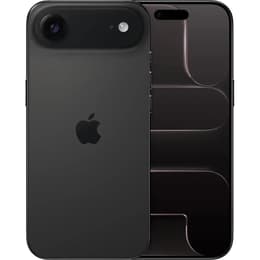
The iPhone 17 series is the latest model, released in September 2025, and many people are likely curious about the improvements to the display, camera and processor performance, as well as new features. The iPhone 17 series comes in four variants: the standard model, the iPhone Air, and the Pro and Pro Max models, each with different specifications. The standard iPhone 17 is popular among those prioritising a safe choice or value for money, but it's important to consider your intended use and desired performance when deciding. As well as comparing the iPhone 17 series and recommended models, it's also worth checking what has changed compared to previous-generation models.
iPhone 17 series: comparison and differences overview
First, let's start with a comparison overview of the iPhone 17 series. A new model is released every year across Apple's iPhone lineup, and the iPhone 17 series was also launched at the usual time this year.
iPhone 17 series: release date and pre-order start date
The announcement and release dates for the iPhone 17 series are as follows:
iPhone 17 series announcement date: 10 September 2025
Pre-order start date: 12 September 2025
Release date: 19 September 2025
New models are typically announced in early September each year, with pre-orders and release following the week after. Alongside the announcement of the iPhone 17 series, new models such as the Apple Watch 11, Apple Watch Ultra 3, Apple Watch SE 3 and AirPods Pro 3 were also announced and released.
In addition, the standard model of the successor iPhone 18 is expected to be released from 2027 onwards.
iPhone 17 series: the 4 models (lineup)
Below is a summary comparing the iPhone 17 series, covering the overview and key features of each model. Previously, the lower-tier models (the standard and Plus models) had similar specs aside from screen size and battery capacity, but the newly introduced Air model also shows differences in device weight and camera performance.
Model type | Overview and features |
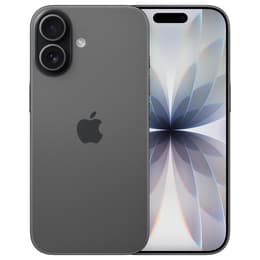
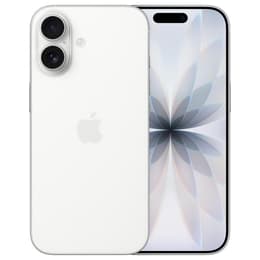
The basic model, with the lowest price; ideal for users who aren't fussed about top-tier performance and want a relatively compact device | |
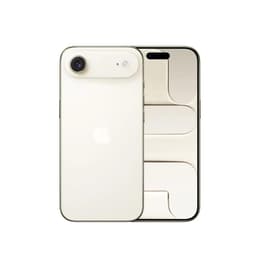
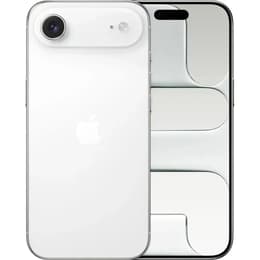
A large-screen model with a 6.5-inch display, weighing 165g and just 5.64mm thick, making it easy to carry; downsides include a single-camera setup and a smaller battery capacity | |
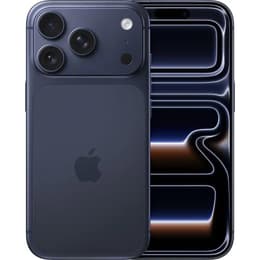
Equipped with the more powerful A19 Pro chip; also features improved telephoto camera resolution and optical-quality zoom | |
Shares the same camera performance as the Pro model, with the best battery life of any iPhone to date; however, its size and weight make one-handed use difficult |
The standard model is the most popular in the iPhone 17 lineup, and compared to the iPhone 16 at the same storage capacity, the iPhone 17 is around A$100 cheaper. With all other models having gone up in price, the standard iPhone 17 remains relatively affordable to buy.
Refurbished price:A$1,089.00
Versus A$1,499.00 new

- (1)
Refurbished price:A$1,250.00
Versus A$1,399.00 new
- (1)
Refurbished price:A$1,250.00
Versus A$1,399.00 new
- (2)
Refurbished price:A$1,609.00
Versus A$1,999.00 new
Refurbished price:A$1,649.00
Versus A$1,999.00 new
Refurbished price:A$1,783.98
Versus A$2,199.00 new
- (1)
Refurbished price:A$1,799.00
Versus A$1,999.00 new
Refurbished price:A$1,899.00
Versus A$2,199.00 new
Refurbished price:A$1,899.00
Versus A$2,599.00 new
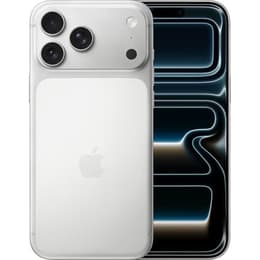
Refurbished price:A$1,899.00
Versus A$2,199.00 new
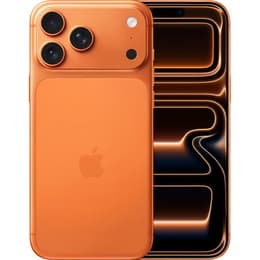
- (1)
Refurbished price:A$2,049.00
Versus A$2,399.00 new
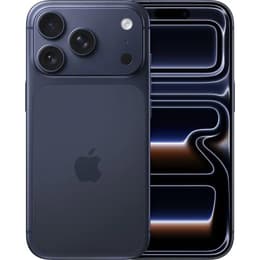
Refurbished price:A$2,079.00
Versus A$2,599.00 new
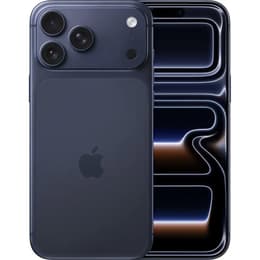
Refurbished price:A$2,099.00
Versus A$2,599.00 new
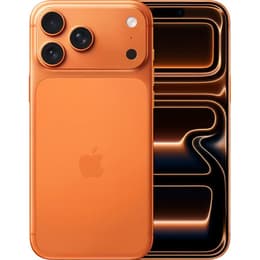
iPhone 17 Series Specs and Performance Comparison
Here is a full overview of the iPhone 17 series specifications in the table below. We'll break down each spec in detail, but it's worth getting a broad sense of the key differences between each model first.
Note on the iPhone Air: although the iPhone Air was released alongside the other iPhone 17 series models, Apple does not officially refer to it as "iPhone 17 Air". This article follows the same convention and refers to it simply as iPhone Air.
Display Size / Refresh Rate | 6.3" / up to 120Hz | 6.5" / up to 120Hz | 6.3" / up to 120Hz | 6.9" / up to 120Hz |
Resolution | 2622 x 1206 (460 ppi) | 2736 x 1260 (460 ppi) | 2622 x 1206 (460 ppi) | 2868 x 1320 (460 ppi) |
Peak Brightness | 3,000 nits (outdoor) | 3,000 nits (outdoor) | 3,000 nits (outdoor) | 3,000 nits (outdoor) |
Dimensions | H: 149.6mm W: 71.5mm D: 7.95mm Weight: 177g | H: 156.2mm W: 74.7mm D: 5.64mm Weight: 165g | H: 150.0mm W: 71.9mm D: 8.75mm Weight: 206g | H: 163.4mm W: 78.0mm D: 8.75mm Weight: 233g |
RAM | 8 GB | 12 GB | 12 GB | 12 GB |
Storage | 256GB / 512GB | 256GB / 512GB / 1TB | 256GB / 512GB / 1TB | 256GB / 512GB / 1TB / 2TB |
Processor | A19 | A19 Pro | A19 Pro | A19 Pro |
Camera | Wide: 48MP Ultrawide: 48MP | Wide: 48MP | Wide: 48MP Ultrawide: 48MP Telephoto: 48MP | Wide: 48MP Ultrawide: 48MP Telephoto: 48MP |
Optical Zoom | Up to 2x | Up to 2x | Up to 8x equivalent | Up to 8x equivalent |
Battery Life | Up to 30 hours video playback | Up to 27 hours video playback | Up to 33 hours video playback | Up to 39 hours video playback |
Colours | White / Black / Lavender / Sage / Mist Blue | Cloud White / Space Black / Sky Blue / Light Gold | Silver / Deep Blue / Cosmic Orange | Silver / Deep Blue / Cosmic Orange |
Charging Connector | USB-C (USB 2) | USB-C (USB 2) | USB-C (USB 3) | USB-C (USB 3) |
SIM | eSIM only | eSIM only | eSIM only | eSIM only |
iPhone 17 Series New Features and Changes: What's Different from the iPhone 16 Series?
Let's take a closer look at what the iPhone 17 series can do and what has improved compared to the iPhone 16 series. When comparing the iPhone 17 and iPhone 16 series, improvements in display, camera, and processor performance stand out, while some users consider the iPhone 16 series to still offer perfectly adequate specs.
Lineup Differences: The New iPhone Air Model

In previous iPhone lineups, the standard models included the base model and the Plus model, along with the iPhone mini series (which was discontinued from the iPhone 14 series onwards). With the iPhone 17 series, however, a brand new Air model has been introduced, featuring the same lightweight feel that the mini series was known for.
As detailed further below, the iPhone Air is a large-screen model similar to the Plus, but thinner and lighter. Before its release, leaked information suggested it would be called the "Slim" model, but Apple ultimately went with the "Air" naming convention, consistent with the MacBook Air lineup.
Design and Spec Differences: Improvements in the iPhone 17 Series
Compared to the iPhone 16 Series, here is a breakdown of where the iPhone 17 series stands out. While it brings across-the-board improvements, there are some downsides too, such as the removal of physical SIM card support and the discontinuation of the 128GB storage option, which raises the entry price.
iPhone 17 Series | iPhone 16 Series | |
Design | Non-standard models feature a new rear camera bar; top-tier models introduce brand-new colours like Cosmic Orange | Largely unchanged from previous generations; premium models come in metallic colours |
Display | All models support up to 120Hz refresh rate; Ceramic Shield 2 improves durability | Base models limited to 60Hz refresh rate |
Size | Base model: 6.3" / Air model: 6.5" | Base model: 6.1" / Plus model: 6.7" |
Camera | Camera Control button retained; front camera improved; telephoto camera on Pro models upgraded in resolution and optical zoom quality | Camera Control button on all models (lower resolution than iPhone 17 series) |
Processor | A19 / A19 Pro chips; Air and Pro models come with 12GB RAM | A18 / A18 Pro chips; all models come with 8GB RAM |
Battery | Longer battery life on all models except the Air; faster charging also improved | Overall battery improvement compared to the
|
SIM | eSIM only; dual SIM supported | Physical SIM and eSIM, or dual eSIM |
Connectivity | Wi-Fi 7 / Bluetooth 6 | Wi-Fi 7 / Bluetooth 5.3 |
Storage | Minimum storage increased to 256GB across all models; Pro Max goes up to 2TB | Minimum 128GB (except Pro Max); Pro/Pro Max up to 1TB |
Price | All models except the base model increased by approx. ¥5,000–¥15,000 | Unchanged compared to the iPhone 15 series |
A subtle but notable change in the iPhone 17 series is the upgrade to Bluetooth 6. While everyday use cases such as wireless earphone connectivity won't be noticeably different, Bluetooth 6 brings improved communication efficiency and precision compared to the previous Bluetooth 5.3 standard.
As for eSIM-only support, some users may see this as a drawback, but for those already using eSIM it won't be an issue at all. The iPhone 17 and iPhone Air now support 120Hz refresh rates, which were previously exclusive to Pro models, and the improved front camera performance across the lineup has also been well received.
Similarities Between the iPhone 17 Series and iPhone 16 Series: iPhone 16 Is Still a Great Choice for Overall Performance
Reviews of the iPhone 17 series highlight its best-ever processor performance and the improved refresh rate on base models, but some feedback also notes that the overall spec changes aren't dramatic, with a few critics pointing to the new rear camera bar design as underwhelming.
Apple's AI feature, Apple Intelligence, is also available on the iPhone 16 series, and the previous generation chips (A18 / A18 Pro) offer more than enough power to run it. For users who were hoping for a more significant leap forward, the iPhone 17 series may feel like a modest upgrade, making the now-previous-generation iPhone 16 series an appealing and more affordable alternative.
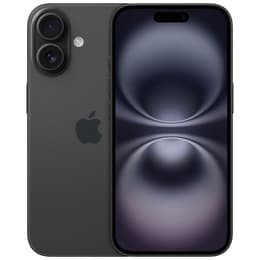
- (73)
Refurbished price:A$1,140.00
Versus A$1,799.00 new
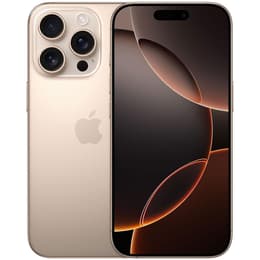
- (86)
Refurbished price:A$1,140.00
Versus A$1,799.00 new
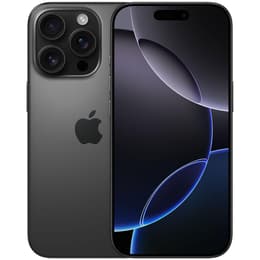
- (47)
Refurbished price:A$1,280.00
Versus A$2,149.00 new
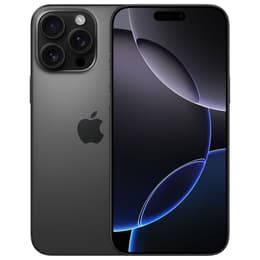
- (46)
Refurbished price:A$1,309.00
Versus A$2,149.00 new
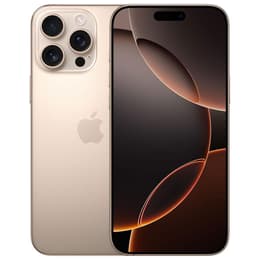
- (76)
Refurbished price:A$955.00
Versus A$1,399.00 new
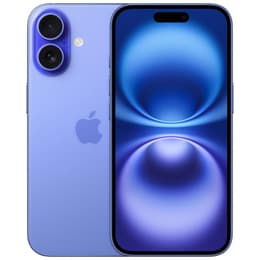
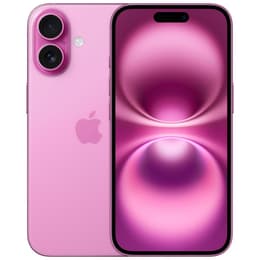
- (17)
Refurbished price:A$957.78
Versus A$1,599.00 new

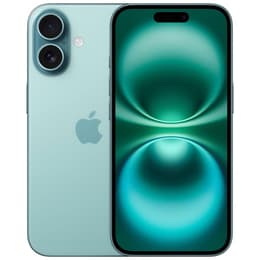
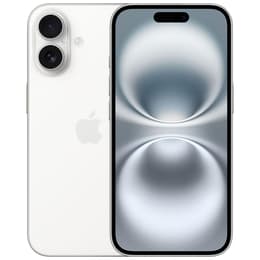
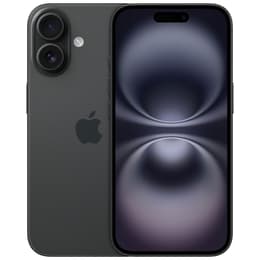
- (3)
Refurbished price:A$1,008.78
Versus A$1,599.00 new

- (12)
Refurbished price:A$1,029.00
Versus A$1,599.00 new
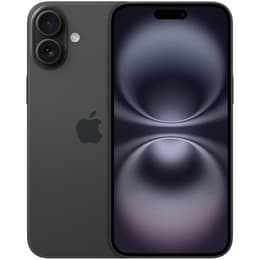
- (40)
Refurbished price:A$1,049.58
Versus A$1,599.00 new
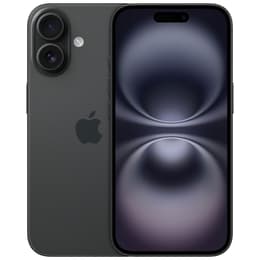
- (38)
Refurbished price:A$1,049.58
Versus A$1,599.00 new
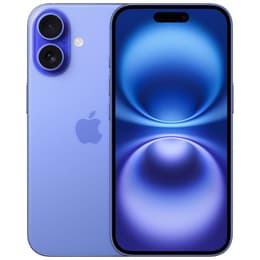
- (6)
Refurbished price:A$1,054.00
Versus A$1,599.00 new

iPhone 17 Series Design and Colour Lineup Comparison
Even within the standard models of the iPhone 17 series, there are colour differences between the base model and the Air model. The Pro models also see a departure from the metallic look of previous generations.
iPhone 17 Series Design Highlights
Each model has its own distinct design direction, as summarised in the table below. The base iPhone 17 is not drastically different from the iPhone 16, and without a camera bar, its appearance closely follows the traditional iPhone design language.
iPhone 17 | iPhone Air | iPhone 17 Pro / Pro Max | |
Frame | Aluminium | Titanium | Aluminium |
Rear Glass / Camera Bar | Unchanged from previous series (colour-infused glass) | Strengthened glass: Ceramic Shield; camera bar included | Strengthened glass: Ceramic Shield; camera bar included |
Colour Character | Soft, muted tones similar to the
| Brighter options like Sky Blue and Light Gold compared to the base model | Fewer colour options than previous Pro / Pro Max models |
The iPhone Air and iPhone 17 Pro / Pro Max models feature a prominent camera bar, and the adoption of Ceramic Shield on the rear glass also brings improved durability.
It's also worth noting that while the iPhone 16 series used a titanium frame on its Pro models, the iPhone 17 series reserves titanium for the lightweight-focused Air model, with other models returning to aluminium. As a result, the iPhone 17 Pro and Pro Max share the same screen size as their predecessors but are slightly heavier.
iPhone 17 Series Colour Options and Lineup

The available colour options across the iPhone 17 series differ between the base model, the Air model, and the Pro models. Compared to the iPhone 16 series colour lineup, here is a breakdown of which colours carried over and which are new.
Carried Over from Previous Series | New / Changed Colours | |
iPhone 17 | White / Black | Lavender / Sage / Mist Blue |
iPhone Air | Cloud White / Space Black (previously White and Black on the iPhone 16 Plus) | Sky Blue / Light Gold |
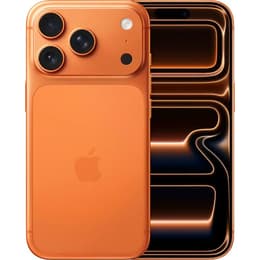
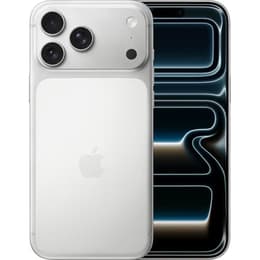
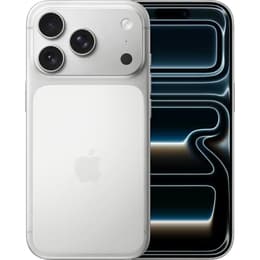
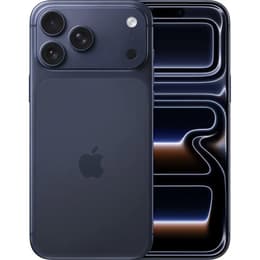
iPhone 17 Pro / Pro Max | None (all new colours) | Silver / Deep Blue / Cosmic Orange |
The iPhone 17's new Lavender and Mist Blue shades have been well received, giving off a pastel, soft, and gentle impression. The iPhone Air offers a slightly different take on the basics: Cloud White leans more towards silver, while Space Black delivers a deeper, more intense black. Space Black in particular pairs beautifully with the titanium frame and works well in professional settings.
Opinions on the iPhone 17 Pro and Pro Max colours are mixed. Deep Blue and Silver are safe, understated choices, while the new Cosmic Orange is bold and highly saturated, making it a love-it-or-leave-it option depending on personal taste.
iPhone 17 Series Screen Size and Device Dimensions Comparison
The iPhone 17 series differs across models in terms of screen size and physical dimensions. For a comparison that includes older models, refer to the iPhone size comparison guide.
iPhone 17 Series Screen Size Comparison
The screen sizes for the iPhone 17 series are listed below. Compared to the iPhone 16 model, the base iPhone 17 sees its display grow from 6.1 inches to 6.3 inches. The Air model comes in at 6.5 inches, slightly smaller than the iPhone 16 Plus.
Screen Size | Resolution | Pixel Density | |
iPhone 17 | 6.3" | 2622 x 1206 | 460 ppi |
iPhone Air | 6.5" | 2736 x 1260 | 460 ppi |
iPhone 17 Pro | 6.3" | 2622 x 1206 | 460 ppi |
iPhone 17 Pro Max | 6.9" | 2868 x 1320 | 460 ppi |
iPhone 17 Series Physical Dimensions and Weight Comparison
The physical dimensions and weight of the iPhone 17 series are listed below. All models except the iPhone Air are slightly heavier and larger than their predecessors. Weight is one of the key differentiators between the iPhone 17 Pro and iPhone 17 Pro Max, and for those who prioritise one-handed usability, the iPhone 17 Pro is the recommended choice.
Dimensions | Weight | |
iPhone 17 | 149.6mm x 71.5mm x 7.95mm | 177g |
iPhone Air | 156.2mm x 74.7mm x 5.64mm | 165g |
iPhone 17 Pro | 150.0mm x 71.9mm x 8.75mm | 206g |
iPhone 17 Pro Max | 163.4mm x 78.0mm x 8.75mm | 233g |
iPhone Air Stands Out as a Large-Screen yet Lightweight and Slim Model
Large-screen smartphones are popular not just among recent iPhone models, but across the smartphone market as a whole. With growing use cases such as photography, video recording, and mobile gaming, bigger displays are increasingly preferred.
However, large-screen devices come with trade-offs: they can be bulky, heavy, and difficult to carry or fit in a pocket. This is exactly where the new iPhone Air shines. Despite its 6.5-inch display, it achieves a remarkably light 165g and an ultra-slim 5.64mm profile, making it an unprecedented step forward in this category. Unless you have specific concerns about its single-camera setup or the audio quality from its mono speaker, the iPhone Air is well worth considering.
Refurbished price:A$1,089.00
Versus A$1,499.00 new
For a Light and Easy-to-Carry Option, the SE and Mini Series Are Also Worth Considering
That said, some reviews have pointed out that while pre-release leaks suggested a weight of around 145g, the iPhone Air actually comes in at 165g, which isn't all that much lighter than the iPhone 17 (177g), leading some to question whether the Air model truly lives up to its promise.
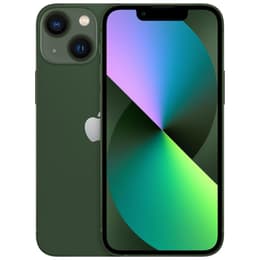
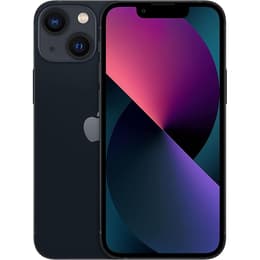
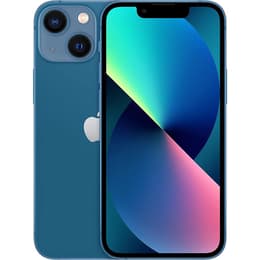
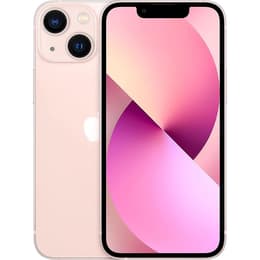
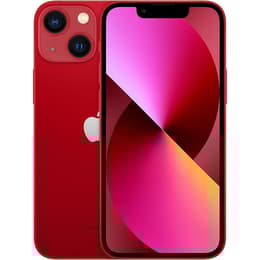
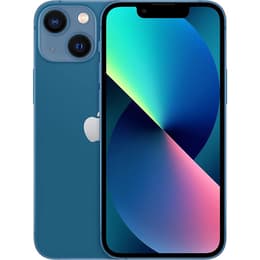
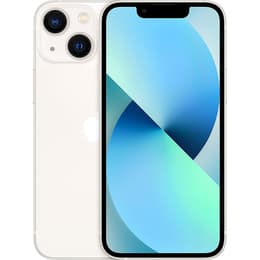
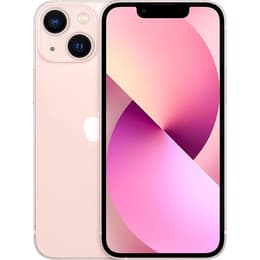
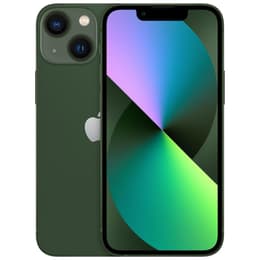
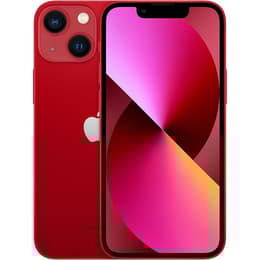
Older iPhone models tend to offer better one-handed usability, and there is still strong demand for refurbished options such as the high-performing iPhone 13 mini, as well as the popular iPhone SE (3rd generation) with its home button and Touch ID. Compact smartphones are also a popular choice among younger users, and refurbished models make them available at a much more affordable price.
- (1,256)
Refurbished price:A$377.00
Versus A$1,049.00 new
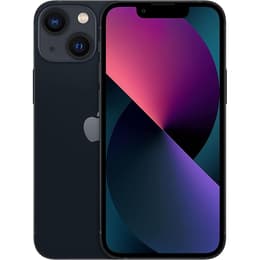
- (1,259)
Refurbished price:A$420.00
Versus A$1,049.00 new
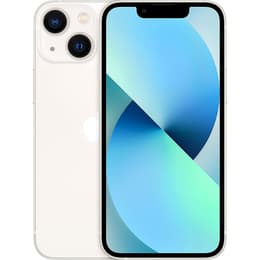
- (1,247)
Refurbished price:A$421.00
Versus A$1,049.00 new
- (1,252)
Refurbished price:A$456.58
Versus A$1,219.00 new
- (1,255)
Refurbished price:A$395.00
Versus A$1,049.00 new
- (1,260)
Refurbished price:A$397.00
Versus A$1,049.00 new
- (1,260)
Refurbished price:A$448.00
Versus A$1,049.00 new
- (1,247)
Refurbished price:A$455.58
Versus A$1,219.00 new
- (1,250)
Refurbished price:A$455.58
Versus A$1,219.00 new
- (1,237)
Refurbished price:A$456.58
Versus A$1,219.00 new
- (1,227)
Refurbished price:A$706.00
Versus A$1,219.00 new
- (1,210)
Refurbished price:A$707.00
Versus A$1,219.00 new
iPhone 17 Series Display Performance Comparison
One of the long-standing criticisms of the iPhone lineup compared to Android smartphones has been the lower refresh rate on base models. While the Galaxy series and Google Pixel series have commonly offered 90Hz or 120Hz refresh rates even on standard and budget models, iPhone base models up to the iPhone 16 series were limited to 60Hz.
All Models, Including Base Models, Now Support up to 120Hz Refresh Rate
With the iPhone 17 series, ProMotion technology is no longer exclusive to the Pro and Pro Max models. The base iPhone 17 and Air model now also support up to 120Hz refresh rates.
A higher refresh rate has a significant impact on the smoothness of scrolling and in-app gaming. Previously, top refresh rate performance in the iPhone lineup was limited to Pro models, but with the iPhone 17 series, even the base model delivers a satisfying experience for gaming enthusiasts.
Base and Air Models Now Support Always-On Display
The Always-On Display feature, previously exclusive to Pro models starting from the iPhone 14 Pro and Pro Max, is now available across the entire iPhone 17 series.
Always-On Display allows clocks, calendars, and other selected apps to remain visible even when the screen is idle. Combined with the significantly improved battery life of the iPhone 17 series, the battery-intensive Always-On Display is much more practical to use.
Improved Peak Brightness: Up to 3,000 Nits Outdoors
Across all iPhone 17 models, the outdoor peak brightness has been upgraded from the previous 2,000 nits to a new maximum of 3,000 nits. While 2,000 nits was already quite readable, the improvement further enhances screen visibility in bright outdoor conditions.
Compared to other Android flagships, this sits at an average level: the Google Pixel 10 Pro reaches up to 3,300 nits and the Galaxy S25 Ultra up to 2,600 nits, placing the iPhone 17 series in a competitive range.
Improved Screen Durability: Ceramic Shield 2 Display
All iPhone 17 models feature the new Ceramic Shield 2 display. Compared to the original Ceramic Shield found in previous models, it offers 3x better scratch resistance and 4x better crack resistance. While a screen protector is still recommended to avoid surface scratches, the display is noticeably more durable and harder to break.
The iPhone Air also benefits from a titanium frame, ensuring sufficient durability even in its ultra-slim form factor.
To summarise the display performance: aside from screen size, the specs are consistent across all models in the series, meaning even the base iPhone 17 delivers strong display performance. Even users who prioritise high refresh rates for gaming will find the iPhone 17 more than satisfying.
Refurbished price:A$1,089.00
Versus A$1,499.00 new
- (1)
Refurbished price:A$1,250.00
Versus A$1,399.00 new
- (1)
Refurbished price:A$1,250.00
Versus A$1,399.00 new
- (2)
Refurbished price:A$1,609.00
Versus A$1,999.00 new
Refurbished price:A$1,649.00
Versus A$1,999.00 new
Refurbished price:A$1,783.98
Versus A$2,199.00 new
- (1)
Refurbished price:A$1,799.00
Versus A$1,999.00 new
Refurbished price:A$1,899.00
Versus A$2,199.00 new
Refurbished price:A$1,899.00
Versus A$2,599.00 new
Refurbished price:A$1,899.00
Versus A$2,199.00 new
- (1)
Refurbished price:A$2,049.00
Versus A$2,399.00 new
Refurbished price:A$2,079.00
Versus A$2,599.00 new
Refurbished price:A$2,099.00
Versus A$2,599.00 new
iPhone 17 Series Camera Performance Comparison
The iPhone 17 series camera performance sees improvements in front camera and telephoto camera resolution, and all models now support Dual Capture, enabling new shooting possibilities. The iPhone 17 Pro and Pro Max cameras are geared towards creators looking to shoot and edit high-quality video.
Differences Between the Base, Air, and Pro Models in the iPhone 17 Series
In previous iPhone lineups, the base and Pro models often shared the same camera specs within their tier, but the iPhone 17 series introduces distinct camera configurations between the base model and the Air model.
Specifically, the iPhone Air comes with a single-camera setup, while the iPhone 17 Pro and Pro Max feature a more powerful telephoto camera with up to 8x optical-quality zoom. The iPhone 17 Pro and Pro Max share identical camera specs with each other.
iPhone 17 | iPhone Air | iPhone 17 Pro / Pro Max | |
Number of Cameras | Dual | Single | Triple |
Main Camera | 48MP | 48MP | 48MP |
Ultrawide Camera | 48MP | - | 48MP |
Telephoto Camera | - | - | 48MP |
Front Camera | 18MP | 18MP | 18MP |
Image Stabilisation | Sensor-shift OIS (main camera) | Sensor-shift OIS | 2nd-gen sensor-shift OIS (main) / 3D sensor-shift OIS (telephoto) |
Macro / Spatial Photo & Video | Supported | Not supported | Supported |
Telephoto Focal Length | - | - | 200mm |
Dual Capture | Supported | Supported | Supported |
Video Features | Up to 4K 60fps, Cinematic mode, Action mode, etc. | Up to 4K 60fps, Action mode, etc. | Log video, Spatial video, Up to 4K 60fps, ProRes, Cinematic mode, Action mode, etc. |
Optical Zoom | Up to 2x | Up to 2x | Up to 8x equivalent |
Digital Zoom | Up to 10x | Up to 10x | Up to 40x |
Improved Front Camera Across All iPhone 17 Models: Centre Frame and More
The front camera across the iPhone 17 series has been upgraded from 12MP to 18MP, with the following new features added:
Centre Frame for photos and video calls
Video with ultra-stable stabilisation
Dual Capture
Centre Frame allows for landscape-oriented selfies even when holding the phone vertically. The new Dual Capture feature also enables simultaneous video recording with both the front and rear cameras.
iPhone 17 Base Model Also Gets 48MP Ultrawide Camera
While the 48MP ultrawide camera was previously exclusive to Pro models in the iPhone 16 series, the base iPhone 17 now also features an upgraded ultrawide camera, jumping from 12MP to 48MP.
The telephoto camera remains absent, but the overall camera performance is now much closer to the Pro models. The base iPhone 17 is also priced lower than the equivalent iPhone 16 for the same storage capacity, and its clean, camera-bar-free design is proving popular, making it one of the standout models in the lineup.
iPhone 17 Pro / Pro Max Supports Up to 8x Optical-Quality Zoom

Optical zoom has also improved in the Pro models, increasing from 5x to 8x compared to the previous generation. Pre-release leaks suggested this might be exclusive to the Pro Max, but in practice the iPhone 17 Pro offers the same capability, making the Pro model a more compelling choice.
Note: To be precise, the iPhone 17 Pro and Pro Max have a focal length of 100mm, giving a native optical zoom of up to 4x. The 8x figure is achieved through 2x crop zoom, delivering optical-quality zoom equivalent to 8x.
Additional new camera features exclusive to the iPhone 17 Pro and Pro Max include ProRes RAW video recording (a first for smartphones), Apple Log 2 support for wider colour gamut video capture, and Genlock support for precise video synchronisation, all of which are powerful tools for creators. Thermal management has also been addressed, as discussed further below, with improvements to the overheating issues that had been a concern in previous Pro and Pro Max models, ensuring stable performance even during extended 4K video recording sessions.
iPhone 17 Pro / Pro Max Supports USB 3: Faster Transfer of Large Video Files and More
Relating to video performance, the iPhone 17 Pro and Pro Max also benefit from USB 3 connectivity, enabling fast transfer of large data files. From the iPhone 15 series onwards, Apple switched from Lightning to USB Type-C, and the Pro models can now transfer data at up to approximately 20x the speed of previous generations.
Video files captured on the Pro and Pro Max models can easily reach 10 to 100GB, meaning transfers to an iPad or MacBook can take considerable time. The iPhone 17 and iPhone Air use USB 2, which offers the same transfer speed as Lightning-based models, so if you frequently manage video files across multiple devices, the iPhone 17 Pro or Pro Max is the better fit.
What Are the Downsides and Concerns with the iPhone 17 Series Camera?
The iPhone 17 series undoubtedly offers the best camera performance of any iPhone to date, making it an attractive option for professionals who need to shoot high-quality photos and videos for business, as well as influencers who frequently take selfies for social media. That said, there are a few things worth noting about the camera specs.
The iPhone Air Has a Single Camera and Falls Short of the Base Model
With the removal of the ultrawide camera on the iPhone Air, its camera specs are not too far from single-camera models such as the iPhone SE series or the iPhone 16e. Compared to the iPhone 17, it makes wide landscape shots more difficult and does not support macro photography or spatial photo/video capture.
In terms of camera performance alone, the iPhone Air is inferior to the iPhone 17, so users who frequently take photos and videos may find the single-camera setup limiting.
Many Users Don't End Up Using the Camera Control Button
The Camera Control button introduced with the iPhone 16 series offers the ability to adjust zoom, change Photographic Styles, and fine-tune tones using a physical button, similar to a dedicated camera.
While this appeals to users who prefer a DSLR-like experience, many find it awkward to press the shutter when holding the phone vertically, or simply don't see the benefit of using a physical button for actions that can already be done on screen. Users who are comfortable controlling camera settings through the touchscreen may find that models without the Camera Control button, such as the iPhone 15 series, suit them just as well.
Limited Noticeable Difference in Functionality: Older Models Still Offer Sufficient Performance
For everyday photography, the specs can feel like overkill. Reviews suggest that many users don't notice a meaningful difference from the improved ultrawide resolution on the iPhone 17 or the higher optical-quality zoom on the Pro models.
Honestly, the camera performance on previous-generation models, such as the iPhone 16 series, is already highly regarded and capable across a wide range of shooting scenarios. For a camera-focused ranking of iPhone models by performance, refer to our dedicated guide.
- (73)
Refurbished price:A$1,140.00
Versus A$1,799.00 new
- (86)
Refurbished price:A$1,140.00
Versus A$1,799.00 new
- (58)
Refurbished price:A$1,102.90
Versus A$1,799.00 new
- (46)
Refurbished price:A$1,102.90
Versus A$1,799.00 new
- (76)
Refurbished price:A$1,140.00
Versus A$1,799.00 new
- (78)
Refurbished price:A$1,140.00
Versus A$1,799.00 new
- (6)
Refurbished price:A$1,149.00
Versus A$1,799.00 new
- (73)
Refurbished price:A$1,230.00
Versus A$1,799.00 new
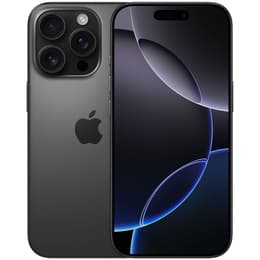
- (83)
Refurbished price:A$1,273.98
Versus A$1,999.00 new
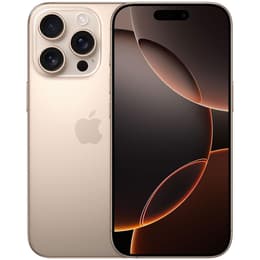
- (58)
Refurbished price:A$1,294.78
Versus A$1,999.00 new
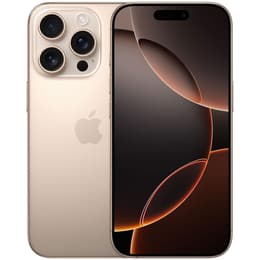
- (80)
Refurbished price:A$1,389.00
Versus A$1,999.00 new
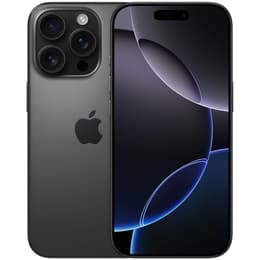
- (84)
Refurbished price:A$1,391.00
Versus A$1,999.00 new
- (63)
Refurbished price:A$1,409.00
Versus A$1,999.00 new
- (72)
Refurbished price:A$1,549.00
Versus A$2,349.00 new
iPhone 17 Series Processor and CPU Performance Comparison
Processor performance continues to improve year on year, and the iPhone 17 series features the latest chips. The Pro models also benefit from an improved cooling system, ensuring stable performance even under heavy workloads.
iPhone 17 Series Processors: A19 and A19 Pro Chips
The processor configuration across the iPhone 17 series is as follows. Only the base model uses the A19 chip, while the Air, Pro, and Pro Max models all run on the A19 Pro. All models except the base iPhone 17 also see RAM upgraded from 8GB to 12GB.
iPhone 17 | iPhone Air | iPhone 17 Pro | iPhone 17 Pro Max | |
Chip | A19 | A19 Pro | A19 Pro | A19 Pro |
RAM | 8GB
(corrected) | 12GB | 12GB | 12GB |
Core Count | 6-core CPU / 5-core GPU | 6-core CPU / 5-core GPU | 6-core CPU / 6-core GPU | 6-core CPU / 6-core GPU |
iPhone 17 Series Benchmark Score Comparison
The benchmark scores for the iPhone 17 series below are based on data from the third-party site nanoreview.net. All models achieve an AnTuTu Benchmark score of over 2,000,000, which is exceptionally high, and even the base model delivers impressive performance.
iPhone 17 | iPhone Air | iPhone 17 Pro | iPhone 17 Pro Max | |
Geekbench 6 (Single-core) | 3,730 | 3,736 | 3,781 | 3,933 |
Geekbench 6 (Multi-core) | 9,382 | 9,737 | 9,553 | 10,223 |
AnTuTu Benchmark 10 | 2,300,150 | 2,116,925 | 2,707,681 | 2,600,719 |
One thing worth noting: the iPhone Air, despite running the higher-tier A19 Pro chip, scores lower than the iPhone 17 on AnTuTu Benchmark. The slim, lightweight design and titanium frame make the iPhone Air more prone to heat build-up, which can affect real-world processing speed.
iPhone 17 Pro / Pro Max Feature Improved Thermal Management with Vapour Chamber
The iPhone 17 Pro and Pro Max introduce a newly developed vapour chamber, enabling more efficient heat management and reducing overheating during extended gaming sessions or video recording. The use of reinforced aluminium further enhances the cooling system's effectiveness.
Previous iPhone models were known to heat up significantly after just tens of minutes of gaming or video recording and editing, sometimes causing the camera to shut down involuntarily and making extended high-quality video recording difficult. The iPhone 17 Pro and Pro Max address this issue with notably improved thermal performance. Both models achieve AnTuTu Benchmark scores of over 2,500,000, reflecting their considerable processing power, with the Pro model reaching the highest score in the lineup. (corrected)
Refurbished price:A$1,089.00
Versus A$1,499.00 new
- (1)
Refurbished price:A$1,250.00
Versus A$1,399.00 new
- (1)
Refurbished price:A$1,250.00
Versus A$1,399.00 new
- (2)
Refurbished price:A$1,609.00
Versus A$1,999.00 new
Refurbished price:A$1,649.00
Versus A$1,999.00 new
Refurbished price:A$1,783.98
Versus A$2,199.00 new
- (1)
Refurbished price:A$1,799.00
Versus A$1,999.00 new
Refurbished price:A$1,899.00
Versus A$2,199.00 new
Refurbished price:A$1,899.00
Versus A$2,599.00 new
Refurbished price:A$1,899.00
Versus A$2,199.00 new
- (1)
Refurbished price:A$2,049.00
Versus A$2,399.00 new
Refurbished price:A$2,079.00
Versus A$2,599.00 new
Refurbished price:A$2,099.00
Versus A$2,599.00 new
iPhone 17 Series Battery Capacity and Life Comparison
Battery performance is always a key consideration with any new iPhone, and the iPhone 17 series delivers improved battery life across most models, with the exception of the iPhone Air. Fast charging has also seen improvements.
iPhone 17 Series Battery Capacity and Life Compared
The battery capacity and life for the iPhone 17 series are as follows. Even the base model offers up to 30 hours of video playback, while the Pro and Pro Max models last even longer.
Battery Capacity | Video Playback | Video Streaming | |
iPhone 17 | 3,692 mAh | Up to 30 hours | Up to 27 hours |
iPhone Air | 3,149 mAh | Up to 27 hours (up to 40 hours with MagSafe Battery) | Up to 22 hours (up to 35 hours with MagSafe Battery) |
iPhone 17 Pro | 4,252 mAh | Up to 33 hours | Up to 20 hours |
iPhone 17 Pro Max | 5,088 mAh | Up to 39 hours | Up to 35 hours |
iPhone Air Gets Its Own Dedicated MagSafe Battery
The iPhone Air's slim form factor comes with a trade-off: a smaller battery capacity. To address this, Apple has introduced a dedicated MagSafe Battery for the iPhone Air.
As shown in the table above, using the MagSafe Battery extends video playback by a significant margin, up to 40 hours. This is reassuring for heavy users on the go, but it does raise some questions: the bulk and weight of the MagSafe Battery affect the sleek look of the device, and it seems somewhat counterintuitive to attach a heavy battery pack to a phone that is marketed for being thin and light. The ability to attach the battery only when needed is a genuine advantage, but the MagSafe Battery does come with its own practical limitations. Ultimately, how much value you place on battery life will determine whether the iPhone Air is the right choice for you.
iPhone 17 Series Also Improves Fast Charging: Up to 50% in 20 Minutes
Fast charging has improved on the base iPhone 17 and the Pro / Pro Max models, though not on the iPhone Air. With a 40W adapter, you can charge up to 50% in just 20 minutes.
The iPhone Air falls behind here, matching the iPhone 16 series with up to 50% charge in 30 minutes. There is also a difference in MagSafe charging speeds: the Air supports up to 20W, while the other models support up to 25W.
iPhone 17 Series Price and Storage Comparison
Pricing was a talking point from the moment the iPhone 17 series was announced. With the minimum storage capacity increasing across the lineup, prices are higher than previous generations overall. Refurbished iPhone 17 models will gradually become more available, but if you're looking for a more affordable option, a previous-generation model is recommended.
iPhone 17 Series Launch Pricing and Storage Options
The table below shows Apple Store Australia retail prices for the iPhone 17 series. The iPhone 17 series storage options have also changed from previous models, with the 128GB option discontinued across the entire lineup, making 256GB the new minimum for all models.
iPhone 17 | iPhone Air | iPhone 17 Pro | iPhone 17 Pro Max | |
256GB | A$1,399 | A$1,799 | A$1,999 | A$2,199 |
512GB | A$1,799 | A$2,199 | A$2,399 | A$2,599 |
1TB | - | A$2,599 | A$2,799 | A$2,999 |
2TB | - | - | - | A$3,799 |
The iPhone 17 Pro Max also introduces a brand new 2TB storage option. This is ideal for storing large volumes of 4K video footage directly on the device, though it comes with a premium price tag.
Refurbished iPhone 16 Series Prices Compared
If the iPhone 17 series pricing feels out of budget, a previous-generation refurbished model is a great alternative. Back Market offers refurbished devices at competitive prices. Below are the lowest available prices for iPhone 16 series refurbished models on Back Market Australia as of 14 July 2026.
128GB | A$950 | A$1,024 | A$1,128 | - |
256GB | A$1,141 | A$1,389 | A$1,397 | A$1,350 |
512GB | A$1,279 | - | A$1,649 | Sold out |
1TB | - | - | - | A$2,499 |
The iPhone 16 series (except the Pro Max) is available from 128GB, which brings the entry price lower than the iPhone 17 series. For users who don't heavily use video recording or gaming apps, 128GB is more than sufficient.
Other models such as the iPhone 15 series and iPhone 14 series are also popular refurbished options for those who prioritise price over cutting-edge performance. For pricing and availability, check out the full refurbished iPhone lineup on Back Market Australia.
- (76)
Refurbished price:A$955.00
Versus A$1,399.00 new
- (40)
Refurbished price:A$1,049.58
Versus A$1,599.00 new
- (38)
Refurbished price:A$1,049.58
Versus A$1,599.00 new
- (29)
Refurbished price:A$1,149.00
Versus A$1,599.00 new
- (40)
Refurbished price:A$1,189.00
Versus A$1,599.00 new
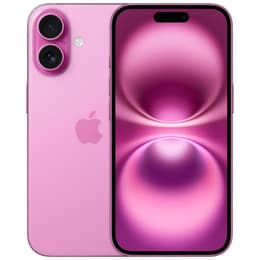
- (78)
Refurbished price:A$1,199.00
Versus A$1,599.00 new
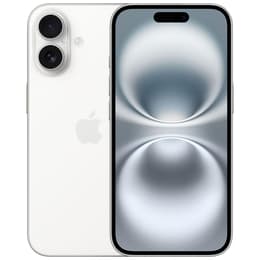
iPhone 17 Series Model Comparison Summary
After reviewing the comparisons and differences across the iPhone 17 series, it's worth narrowing down your choice based on what matters most to you. For a safe, well-rounded option, the base model is the top recommendation, as the other models come with trade-offs in terms of design or price.
Best Value Pick: iPhone 17 Base Model, the Most Popular Choice
The iPhone 17 is the standard entry-level model in the lineup, but it comes with a significant number of improvements over previous base models. It earns strong marks across the board, with a 48MP ultrawide camera, up to 30 hours of battery life, up to 120Hz refresh rate, and the capable A19 chip providing more than sufficient processing power.
It also retains the traditional, clean iPhone design without a rear camera bar, making it ideal for users who prefer the classic look. While the entry price has increased compared to the iPhone 16, the iPhone 17 is actually cheaper when compared at the same storage capacity, making it excellent value for money and one of the most popular models in the lineup.
The iPhone Air is an ultra-slim 5.64mm device, coming in at 165g, which is slightly lighter than the base model. While the battery capacity is smaller, the A19 Pro chip's improved power efficiency means the rated battery life is on par with the iPhone 16 Plus.
There are some negative reviews, particularly around the visual imbalance between the phone's slim profile and the prominent camera bar. However, for users who feel the design justifies the A$1,799 starting price, it is well worth considering. If you prioritise looks over practicality in areas such as battery, camera, and speaker quality, the iPhone Air is the one for you.
Refurbished price:A$1,089.00
Versus A$1,499.00 new
If Processor and Camera Performance Are Your Priority: iPhone 17 Pro, Built for Creators
The iPhone 17 Pro offers up to 8x optical-quality zoom and improved thermal management, making it much easier to shoot high-quality video for extended periods. Compared to the iPhone 17 Pro Max, it has the advantage of a lower price and lighter weight.
Battery life has also improved over the iPhone 16 Pro, making it a great choice for users who frequently shoot photos and videos on the go, or those who want to enjoy gaming at the highest performance levels. However, with the 128GB storage option discontinued, the entry price has increased, starting from A$1,999 at the Apple Store Australia.
For Maximum Battery Life and a Large Screen: iPhone 17 Pro Max, Great for Gaming and Creative Use Too
The iPhone 17 Pro Max shares the same processor and camera performance as the Pro model, but stands out with its 6.9-inch display and superior battery life. As the top-of-the-range model in the iPhone 17 lineup, the Pro Max delivers exceptional specs that hold up across both personal and professional use.
That said, the iPhone 17 Pro Max comes with a premium price tag and questionable value for money compared to the Pro. It is also more expensive than the iPhone 16 Pro Max, so it's worth carefully considering whether you genuinely need everything it offers. Creators who frequently shoot and edit long-form video may also need to opt for 512GB or 1TB storage, which pushes the price even higher, starting from A$2,599 and A$2,999 respectively at the Apple Store Australia.
Refurbished price:A$1,089.00
Versus A$1,499.00 new
- (1)
Refurbished price:A$1,250.00
Versus A$1,399.00 new
- (1)
Refurbished price:A$1,250.00
Versus A$1,399.00 new
- (2)
Refurbished price:A$1,609.00
Versus A$1,999.00 new
Refurbished price:A$1,649.00
Versus A$1,999.00 new
Refurbished price:A$1,783.98
Versus A$2,199.00 new
- (1)
Refurbished price:A$1,799.00
Versus A$1,999.00 new
Refurbished price:A$1,899.00
Versus A$2,199.00 new
Refurbished price:A$1,899.00
Versus A$2,599.00 new
Refurbished price:A$1,899.00
Versus A$2,199.00 new
- (1)
Refurbished price:A$2,049.00
Versus A$2,399.00 new
Refurbished price:A$2,079.00
Versus A$2,599.00 new
Refurbished price:A$2,099.00
Versus A$2,599.00 new
Things to Know Before Upgrading to the iPhone 17 Series
For those considering switching to the iPhone 17 series, here is a summary of key things to be aware of, including the move to eSIM and choosing the right storage capacity for each model.
Users on a Physical SIM Card Will Need to Switch to eSIM
If you currently use a physical SIM card and are planning to upgrade to the iPhone 17 series, the easiest option is to use Quick Start or eSIM Quick Transfer during the initial setup. Depending on your carrier, many major Australian providers support switching from a physical SIM to eSIM directly from your iPhone.
eSIM is a convenient feature that has become increasingly common, particularly for mobile data access when travelling internationally. Even if you have only ever used a physical SIM card, you'll likely find eSIM just as easy, if not easier, to use once you try it. For step-by-step guidance on switching to eSIM, refer to your carrier's support resources.
iPhone Air: Concerns Around Battery, Heat, and Audio Quality
The iPhone Air generated significant buzz at launch as an unprecedented ultra-slim and lightweight device, but in practice it has proven less popular than the base model and the Pro lineup. Reports from late 2025 indicated that production volumes were already being scaled back.
The slim design is not a feature that many iPhone users actively seek out, and the trade-offs, including a smaller battery, mono speaker audio quality, and a tendency to run warmer under load, have weighed against it. Processing performance is also slightly lower than the iPhone 17 in real-world use due to heat management constraints.
Storage Cannot Be Changed After Purchase: Choose the Right Capacity From the Start
While the minimum storage for the iPhone 17 series has increased to 256GB, this is more than sufficient for most users. However, if you frequently download video content for offline viewing or shoot long-form video, you may want to consider 512GB or 1TB.
When choosing iPhone storage capacity, it's important to consider your usage habits carefully. Storage cannot be upgraded after purchase, and running your device at or near its maximum capacity can lead to performance issues and unexpected errors. It's always a good idea to leave yourself some breathing room.
Comparing the iPhone 17 Series with Other Generations
While the iPhone 17 series brings overall spec improvements, many users may not feel a strong reason to choose the latest model. If any of the following apply to you, it may be worth looking at a previous-generation model instead:
You don't care about the latest chip or processor performance differences
You rarely use the camera in your day-to-day life
You're not a fan of the rear camera bar or the new colour options
Refurbished previous-generation iPhones are a popular choice on Back Market, offering high performance at a significantly lower price, even models that are a few generations old.
Comparing the iPhone 17 Series with the iPhone 16 Series
As covered earlier in this article, the iPhone 16 series is well regarded for the following reasons. While the iPhone 17 series has dropped physical SIM support, previous-generation models like the iPhone 16 series still have a SIM slot, allowing you to make calls and use mobile data with a physical SIM card.
High-performance processor:
The A18 and A18 Pro chips offer more than sufficient processing power
Long battery life:
Improved over the iPhone 15 series
Strong camera performance:
Camera Control button featured across all models
AI features:
Apple Intelligence available on all models
SIM compatibility:
Physical SIM supported (dual SIM with eSIM, or dual eSIM also available)
Compared to the iPhone 17 series, the iPhone 16 series does fall short on refresh rate for base models and telephoto camera performance on Pro models, but it still delivers flagship-level specs across the board. With the release of the iPhone 17 series, refurbished iPhone 16 prices have also come down, making them an even better value proposition.
- (73)
Refurbished price:A$1,140.00
Versus A$1,799.00 new
- (86)
Refurbished price:A$1,140.00
Versus A$1,799.00 new
- (47)
Refurbished price:A$1,280.00
Versus A$2,149.00 new
- (46)
Refurbished price:A$1,309.00
Versus A$2,149.00 new
- (76)
Refurbished price:A$955.00
Versus A$1,399.00 new
- (17)
Refurbished price:A$957.78
Versus A$1,599.00 new
- (3)
Refurbished price:A$1,008.78
Versus A$1,599.00 new
- (12)
Refurbished price:A$1,029.00
Versus A$1,599.00 new
- (40)
Refurbished price:A$1,049.58
Versus A$1,599.00 new
- (38)
Refurbished price:A$1,049.58
Versus A$1,599.00 new
- (6)
Refurbished price:A$1,054.00
Versus A$1,599.00 new
Comparing the iPhone 17 Series with the iPhone 16e
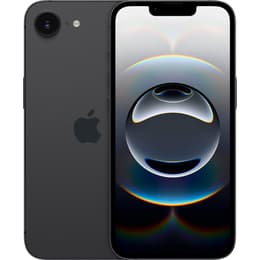
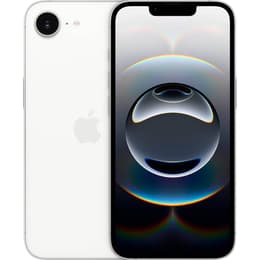
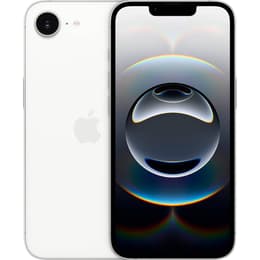
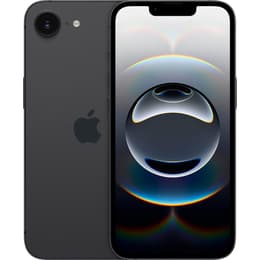
2025 also saw the release of the iPhone 16e, a more affordable option within the iPhone 16 lineup. The iPhone 16e review highlights its lower retail price point, while still featuring the same A18 chip as the iPhone 16 and full support for Apple Intelligence.
As it is based on the iPhone 14 design, there are some notable differences compared to the iPhone 17, including a notch (no Dynamic Island support) and a single-camera setup similar to the iPhone Air, which means reduced camera performance. That said, its lower price compared to the iPhone 17 series, combined with even more affordable refurbished pricing on Back Market, has driven growing demand for this model. For a detailed side-by-side breakdown, refer to our comparison guide on the iPhone 17 vs iPhone 17e vs iPhone 16e.
- (84)
Refurbished price:A$779.00
Versus A$1,199.00 new
- (96)
Refurbished price:A$829.00
Versus A$1,199.00 new
Comparing the iPhone 17 Series with the iPhone 15 Series
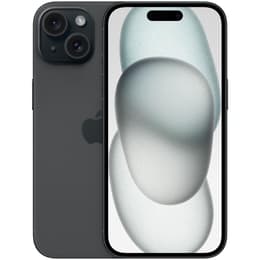
The 2023 iPhone 15 series matches the iPhone 17 series on the following specs:
USB-C connector: Pro models support USB 3 for faster data transfer
Main camera resolution: 48MP across all models
Pro and Pro Max models support Apple Intelligence
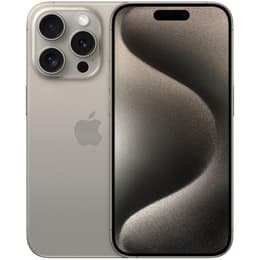
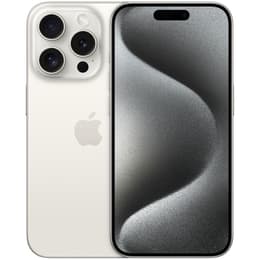
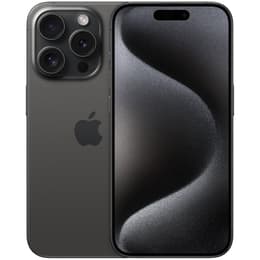
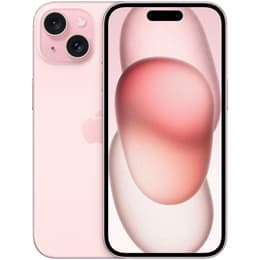
The iPhone 15 series introduced USB Type-C, which brings the convenience of using the same charging cable as other Apple devices such as iPad and MacBook. While it doesn't feature the Camera Control button, all models come with a 48MP main camera, delivering more than adequate performance for everyday photos and videos.
👉 Find out more about the iPhone 15 series camera performance here!
The differences between the iPhone 16 and iPhone 15 series have been covered in detail elsewhere, but for general and casual users, the iPhone 15's specs are more than capable. Refurbished stock is growing, and the Pro and Pro Max models offer higher performance along with Apple Intelligence support.
- (383)
Refurbished price:A$699.00
Versus A$1,249.00 new
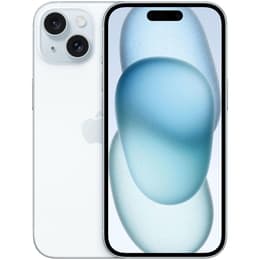
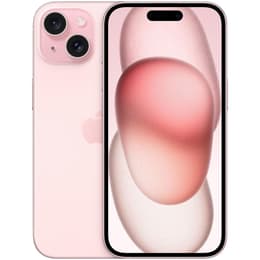
- (68)
Refurbished price:A$740.00
Versus A$1,399.00 new
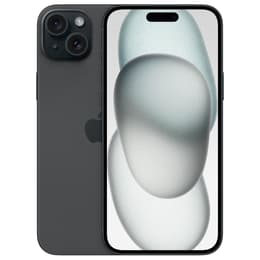
- (223)
Refurbished price:A$878.00
Versus A$1,849.00 new
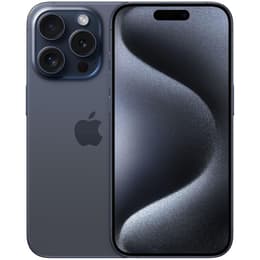
- (97)
Refurbished price:A$1,039.00
Versus A$2,199.00 new
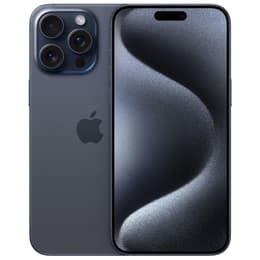
- (379)
Refurbished price:A$699.00
Versus A$1,249.00 new
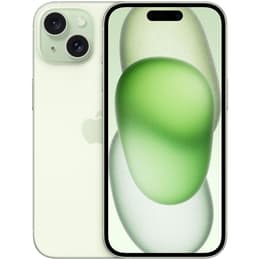
- (393)
Refurbished price:A$757.08
Versus A$1,449.00 new
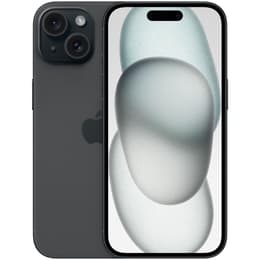
- (63)
Refurbished price:A$778.00
Versus A$1,399.00 new
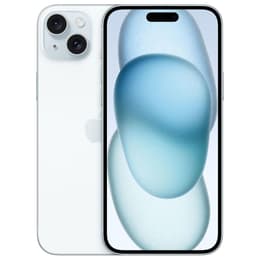
- (217)
Refurbished price:A$860.00
Versus A$1,849.00 new
- (221)
Refurbished price:A$862.00
Versus A$1,849.00 new
- (225)
Refurbished price:A$906.78
Versus A$1,849.00 new
- (214)
Refurbished price:A$945.00
Versus A$2,049.00 new
- (218)
Refurbished price:A$947.58
Versus A$2,049.00 new
- (114)
Refurbished price:A$1,068.00
Versus A$2,199.00 new
Comparing the iPhone 17 Series with the iPhone 14 Series
For users looking to spend even less on their next iPhone, or those who plan to upgrade again in two to three years and don't need the latest specs, the refurbished iPhone 14 series offers excellent value at a lower price point.
As covered in the iPhone 15 vs iPhone 14 comparison, the iPhone 14 series does come with some trade-offs, including a Lightning connector, a 12MP main camera on base models, and no Apple Intelligence support. That said, battery life is comparable to the iPhone 15 series, with the base model delivering up to 20 hours of video playback.
Refurbished iPhone 14 models are available on Back Market Australia from A$450, representing a significant saving on the original retail price. If price is your top priority, the iPhone 14 series is a great option. iPhones tend to have a long lifespan, and the 2022 iPhone 14 is expected to receive the latest iOS updates through to around 2029.
- (959)
Refurbished price:A$495.00
Versus A$1,049.00 new
- (964)
Refurbished price:A$479.00
Versus A$1,049.00 new
- (963)
Refurbished price:A$450.00
Versus A$1,049.00 new
- (226)
Refurbished price:A$500.00
Versus A$1,249.00 new
- (132)
Refurbished price:A$678.00
Versus A$1,899.00 new
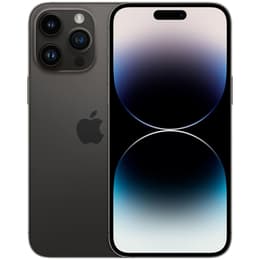
- (343)
Refurbished price:A$692.90
Versus A$1,749.00 new
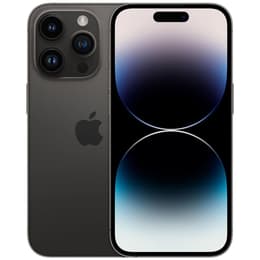
- (129)
Refurbished price:A$709.56
Versus A$1,899.00 new
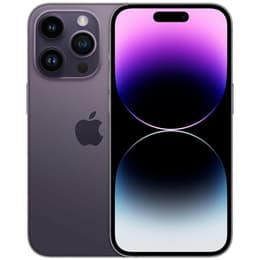
- (326)
Refurbished price:A$743.58
Versus A$1,899.00 new
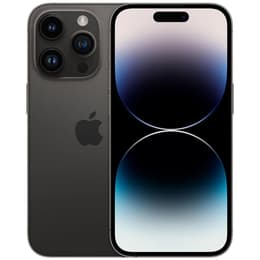
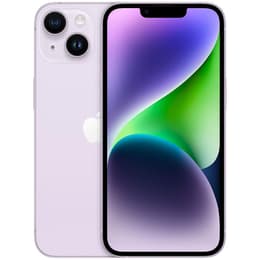
- (918)
Refurbished price:A$514.00
Versus A$1,049.00 new
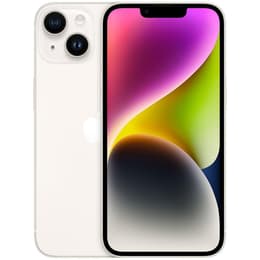
- (950)
Refurbished price:A$529.00
Versus A$1,049.00 new
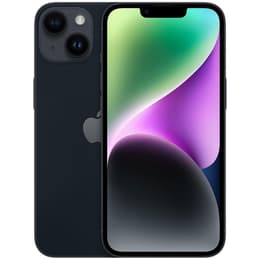
- (950)
Refurbished price:A$529.00
Versus A$1,049.00 new
Previous-Generation iPhones Available at a Great Price on Back Market!
Back Market specialises in refurbished devices, and if you're not yet familiar with what "refurbished" means, you're not alone. Refurbished iPhones aren't just cheaper than new, they also offer consistent quality and excellent value for money, making them a smart choice when you're looking to upgrade without breaking the bank.
The Difference Between Refurbished, New, and Second-Hand Devices
Refurbished and second-hand devices are often confused, but they're not the same thing. Unlike second-hand items that are simply resold as-is, refurbished devices go through thorough inspection, cleaning, and where necessary, repairs and parts replacement, so that every device is verified to function like new before it goes on sale.
Second-hand iPhones are often sold with existing faults or worn-out batteries, and buying from individual sellers on marketplace apps comes with no quality guarantee, no easy returns, and no exchanges. Refurbished is the smarter, safer alternative.
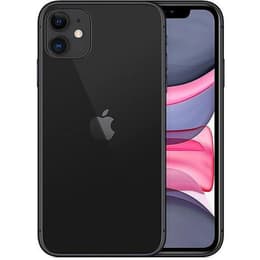
Every refurbished device on Back Market comes with a 12-month performance warranty and a 30-day money-back guarantee. A new battery option is also available for those who want the best possible battery performance, giving you a device that feels brand new at a fraction of the price.
If you're concerned about cosmetic condition, you can opt for Grade A or Premium Grade devices. Premium Grade refurbished iPhones on Back Market use only genuine parts, come with a battery capacity of 90% or above, and represent the best condition available in refurbished stock.
While the iPhone 17 series is attracting plenty of attention as the latest release, previous-generation iPhones offer more than enough performance for most users, and buying refurbished is one of the best ways to get great value.
- (959)
Refurbished price:A$495.00
Versus A$1,049.00 new
- (964)
Refurbished price:A$479.00
Versus A$1,049.00 new
- (383)
Refurbished price:A$699.00
Versus A$1,249.00 new
- (1,392)
Refurbished price:A$285.00
Versus A$1,049.00 new
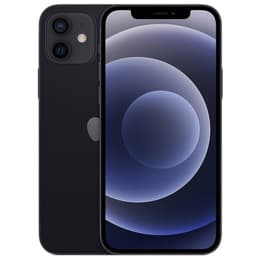
- (394)
Refurbished price:A$494.12
Versus A$1,119.00 new
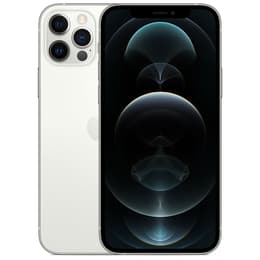
- (1,510)
Refurbished price:A$396.00
Versus A$1,099.00 new
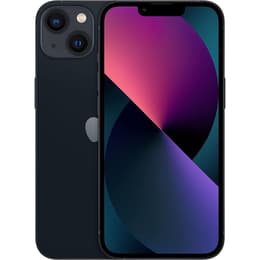
- (963)
Refurbished price:A$450.00
Versus A$1,049.00 new
- (2,311)
Refurbished price:A$166.00
Versus A$719.00 new
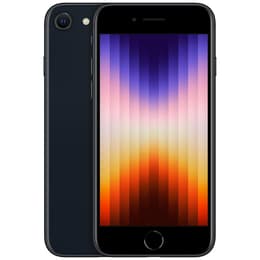
- (68)
Refurbished price:A$740.00
Versus A$1,399.00 new
- (223)
Refurbished price:A$878.00
Versus A$1,849.00 new
- (97)
Refurbished price:A$1,039.00
Versus A$2,199.00 new
- (39)
Refurbished price:A$121.15
Versus A$279.00 new
- (1,460)
Refurbished price:A$157.00
Versus A$529.00 new
Back Market Also Offers an iPhone Trade-In Service!
In addition to selling refurbished devices, Back Market Australia also offers a Trade-In service. There are many trade-in services out there, but Back Market's offers the following key benefits:
Get an offer from a professional refurbisher in as little as 2 minutes
Ship your device for free
Receive cash directly into your bank account
Whether you're selling for the first time or a seasoned upgrader, Back Market's Trade-In is safe, simple, and hassle-free. A wide range of iPhone models are eligible, from the iPhone 7 series all the way through to the latest iPhone 16 series, including the iPhone 16e.
👉 Find out how much your iPhone is worth on Back Market Trade-In
iPhone 17 Series: Frequently Asked Questions
Here is a summary of frequently asked questions about the differences and model options within the iPhone 17 series, including comparisons between the base and Pro models, and the budget-friendly model expected in 2026.
Q: Which is more popular, the iPhone 17 or the iPhone 17 Pro?
A: The iPhone 17 Pro is praised for its 48MP telephoto camera, up to 33 hours of video playback battery life, and the powerful A19 Pro chip, making it the preferred choice for those who prioritise flagship performance.
That said, overall popularity and demand is higher for the base iPhone 17. At A$1,399 versus A$1,999 for the Pro, you save A$600 at the Apple Store Australia, while still sharing many of the same specs, including front camera and display performance. The base model offers excellent value for money.
Q: Which is more capable, the iPhone 17 or the iPhone 16 Pro?
A: The previous-generation iPhone 16 Pro is surprisingly close to the iPhone 17 in terms of battery life and processor performance, and shares the same 6.3-inch display size. If you don't need a telephoto camera, the iPhone 17 is the safer and more straightforward choice.
However, the iPhone 16 Pro features a 12MP telephoto camera with up to 5x optical zoom and a premium titanium frame with excellent durability, all of which are highly regarded. If camera performance matters to you, picking up a refurbished iPhone 16 Pro on Back Market is well worth considering.
Q: Is the budget iPhone 17e also worth considering?
A: The iPhone 17e was released in March 2026 as the budget option in the iPhone 17 lineup. Compared to the iPhone 16e, it brings improvements including a more powerful processor, MagSafe wireless charging support, and improved display durability thanks to Ceramic Shield 2.
While the overall look and feel is closer to the standard iPhone 17, the iPhone 17e is only available in three colours (White, Black, and Soft Pink), still uses a single-camera setup with lower shooting performance than the iPhone 17, and retains a 60Hz refresh rate with the same peak brightness as the iPhone 16e. If you want a solid all-round spec level, the base iPhone 17 is still the better recommendation.
Refurbished price:A$1,089.00
Versus A$1,499.00 new
- (1)
Refurbished price:A$1,250.00
Versus A$1,399.00 new
- (1)
Refurbished price:A$1,250.00
Versus A$1,399.00 new
- (2)
Refurbished price:A$1,609.00
Versus A$1,999.00 new
Refurbished price:A$1,649.00
Versus A$1,999.00 new
Refurbished price:A$1,783.98
Versus A$2,199.00 new
- (1)
Refurbished price:A$1,799.00
Versus A$1,999.00 new
Refurbished price:A$1,899.00
Versus A$2,199.00 new
Refurbished price:A$1,899.00
Versus A$2,599.00 new
Refurbished price:A$1,899.00
Versus A$2,199.00 new
- (1)
Refurbished price:A$2,049.00
Versus A$2,399.00 new
Refurbished price:A$2,079.00
Versus A$2,599.00 new
Refurbished price:A$2,099.00
Versus A$2,599.00 new