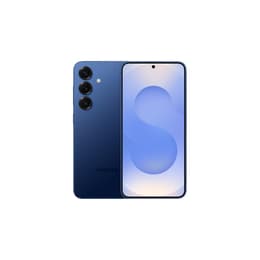
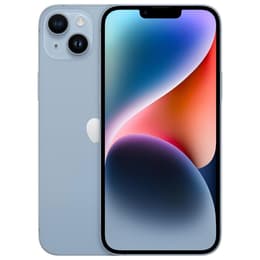

Galaxy S25 vs iPhone 14 Plus

Galaxy S25
Galaxy S25
Starting at

Refurbished price:A$855.00

Versus A$1,399.00 new

See options
iPhone 14 Plus
iPhone 14 Plus
Starting at

Refurbished price:A$486.00

Versus A$1,249.00 new

See options

Ratings

The Samsung Galaxy S25 (2025) and the Apple iPhone 14 Plus (2022) represent distinct approaches to the large-screen smartphone experience. While the Galaxy S25 operates on the Android platform, offering a modern feature set and extensive software support, the iPhone 14 Plus runs on iOS, focusing on a streamlined user experience and robust battery performance. These devices cater to different preferences in operating systems, design philosophies, and core functionalities.

Scores

Durability

The longevity of a smartphone is influenced by its build quality and the duration of software support it receives. Both devices offer robust construction and significant software update commitments.

  • Software Support: The Samsung Galaxy S25 is notable for its commitment to seven years of Android OS and security updates, extending its support until approximately 2032. This means it will receive major Android upgrades up to Android 22 or 23. The iPhone 14 Plus, released with iOS 16, typically receives iOS updates for five to six years from its launch, ensuring continued access to new features and security patches for a considerable period.
  • Physical Durability: The iPhone 14 Plus features a Ceramic Shield front cover, a glass back, and an aluminum design, contributing to its resistance against drops and scratches. The Galaxy S25 utilizes Gorilla Glass Victus 2 for its display and an aluminum frame, providing a high level of protection. Both models carry an IP68 rating, indicating resistance to dust and water immersion.
  • Practical Lifespan: Given their respective software support policies, the Galaxy S25 offers a longer guaranteed period for receiving the latest operating system features and security enhancements. However, both devices are built to last, and their practical lifespan can be extended through careful use and the option of quality-assured refurbished alternatives.

Release year

2025

2022

Operating system

Android

iOS

Foldable

No

No

Performance

Performance in smartphones is about how smoothly tasks are handled, from everyday app usage to more demanding activities like gaming and multitasking. The Galaxy S25 and iPhone 14 Plus approach this with different hardware and software optimizations.

  • Processing Power: The Samsung Galaxy S25 is equipped with a current-generation processor, designed to handle demanding applications and multitasking efficiently. This processor is also optimized for advanced artificial intelligence features, enhancing various user interactions and capabilities. The iPhone 14 Plus utilizes a powerful chip that delivers smooth performance for daily tasks, gaming, and video editing, with users reporting consistent responsiveness.
  • Memory and Storage: The Galaxy S25 comes with 12GB of RAM across all its models, supporting robust multitasking and app management. Storage options for the base S25 start at 128GB, with other models offering up to 1TB. The iPhone 14 Plus features 6GB of RAM and is available with 128GB, 256GB, or 512GB of internal storage.
  • Battery Behavior: The iPhone 14 Plus is widely recognized for its extended battery life, with many users reporting it can comfortably last through a full day of heavy use, and often into a second day with moderate usage. The Galaxy S25 offers a battery that typically provides a full day of mixed usage, with video playback times up to 29 hours.

Memory (GB)

12 GB

6 GB

Screen quality

The display is a primary interface for smartphone interaction, and both devices offer high-quality viewing experiences, albeit with some key differences in technology and specifications.

  • Display Technology and Resolution: The Galaxy S25 features a 6.2-inch Dynamic LTPO AMOLED 2X display with a resolution of 2340 x 1080 pixels, resulting in a pixel density of 416 ppi. The iPhone 14 Plus sports a larger 6.7-inch Super Retina XDR OLED display with a resolution of 2778 x 1284 pixels, offering a pixel density of 458 ppi. Both OLED panels deliver deep blacks and vibrant colors.
  • Brightness and Refresh Rate: The Galaxy S25 offers a high refresh rate of 120Hz, contributing to smoother scrolling and more fluid animations, along with a peak brightness of 2600 nits for excellent visibility in bright conditions. The iPhone 14 Plus operates at a standard 60Hz refresh rate and provides a typical brightness of 800 nits, with a peak HDR brightness of 1200 nits, which is generally sufficient for outdoor use.
  • Viewing Experience: The larger screen of the iPhone 14 Plus provides a more expansive canvas for media consumption and productivity. The Galaxy S25's slightly smaller size can make it more manageable for one-handed use for some users.

Resolution

1080x2340

1284 x 2778

Audiovisual

Camera capabilities are a significant factor for many users, and both the Galaxy S25 and iPhone 14 Plus offer advanced systems for capturing photos and videos.

  • Rear Camera Systems: The Samsung Galaxy S25 features a versatile triple rear camera setup, including a 50MP main sensor, a 12MP ultrawide lens with a 120-degree field of view, and a 10MP telephoto lens capable of 3x optical zoom. The iPhone 14 Plus is equipped with a dual-camera system on the rear, comprising a 12MP main camera with sensor-shift optical image stabilization and a 12MP ultrawide camera with a 120-degree field of view.
  • Photography Features: The Galaxy S25 integrates AI-powered editing tools to enhance image quality and offer creative options. The iPhone 14 Plus benefits from Apple's Photonic Engine for improved low-light performance, Smart HDR 4, and Photographic Styles. Both devices offer Portrait mode with depth control.
  • Video Capabilities and Front Camera: Both phones support high-quality video recording. The iPhone 14 Plus includes features like Action mode for stabilized video and Cinematic mode for depth-of-field effects in 4K HDR. Its 12MP TrueDepth front camera includes autofocus and a faster aperture for clearer selfies and video calls. The Galaxy S25 also features a 12MP front camera.

Miscellaneous

Beyond core performance and display, several practical elements contribute to the overall user experience and daily utility of these smartphones.

  • Connectivity and Ports: Both the Galaxy S25 and iPhone 14 Plus support 5G connectivity for fast mobile data speeds. The Galaxy S25 includes Wi-Fi 7 and Bluetooth 5.4, offering advanced wireless capabilities. The iPhone 14 Plus features Wi-Fi 6 and Bluetooth 5.3. For physical connections, the Galaxy S25 uses a USB-C 3.2 port, while the iPhone 14 Plus utilizes a Lightning port.
  • Biometrics and Sensors: The iPhone 14 Plus relies on Face ID for secure facial recognition. The Galaxy S25 incorporates an ultrasonic in-screen fingerprint sensor for biometric authentication. Both devices include an Ultra Wideband (UWB) chip for enhanced spatial awareness and precise location services.
  • Design and Handling: The Galaxy S25 has dimensions of approximately 146.9 x 70.5 x 7.2 mm and weighs around 162 grams, making it a more compact and lighter device. The iPhone 14 Plus measures 160.8 x 78.1 x 7.8 mm and weighs 203 grams, offering a larger screen experience that some users might find requires two-handed operation.

Weight

162 oz

203 oz

Screen size (in)

6.2

6,7

Network

5G

5G

SIM card

Physical SIM + eSIM

Physical SIM + eSIM

Carrier compatibility

Unlocked

Unlocked

The Samsung Galaxy S25 and iPhone 14 Plus cater to users with differing priorities, reflecting their distinct operating systems and design philosophies.

The Galaxy S25 is often praised for its cutting-edge Android features, including advanced AI capabilities and a versatile triple-camera system that includes a telephoto lens. Users appreciate its high refresh rate display for smooth interactions and Samsung's industry-leading commitment to seven years of software updates, ensuring long-term relevance. Some users of the base S25 model have noted that while battery life is generally good for a full day of mixed use, very heavy users might desire more endurance.

Conversely, the iPhone 14 Plus receives consistent acclaim for its exceptional battery life, often lasting well beyond a single day for many users. Its large OLED display provides an immersive viewing experience, and its camera system, while dual-lens, is highly regarded for its consistent quality and video features like Action mode. Criticisms sometimes point to its standard 60Hz display refresh rate and the absence of a dedicated telephoto lens, features found on some competing devices.

Users prioritizing the latest Android innovations, a high refresh rate screen, and a comprehensive camera setup with optical zoom, coupled with extensive software support, may find the Galaxy S25 aligns better with their needs. Those who value outstanding battery longevity, a large and vibrant display within the iOS ecosystem, and a reliable camera for everyday photography and video will likely lean towards the iPhone 14 Plus. Both devices offer a quality experience, and considering a quality-assured refurbished option for either model can be an eco-friendly alternative for making an informed choice.
See all articles

Our recent comparisons