
Compare models

Galaxy A56 vs iPhone Air

  • 1-year warranty
  • Free standard shipping
  • Free 30-day returns
Galaxy A56
Starting at

Refurbished price:A$384.00

Versus A$699.00 new

See options
iPhone Air
Starting at

Refurbished price:A$1,061.00

Versus A$1,899.00 new

See options

Differences at a glance

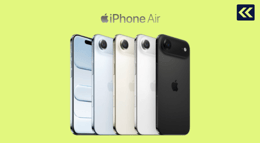
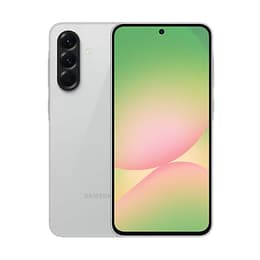
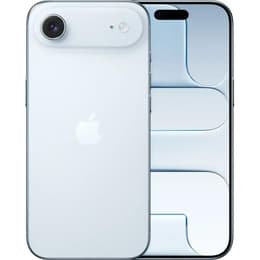
The Samsung Galaxy A56 (2025) and Apple iPhone Air (2025) are distinct smartphones designed to meet different user preferences within their respective device categories. While the Galaxy A56 focuses on balanced everyday capabilities running on Android, the iPhone Air prioritizes an ultra-slim profile within the Apple iOS ecosystem.

Available Models

Colour

Storage (GB)

Scores

Durability

Both devices feature modern hardware designed to remain functional for years, though their long-term software support frameworks and repair characteristics differ.

  • Software Support: The iPhone Air benefits from Apple's extended update cycles, whereas the Galaxy A56 relies on Samsung's multi-year update commitment for Android releases.
  • Build Integrity: Both models utilize durable exterior materials, though their contrasting physical designs influence how they handle long-term daily wear and tear.
  • Expected Lifespan: Users can expect dependable multi-year operational longevity from either platform depending on usage intensity and battery maintenance.

Release year

2025

2025

Operating system

Android

iOS

Foldable

No

No

Performance

System responsiveness and power handling vary between the two models due to their distinct hardware configurations and software optimization.

  • Multitasking: Both phones handle everyday tasks, web browsing, and app switching smoothly, though heavier gaming and demanding applications run with varying thermal efficiency.
  • Battery Behavior: The Galaxy A56 incorporates a larger capacity power cell designed for extended daily use, while the iPhone Air balances energy efficiency with a noticeably thinner profile.
  • Storage Configurations: Both devices offer ample internal storage tiers to accommodate apps, media, and documents without supporting expandable memory cards.

Screen quality

Display characteristics on both phones deliver sharp visuals, though panel technologies and peak brightness levels create different viewing experiences.

  • Display Technology: Both models utilize vibrant OLED panels with deep contrast levels, ensuring rich colors and sharp text rendering for media consumption.
  • Refresh Rate: Both screens support fluid high refresh rates for smooth scrolling through web pages and user interfaces.
  • Outdoor Visibility: High peak brightness capabilities on both displays allow for clear readability under bright sunlight conditions.

Resolution

1080x2340

2736x1260

Audiovisual

Optics and media playback capabilities cater to different photography habits and daily audio-visual needs.

  • Camera Systems: The Galaxy A56 features a versatile multi-lens rear array for various framing options, while the iPhone Air utilizes a streamlined single-lens high-resolution setup.
  • Video and Low-Light: Both devices capture detailed video footage and handle low-light environments effectively through advanced software processing.
  • Audio Output: Built-in speaker systems provide clear sound for hands-free calls and casual media streaming.

Miscellaneous

Physical dimensions and connectivity standards shape how each device fits into everyday routines and travel scenarios.

  • Portability: The iPhone Air emphasizes an exceptionally thin and lightweight chassis, whereas the Galaxy A56 maintains a more traditional thickness housing a larger battery.
  • Connectivity: Both models support modern 5G networks, fast Wi-Fi standards, and secure unlocking via biometrics.
  • Water Resistance: Each device includes official dust and water resistance ratings to protect against accidental splashes.

Weight

198 oz

165 oz

Screen size (in)

6.7

6.5

Network

5G

5G

SIM card

Physical SIM + eSIM

eSIM

Carrier compatibility

Unlocked

Unlocked

What the community thinks

User discussions and community feedback indicate that satisfaction with these devices depends heavily on individual workflow preferences. Users prioritizing a lightweight, ultra-thin form factor and long-term software continuity within the Apple ecosystem often lean toward the iPhone Air. Conversely, users seeking an expansive battery capacity and a traditional multi-lens camera setup on Android frequently find the Galaxy A56 well-suited to their daily requirements.

When acquiring either device, exploring a quality-assured refurbished option provides a sustainable choice that extends product life cycles while reducing electronic waste. Choosing a professionally tested pre-owned model allows consumers to access reliable mobile technology while supporting eco-friendly alternatives.