
Compare models

Galaxy S24 FE vs Google Pixel 9 Pro

  • 1-year warranty
  • Free standard shipping
  • Free 30-day returns
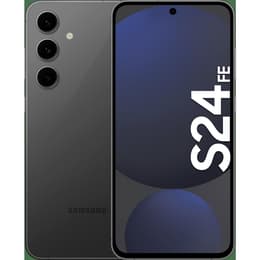
Galaxy S24 FE
Starting at

Refurbished price:A$566.00

Versus A$710.00 new

See options
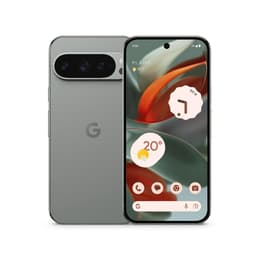
Google Pixel 9 Pro
Starting at

Refurbished price:A$720.00

Versus A$884.00 new

See options

Differences at a glance

The Samsung Galaxy S24 FE (2024) and the Google Pixel 9 Pro (2024) are prominent Android smartphones designed to deliver flagship-tier experiences through different hardware philosophies. While both devices run on the Android operating system and target users seeking modern features, they differ significantly in physical footprint, camera versatility, and internal configuration. Choosing between them depends on whether a larger screen or a more compact, photography-focused build is preferred.

Available Models

Colour

Storage

Scores

Durability

Both smartphones launched in late 2024 and feature robust software support lifecycles, ensuring multi-year usability and regular security updates. Hardware durability and update commitments shape their long-term value as sustainable choices.

  • Software Support: Both manufacturers provide extended operating system upgrade commitments spanning multiple years, keeping the software environment current well into the future.
  • Build Longevity: Each device incorporates durable glass and metal framing with official dust and water resistance ratings to withstand daily environmental exposure.
  • Repair Ecosystem: Standardized internal layouts and accessible components support professional maintenance, making a quality-assured refurbished option an eco-friendly alternative for long-term use.

Release year

2024

2024

Operating system

Android

Android

Foldable

No

No

Performance

Daily execution speeds and multitasking capabilities differ based on internal hardware choices, memory allocation, and thermal management strategies between the two models.

  • Multitasking and Responsiveness: Generous memory configurations on both devices ensure smooth transitions between demanding applications, rapid web browsing, and stable background task handling.
  • Battery Behavior: Battery capacities are closely matched, though daily endurance varies depending on screen size, display refresh dynamics, and individual usage patterns such as gaming or media streaming.
  • Storage Configuration: Multiple internal capacity tiers accommodate varying user needs for offline media, applications, and high-resolution file storage without external expansion slots.

Screen quality

Display characteristics shape everyday visual interactions, balancing panel dimensions, peak brightness, and fluid motion handling for various lighting conditions.

  • Display Technology: Advanced OLED panels deliver deep contrast levels, rich color reproduction, and wide viewing angles suitable for video playback and reading.
  • Refresh Rate and Fluidity: Adaptive refresh rates up to 120 hertz provide smooth scrolling through menus and responsive touch feedback during gaming or navigation.
  • Outdoor Visibility: High maximum brightness capabilities allow screens to remain legible under direct sunlight, while automatic ambient adjustments optimize viewing comfort indoors.

Resolution

1080x2340

1280x2856

Audiovisual

Optics and acoustic engineering dictate how each device handles multimedia creation, casual photography, and audio playback.

  • Camera Array Versatility: Multi-lens rear systems incorporate main, ultra-wide, and telephoto options to capture detailed landscapes, close-up subjects, and distant details.
  • Low-Light and Video Performance: Computational image processing stabilizes nighttime shots and produces steady video footage with clear audio recording via sensitive built-in microphones.
  • Media Consumption: Stereo speaker setups deliver balanced sound output for hands-free calls, podcasts, and casual video viewing without external speakers.

Miscellaneous

Physical dimensions, connectivity standards, and biometric security features define the ergonomic handling and daily utility of each smartphone.

  • Handling and Form Factor: The Galaxy S24 FE provides a larger workspace with an expansive display, whereas the Pixel 9 Pro offers a more compact, pocket-friendly footprint.
  • Connectivity Options: Comprehensive modern wireless standards, including 5G compatibility and advanced Wi-Fi protocols, ensure fast network speeds and reliable accessory pairing.
  • Security and Authentication: Responsive biometric sensors, such as under-display fingerprint readers and facial recognition, provide secure and immediate device unlocking.

Weight

213 oz

199 oz

Screen size (in)

6.7

6.3

Network

5G

5G

SIM card

Physical SIM + eSIM

Physical SIM + eSIM

Carrier compatibility

Unlocked

Unlocked

What the community thinks

Users prioritizing a larger screen for media consumption and gaming often find the Samsung Galaxy S24 FE well-suited to their daily routines. Conversely, individuals focusing on a compact physical footprint and advanced photographic flexibility frequently lean toward the Google Pixel 9 Pro. Both devices deliver robust performance and long-term software support, meaning the final decision rests primarily on preferred screen dimensions and handling preferences rather than raw capability gaps. Exploring quality-assured refurbished models provides a sustainable path to acquiring either device while reducing electronic waste.