iPhone
Compare models
Differences at a glance
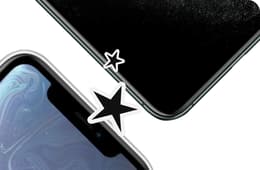
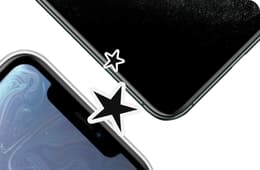
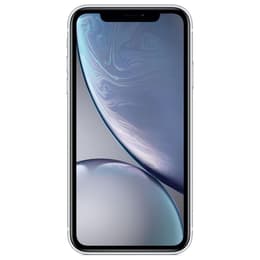
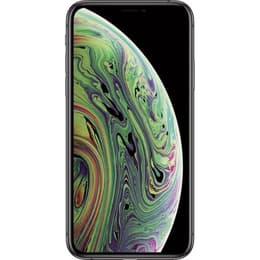
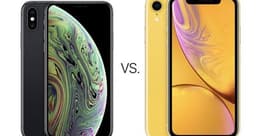
The iPhone XR and iPhone XS, both released in 2018, represent different approaches within Apple's smartphone lineup. While they share the same core processor and a similar design language, the iPhone XS offers a more advanced display and camera system, whereas the iPhone XR prioritizes battery longevity and a larger screen size. Both devices run on Apple's iOS operating system, ensuring a consistent software experience.
Colour
Storage (GB)
When considering the long-term usability of these devices, their release timeline and software support are key factors.
Release year
Compatible with latest Update
Operating system
Foldable
Both the iPhone XR and iPhone XS are equipped with the same internal processing unit, leading to comparable performance in many daily tasks.
The display is one of the most significant differentiators between the iPhone XR and iPhone XS, impacting visual experience and power consumption.
Resolution
Screen type
The camera systems of the iPhone XR and iPhone XS present distinct capabilities, particularly concerning rear photography.
Main camera
Front camera
Beyond core performance and display, several other features contribute to the overall user experience of these devices.
Weight
Screen size (in)
Network
SIM card
Carrier compatibility
Connector
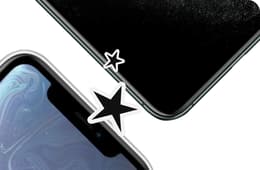
The iPhone XR and iPhone XS, both from the 2018 lineup, offer distinct advantages depending on user priorities. User feedback often highlights the iPhone XR's exceptional battery life as a major draw, with many reporting it comfortably lasting a full day or more, even for heavy users. Its larger screen size is also frequently praised for media consumption. However, some users note the iPhone XR's LCD display and thicker bezels as less premium compared to the XS.
Conversely, the iPhone XS is often lauded for its superior OLED display, which provides deeper blacks and more vibrant colors, enhancing the visual experience. Its dual-camera system, particularly the telephoto lens, is a significant advantage for those who value optical zoom and more versatile portrait photography. Criticisms of the iPhone XS often revolve around its comparatively shorter battery life.
For users prioritizing extended battery life and a larger display for everyday tasks and media viewing, the iPhone XR may be a more suitable choice. Its robust performance, shared with the XS, ensures a smooth experience. On the other hand, individuals who value a more compact form factor, a higher-resolution OLED display, and advanced camera capabilities, including optical zoom and more flexible Portrait Mode, will likely find the iPhone XS to be a better fit. Both models continue to offer a reliable iOS experience. Considering a quality-assured refurbished option for either device can be a sustainable choice for consumers.