
iPhone
Compare models
Differences at a glance
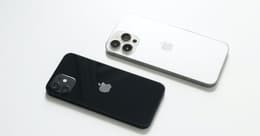
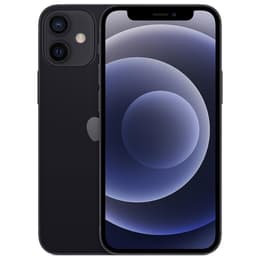
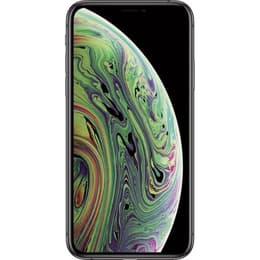
The iPhone 12 Mini (released in November 2020) and the iPhone Xs (released in September 2018) represent different generations of Apple's smartphone lineup, each catering to distinct user preferences. While both devices offer a premium iOS experience, the iPhone 12 Mini stands out with its notably more compact form factor and newer internal components, whereas the iPhone Xs provides a slightly larger display in a design that was once Apple's flagship. Both operate on Apple's iOS ecosystem, ensuring a consistent software experience, though the 12 Mini benefits from a more recent software update cycle.
Colour
Storage (GB)
Evaluating the practical lifespan of these devices involves considering their release dates, software support, and physical resilience.
Release year
The performance of a smartphone is largely determined by its internal processing capabilities and how efficiently it manages power and applications.
The visual experience on a smartphone is heavily influenced by its display technology, resolution, and overall brightness.
The camera systems on both iPhones are designed to capture high-quality images and videos, though they offer different strengths and features.
Beyond core specifications, several practical elements contribute to the overall user experience and device functionality.
Screen size (in)
Network
SIM card
Carrier compatibility
Connector
User sentiment for the iPhone Xs often highlights its robust performance for its generation, its premium build quality, and the quality of its OLED display. Many users appreciated its telephoto lens for versatile photography. Criticisms sometimes focused on its battery life compared to larger models of its era and the eventual phasing out of software updates as newer models were released. The iPhone 12 Mini is frequently praised for its unique compact size, offering a modern, full-screen experience in a form factor that is comfortable for one-handed use. Its advanced camera features like Night mode and 5G connectivity are also common points of appreciation. However, a frequent concern among users is its battery life, which, due to its small physical size, can be less enduring for heavy users compared to larger iPhones.
Users prioritizing a more compact and lightweight device with newer camera features, 5G connectivity, and a longer software support window may prefer the iPhone 12 Mini. Its smaller display is well-suited for those who value portability and ease of one-handed operation. Conversely, users who prefer a slightly larger screen without the need for 5G and are content with a still-capable camera system might find the iPhone Xs to be a suitable option. Both devices offer a quality-assured refurbished option, providing an eco-friendly alternative for consumers seeking reliable technology. The choice ultimately depends on individual priorities regarding size, advanced features, and expected longevity.