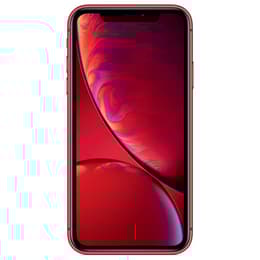

iPhone 12 vs iPhone XR

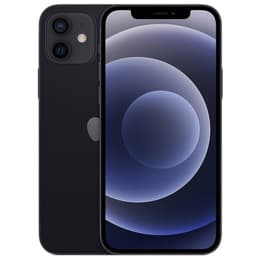
iPhone 12
iPhone 12
Starting at

Refurbished price:A$314.00

Versus A$1,049.00 new

See options
iPhone XR
iPhone XR
Starting at

Refurbished price:A$221.00

Versus A$589.00 new

See options

Ratings

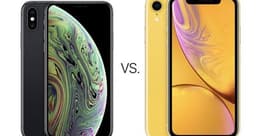
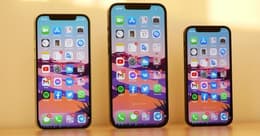
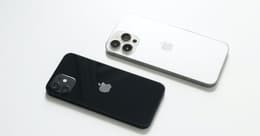
The iPhone 12, released in October 2020, and the iPhone XR, launched in October 2018, represent different generations within Apple's smartphone lineup. While both offer a familiar iOS experience, the iPhone 12 introduces an updated design, a more advanced display, and enhanced camera capabilities compared to its predecessor. Both devices run on Apple's iOS operating system, providing a consistent user interface and access to a wide ecosystem of applications.

Scores

Durability

The practical lifespan of a smartphone is often determined by its software support and physical durability. The iPhone 12, being a newer device, benefits from a longer expected period of major iOS updates compared to the iPhone XR.

  • Software Longevity: The iPhone 12 is expected to receive major iOS updates until at least 2027, potentially extending to 2028-2030 for security patches. In contrast, the iPhone XR received its final major iOS update with iOS 18 in 2023, though it continues to receive security updates.
  • Physical Durability: The iPhone 12 features a Ceramic Shield front cover, which offers improved drop performance compared to the glass used on the iPhone XR. Both models have water and dust resistance ratings, with the iPhone 12 rated IP68 (up to 6 meters for 30 minutes) and the iPhone XR rated IP67 (up to 1 meter for 30 minutes).
  • Repairability: While specific repairability scores can vary, both devices are designed with Apple's ecosystem in mind. Users considering a quality-assured refurbished option will find that both models are readily available, offering a sustainable choice for extending their device's life.

Release year

2020

2018

Compatible with latest Update

Yes

Yes

Operating system

iOS

iOS

Foldable

No

No

Performance

Performance in smartphones is driven by the internal processing unit and how efficiently it handles tasks, impacting everything from app loading to multitasking and gaming.

  • Processing Power: The iPhone 12 features a newer generation processor, which provides a noticeable improvement in speed and efficiency compared to the iPhone XR's processor. This translates to faster app launch times and smoother navigation.
  • Multitasking and Responsiveness: Users will experience more fluid multitasking on the iPhone 12, especially with demanding applications, due to its more capable internal components and increased memory. The iPhone XR, while still capable for everyday tasks, may show some slowdown with more intensive use or numerous apps open simultaneously.
  • Storage Options: Both devices offer similar storage configurations, typically starting at 64GB and going up to 256GB, providing ample space for apps, photos, and videos for most users.

Memory (GB)

4 GB

3 GB

Screen quality

The display is a primary interface for smartphone interaction, and there are notable differences in the screen technology and visual experience offered by these two models.

  • Display Technology: The iPhone 12 features a Super Retina XDR OLED display, which delivers deep blacks, high contrast, and vibrant colors. The iPhone XR uses a Liquid Retina HD LCD display, which is a high-quality LCD panel but does not offer the same level of contrast or true black representation as OLED technology.
  • Resolution and Clarity: The iPhone 12 has a higher resolution of 2532 x 1170 pixels at 460 pixels per inch (ppi), resulting in sharper text and more detailed images. The iPhone XR has a resolution of 1792 x 828 pixels at 326 ppi, which provides clear visuals for most content but is less dense than the iPhone 12's display.
  • Brightness and Viewing Experience: Both phones offer good typical brightness for indoor use, with the iPhone 12 reaching 625 nits typical brightness and up to 1200 nits for HDR content, while the iPhone XR also offers 625 nits typical brightness. The OLED display on the iPhone 12 generally provides a more immersive viewing experience, particularly in darker environments.

Resolution

1170 x 2532

828 x 1792

Screen type

Super Retina XDR OLED

Liquid Retina IPS LCD

Audiovisual

The camera systems on both the iPhone 12 and iPhone XR are designed to capture quality images and videos, though the newer model offers advancements in its capabilities.

  • Rear Camera System: The iPhone 12 features a dual 12MP camera system with a Wide and an Ultra Wide lens, including Night mode, Deep Fusion, and Smart HDR 3 for improved photography in various lighting conditions. The iPhone XR has a single 12MP Wide camera with Portrait mode and Smart HDR.
  • Low-Light Performance: The iPhone 12 offers significantly enhanced low-light photography due to its wider aperture on the main lens and the inclusion of Night mode across both rear cameras. The iPhone XR can take good photos in adequate lighting, but its low-light performance is less capable.
  • Video Recording: The iPhone 12 supports HDR video recording with Dolby Vision up to 4K at 30 frames per second, offering more dynamic and detailed video capture. The iPhone XR records 4K video but lacks the advanced HDR capabilities of the iPhone 12. Both offer cinematic video stabilization.

Main camera

12 megapixels

12 megapixels

Front camera

12 megapixels

7 megapixels

Miscellaneous

Beyond core features, several practical elements contribute to the overall user experience, including connectivity, physical design, and security features.

  • Connectivity: The iPhone 12 supports 5G cellular connectivity, offering faster download and upload speeds in supported areas, along with Wi-Fi 6. The iPhone XR is limited to 4G LTE and Wi-Fi 5. Both include Bluetooth 5.0.
  • Design and Handling: The iPhone 12 features a flat-edge design and is slightly thinner and lighter than the iPhone XR, which has a more rounded frame. The iPhone 12 weighs 164g and measures 7.4mm thick, while the iPhone XR weighs 194g and is 8.3mm thick.
  • Security and Ports: Both devices utilize Face ID for secure facial recognition. Both models feature a Lightning port for charging and data transfer, and neither includes a traditional 3.5mm headphone jack.

Weight

164 oz

194 oz

Screen size (in)

6.1

6.1

Network

5G

4G

SIM card

Physical SIM + eSIM

Physical SIM + eSIM

Carrier compatibility

Unlocked

Unlocked

Connector

Lightning

Lightning

Users often praise the iPhone 12 for its vibrant OLED display, improved camera system with enhanced low-light capabilities, and the inclusion of 5G connectivity. Some users note its battery life as generally sufficient for a full day of moderate use, though heavy users might find themselves needing to recharge. The iPhone XR is frequently lauded for its solid overall performance, reliable camera for everyday photography, and its battery life, which many users found to be quite robust for its generation. Criticisms sometimes point to its LCD screen not matching the contrast of OLED displays and its single rear camera lacking the versatility of newer dual-lens systems.

Users prioritizing a more modern visual experience with a superior display, better low-light photography, and future-proof connectivity like 5G may prefer the iPhone 12. Its updated design and longer software support timeline also make it a compelling choice for those seeking a device with extended longevity. Conversely, users who value consistent performance for daily tasks, a dependable camera for well-lit conditions, and a potentially longer-lasting battery on a single charge may find the iPhone XR well-suited to their needs. Both devices offer a reliable iOS experience, and choosing a quality-assured refurbished option for either model can be an eco-friendly alternative for consumers.