
iPhone
Compare models
Differences at a glance
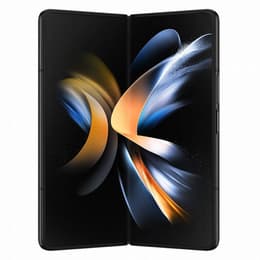
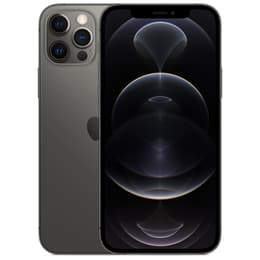
The Samsung Galaxy Z Fold4, released in August 2022, and the Apple iPhone 12 Pro, launched in October 2020, represent distinct approaches to smartphone design and functionality. While the iPhone 12 Pro offers a traditional, high-performance smartphone experience running on iOS, the Galaxy Z Fold4 introduces a unique foldable design with a larger, adaptable display powered by Android. These core differences cater to varying user preferences, from those seeking a conventional, refined device to those desiring an innovative, tablet-like experience in a pocketable form factor.
Colour
Storage
When considering the practical lifespan of these devices, both offer robust software support, though their release timelines differ. The iPhone 12 Pro, released in late 2020, typically receives iOS updates for approximately 5-6 years from its launch. The Galaxy Z Fold4, launched in August 2022, was promised four major Android OS updates and five years of security updates, extending its support until around 2027.
Release year
Compatible with latest Update
Operating system
Foldable
The performance of these two smartphones is influenced by their respective hardware and operating system optimizations, leading to distinct user experiences in daily tasks.
The display experience is a primary differentiator between these two devices, with the Galaxy Z Fold4 offering a unique foldable form factor and the iPhone 12 Pro providing a premium traditional screen.
Resolution
Screen type
Both devices offer capable camera systems, designed to capture high-quality images and videos, though they approach photography with different hardware and software philosophies.
Main camera
Front camera
Beyond core performance and display, several practical elements contribute to the overall user experience and differentiate these two devices.
Weight
Screen size (in)
Network
SIM card
Carrier compatibility
The Samsung Galaxy Z Fold4 and iPhone 12 Pro cater to distinct user needs, each excelling in different areas. Users often praise the Galaxy Z Fold4 for its innovative foldable design, which provides an expansive screen for multitasking and media consumption, effectively combining a phone and a small tablet. Its improved outer screen width and robust software support are also frequently highlighted. However, common criticisms include concerns about the durability of the inner screen protector and hinge over long-term use, its heavier weight, and battery drain for heavy users. The under-display camera's quality is also noted as a weaker point.
Conversely, the iPhone 12 Pro is consistently lauded for its premium build quality, smooth and reliable iOS performance, and a capable camera system that delivers excellent photos and videos, particularly in low light. Its compact size and Face ID security are also strong points for many users. Some users, however, have expressed that its battery life can be merely adequate for intensive use, and the software experience might feel less customizable compared to Android. The 2x telephoto zoom is also sometimes seen as less versatile than those offered by some competitors.
Users prioritizing a large, adaptable screen for productivity, media, and a unique form factor may find the Galaxy Z Fold4 better suited to their needs. Those who value a consistently refined, traditional smartphone experience with strong camera performance and a compact design might lean towards the iPhone 12 Pro. Both devices offer a quality experience, and choosing a quality-assured refurbished option for either can be a sustainable choice for consumers.