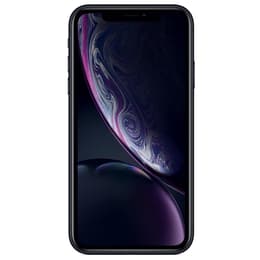

iPhone 13 Pro vs iPhone XR

iPhone 13 Pro
iPhone 13 Pro
Starting at

Refurbished price:A$545.00

Versus A$1,539.00 new

See options
iPhone XR
iPhone XR
Starting at

Refurbished price:A$219.76

Versus A$589.00 new

See options

Ratings

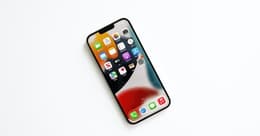
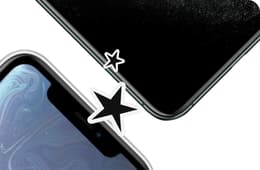
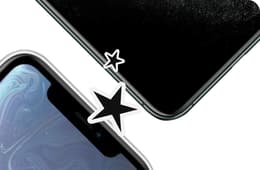
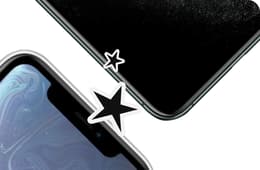
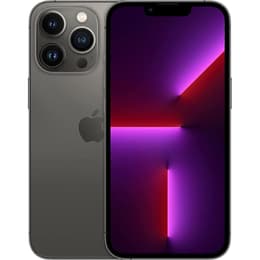
The iPhone 13 Pro (released September 2021) and the iPhone XR (released October 2018) represent distinct generations within Apple's smartphone lineup. While both offer a familiar iOS experience, the iPhone 13 Pro introduces significant advancements in display technology, camera capabilities, and overall performance, reflecting its more recent development. The iPhone XR, an older model, focuses on delivering core iPhone functionality with a vibrant design.

Scores

Durability

The expected practical lifespan of a smartphone is influenced by its initial release date and the duration of software support it receives.

  • Release Timeline: The iPhone 13 Pro was released in September 2021, making it a considerably newer device compared to the iPhone XR, which launched in October 2018.
  • Software Longevity: The iPhone 13 Pro shipped with iOS 15 and is compatible with current iOS versions, including iOS 26. The iPhone XR, originally running iOS 12, is compatible up to iOS 18 but not iOS 26. This difference means the iPhone 13 Pro will receive major software updates and security patches for a longer period, extending its functional life.
  • Repairability: Both devices generally follow Apple's design principles, which can influence repair processes. However, the newer components and more complex camera system of the iPhone 13 Pro might present different repair considerations compared to the iPhone XR.

Release year

2021

2018

Compatible with latest Update

Yes

Yes

Operating system

iOS

iOS

Foldable

No

No

Performance

Performance is a key differentiator, impacting how smoothly applications run and how efficiently the device handles demanding tasks.

  • Processing Power: The iPhone 13 Pro features a significantly more advanced internal processor compared to the iPhone XR. This translates to faster app loading times, smoother transitions between applications, and more fluid performance in graphically intensive games or complex editing tasks.
  • Multitasking and Responsiveness: With more internal memory, the iPhone 13 Pro handles multiple applications running simultaneously with greater ease, allowing for quicker switching without apps needing to reload. The iPhone XR, while capable for everyday use, may show more hesitation when juggling numerous demanding applications.
  • Storage Options: The iPhone 13 Pro offers a wider range of storage capacities, including options up to 1TB, catering to users with extensive media libraries or large application needs. The iPhone XR was available with up to 256GB of storage.

Memory (GB)

6 GB

3 GB

Screen quality

The visual experience is largely defined by the display technology and its characteristics.

  • Display Technology: The iPhone 13 Pro features a 6.1-inch Super Retina XDR OLED display, which provides deep blacks, high contrast, and vibrant colors. In contrast, the iPhone XR uses a 6.1-inch Liquid Retina HD LCD display, offering good color accuracy but not the same level of contrast or true black representation as OLED.
  • Refresh Rate: A notable upgrade on the iPhone 13 Pro is its ProMotion technology, offering an adaptive refresh rate up to 120Hz. This results in noticeably smoother scrolling and more responsive interactions. The iPhone XR has a standard 60Hz refresh rate.
  • Brightness and Clarity: The iPhone 13 Pro's display can reach higher peak brightness levels, particularly for HDR content, making it more visible in bright outdoor conditions. Both displays offer good clarity for typical viewing, with the iPhone 13 Pro having a higher resolution and pixel density.

Resolution

1170 x 2532

828 x 1792

Screen type

Super Retina XDR OLED

Liquid Retina IPS LCD

Audiovisual

Camera capabilities have seen substantial evolution between these two models, offering different photographic experiences.

  • Rear Camera System: The iPhone 13 Pro boasts a triple-camera system, including Wide, Ultra Wide, and Telephoto lenses, along with a LiDAR scanner. This allows for optical zoom, improved low-light performance, and advanced computational photography features like Cinematic mode and ProRes video recording. The iPhone XR features a single 12MP Wide camera.
  • Photography Performance: The iPhone 13 Pro excels in various lighting conditions, offering enhanced detail, dynamic range, and color accuracy, especially in challenging low-light scenarios. The iPhone XR's single camera still captures good photos in well-lit environments and includes Portrait mode with Depth Control, though it relies more on software for these effects.
  • Video Recording: The iPhone 13 Pro supports advanced video features such as Cinematic mode for shallow depth of field effects and ProRes video recording for professional workflows. Both devices can record 4K video, but the 13 Pro offers more frame rate options and improved stabilization.
  • Front Camera: Both phones feature a 12MP front-facing camera for selfies and video calls, with the iPhone 13 Pro offering more advanced computational photography features for the front camera as well.

Main camera

12 megapixels

12 megapixels

Front camera

12 megapixels

7 megapixels

Miscellaneous

Beyond core features, several practical elements contribute to the overall user experience.

  • Connectivity: The iPhone 13 Pro supports 5G connectivity, offering faster cellular data speeds in compatible areas, along with Wi-Fi 6. The iPhone XR supports 4G LTE and Wi-Fi 802.11ac.
  • Build Materials and Durability: The iPhone 13 Pro features a stainless steel frame and Ceramic Shield front cover, contributing to its robust feel and enhanced drop resistance. The iPhone XR has an aluminum frame and glass front and back. Both devices carry an IP rating for water and dust resistance, with the iPhone 13 Pro having an IP68 rating (maximum depth of 6 meters for up to 30 minutes) and the iPhone XR an IP67 rating (maximum depth of 1 meter for up to 30 minutes).
  • Biometric Authentication: Both models utilize Face ID for secure facial recognition.
  • Dimensions and Weight: The iPhone 13 Pro measures 146.7 x 71.5 x 7.65 mm and weighs 204 grams. The iPhone XR measures 150.9 x 75.7 x 8.3 mm and weighs 194 grams. The iPhone 13 Pro is slightly more compact and heavier, reflecting its premium build.

Weight

203 oz

194 oz

Screen size (in)

6,1

6.1

Network

5G

4G

SIM card

Physical SIM + eSIM

Physical SIM + eSIM

Carrier compatibility

Unlocked

Unlocked

Connector

Lightning

Lightning

Users frequently praise the iPhone 13 Pro for its exceptional camera system, particularly its low-light capabilities and advanced video features, making it a strong choice for photography and videography enthusiasts. Its ProMotion display is also a commonly highlighted feature, offering a noticeably smoother visual experience. Some users, however, note its weight compared to non-Pro models. The iPhone XR is often commended for its solid battery life and vibrant color options, providing a reliable and enjoyable experience for everyday tasks. Its main criticism often revolves around its LCD display technology and single camera, which, while capable, do not match the advanced features of newer models.

Users prioritizing cutting-edge camera technology, a high-refresh-rate display, and the longest possible software support will find the iPhone 13 Pro well-suited to their needs. This device is ideal for content creators, mobile gamers, and those who demand the highest performance from their smartphone. Conversely, users seeking a dependable iPhone for general use, social media, and casual photography, who value a straightforward experience and a device that still receives essential updates, may lean toward the iPhone XR. Choosing a quality-assured refurbished option for either model can provide an eco-friendly alternative, extending the life of these devices and offering a sustainable choice.
See all articles

Our recent comparisons