Compare models

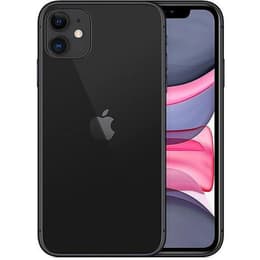
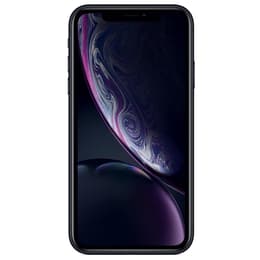
iPhone 11 vs iPhone XR

  • 1-year warranty
  • Free standard shipping
  • Free 30-day returns
iPhone 11
iPhone 11
Starting at

Refurbished price:A$271.00

Versus A$769.00 new

See options
iPhone XR
iPhone XR
Starting at

Refurbished price:A$222.00

Versus A$589.00 new

See options

Differences at a glance

The iPhone 11, released in September 2019, and the iPhone XR, launched in October 2018, are both popular smartphones from Apple, sharing a similar design philosophy and operating system. While the iPhone XR introduced a new form factor and display technology, the iPhone 11 built upon its predecessor with significant upgrades in camera capabilities and internal processing power. Both devices run on Apple's iOS, providing a consistent user experience across both models.

Scores

Durability

When considering the long-term usability of these devices, their release timelines and software support are key factors. The iPhone XR was released in October 2018, while the iPhone 11 followed in September 2019, making the iPhone 11 approximately one year newer.

  • Software Longevity: The iPhone 11 is expected to receive iOS updates for approximately one year longer than the iPhone XR, extending its software support and access to new features. The iPhone 11 was supplied with iOS 13 and is compatible with iOS 26 in September 2025, while the iPhone XR originally ran iOS 12 and is compatible with iOS 18.7.7 as of March 2026.
  • Repairability: Both the iPhone 11 and iPhone XR have a repairability score of 6 out of 10 from iFixit, indicating a moderate ease of repair. Common repairs like display and battery replacements are considered easier on these models compared to many other smartphones.
  • Expected Lifespan: Users can generally expect a practical lifespan of several years from either device, though the iPhone 11's newer release date provides a slight advantage in terms of future software compatibility and overall longevity.

Release year

2019

2018

Compatible with latest Update

Yes

Yes

Operating system

iOS

iOS

Foldable

No

No

Performance

The performance of the iPhone 11 and iPhone XR differs primarily due to their internal components, impacting how smoothly they handle various tasks.

  • Processor Capabilities: The iPhone 11 features a newer generation processor, which provides a noticeable increase in speed and efficiency compared to the iPhone XR's processor. This translates to faster app loading times, smoother navigation, and more responsive performance, especially with demanding applications and games.
  • Multitasking and Responsiveness: The iPhone 11 includes 4GB of RAM, while the iPhone XR has 3GB of RAM. This additional RAM in the iPhone 11 can contribute to improved multitasking, allowing more apps to remain open in the background without needing to reload. Both devices offer a fluid user experience for everyday tasks, but the iPhone 11 handles more intensive workloads with greater ease.
  • Battery Behavior: The iPhone 11 has a slightly larger battery capacity (3110 mAh) compared to the iPhone XR (2942 mAh). Coupled with its more efficient processor, the iPhone 11 generally offers slightly longer battery life, providing roughly an extra hour of use per charge for many users.

Memory (GB)

4 GB

3 GB

Screen quality

Both the iPhone 11 and iPhone XR feature similar display technology and specifications, offering a consistent visual experience.

  • Display Technology and Size: Both models are equipped with a 6.1-inch Liquid Retina HD LCD display. This IPS LCD technology provides accurate color reproduction and wide viewing angles.
  • Resolution and Brightness: The screens on both devices have a resolution of 1792 by 828 pixels at 326 pixels per inch (ppi), resulting in clear and sharp visuals for typical viewing distances. Both displays also offer a maximum brightness of 625 nits, ensuring good visibility in various lighting conditions, including outdoors.
  • Additional Display Features: Both the iPhone 11 and iPhone XR support True Tone, which adjusts the display's white balance to match the ambient light, and Wide Color (P3) for a broader range of colors. They also feature Haptic Touch for contextual actions, replacing the 3D Touch found on older iPhone models.

Resolution

828 x 1792

828 x 1792

Screen type

Liquid Retina IPS LCD

Liquid Retina IPS LCD

Audiovisual

The camera system is one of the most significant areas of difference between the iPhone 11 and iPhone XR, particularly for photography enthusiasts.

  • Rear Camera System: The iPhone 11 boasts a dual-camera setup, including a 12-megapixel wide lens and a new 12-megapixel ultra-wide lens, allowing for a broader field of view. In contrast, the iPhone XR features a single 12-megapixel wide camera. The iPhone 11's additional ultra-wide lens is particularly useful for capturing landscapes, group photos, or fitting more into a scene.
  • Photography Features: The iPhone 11 introduces Night Mode, which significantly improves photo quality in low-light conditions, and Deep Fusion, a technology that enhances detail and reduces noise in photos taken in challenging lighting. It also features an improved Smart HDR for better exposure balance. While the iPhone XR has Smart HDR, it lacks Night Mode and Deep Fusion. The iPhone 11 also offers an enhanced Portrait mode that works on pets and objects, a capability not present on the iPhone XR which was limited to human subjects.
  • Front Camera and Video: The iPhone 11 upgrades the front-facing camera to 12 megapixels, capable of recording 4K video and slow-motion selfies (Slofies). The iPhone XR has a 7-megapixel front camera that records HD video. Both devices offer 4K video recording at up to 60 frames per second with their main rear cameras.

Main camera

12 megapixels

12 megapixels

Front camera

12 megapixels

7 megapixels

Miscellaneous

Beyond core performance and camera, several practical elements differentiate the user experience of the iPhone 11 and iPhone XR.

  • Connectivity and Ports: Both devices support 4G LTE, Wi-Fi 802.11ac, and Bluetooth 5.0. Neither model includes a traditional 3.5mm headphone jack, relying on the Lightning port for wired audio or wireless solutions.
  • Durability Features: The iPhone 11 features an IP68 rating for water and dust resistance, allowing it to withstand submersion in up to 2 meters of water for 30 minutes. The iPhone XR has an IP67 rating, meaning it can endure submersion in up to 1 meter of water for the same duration. Both phones utilize glass backs and aluminum frames.
  • Biometric Security and Design: Both the iPhone 11 and iPhone XR rely on Face ID for secure authentication and unlocking, utilizing the TrueDepth camera system. They share identical physical dimensions (150.9 x 75.7 x 8.3 mm) and weight (194 grams), offering a similar in-hand feel.

Weight

194 oz

194 oz

Screen size (in)

6.1

6.1

Network

4G

4G

SIM card

Physical SIM + eSIM

Physical SIM + eSIM

Carrier compatibility

Unlocked

Unlocked

Connector

Lightning

Lightning

What the community thinks

The iPhone 11 and iPhone XR both offer a robust smartphone experience, but cater to slightly different user priorities. User feedback often praises the iPhone XR for its solid overall performance and battery life for its time, making it a reliable choice for everyday use. However, some users noted its single camera system as a limitation compared to other devices available at its release.

The iPhone 11, on the other hand, is frequently lauded for its significantly improved camera system, particularly the addition of the ultra-wide lens and Night Mode, which were major advancements for low-light photography. Its enhanced processor and slightly better battery life also contribute to a more refined user experience. Criticisms for the iPhone 11 are less common but sometimes point to its continued use of an LCD display rather than an OLED panel, which was available on its Pro counterparts.

Users prioritizing advanced photography features, especially in varied lighting conditions, and those seeking a device with a slightly longer software support window, may find the iPhone 11 better suited to their needs. For individuals who primarily use their phone for general tasks, communication, and casual photography, the iPhone XR remains a capable and practical choice. Both models represent excellent opportunities to explore quality-assured refurbished options, providing a sustainable choice for consumers.