Compare models

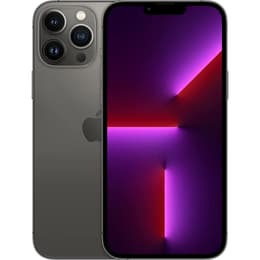
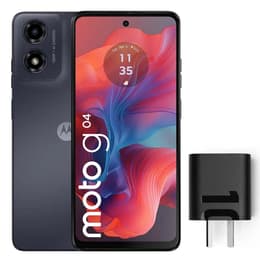
iPhone 13 Pro Max vs Motorola Moto G04

  • 1-year warranty
  • Free standard shipping
  • Free 30-day returns
iPhone 13 Pro Max
Starting at

Refurbished price:A$559.00

Versus A$1,689.00 new

See options

Differences at a glance

The Apple iPhone 13 Pro Max (2021) and the Motorola Moto G04 (2024) represent entirely different tiers of the smartphone market, catering to vastly distinct user needs. While the iPhone 13 Pro Max positions itself as a high-end flagship device packed with premium capabilities, the Motorola Moto G04 targets users looking for simplicity and streamlined functionality at an accessible baseline level. These models operate on completely different software ecosystems, with the iPhone running iOS and the Motorola utilizing Android, shaping how users interact with their apps and settings daily. Despite their release year gap, both options serve specific audiences effectively depending on whether day-to-day priorities center on advanced capabilities or straightforward communication tasks.

Available Models

Colour

Storage

Scores

Durability

When examining longevity and hardware support, these two devices offer contrasting expectations for long-term ownership and software backing.

  • Software support timelines: The iPhone 13 Pro Max benefits from an extended window of major operating system updates and security patches, whereas the Motorola Moto G04 receives a shorter, more concise cycle of software maintenance.
  • Build and repair outlook: Premium materials on the iPhone provide robust physical durability backed by structured repair pathways, while the Motorola relies on simpler construction that handles basic daily wear reliably.
  • Practical lifespan expectancy: Users can anticipate the iPhone to retain its processing efficiency and feature relevance over a longer span of years, whereas the Motorola suits shorter upgrade cycles or temporary use cases well.

Release year

2021

2024

Compatible with latest Update

Yes

Yes

Operating system

iOS

Android

Foldable

No

No

Performance

Underneath the surface, processing power and daily responsiveness differ significantly between these two smartphones, affecting everything from basic apps to intensive multitasking.

  • Multitasking and app switching: The iPhone handles heavy applications, demanding games, and split-screen workflows smoothly without stutter, while the Motorola manages everyday messaging, web browsing, and light tools adequately.
  • Storage capacity choices: The iPhone provides much larger internal storage tiers suited for massive photo libraries and large files, compared to the Motorola's single modest storage configuration supplemented by expandable card slots.
  • Battery behavior under load: Both devices manage power efficiently for a full day of mixed use, though heavy media consumers will find the iPhone's larger energy reserve handles intensive tasks with fewer demands for midday recharging.

Screen quality

Visual output and display technology create a marked difference in how media, text, and graphics appear during daily interaction.

  • Display panel technology: The iPhone utilizes an advanced organic light-emitting diode screen delivering deep contrast and vivid colors, while the Motorola employs a standard liquid crystal display panel suited for basic viewing tasks.
  • Refresh rate and smoothness: Motion appears fluid and scrolling remains exceptionally smooth on the iPhone due to high refresh rate technology, whereas the Motorola features a standard refresh rate adequate for routine reading.
  • Outdoor visibility and brightness: High peak brightness levels allow the iPhone screen to remain legible under direct sunlight, while the Motorola requires manual shade adjustments outdoors during bright afternoons.

Resolution

1284 x 2778

720 x 1612

Screen type

Super Retina XDR OLED

IPS LCD

Audiovisual

Imaging hardware and audio output vary extensively, reflecting the contrasting market positioning of each smartphone.

  • Camera versatility: The iPhone incorporates a triple-lens system with ultra-wide and telephoto capabilities alongside advanced computational photography, whereas the Motorola offers a single rear camera focused on casual snapshots.
  • Low-light and video capture: Detailed video recording features and strong low-light performance make the iPhone well-suited for content creation, while the Motorola handles basic video calls and simple daytime clips.
  • Media and audio output: Stereo speakers on the iPhone deliver rich sound for movies and music, while the Motorola provides a mono speaker alongside a traditional headphone jack for wired listening convenience.

Main camera

12 megapixels

16 megapixels

Front camera

12 megapixels

5 megapixels

Miscellaneous

Physical handling, connectivity standards, and daily convenience features round out the practical differences between these two models.

  • Connectivity options: The iPhone supports advanced fifth-generation cellular bands and rapid wireless standards, whereas the Motorola covers standard fourth-generation networks and basic Bluetooth connectivity.
  • Physical dimensions and weight: The iPhone features a heavier, stainless steel and glass build that feels substantial in the hand, compared to the lighter plastic construction of the Motorola which reduces hand fatigue during extended calls.
  • Security and authentication: Secure facial recognition anchors the iPhone security suite, while the Motorola relies on a side-mounted fingerprint sensor and basic passcode entry.

Weight

238 oz

179 oz

Screen size (in)

6.7

6.56

Network

5G

4G

SIM card

Physical SIM + eSIM

Dual Physical SIM

Carrier compatibility

Unlocked

Unlocked

Connector

Lightning

micro USB + Jack 3.5mm

What the community thinks

User discussions across public forums highlight distinct praise points for both devices. Owners of the iPhone 13 Pro Max frequently commend its dependable battery endurance, premium display quality, and robust camera performance that handles demanding photography tasks effortlessly. On the other hand, users appreciate the Motorola Moto G04 for its lightweight design, simplicity, and straightforward interface that avoids unnecessary complications. Common criticisms for the iPhone focus on its heavy physical weight and large footprint, while Motorola reviewers note limitations in processing heavy applications and lower-resolution screen clarity.

Users prioritizing advanced photography, immersive media consumption, and long-term software support will find the iPhone 13 Pro Max well-suited to their needs. Meanwhile, individuals seeking a lightweight, uncomplicated device for basic daily communication and web browsing may lean toward the Motorola Moto G04. For those aiming to make an eco-friendly choice, opting for a quality-assured refurbished option provides a sustainable way to access high-end technology like the iPhone without purchasing brand new. Ultimately, selecting the right model depends on matching individual daily tasks with each device's specific strengths.
Our recent comparisons