iPhone
Compare models
Differences at a glance
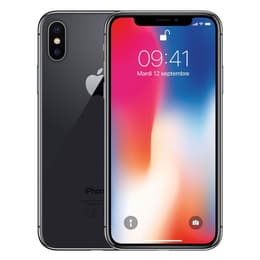
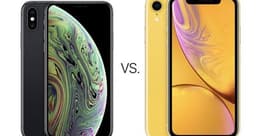
The iPhone X, released in November 2017, and the iPhone XR, launched in October 2018, represent two distinct offerings within Apple's smartphone lineup. While both devices introduced the all-screen design and Face ID, they primarily differ in their display technology and internal processing power. Both operate on Apple's iOS platform, providing a consistent user experience, but cater to slightly different user priorities.
Colour
Storage
When considering the long-term usability of these devices, their release timelines are a key factor. The iPhone X, being released in 2017, received major iOS updates until iOS 16. The iPhone XR, from 2018, extended its major software support one year further, typically ending with iOS 17 or iOS 18, depending on the source. In 2026, both devices are no longer receiving the latest iOS versions, meaning they will miss out on new features and some app compatibility over time.
Release year
Compatible with latest Update
Operating system
Foldable
The performance differences between the iPhone X and iPhone XR stem from their respective internal components, impacting daily usage. The iPhone XR features a newer generation processor compared to the iPhone X, which translates to slightly faster app loading times, smoother multitasking, and better handling of more demanding applications and games.
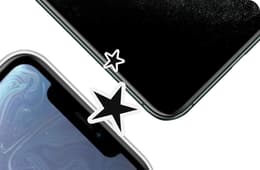
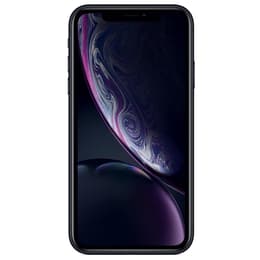
The display is one of the most significant differences between the iPhone X and the iPhone XR, influencing the visual experience. The iPhone X features a 5.8-inch OLED display, which delivers deep blacks, high contrast, and vibrant colors. In contrast, the iPhone XR uses a 6.1-inch Liquid Retina IPS LCD panel.
Resolution
Screen type
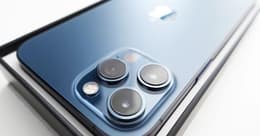
The camera systems on the iPhone X and iPhone XR present different capabilities, particularly in advanced photography features. The iPhone X features a dual-lens main camera system, pairing a 12-megapixel wide-angle lens with a secondary 12-megapixel telephoto lens. The iPhone XR, to keep manufacturing streamlined, is equipped with a single 12-megapixel wide-angle camera.
Main camera
Front camera
Beyond core performance and display, several other features distinguish the iPhone X and iPhone XR in terms of design and functionality. These elements can influence daily handling and user experience.
Weight
Screen size (in)
Network
SIM card
Carrier compatibility
Connector
User feedback often highlights the iPhone X's vibrant OLED display and its dual-camera system, particularly for optical zoom and more natural portrait photography. However, common criticisms include its relatively shorter battery life and earlier end-of-life for major software updates.
The iPhone XR is frequently praised for its excellent battery life, larger screen for general use, and its slightly newer processor, which provides a bit more longevity for app compatibility. Users appreciate its balance of features and performance. Its main criticism often revolves around the LCD display's lower resolution compared to OLED alternatives, though many find it perfectly adequate for daily use.
Users prioritizing a compact device, a premium build, and a vibrant OLED display with optical zoom capabilities for photography may find the iPhone X well-suited to their needs. Conversely, users who value longer battery life, a larger screen for media and browsing, and a slightly newer processor for extended app compatibility, and who are content with an LCD display, might lean towards the iPhone XR. Both models are available as quality-assured refurbished options, providing an eco-friendly alternative for those seeking reliable technology.