
Compare models

Galaxy S22 5G vs iPhone Air

  • 1-year warranty
  • Free standard shipping
  • Free 30-day returns
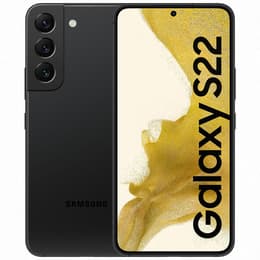
Galaxy S22 5G
Starting at

Refurbished price:A$340.40

Versus A$1,149.00 new

See options
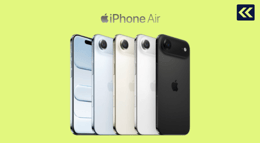
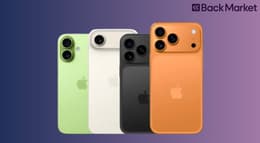
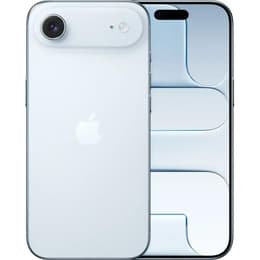
iPhone Air
Starting at

Refurbished price:A$1,061.00

Versus A$1,899.00 new

See options

Differences at a glance

The Samsung Galaxy S22 5G (2022) and the Apple iPhone Air (2025) represent two distinctly different approaches to modern smartphone engineering, balancing compact flagship utility with ultra-slim design philosophy. While the Galaxy S22 delivers a traditional pocket-friendly Android experience, the iPhone Air prioritizes an exceptionally lightweight and thin chassis powered by Apple's iOS ecosystem. Both devices cater to users seeking high-end performance, though they differ significantly in form factor, release timing, and underlying software infrastructure.

Available Models

Colour

Storage (GB)

Scores

Durability

Device longevity and software support timelines differ substantially due to the multi-year gap between their respective market debuts.

  • Release timeline and age: The Galaxy S22 launched in early 2022, whereas the iPhone Air arrived in late 2025, giving the Apple device a newer baseline for component wear and battery health.
  • Software support duration: The iPhone Air benefits from a longer remaining window of primary operating system updates and security patches compared to its earlier-generation counterpart.
  • Expected practical lifespan: Users selecting quality-assured refurbished options find that both models maintain structural integrity well, though the iPhone Air retains active software backing further into the future.

Release year

2022

2025

Compatible with latest Update

Yes

Yes

Operating system

Android

iOS

Foldable

No

No

Performance

Daily responsiveness and multitasking capabilities vary based on processor architecture, memory allocation, and thermal design.

  • System responsiveness: Both devices handle everyday tasks, web browsing, and demanding applications smoothly, though the iPhone Air benefits from a generationally newer processor that manages heavy workloads with increased thermal efficiency.
  • Memory and multitasking: The iPhone Air features expanded RAM configurations that facilitate seamless app switching, while the Galaxy S22 relies on standard flagship memory to maintain steady background performance.
  • Battery behavior: The Galaxy S22 relies on a smaller capacity battery that typically requires a recharge during heavy daily use, whereas the iPhone Air balances its ultra-thin profile with efficient power management.

Screen quality

Display characteristics differ in physical dimensions, panel technology, and viewing comfort for outdoor media consumption.

  • Display technology: The Galaxy S22 features a vibrant 6.1-inch Dynamic AMOLED panel, while the iPhone Air offers a larger 6.5-inch Super Retina XDR OLED display with adaptive refresh rates.
  • Outdoor visibility: Both screens reach high peak brightness levels, ensuring content remains legible under direct sunlight.
  • Smoothness: Both models support smooth scrolling and responsive touch interaction via high refresh rate technology.

Resolution

1080 x 2340

2736x1260

Screen type

Dynamic AMOLED 2X

Super Retina XDR

Audiovisual

Optics and media playback systems cater to different photography habits and audio preferences.

  • Camera system capabilities: The Galaxy S22 employs a versatile triple-lens rear camera setup including dedicated optical zoom, whereas the iPhone Air streamlines photography with a single high-resolution rear lens.
  • Video and low-light performance: Both smartphones capture detailed video and balanced low-light imagery, though the Galaxy S22 provides greater framing flexibility for distant subjects through its telephoto lens.
  • Audio output: Media consumption and call audio differ between the stereo speaker configuration on the Galaxy and the specialized single-speaker arrangement housed within the ultra-thin iPhone frame.

Main camera

50 megapixels

48 megapixels

Front camera

10 megapixels

18 megapixels

Miscellaneous

Physical handling, connectivity standards, and build materials define the day-to-day ergonomic experience.

  • Dimensions and handling: The Galaxy S22 offers a traditional compact footprint that rests comfortably in one hand, while the iPhone Air presents a wider, remarkably thin profile that reduces pocket bulk.
  • Build materials: Both devices utilize durable glass and metal structures paired with robust dust and water resistance ratings.
  • Connectivity and sensors: Each model supports modern 5G cellular networks, secure biometric authentication, and rapid data transfer through standardized USB-C ports.

Weight

340 oz

165 oz

Screen size (in)

6.2

6.5

Network

5G

5G

SIM card

Physical SIM + eSIM

eSIM

Carrier compatibility

Unlocked

Unlocked

Connector

USB-C

USB-C

What the community thinks

User feedback from online communities highlights distinct preferences for each device based on physical design and ecosystem loyalty. Owners of the Galaxy S22 frequently praise its compact ergonomics and versatile multi-lens camera system, though some users note that battery endurance requires mindful management during intensive days. Conversely, iPhone Air users appreciate the expansive display area paired with an exceptionally lightweight, slim profile, while noting trade-offs regarding single-lens photography constraints and speaker output.

Users prioritizing a pocket-friendly footprint, multi-camera versatility, and the Android operating system will find the Galaxy S22 well-suited to their needs. Meanwhile, users prioritizing a larger screen area, modern processing architecture, and an ultra-lightweight frame within the iOS ecosystem may prefer the iPhone Air. Exploring sustainable, quality-assured refurbished options allows consumers to acquire either model as an eco-friendly alternative that matches their individual workflow requirements.