
iPhone 13 mini vs iPhone 16 Pro Max

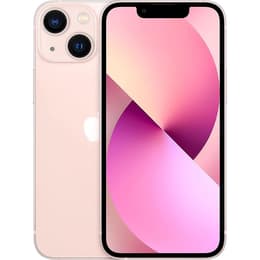
iPhone 13 mini
iPhone 13 mini
Starting at

Refurbished price:A$368.00

Versus A$1,049.00 new

See options
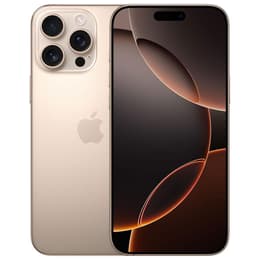
iPhone 16 Pro Max
iPhone 16 Pro Max
Starting at

Refurbished price:A$1,325.00

Versus A$2,149.00 new

See options

Ratings

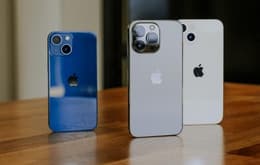
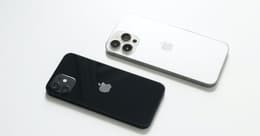
The iPhone 13 Mini, released in September 2021, and the iPhone 16 Pro Max, launched in September 2024, represent distinct approaches within Apple's smartphone lineup. While both operate on the iOS platform, they cater to different user preferences through significant differences in size, processing power, and camera capabilities. This comparison will explore these key distinctions to help users determine which device best suits their needs.

Scores

Durability

The practical lifespan of a smartphone is influenced by its release date, software support, and physical resilience. These two models, separated by three years, offer different expectations in these areas.

  • Release Timeline: The iPhone 13 Mini was introduced in September 2021, making it an older device compared to the iPhone 16 Pro Max, which debuted in September 2024. This age difference directly impacts their remaining software support.
  • Software Longevity: The iPhone 16 Pro Max, being a much newer model, will receive iOS updates for a significantly longer period, extending its functional lifespan and access to new features and security patches. The iPhone 13 Mini, while still supported, will reach its end-of-life for major OS updates sooner.
  • Physical Durability: Both devices feature a Ceramic Shield front cover for enhanced drop protection. The iPhone 16 Pro Max incorporates a titanium frame, offering a robust yet lightweight build, while the iPhone 13 Mini uses an aluminum frame.

Release year

2021

2024

Compatible with latest Update

Yes

Yes

Foldable

No

No

Performance

Performance is a critical factor, and the three-year gap between these models results in a notable difference in their processing capabilities and overall responsiveness.

  • Processing Power: The iPhone 16 Pro Max features a significantly more advanced and efficient processor, enabling it to handle demanding applications, complex multitasking, and graphics-intensive games with greater fluidity and speed. The iPhone 13 Mini, while still capable for everyday tasks, will exhibit slower performance in comparison, particularly with newer, more resource-intensive applications.
  • System Responsiveness: Users will experience a more immediate and seamless interaction with the iPhone 16 Pro Max due to its newer hardware and optimized software. App loading times, transitions, and overall system navigation will feel quicker on the newer device.
  • Battery Behavior: The iPhone 16 Pro Max is equipped with a substantially larger battery and a more power-efficient internal architecture, providing extended usage times that can comfortably last through a full day, even with heavy use. The iPhone 13 Mini, owing to its compact size, has a smaller battery capacity, which means more frequent charging for users with high demands.

Memory (GB)

4 GB

8 GB

Screen quality

The display experience varies considerably between these two iPhones, primarily due to differences in size, refresh rate, and brightness capabilities.

  • Display Technology and Size: Both devices utilize Super Retina XDR OLED displays, offering deep blacks and vibrant colors. However, the iPhone 13 Mini features a compact 5.4-inch screen, ideal for one-handed use, while the iPhone 16 Pro Max boasts a much larger 6.9-inch display, providing an expansive viewing area.
  • Refresh Rate: A key distinction is the refresh rate; the iPhone 16 Pro Max incorporates ProMotion technology, offering an adaptive refresh rate up to 120Hz for smoother scrolling and more responsive interactions. The iPhone 13 Mini has a standard 60Hz refresh rate.
  • Brightness Levels: The iPhone 16 Pro Max achieves higher peak brightness, especially for HDR content and outdoor visibility, making it easier to view the screen in bright sunlight compared to the iPhone 13 Mini.

Resolution

1080 x 2340

1320 x 2868

Screen type

Super Retina XDR OLED

LTPO Super Retina XDR OLED

Audiovisual

The camera systems on these two iPhones reflect different generations of Apple's imaging technology, with the newer model offering significant advancements in versatility and image quality.

  • Camera System Configuration: The iPhone 13 Mini features a dual-camera setup with a 12-megapixel wide and a 12-megapixel ultrawide lens. The iPhone 16 Pro Max comes with a more advanced triple-lens system, including a 48-megapixel main sensor, a 48-megapixel ultrawide, and a 12-megapixel telephoto lens with 5x optical zoom.
  • Photography Performance: The iPhone 16 Pro Max delivers superior image quality across various conditions, particularly in low-light scenarios, thanks to its larger sensors and enhanced computational photography. It also offers greater detail and flexibility for cropping due to higher megapixel counts on its main and ultrawide lenses.
  • Video Capabilities: The iPhone 16 Pro Max supports advanced video recording features, including 4K resolution at 120 frames per second and ProRes video capabilities, which are not available on the iPhone 13 Mini. Both offer Cinematic mode, but the 16 Pro Max provides a more refined experience.

Main camera

12 megapixels

48 megapixels

Front camera

12 megapixels

12 megapixels

Miscellaneous

Beyond core specifications, several practical features and design elements differentiate the iPhone 13 Mini and iPhone 16 Pro Max, impacting daily usability.

  • Connectivity and Ports: Both devices support 5G cellular connectivity. However, the iPhone 16 Pro Max includes support for newer Wi-Fi 7 standards, offering potentially faster and more reliable wireless connections, compared to the iPhone 13 Mini's Wi-Fi 6. A significant practical difference is the charging port: the iPhone 13 Mini uses Apple's proprietary Lightning port, while the iPhone 16 Pro Max has transitioned to a more universal USB-C port.
  • Physical Design and Handling: The iPhone 13 Mini is notably smaller and lighter, measuring 131.5 x 64.2 x 7.65 mm and weighing 141 grams, making it highly suitable for one-handed use and easy pocketability. In contrast, the iPhone 16 Pro Max is a larger and heavier device at 163 x 77.6 x 8.25 mm and 227 grams, designed for users who prefer an expansive screen experience.
  • Additional Features: The iPhone 16 Pro Max introduces a customizable Action Button and a dedicated Camera Control Button, enhancing user interaction and photography workflows. These features are absent on the iPhone 13 Mini.

Weight

140 oz

227 oz

Screen size (in)

5,4

6.9

Network

5G

5G

SIM card

Physical SIM + eSIM

Physical SIM + eSIM

Carrier compatibility

Unlocked

Unlocked

Connector

Lightning

USB-C (USB 3)

User sentiment for the iPhone 13 Mini often highlights its appeal as a compact device, praised for its comfortable one-handed use and still-capable performance for everyday tasks. However, common criticisms revolve around its battery life for heavy users and its smaller screen size, which can be less ideal for media consumption. The iPhone 16 Pro Max, conversely, receives acclaim for its expansive display, exceptional camera system, and significantly extended battery life, making it a powerhouse for demanding users. Its large size and weight are sometimes noted as potential drawbacks for those preferring a more discreet device.

Users prioritizing extreme portability, one-handed operation, and a discreet form factor may find the iPhone 13 Mini well-suited to their needs. It remains a strong choice for communication, light browsing, and casual photography. Conversely, users who prioritize a large, immersive display for media and productivity, a professional-grade camera system with advanced features, and all-day battery life will likely lean towards the iPhone 16 Pro Max. It is designed for those who demand peak performance and the latest technological innovations.

For those considering either of these devices, exploring quality-assured refurbished options can provide an eco-friendly alternative, offering a sustainable choice without compromising on functionality.

See all articles

Our recent comparisons