
Compare models

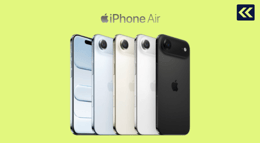
iPhone 16 Plus vs iPhone Air

  • 1-year warranty
  • Free standard shipping
  • Free 30-day returns
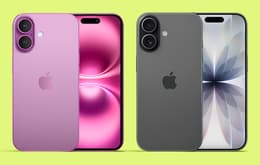
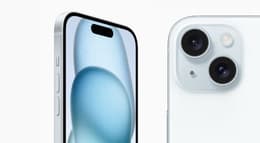
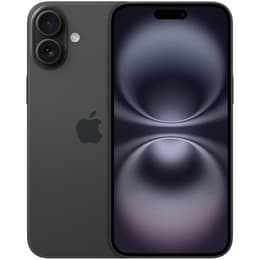
iPhone 16 Plus
Starting at

Refurbished price:A$1,007.00

Versus A$1,599.00 new

See options
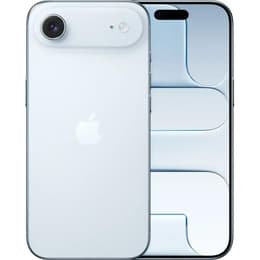
iPhone Air
Starting at

Refurbished price:A$1,061.00

Versus A$1,899.00 new

See options

Differences at a glance

The iPhone 16 Plus (2024) and the iPhone Air (2025) represent two distinct philosophies in large-screen smartphone design. While both devices cater to users who prefer an expansive viewing area, the iPhone 16 Plus emphasizes a traditional robust build with balanced everyday utility, whereas the iPhone Air introduces a radically slim form factor and lightweight titanium construction. Both smartphones run on Apple's modern operating system ecosystem, though they utilize different hardware generations and internal architectures.

Available Models

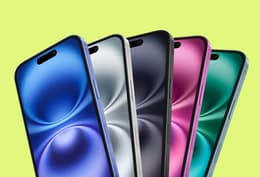
Colour

Storage (GB)

Scores

Durability

When examining long-term viability, both devices benefit from Apple's extended software support windows, though their release timelines and build materials introduce notable practical distinctions.

  • Software Longevity: Both smartphones receive regular operating system updates and security patches for many years following their respective launches, ensuring long-term compatibility with modern apps.
  • Build Durability: The iPhone 16 Plus features an aluminum frame with durable glass backing, while the iPhone Air adopts a rigid titanium frame reinforced with advanced scratch-resistant screen protection.
  • Lifespan Expectations: Both models are built to sustain several years of daily use, though users prioritizing physical resilience against drops will find traditional thicker chassis designs handle impact management differently than ultra-slim profiles.

Release year

2024

2025

Compatible with latest Update

Yes

Yes

Foldable

No

No

Performance

Underneath the exterior, these devices approach everyday multitasking, application loading, and power efficiency through different hardware tiers tailored to distinct user demands.

  • System Responsiveness: Both models handle intensive apps, navigation tools, and everyday multitasking smoothly, though the iPhone Air utilizes a higher-tier processor variant that provides additional processing headroom for demanding graphical tasks.
  • Memory and Storage: The iPhone Air offers expanded baseline memory configurations to support complex background processes, whereas the iPhone 16 Plus provides standard storage tiers suitable for general media libraries.
  • Battery Behavior: The iPhone 16 Plus benefits from its larger physical footprint to accommodate a high-capacity battery for extended heavy use, while the iPhone Air relies on extreme power-efficiency optimizations to maintain all-day longevity within its slim enclosure.

Screen quality

Visual immersion is a primary focus for both smartphones, though they implement contrasting display technologies and refresh rate capabilities.

  • Display Technology: Both devices utilize vibrant OLED panels that deliver deep blacks and rich contrast ratios, but the iPhone Air incorporates adaptive refresh rate technology scaling up to 120Hz for smoother scrolling.
  • Outdoor Visibility: Both screens reach high peak brightness levels in direct sunlight, ensuring content remains legible outdoors even during bright daylight conditions.
  • Screen Real Estate: The iPhone 16 Plus features a 6.7-inch display, while the iPhone Air offers a slightly more compact 6.5-inch panel, both providing ample room for productivity and media consumption.

Resolution

1290 x 2796

2736x1260

Screen type

Super Retina XDR OLED

Super Retina XDR

Audiovisual

Photography and media capture capabilities vary significantly based on the internal layout and lens configurations of each model.

  • Camera Systems: The iPhone 16 Plus utilizes a dual-lens rear setup designed for spatial capture, whereas the iPhone Air streamlines photography into a single high-resolution main lens system housed within a specialized rear plateau.
  • Everyday and Low-Light Imaging: Both phones capture sharp details and natural colors in standard lighting, utilizing computational photography to manage challenging shadows and bright backgrounds effectively.
  • Audio and Video: The iPhone 16 Plus provides stereo speaker output suited for casual media viewing, while the iPhone Air implements a specialized single-speaker audio setup alongside advanced front-facing camera features.

Main camera

48 megapixels

48 megapixels

Front camera

12 megapixels

18 megapixels

Miscellaneous

Practical daily usability elements, physical dimensions, and connectivity standards define how each device fits into travel and mobile routines.

  • Physical Dimensions: The iPhone 16 Plus measures 7.8 mm in thickness and weighs 199 grams, contrasted sharply by the iPhone Air's record-thin 5.6 mm profile and lightweight 165-gram body.
  • Connectivity: Both models support fast 5G cellular networks, modern Wi-Fi protocols, Bluetooth connectivity, and universal USB-C charging standards.
  • Authentication and Sensors: Both devices rely on facial recognition technology for secure unlocking and feature satellite-enabled emergency communication tools for off-grid safety.

Weight

199 oz

165 oz

Screen size (in)

6.7

6.5

Network

5G

5G

SIM card

Physical SIM + eSIM

eSIM

Carrier compatibility

Unlocked

Unlocked

Connector

USB-C (USB 2)

USB-C

What the community thinks

User feedback from online communities highlights distinct preferences when evaluating these two large-screen models. Owners of the iPhone 16 Plus frequently praise its dependable battery longevity and comfortable two-lens camera versatility for everyday memories. Conversely, users drawn to the iPhone Air emphasize appreciation for its remarkably light feel in the hand and sleek modern engineering, though some note the single camera and audio arrangement require minor adjustments compared to traditional multi-lens setups.

Users prioritizing maximum battery endurance and traditional dual-lens photography will find the iPhone 16 Plus well-suited to their daily routines. Meanwhile, users who prioritize an ultra-lightweight profile, slim dimensions, and advanced high-refresh-rate displays will lean toward the iPhone Air. For consumers exploring sustainable purchasing habits, choosing a quality-assured refurbished option from Back Market provides an eco-friendly alternative that extends device life cycles without compromising on performance or reliability.