
Galaxy S20 FE vs iPhone X

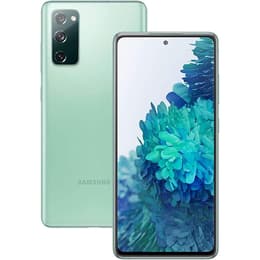
Galaxy S20 FE
Galaxy S20 FE
Starting at

Refurbished price:A$268.29

Versus A$578.00 new

See options
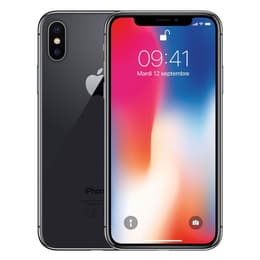
iPhone X
iPhone X
Starting at

Refurbished price:A$235.00

Versus A$429.00 new

See options

Ratings

The Samsung Galaxy S20 FE, released in late 2020, and the Apple iPhone X, launched in late 2017, represent distinct approaches to smartphone design and functionality from their respective manufacturers. While both devices offer a premium experience, they cater to different user preferences through their operating systems and hardware philosophies. The Galaxy S20 FE runs on the Android platform, offering a customizable interface, while the iPhone X operates on Apple's iOS, known for its streamlined ecosystem. A key differentiator lies in their display technology and camera systems, reflecting advancements over their differing release timelines.

Scores

Durability

When considering the long-term usability of a smartphone, factors such as software support and physical resilience are important. The Galaxy S20 FE and iPhone X, released three years apart, offer different expectations in these areas.

  • Software Longevity: The iPhone X, originally launched with iOS 11, has received major iOS updates up to iOS 16.7.15 as of March 2026, indicating a substantial period of software support. The Galaxy S20 FE, which debuted with Android 10, received three major Android OS upgrades, concluding with Android 13 (One UI 5.1). Its security updates transitioned to a quarterly schedule and officially ended in October 2025, meaning it no longer receives regular security patches. [2, 24, 37, 41]
  • Physical Durability: Both devices feature glass backs, with the iPhone X utilizing what Apple described as the most durable glass in a smartphone at its release, complemented by a surgical-grade stainless steel frame. The Galaxy S20 FE uses Gorilla Glass 3 for screen protection and features a plastic back. For water and dust resistance, the Galaxy S20 FE is rated IP68, allowing submersion up to 1.5 meters for 30 minutes, while the iPhone X carries an IP67 rating, protecting against submersion up to 1 meter for the same duration. [2, 7, 29]
  • Expected Lifespan: Users prioritizing the latest software features and security updates will find the Galaxy S20 FE has reached the end of its official support cycle. The iPhone X, while older, has demonstrated a longer period of major OS updates, though it is also an aging device.

Release year

2020

2017

Compatible with latest Update

No

No

Operating system

Android

iOS

Foldable

No

No

Performance

The performance of a smartphone is largely determined by its internal components, influencing everything from app responsiveness to multitasking capabilities and battery endurance. The Galaxy S20 FE and iPhone X offer different levels of performance due to their respective generations of hardware.

  • Processing Power: The Galaxy S20 FE is equipped with a more recent-generation processor, which translates to smoother operation for demanding applications, faster game loading times, and more efficient handling of complex tasks. The iPhone X, with its older processor, still provides a fluid user experience for everyday tasks but may show limitations with the most graphically intensive games or future high-performance applications. [2, 3, 11, 19, 20]
  • Multitasking and Storage: The Galaxy S20 FE typically comes with 6GB or 8GB of RAM, allowing for more applications to run simultaneously in the background without needing to reload. It also offers 128GB or 256GB of internal storage, with the added benefit of expandable storage via a microSD card. The iPhone X features 3GB of RAM and storage options of 64GB or 256GB, without expandable storage. [5, 11, 14, 15, 17, 19, 20, 27, 28]
  • Battery Behavior: The Galaxy S20 FE houses a larger 4500mAh battery, generally providing a full day of use for many users, and in some cases, up to two days with moderate usage. It supports 25W fast charging, 15W wireless charging, and reverse wireless charging. The iPhone X has a 2716mAh battery, which typically lasts a full day for average use, though heavy users might find themselves needing to recharge before the day ends. It supports fast charging to 50% in 30 minutes with a separate adapter and Qi-standard wireless charging. [1, 3, 4, 5, 10, 11, 13, 14, 16, 17, 19, 36, 38, 40]

Memory (GB)

6 GB

3 GB

Screen quality

The visual experience on a smartphone is heavily influenced by its display technology, resolution, and brightness. Both the Galaxy S20 FE and iPhone X feature OLED screens, but with differences in their specifications and capabilities.

  • Display Technology and Clarity: Both devices utilize OLED technology, which delivers deep blacks and vibrant colors. The iPhone X features a 5.8-inch Super Retina HD OLED display with a resolution of 2436x1125 pixels, resulting in a high pixel density of 458 pixels per inch. The Galaxy S20 FE has a larger 6.5-inch Super AMOLED display with a resolution of 1080x2400 pixels. [2, 4, 6, 11, 14, 17, 18, 20, 21, 33, 38]
  • Brightness and Refresh Rate: The iPhone X offers a typical maximum brightness of 625 nits, with a 120 Hz touch sampling rate for responsive interactions, though its display refresh rate is standard 60Hz. The Galaxy S20 FE boasts a 120 Hz refresh rate, providing a smoother scrolling experience and more fluid animations, and offers good brightness for outdoor visibility. [6, 17, 19, 33]
  • Viewing Experience: The iPhone X was notable for its edge-to-edge design and the introduction of the notch, offering an immersive viewing experience for its time. The Galaxy S20 FE provides a larger screen area, which can be beneficial for media consumption and productivity, with a punch-hole cutout for the front camera. [2, 7, 38]

Resolution

1080 x 2400

1125 x 2436

Screen type

Super AMOLED

Super Retina OLED

Audiovisual

The camera systems on both the Galaxy S20 FE and iPhone X are designed to capture high-quality images and videos, though they differ in their configurations and features.

  • Rear Camera Systems: The Galaxy S20 FE features a versatile triple-camera setup on the rear, including a 12MP wide-angle lens with optical image stabilization (OIS), a 12MP ultrawide lens, and an 8MP telephoto lens with 3x optical zoom and OIS. This provides flexibility for various shooting scenarios, from expansive landscapes to zoomed-in shots. The iPhone X has a dual 12MP rear camera system, comprising a wide-angle lens (f/1.8) and a telephoto lens (f/2.4), both with OIS and offering 2x optical zoom. [1, 3, 4, 6, 11, 14, 17, 18, 19, 23, 25, 29, 34, 38, 39]
  • Photography Features: The Galaxy S20 FE's camera system is praised for its vibrant color reproduction and effective scene recognition, with a dedicated night mode across its lenses. The iPhone X introduced Portrait Mode with Portrait Lighting effects, allowing for depth-of-field and studio-like lighting adjustments. [1, 3, 23, 25, 26, 39]
  • Video Recording and Front Camera: Both devices are capable of recording 4K video at 60 frames per second with their main rear cameras. The Galaxy S20 FE also supports 4K 60fps video recording with its 32MP front-facing camera. The iPhone X features a 7MP TrueDepth front camera that supports 1080p video recording at 30fps and enables Face ID and Animoji. [2, 6, 17, 19, 31, 35, 39]

Main camera

12 megapixels

12 megapixels

Front camera

32 megapixels

7 megapixels

Miscellaneous

Beyond core performance and display, several practical elements contribute to the overall user experience, including connectivity, physical design, and security features.

  • Connectivity and Ports: The Galaxy S20 FE offers more modern connectivity options, including 5G support and Wi-Fi 6, alongside Bluetooth 5.0 and NFC. It uses a USB-C port for charging and data transfer. The iPhone X supports LTE, Wi-Fi 802.11ac, Bluetooth 5.0, and NFC, and features Apple's proprietary Lightning port. The Galaxy S20 FE does not include a 3.5mm headphone jack. [2, 4, 11, 17, 18, 19, 20, 29]
  • Biometrics and Security: The iPhone X pioneered Face ID, Apple's facial recognition system, for secure unlocking and authentication. The Galaxy S20 FE incorporates an in-display optical fingerprint sensor for biometric security. [2, 7, 11, 28, 29]
  • Design and Handling: The iPhone X features a glass and stainless steel construction, giving it a premium feel, with dimensions of 143.6 x 70.9 x 7.7 mm and a weight of 174g. The Galaxy S20 FE has a plastic back and an aluminum frame, measuring 159.8 x 74.5 x 8.4 mm and weighing 190g. The larger size and slightly greater weight of the S20 FE might be noticeable for users who prefer a more compact device. [2, 4, 6, 7, 11, 12, 17, 18, 19, 20, 29]

Weight

190 oz

174 oz

Screen size (in)

6.5

5.8

Network

4G

4G

SIM card

Physical SIM

Physical SIM

Carrier compatibility

Unlocked

Unlocked

The Samsung Galaxy S20 FE and iPhone X, despite their differing release years, each offer a compelling set of features for various users. User sentiment for the Galaxy S20 FE often highlights its strong performance for its segment, versatile camera system with 3x optical zoom, and the benefit of expandable storage. Criticisms sometimes point to its plastic back and the eventual cessation of major software updates. [1, 3, 5, 17, 24, 25, 37, 41]

The iPhone X is frequently praised for its groundbreaking design at the time of its release, its vibrant OLED display, and the introduction of Face ID. Common concerns among users have included its battery life compared to some contemporaries and the proprietary Lightning port. [2, 4, 7, 10, 13, 16, 36, 40]

Users prioritizing a larger, high-refresh-rate display, a more versatile camera system with ultrawide and 3x optical zoom, and the flexibility of Android with expandable storage may find the Galaxy S20 FE well-suited to their needs. Its more recent hardware also offers a performance advantage for demanding applications. Conversely, users who prefer the iOS ecosystem, a more compact device with a premium build, and the security and convenience of Face ID might lean towards the iPhone X. While the iPhone X has received a longer period of major OS updates, the Galaxy S20 FE's newer hardware still provides a more contemporary performance experience.

For those considering either device, exploring refurbished options can provide an eco-friendly and quality-assured alternative, extending the life cycle of these capable smartphones.

See all articles

Our recent comparisons