
Compare models

iPhone 12 Pro vs iPhone X

  • 1-year warranty
  • Free standard shipping
  • Free 30-day returns
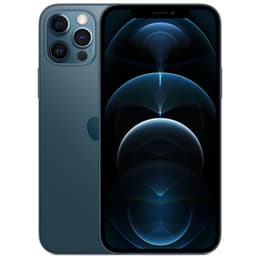
iPhone 12 Pro
iPhone 12 Pro
Starting at

Refurbished price:A$408.00

Versus A$1,249.00 new

See options
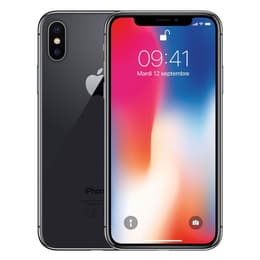
iPhone X
iPhone X
Starting at

Refurbished price:A$233.00

Versus A$619.00 new

See options

Differences at a glance

The iPhone 12 Pro, released in October 2020, and the iPhone X, launched in November 2017, represent different generations of Apple's smartphone evolution. While both devices operate on the iOS platform, the iPhone 12 Pro introduces significant advancements in processing power, camera technology, and display features, building upon the foundational design introduced by the iPhone X.

Scores

Durability

The age difference between these two models significantly impacts their expected lifespan and software support.

  • Release Timeline: The iPhone X, released in November 2017, is considerably older than the iPhone 12 Pro, which launched in October 2020. This age gap directly affects how long each device will continue to receive major iOS updates.
  • OS Support Duration: The iPhone X likely concluded its major iOS update cycle with iOS 16, meaning it will no longer receive the newest features and security enhancements. In contrast, the iPhone 12 Pro, being a newer device, continues to receive the latest iOS updates, extending its functional life and access to new software capabilities.
  • Physical Durability: The iPhone 12 Pro features a Ceramic Shield front cover, designed to offer enhanced drop performance compared to the standard glass on the iPhone X. Both models incorporate a stainless steel frame, contributing to their structural rigidity. The iPhone 12 Pro also boasts an IP68 rating for water and dust resistance, an improvement over the iPhone X's IP67 rating, indicating better protection against submersion.

Release year

2020

2017

Compatible with latest Update

Yes

No

Operating system

iOS

iOS

Foldable

No

No

Performance

The internal hardware differences between the iPhone 12 Pro and iPhone X result in distinct performance capabilities for daily use.

  • Processing Power: The iPhone 12 Pro is equipped with a significantly newer processor, offering a notable increase in speed and efficiency compared to the iPhone X. This translates to smoother app loading, more fluid multitasking, and a better experience with graphically intensive applications and games. The iPhone X, while still capable for general tasks, may exhibit slower performance with demanding apps and over time as software requirements increase.
  • Multitasking and Responsiveness: The iPhone 12 Pro features 6GB of RAM, double that of the iPhone X's 3GB. This increased memory allows the iPhone 12 Pro to handle more applications simultaneously without needing to reload them, contributing to a more responsive user experience during heavy multitasking.
  • Storage Options: The iPhone 12 Pro starts with a base storage of 128GB, with options for 256GB and 512GB. The iPhone X was available in 64GB and 256GB configurations. The larger base storage on the 12 Pro provides more space for apps, photos, and videos.

Memory (GB)

6 GB

3 GB

Screen quality

Both devices feature OLED display technology, but the iPhone 12 Pro offers enhancements in brightness and overall viewing experience.

  • Display Technology and Brightness: Both the iPhone 12 Pro and iPhone X utilize OLED panels, providing deep blacks and high contrast. However, the iPhone 12 Pro features a Super Retina XDR display with higher peak brightness levels (up to 1200 nits for HDR content), making it more visible in bright outdoor conditions compared to the iPhone X's Super Retina HD display (625 nits typical).
  • Screen Size and Clarity: The iPhone 12 Pro has a 6.1-inch display, offering a slightly larger viewing area than the iPhone X's 5.8-inch screen. Both displays offer high pixel densities, resulting in sharp and clear images for everyday viewing.
  • Color and HDR Support: The iPhone 12 Pro's display supports HDR10 and Dolby Vision, providing a wider range of colors and improved dynamic range for compatible content, enhancing the visual experience for movies and high-quality videos. The iPhone X also supports HDR, but the 12 Pro offers a more advanced implementation.

Resolution

1170 x 2532

1125 x 2436

Screen type

Super Retina XDR OLED

Super Retina OLED

Audiovisual

The camera systems on the iPhone 12 Pro and iPhone X show significant generational improvements, particularly in versatility and low-light performance.

  • Rear Camera System: The iPhone 12 Pro features a triple 12MP camera setup, including Wide, Ultra Wide, and Telephoto lenses, along with a LiDAR Scanner. The iPhone X has a dual 12MP camera system with Wide and Telephoto lenses. The addition of the Ultra Wide lens on the 12 Pro allows for broader landscape shots and more creative compositions.
  • Low-Light Photography and Features: The iPhone 12 Pro offers enhanced low-light capabilities, including Night mode for both wide and ultra-wide cameras, Deep Fusion, and Smart HDR 3, which contribute to brighter and more detailed images in challenging lighting conditions. The iPhone X lacks Night mode and its low-light performance is less advanced. The LiDAR Scanner on the 12 Pro also improves autofocus in low light and enables Night mode portraits.
  • Video Recording and Front Camera: The iPhone 12 Pro supports HDR video recording with Dolby Vision at up to 60 frames per second, offering superior video quality. Both phones can record 4K video at various frame rates. For selfies, the iPhone 12 Pro has a 12MP TrueDepth front camera with Night mode, while the iPhone X has a 7MP TrueDepth camera.

Main camera

12 megapixels

12 megapixels

Front camera

12 megapixels

7 megapixels

Miscellaneous

Beyond core features, several practical elements differentiate these two iPhone models.

  • Connectivity: A key difference is the iPhone 12 Pro's support for 5G cellular networks, offering faster download and upload speeds in compatible areas. The iPhone X is limited to 4G LTE connectivity. The iPhone 12 Pro also supports Wi-Fi 6, providing improved wireless performance over the iPhone X's Wi-Fi 5.
  • Physical Design and Materials: Both devices feature a premium build with a stainless steel frame and glass back. However, the iPhone 12 Pro introduces Ceramic Shield on the front, which enhances drop protection. The iPhone 12 Pro is slightly larger and heavier than the iPhone X.
  • Biometrics and Ports: Both the iPhone 12 Pro and iPhone X rely on Face ID for secure authentication and unlocking. Both models also use the Lightning port for charging and data transfer. The iPhone 12 Pro also introduced MagSafe, a magnetic system for wireless charging and accessories.

Weight

187 oz

174 oz

Screen size (in)

6.1

5.8

Network

5G

4G

SIM card

Physical SIM + eSIM

Physical SIM

Carrier compatibility

Unlocked

Unlocked

Connector

Lightning

Lightning

What the community thinks

The iPhone 12 Pro and iPhone X cater to different user needs, primarily due to their generational gap in technology and software support. Users often praise the iPhone X for its groundbreaking design at the time of its release, introducing the all-screen display and Face ID. However, common criticisms for the iPhone X now revolve around its aging performance and the cessation of major iOS updates, which can impact app compatibility and security over time.

The iPhone 12 Pro, on the other hand, is frequently lauded for its robust performance, significantly improved camera system with advanced features like Night mode and LiDAR, and its 5G connectivity. While it offers a more refined and future-proof experience, some users might find its incremental design changes less revolutionary compared to the iPhone X's initial impact.

Users prioritizing the latest camera technology, faster performance for demanding applications, 5G connectivity, and a longer period of software updates will find the iPhone 12 Pro better suited to their needs. Conversely, users seeking a capable device for everyday tasks, media consumption, and who appreciate the iconic design of the original all-screen iPhone may still find the iPhone X a viable option, understanding its limitations in terms of future software support and raw processing power. For those looking for a quality-assured refurbished option, both models are available, offering a sustainable choice to extend the life of these devices.