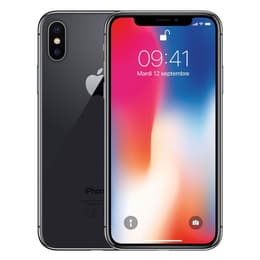

iPhone
Compare models
Differences at a glance
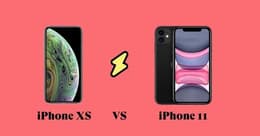
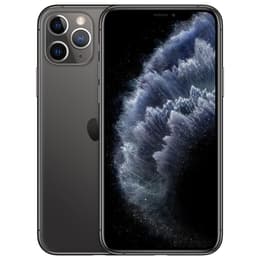
The iPhone X, released in November 2017, and the iPhone 11 Pro, launched in September 2019, represent two distinct generations within Apple's smartphone lineup. Both devices operate on the iOS ecosystem, offering a consistent software experience, but they feature notable differences in their camera systems, processing capabilities, and battery performance. The iPhone 11 Pro introduced a more advanced camera array and a more efficient internal architecture, building upon the foundational design established by the iPhone X.
Colour
Storage
When evaluating the longevity of these devices, their respective release timelines and ongoing software support are key considerations.
Release year
Compatible with latest Update
Operating system
Foldable
The internal components of these two iPhone models offer a clear progression in processing power and efficiency, impacting overall user experience.
Both the iPhone X and iPhone 11 Pro feature high-quality OLED displays, though the newer model brings enhancements in brightness and color accuracy.
Resolution
Screen type
The camera systems are a primary differentiator between these two iPhone models, with the iPhone 11 Pro introducing a more versatile setup and advanced computational photography features.
Main camera
Front camera
Beyond core performance and display, several other features contribute to the overall user experience and differentiate these two iPhone models.
Weight
Screen size (in)
Network
SIM card
Carrier compatibility
Connector
The iPhone X and iPhone 11 Pro both offer a premium smartphone experience, but they cater to slightly different user priorities due to their generational differences. Users often praise the iPhone X for its pioneering full-screen design and the introduction of Face ID, which set a new standard for smartphone interaction. However, some users noted its battery life could be a concern for heavy usage, and the glass back was perceived as potentially fragile.
The iPhone 11 Pro is frequently lauded for its significantly improved camera system, particularly the addition of the ultra-wide lens and Night mode, which greatly enhance photography capabilities across various conditions. Its extended battery life and more powerful processor also receive positive feedback for delivering a more robust and enduring performance. Some users might find the display size and the presence of the notch to be subjective points of consideration.
Users prioritizing advanced photography features, longer battery life, and a device that will receive software updates for a longer period may find the iPhone 11 Pro to be a more suitable choice. Conversely, individuals seeking a device with a still-capable performance for everyday tasks and a classic design, without the need for the latest camera innovations, might lean towards the iPhone X. For those considering either model, exploring quality-assured refurbished options can provide an eco-friendly alternative to extend the life cycle of these devices.