
iPhone 12 Pro Max vs iPhone X

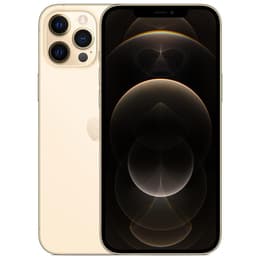
iPhone 12 Pro Max
iPhone 12 Pro Max
Starting at

Refurbished price:A$440.00

Versus A$1,249.00 new

See options
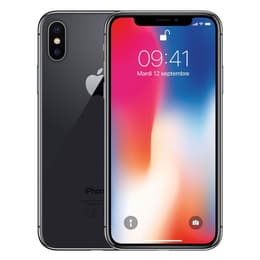
iPhone X
iPhone X
Starting at

Refurbished price:A$246.76

Versus A$619.00 new

See options

Ratings

The iPhone 12 Pro Max, released in November 2020, and the iPhone X, launched in November 2017, represent different generations of Apple's premium smartphone line. While both devices operate within the familiar iOS ecosystem, they present distinct differences in terms of their age, processing power, camera capabilities, and display size. This comparison aims to highlight these practical distinctions to assist in making an informed purchasing decision.

Scores

Durability

The longevity of a smartphone is influenced by its physical resilience and the duration of its software support.

  • Release Timeline and Software Support: The iPhone 12 Pro Max, being a more recent device from late 2020, benefits from a longer expected period of iOS updates, likely extending until late 2025 or 2026. In contrast, the iPhone X, released in late 2017, concluded its major software support with iOS 16 in 2023, meaning it will no longer receive the latest feature updates.
  • Physical Durability: The iPhone 12 Pro Max features a Ceramic Shield front cover, which Apple claims offers enhanced drop performance, alongside an IP68 rating for water and dust resistance, allowing submersion up to 6 meters for 30 minutes. The iPhone X has an IP67 rating, providing resistance to water submersion up to 1 meter for 30 minutes, and its glass construction was noted by some third-party tests to be prone to shattering upon impact.
  • Practical Lifespan: For users prioritizing the latest software features and enhanced physical protection, the iPhone 12 Pro Max offers a longer practical lifespan. The iPhone X, while still functional for basic tasks, will not receive new iOS features or security updates.

Release year

2020

2017

Compatible with latest Update

Yes

No

Operating system

iOS

iOS

Foldable

No

No

Performance

Performance is a key differentiator, impacting how smoothly applications run and how efficiently the device handles daily tasks.

  • Processor Capabilities: The iPhone 12 Pro Max is equipped with a more advanced processor and 6GB of RAM. This hardware allows it to handle demanding applications, complex multitasking, and graphics-intensive games with notable fluidity and responsiveness.
  • System Responsiveness: The iPhone X, featuring an earlier generation processor and 3GB of RAM, performs well for everyday activities like browsing and social media. However, it may exhibit slower app loading times and reduced smoothness when running newer, more resource-intensive applications or managing multiple tasks simultaneously.
  • Battery Behavior: The iPhone 12 Pro Max generally offers extended battery life, capable of lasting through a full day of heavy use due to its larger battery capacity and more power-efficient components. The iPhone X, with a smaller battery, typically provides sufficient power for a day of moderate use, but heavy users may find themselves needing to recharge more frequently.

Memory

6 GB

3 GB

Screen quality

The display is the primary interface for user interaction, and differences in screen technology and size can significantly impact the viewing experience.

  • Display Technology and Size: The iPhone 12 Pro Max features a large 6.7-inch Super Retina XDR OLED display, offering an expansive viewing area. The iPhone X has a 5.8-inch Super Retina OLED display, which was Apple's first full-screen OLED. Both utilize OLED technology for deep blacks and high contrast.
  • Resolution and Brightness: The 12 Pro Max boasts a higher resolution of 2778 x 1284 pixels and a significantly brighter display, reaching up to 1200 nits peak brightness for HDR content, making it more visible in bright outdoor conditions. The iPhone X offers a resolution of 2436 x 1125 pixels and a typical maximum brightness of 625 nits.
  • Viewing Experience: While both provide a high-quality visual experience with vibrant colors, the iPhone 12 Pro Max delivers a larger, brighter, and more immersive display, particularly beneficial for media consumption and detailed content.

Resolution

1284 x 2778

1125 x 2436

Screen type

Super Retina XDR OLED

Super Retina OLED

Audiovisual

Camera systems have evolved considerably, and there are notable distinctions in photographic capabilities between these two models.

  • Camera System Configuration: The iPhone 12 Pro Max features a versatile triple 12MP camera system, including wide, ultra-wide, and telephoto lenses, along with a LiDAR scanner. The iPhone X has a dual 12MP camera system, comprising wide and telephoto lenses.
  • Photography Features: The 12 Pro Max introduces advanced features such as Sensor-shift optical image stabilization on the wide lens, Night mode portraits, Deep Fusion, and Apple ProRAW, which collectively enhance low-light performance, detail retention, and creative control. The iPhone X offers dual optical image stabilization and Portrait Mode, providing good quality photos in well-lit conditions, but it lacks the ultra-wide lens and the more advanced computational photography of the newer model.
  • Video Recording: Both devices support 4K video recording, but the iPhone 12 Pro Max can record HDR video with Dolby Vision up to 60 frames per second, offering superior video quality and dynamic range.

Main camera

12 megapixels

12 megapixels

Front camera

12 megapixels

7 megapixels

Miscellaneous

Beyond core features, several practical elements contribute to the overall user experience and device utility.

  • Connectivity: The iPhone 12 Pro Max supports 5G cellular connectivity and Wi-Fi 6, providing faster download and upload speeds in compatible networks. The iPhone X supports 4G LTE and Wi-Fi 5. Both include Bluetooth 5.0.
  • Ports and Sensors: Both devices utilize the proprietary Lightning port for charging and data transfer. For biometric security, both rely on Face ID for secure authentication. The iPhone 12 Pro Max also integrates MagSafe technology, enabling magnetic attachment of accessories and wireless charging.
  • Physical Characteristics: The iPhone 12 Pro Max is a larger and heavier device, weighing 226 grams and featuring a flat-edged design. The iPhone X is more compact and lighter at 174 grams, with a rounded frame. These differences impact one-handed use and pocketability.

Weight

226 oz

174 oz

Screen size (in)

6,7

5.8

Network

5G

4G

SIM card

Physical SIM + eSIM

Physical SIM

Carrier compatibility

Unlocked

Unlocked

Connector

Lightning

Lightning

User feedback for the iPhone 12 Pro Max frequently highlights its robust camera system, impressive battery longevity, and powerful performance as significant advantages. Some users, however, have noted its substantial size and weight as a factor requiring adjustment. The iPhone X, upon its release, was lauded for its groundbreaking full-screen design and the introduction of Face ID. In current usage, common considerations for the iPhone X include its aging battery performance and the conclusion of major software updates.

Users who prioritize a large, vibrant display, advanced photographic capabilities, and a device with a longer runway for software support will find the iPhone 12 Pro Max to be a compelling choice. Its enhanced durability features and newer connectivity standards also contribute to a more modern user experience. Conversely, individuals who prefer a more compact and lighter device for essential daily communications and media consumption, and who are less concerned with the very latest software or cutting-edge camera technology, may still find the iPhone X suitable. Both models, available as quality-assured refurbished options, offer an eco-friendly alternative for consumers.

See all articles

Our recent comparisons