iPhone
Compare models
Differences at a glance
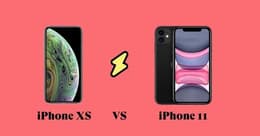
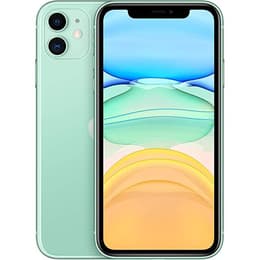
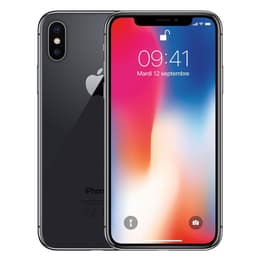
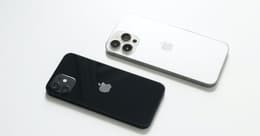
The iPhone X, released in late 2017, marked a significant design shift for Apple's smartphone line, introducing a full-screen display and Face ID. Two years later, the iPhone 11, launched in late 2019, built upon this foundation with updated internal components and camera enhancements. Both devices operate on Apple's iOS platform, offering a consistent user experience, but they differ in display technology, processing power, and camera capabilities.
Colour
Storage (GB)
When considering the practical lifespan of these devices, their release timelines and ongoing software support are key factors.
Release year
Compatible with latest Update
Operating system
Foldable
The performance of a smartphone is largely determined by its internal processing unit and how efficiently it manages tasks and power.
The visual experience on a smartphone is significantly influenced by its display technology and characteristics.
Resolution
Screen type
The camera systems on both iPhones offer distinct capabilities for capturing photos and videos.
Main camera
Front camera
Beyond core features, several practical elements contribute to the overall user experience of these smartphones.
Weight
Screen size (in)
SIM card
Carrier compatibility
Connector
User feedback for the iPhone X often praises its groundbreaking design, vibrant OLED display, and the introduction of Face ID, which was a novel and convenient authentication method at its release. [1] Some common criticisms included its initial battery life compared to larger models and the learning curve associated with navigating without a home button. [1] For the iPhone 11, users frequently highlight its significantly improved camera system, particularly the Night mode and ultra-wide lens, as well as its robust battery life. [4, 27] Occasional feedback mentions the LCD display as a step down from OLED in terms of contrast, though its overall quality is still considered good. [4]
Users prioritizing a compact device with a high-resolution OLED display and a telephoto camera may find the iPhone X well-suited to their needs. Conversely, users who value extended battery life, superior low-light photography capabilities, and a wider field of view from an ultra-wide camera will likely lean towards the iPhone 11. Those seeking a device with longer software support and more modern internal components for future-proofing might also prefer the iPhone 11. Both models offer a reliable iOS experience, and choosing between them often comes down to specific preferences regarding display technology, camera features, and expected longevity. Opting for a quality-assured refurbished option for either device can be an eco-friendly alternative.