iPhone
Compare models
Differences at a glance
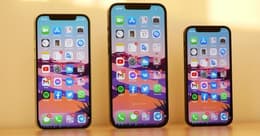
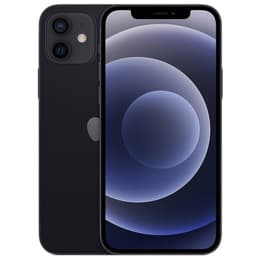
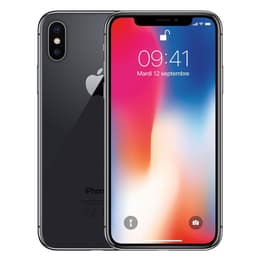
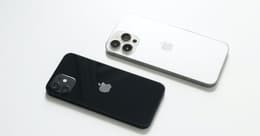
The iPhone 12, released in October 2020, and the iPhone X, launched in November 2017, represent different generations of Apple's smartphone evolution. While both devices feature an all-screen design and Face ID for secure authentication, the iPhone 12 introduces a more advanced processor, enhanced camera capabilities, and next-generation connectivity. Both run on Apple's iOS operating system, offering a consistent user experience, though the iPhone 12 benefits from a longer period of software support.
Colour
Storage (GB)
The practical lifespan of a smartphone is often determined by its software support and physical durability. These two models, separated by three years, show notable differences in these aspects.
Release year
Compatible with latest Update
Operating system
Foldable
Performance is a key differentiator, with the iPhone 12 benefiting from a newer internal architecture designed for more demanding tasks and improved efficiency compared to the iPhone X.
Both devices feature OLED display technology, offering vibrant visuals, but the iPhone 12 introduces advancements in brightness and contrast for an enhanced viewing experience.
Resolution
Screen type
The camera systems on both the iPhone X and iPhone 12 are capable, but the newer model benefits from significant advancements in computational photography and low-light performance.
Main camera
Front camera
Beyond core features, several practical elements distinguish the iPhone 12 from the iPhone X, impacting daily usability and future compatibility.
Weight
Screen size (in)
SIM card
Carrier compatibility
Connector
The iPhone X and iPhone 12 both offer a premium smartphone experience, but cater to slightly different priorities due to their generational gap. The iPhone X, released in 2017, was groundbreaking for its time, introducing the all-screen design and Face ID. Users often praised its vibrant OLED display and capable dual camera system, particularly its low-light performance and the introduction of Animoji. Some criticisms included the initial range limitations of Face ID and the potential for OLED burn-in, though this was acknowledged as expected behavior for the technology. [1, 4, 5, 10, 23, 25, 29]
The iPhone 12, from 2020, builds upon this foundation with significant upgrades. Users appreciate its faster performance, the introduction of 5G connectivity, and the enhanced camera system with features like Night mode and Deep Fusion across all lenses, including the front-facing camera. The improved durability with Ceramic Shield and better water resistance are also notable advantages. While its battery life is generally considered good, some users noted it wasn't a dramatic improvement over previous models. [3, 7, 13, 27, 31, 32, 35, 38]
Users prioritizing a longer software support lifespan, access to 5G networks, and superior low-light photography will find the iPhone 12 better suited to their needs. Its more robust build and faster processing power also make it a strong choice for those who engage in demanding applications or mobile gaming. Conversely, users seeking a device that still offers a premium OLED display, secure facial recognition, and a capable camera for everyday use, without needing the absolute latest in performance or connectivity, may find the iPhone X to be a suitable option. Both devices are available as quality-assured refurbished options, providing an eco-friendly alternative for consumers.