
iPhone
Compare models
Differences at a glance
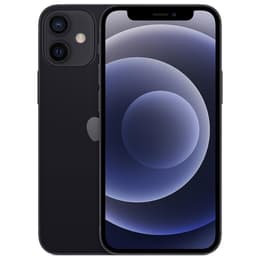
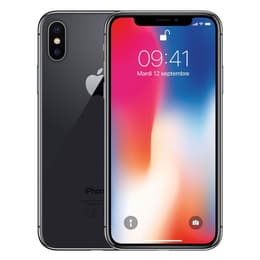
The iPhone 12 Mini, released in late 2020, and the iPhone X, launched in late 2017, represent distinct eras in Apple's smartphone evolution. While both devices offer a premium experience, they cater to different preferences, primarily in terms of size and the technological advancements introduced over their three-year gap. Both operate on Apple's iOS ecosystem, providing a consistent software experience, though the 12 Mini benefits from a newer generation of internal components and a more compact form factor.
Colour
Storage
The expected practical lifespan of a smartphone is influenced by its release timeline, software support, and physical durability. The iPhone 12 Mini and iPhone X, while both robust, show differences in these areas.
Release year
Compatible with latest Update
Operating system
Foldable
Performance is a key differentiator between these two devices, largely due to the generational leap in their internal processing capabilities and memory configurations.
Both the iPhone 12 Mini and iPhone X feature vibrant OLED displays, but there are differences in their size, resolution, and brightness capabilities that impact the viewing experience.
Resolution
Screen type
The camera systems on the iPhone 12 Mini and iPhone X offer different capabilities, reflecting the advancements in mobile photography over their respective release years.
Main camera
Front camera
Beyond core specifications, several practical elements contribute to the overall user experience and differentiate the iPhone 12 Mini from the iPhone X.
Weight
Screen size (in)
Network
SIM card
Carrier compatibility
Connector
The iPhone 12 Mini and iPhone X offer distinct experiences shaped by their respective release timelines and design philosophies. Users frequently praise the iPhone 12 Mini for its compact size, making it ideal for one-handed use and easy portability, while still delivering strong performance for everyday tasks and modern applications. However, a common criticism of the 12 Mini is its battery life, which some users find to be shorter than desired, especially with heavy usage.
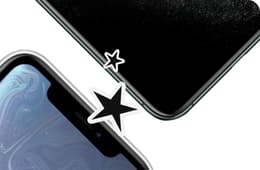
The iPhone X, on the other hand, was lauded at its release for its innovative full-screen design and Face ID technology. Its camera system was considered advanced for its time, and its OLED display offered a vibrant viewing experience. User feedback often highlighted its solid build quality, though its battery life was generally considered decent but not exceptional.
Users prioritizing a highly compact and lightweight device with access to the latest software updates, 5G connectivity, and advanced camera features like Night Mode will find the iPhone 12 Mini well-suited to their needs. Conversely, those who prefer a slightly larger screen for media consumption and are content with an older, yet still capable, device for general use might lean towards the iPhone X. Both models are available as quality-assured refurbished options, providing an eco-friendly alternative for consumers.