iPhone
Compare models
Differences at a glance
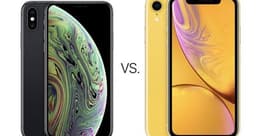
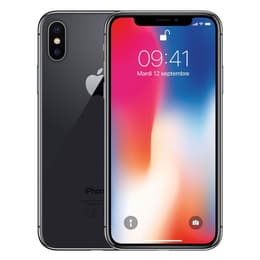
The iPhone X, released in November 2017, marked a significant redesign for Apple's smartphone line, introducing an all-screen display and Face ID. Its successor, the iPhone Xs, launched in September 2018, refined this design while bringing internal upgrades focused on performance, camera capabilities, and durability enhancements. Both devices operate on Apple's iOS platform, offering a consistent user experience.
Colour
Storage
When considering the longevity of these devices, several factors come into play, including their release timelines, software support, and physical resilience.
Release year
Compatible with latest Update
Operating system
Foldable
The performance of a smartphone is largely dictated by its internal processing power and memory, impacting everything from app responsiveness to multitasking efficiency.
Both the iPhone X and iPhone Xs offer a high-quality visual experience, sharing many display characteristics that were groundbreaking at the time of the iPhone X's release.
Resolution
Screen type
The camera systems on both the iPhone X and iPhone Xs share a similar dual-lens setup, but the Xs introduces notable hardware and software enhancements for improved image quality.
Main camera
Front camera
Beyond core performance and camera, several practical elements differentiate the user experience between these two iPhone models.
Weight
Screen size (in)
Network
SIM card
Carrier compatibility
Connector
The iPhone X and iPhone Xs, while sharing a foundational design, present distinct advantages for different user priorities. The iPhone X, as the pioneering model, introduced the all-screen display and Face ID, and users generally praised its innovative design and capable camera for its time. However, some users reported issues with battery drain, unresponsive screens, and Face ID failures. Its software support has now concluded, which is a key consideration for long-term usability.
The iPhone Xs, a direct successor, refined many aspects of the original. Users frequently lauded its improved camera performance, particularly in low light and with the introduction of Smart HDR, as well as its faster overall performance and enhanced water resistance. Common criticisms for the Xs included initial reports of charging issues and inconsistent network reception, though some of these were addressed with software updates. Its extended software support also makes it a more viable option for those seeking a device that will receive updates for a longer duration.
Users prioritizing the latest software updates and slightly enhanced performance for demanding applications, along with improved camera capabilities, may find the iPhone Xs better suited to their needs. Conversely, those seeking a device for basic daily tasks and who are comfortable with an older software version might consider the iPhone X. Both models offer a premium experience, and choosing a quality-assured refurbished option for either device can be a sustainable choice for consumers.