iPhone
Compare models
Differences at a glance
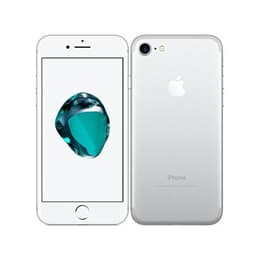
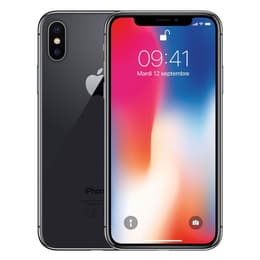
The iPhone 7, released in September 2016, and the iPhone X, launched in November 2017, represent distinct evolutionary steps in Apple's smartphone lineup. While both operate on the iOS platform, the iPhone X introduced a significant design overhaul and advanced features, moving away from the traditional Home button and embracing a new display technology. This comparison will highlight the practical differences between these two models, helping users understand their respective strengths and suitability for various needs.
Colour
Storage
When considering the longevity of these devices, their release timelines and subsequent software support are key factors.
Release year
Compatible with latest Update
Operating system
Foldable
The performance of a smartphone significantly impacts daily usage, from app responsiveness to multitasking capabilities.
The display is a primary interface for smartphone interaction, and there are notable differences between these two models.
Resolution
Screen type
Camera capabilities are a significant consideration for many users, and both models offer distinct photographic experiences.
Beyond core features, several practical elements contribute to the overall user experience and device utility.
Weight
Screen size (in)
Network
SIM card
Carrier compatibility
Connector
The iPhone 7 and iPhone X offer distinct experiences, reflecting the rapid advancements in smartphone technology between their respective releases. Users often praise the iPhone 7 for its reliable performance for everyday tasks and its familiar Home button interface. However, common criticisms include its battery life for heavy usage and the absence of a headphone jack.
The iPhone X, on the other hand, is frequently lauded for its striking OLED display, the innovative Face ID system, and its more modern, premium design. Users appreciate the improved camera capabilities and the gesture-based navigation. Some common concerns for the iPhone X include the initial adjustment to the notch and gesture navigation, and the potential for battery degradation over time, which can impact performance.
Users prioritizing a traditional iPhone experience with a physical Home button and sufficient performance for standard applications may find the iPhone 7 well-suited to their needs. Those who value a more immersive display, advanced camera features, and modern authentication methods, and are comfortable with gesture navigation, will likely prefer the iPhone X. Both models, especially when considering a quality-assured refurbished option, can provide a reliable and sustainable choice for different user profiles.