Compare models
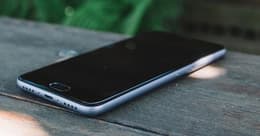
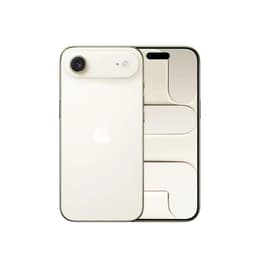
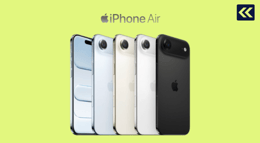
Galaxy A34 vs iPhone Air
- 1-year warranty
- Free standard shipping
- Free 30-day returns
Differences at a glance
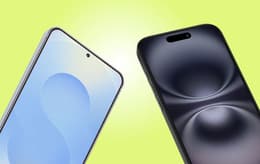
The Samsung Galaxy A34 (2023) and Apple iPhone Air (2025) represent two distinct approaches to smartphone design, catering to different eras and feature priorities. While the Galaxy A34 focuses on dependable mid-range functionality running on the Android operating system, the iPhone Air introduces a ultra-slim profile and runs on iOS. Choosing between these devices involves weighing physical design philosophies against software preferences.
Available Models
Colour
Storage
Scores
Durability
When examining hardware longevity and support timelines, these two devices reflect different stages in the mobile product lifecycle, with software longevity dictated by their respective manufacturer support schedules.
- Release Timeline and Age: The Galaxy A34 debuted in early 2023, whereas the iPhone Air entered the market in late 2025, resulting in a two-year generation gap that influences overall hardware maturity.
- Software Longevity: Samsung provides a multi-year update schedule for its mid-range line, while Apple typically supports its devices with major operating system updates for an extended duration.
- Repairability and Build: Both smartphones feature robust water-resistance ratings, though their differing construction materials contribute to distinct structural approaches for handling daily wear.
Release year
2023
2025
Compatible with latest Update
Yes
Yes
Operating system
Android
iOS
Foldable
No
No
Performance
Daily operation and multitasking capabilities vary significantly based on internal hardware allocations and system optimization across both models.
- System Responsiveness: The iPhone Air handles intensive applications, demanding mobile games, and complex multitasking smoothly, while the Galaxy A34 manages everyday tasks, web browsing, and casual apps reliably.
- Memory and Multitasking: The iPhone Air features ample RAM configurations paired with an advanced processor architecture, whereas the Galaxy A34 utilizes standard mid-range memory configurations suitable for standard daily workflows.
- Battery Behavior: The Galaxy A34 relies on a high-capacity cell that comfortably lasts through a full day of standard use, whereas the iPhone Air balances a slim profile with power-efficient internal components to maintain daily endurance.
Screen quality
Display characteristics differ in panel technology, size, and visual fluidity, directly affecting media consumption and outdoor usability.
- Display Technology: Both devices utilize vibrant OLED panels that deliver deep blacks and rich contrast, with the iPhone Air offering a 6.5-inch screen and the Galaxy A34 featuring a 6.6-inch panel.
- Refresh Rate and Smoothness: Both models support a 120Hz refresh rate, ensuring smooth scrolling through menus, web pages, and supported applications.
- Outdoor Visibility: The iPhone Air reaches a higher peak outdoor brightness level for clear visibility under direct sunlight, while the Galaxy A34 provides adequate luminance for typical daylight conditions.
Resolution
1080 x 2340
2736x1260
Screen type
Super AMOLED
Super Retina XDR
Audiovisual
Multimedia capture and audio output capabilities cater to different user preferences for photography and media playback.
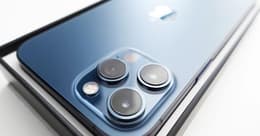
- Camera Systems: The Galaxy A34 features a versatile triple rear camera setup including main, ultra-wide, and macro lenses, whereas the iPhone Air prioritizes a streamlined single 48-megapixel main camera system.
- Video and Low Light: The iPhone Air excels in detailed video recording and low-light photography using advanced processing, while the Galaxy A34 delivers dependable everyday snapshots and stable standard-definition video.
- Audio Output: Both smartphones include stereo speaker configurations that provide clear dialogue and balanced sound for casual video viewing and hands-free calls.
Main camera
48 megapixels
48 megapixels
Front camera
13 megapixels
18 megapixels
Miscellaneous
Physical dimensions, connectivity standards, and daily handling characteristics highlight practical differences in form factor.
- Design and Handling: The iPhone Air stands out with an exceptionally thin 5.6-millimeter titanium profile and a lightweight feel, while the Galaxy A34 features a slightly thicker plastic-framed build weighing more in the hand.
- Connectivity: Both models support modern 5G networks, fast Wi-Fi standards, and Bluetooth, ensuring reliable wireless pairing with accessories.
- Ports and Biometrics: The iPhone Air relies on a USB-C port and facial recognition security, whereas the Galaxy A34 utilizes a USB-C port alongside an under-display optical fingerprint scanner.
Weight
199 oz
165 oz
Screen size (in)
6,6
6.5
Network
5G
5G
SIM card
Physical SIM
eSIM
Carrier compatibility
Unlocked
Unlocked
What the community thinks
User discussions across community forums highlight distinct praises and common considerations for both devices. Owners of the Galaxy A34 frequently commend its reliable battery endurance, dependable daily performance, and dependable screen quality for everyday tasks. On the other hand, discussions surrounding the iPhone Air often focus on appreciation for its remarkably slim titanium build and responsive system speed, alongside notes regarding its single-lens camera setup. Users prioritizing an ultra-lightweight form factor, advanced mobile gaming capability, and the iOS ecosystem may lean toward the iPhone Air. Conversely, users seeking a quality-assured refurbished option with extended battery life and a traditional multi-lens camera array for daily use will find the Galaxy A34 well-suited to their needs. Exploring a quality-assured refurbished option on Back Market provides an eco-friendly alternative for acquiring either device while supporting sustainable consumer choices. Ultimately, the right choice depends on individual preferences regarding operating systems, physical handling, and daily usage requirements.